For a full in-depth guide, head to: When and Where Young Travellers Should Go in Europe
Whether you’re planning a gap year, a summer backpacking trip, or a quick three-week holiday — knowing the best time to visit Europe can save you money and help you avoid the crowds. After living in Europe for 5 years, here’s my quick month-by-month breakdown of the cheapest times to travel, the best weather windows, and where young travellers should go in each season.
TL;DR — The Quick Version
Best time to go: May, June, or September — warm weather, smaller crowds, and cheaper than peak summer.
Cheapest time to go: January to March — lowest prices across the board, but cold and grey.
Busiest (and most expensive): July and August — best weather, but book everything early.
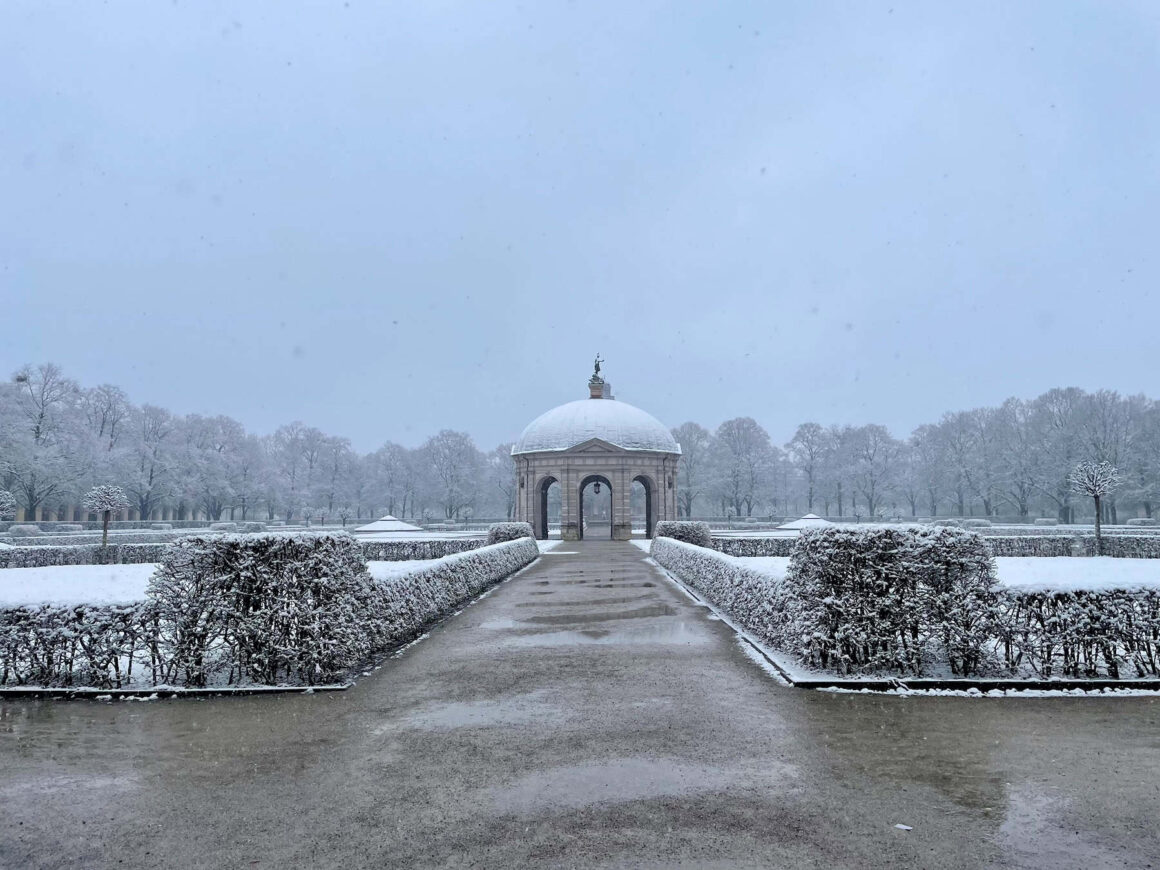
Best for Christmas markets: December across Germany, Austria, Switzerland, and France.
Best for skiing: January and February in the Alps, or budget skiing in Eastern Europe.
Bottom line: If you want the best balance of weather, crowds, and price, aim for late May, June, or September.
≡ Jump To Section (Click):
Jump to a section
Once you know when to go, check out my guide on How To Travel Europe by Train and Bus to plan your transport
☀️ Best Time To Go:
May / June / September
- Warm weather
- Fewer crowds
- Cheaper than peak summer months
🔥 Peak Season
July / August
- Hottest months with the best weather
- Busiest time of the year – crowded cities, beaches and mountains
- Highest prices
🌸 🍂 Shoulder Season
April / October / November
- Beautiful colours – flowers in April and autumn leaves in October/November
- Smallest crowds of the year without the cold, dark winter weather
- Considerably cheaper than all summer months
❄️ Off-Season
December – March
- Cheapest months
- Cold + grey
- Christmas markets in December
- Skiing in January/February
- Good for budget travellers + winter sport lovers
🗓️ Month-by-Month Snapshot
⛱️ May – Warm Weather / Smaller Crowds
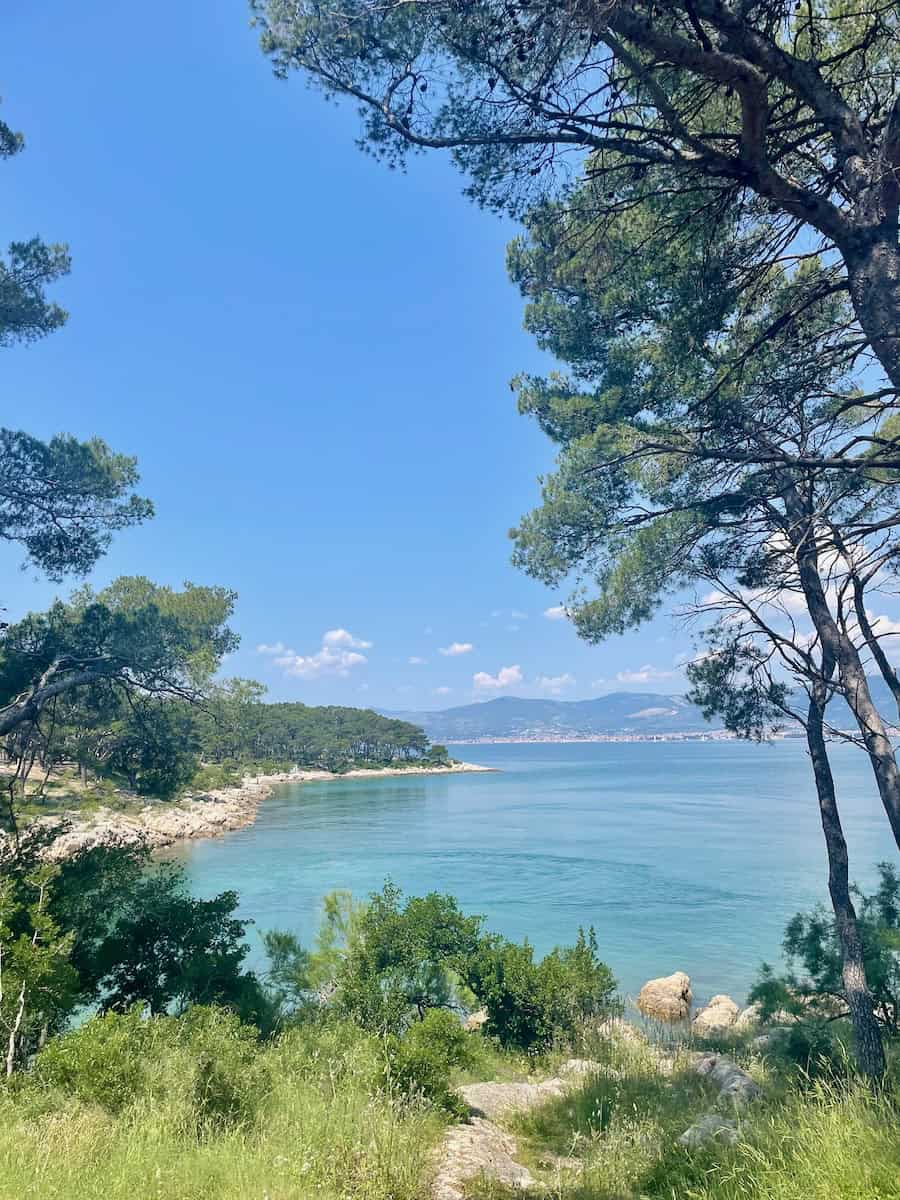

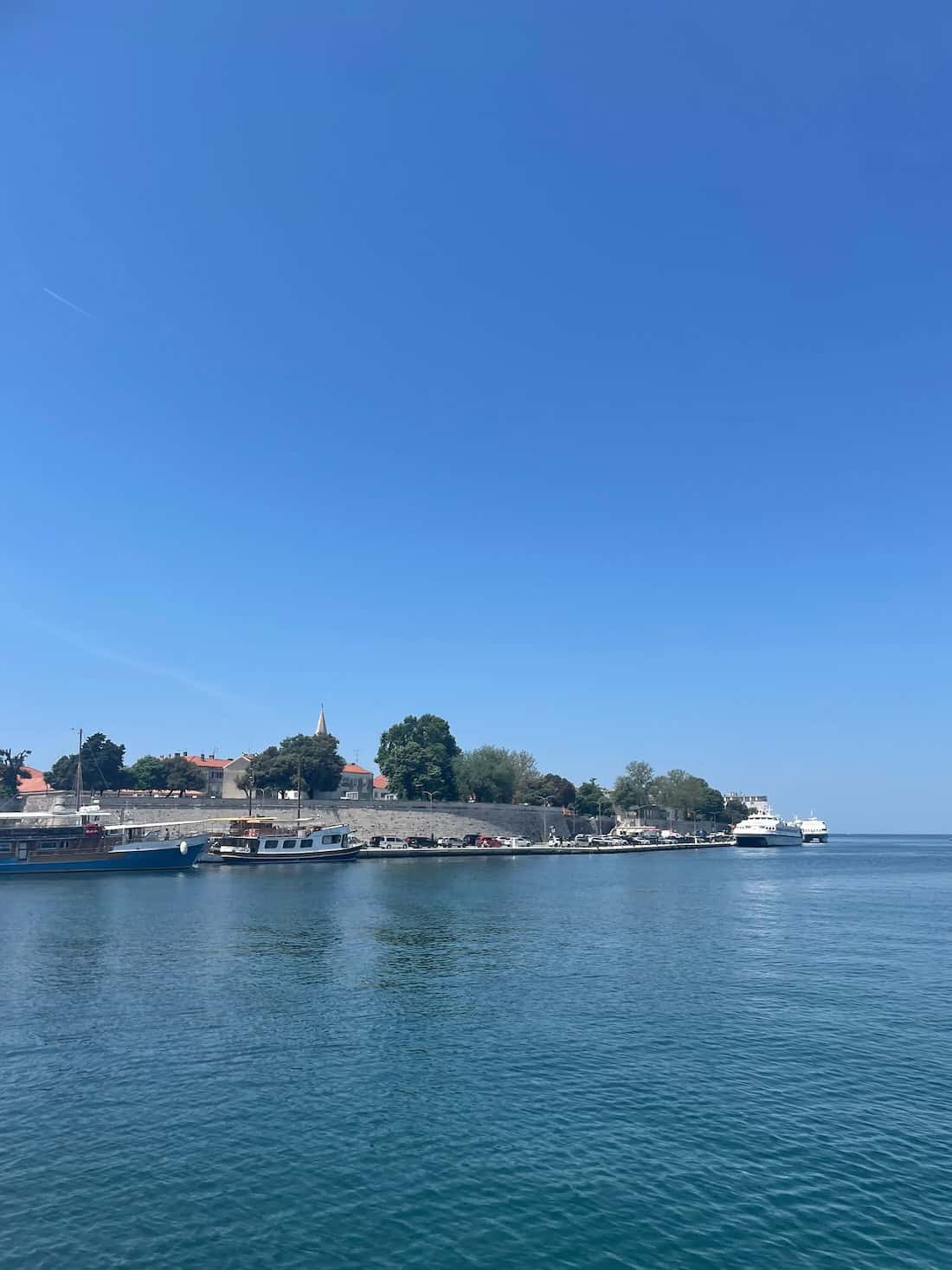
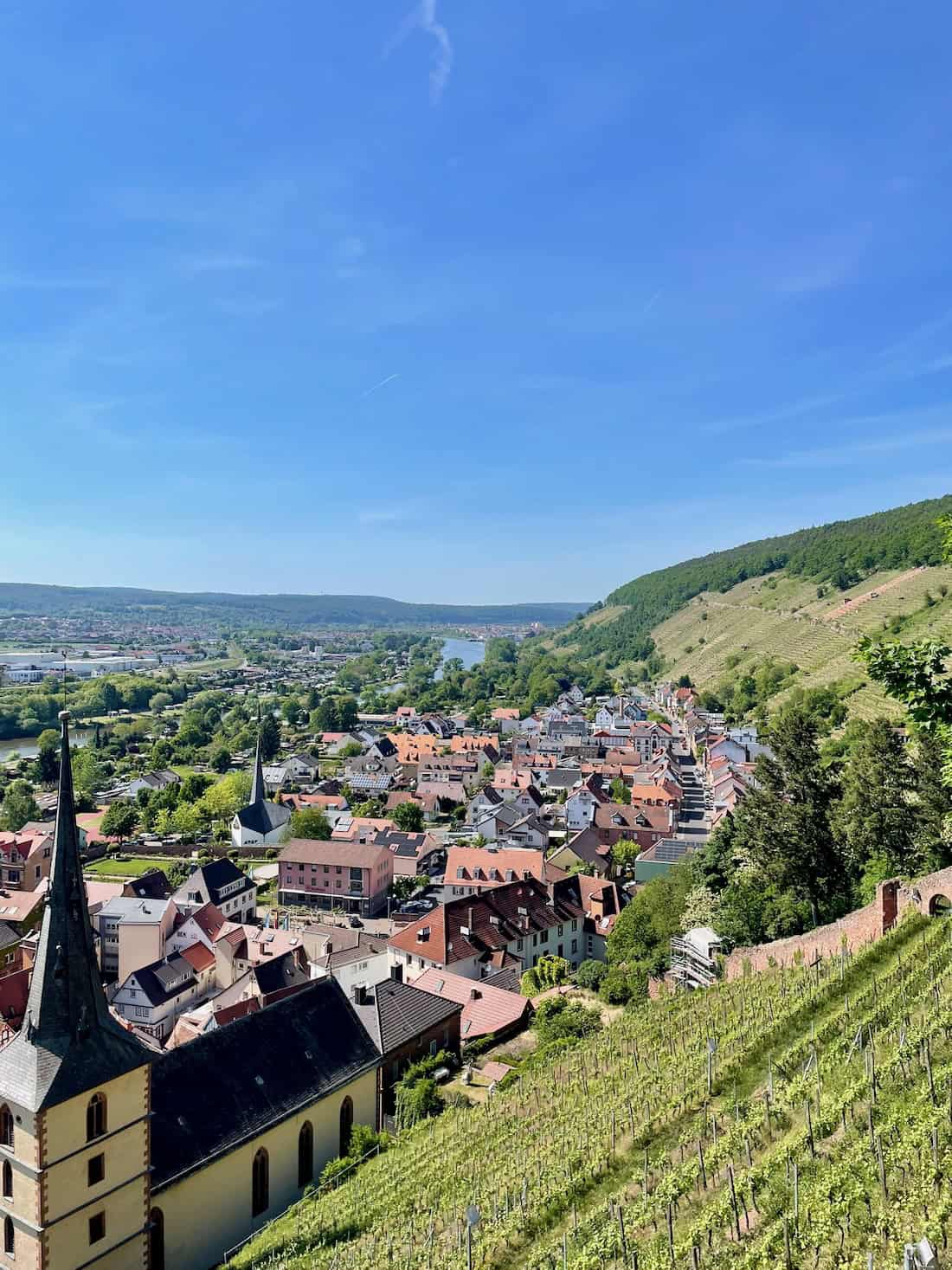
- 20-26°C in Southern Europe – perfect for early summer weather without the crowds
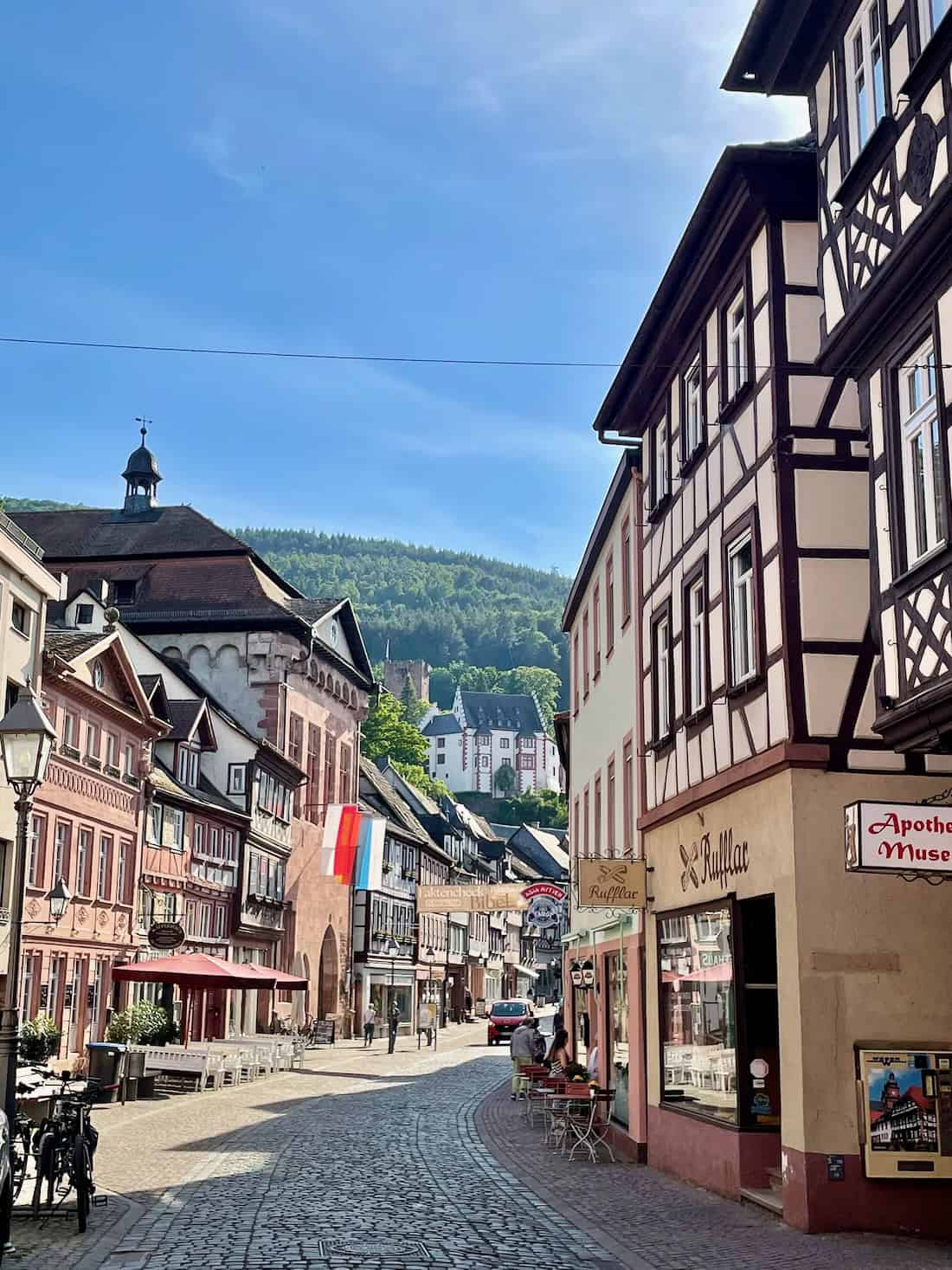
- 18-22°C in Central Europe – perfect for city trips with fewer crowds
- Lower prices than any other warm month
- Budget-conscious travellers who want warm weather
Best for: Budget-conscious travellers who still want warm summer-like weather.
⛰️🎊🏝️ June – Classic European Summer
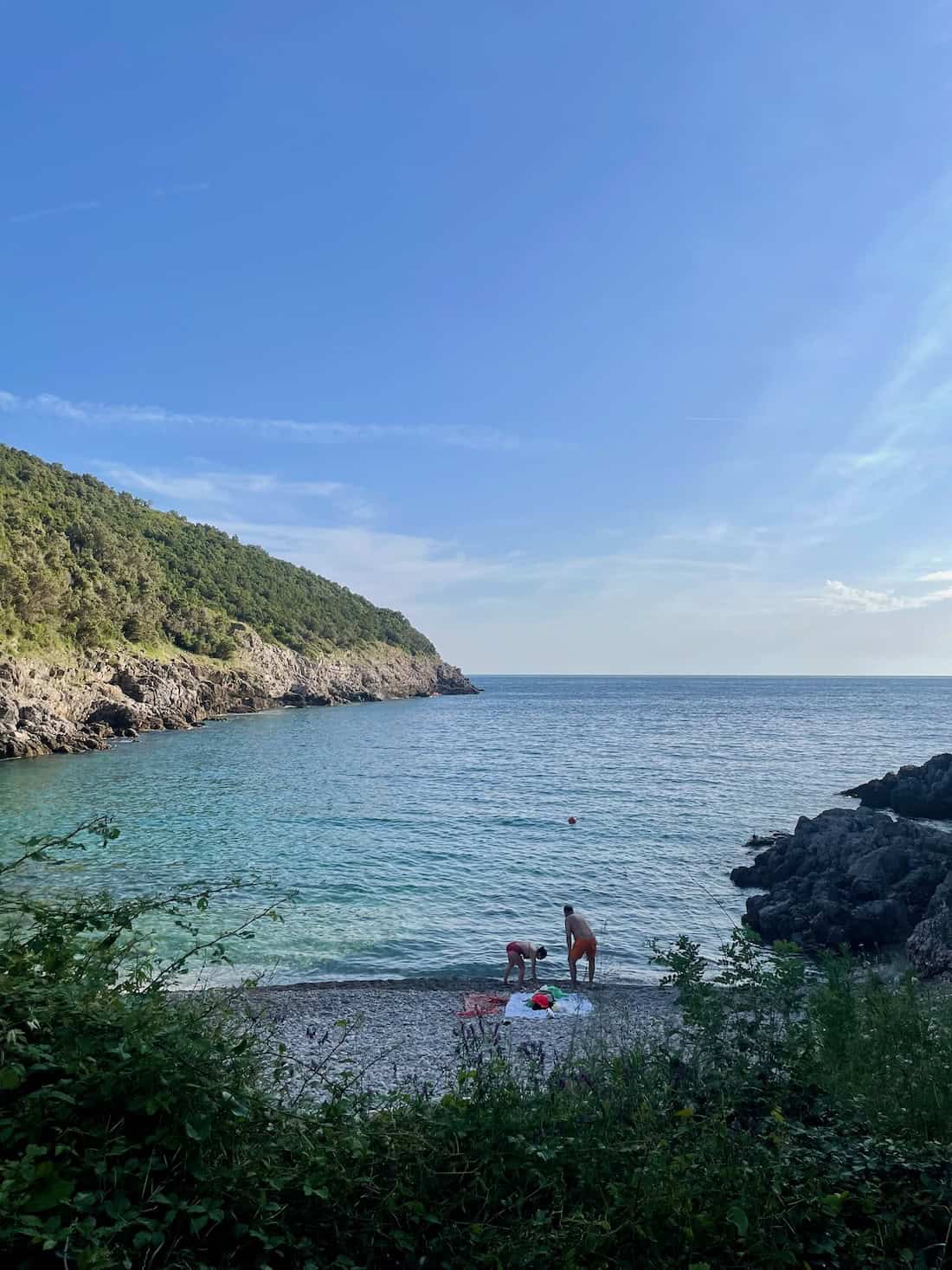

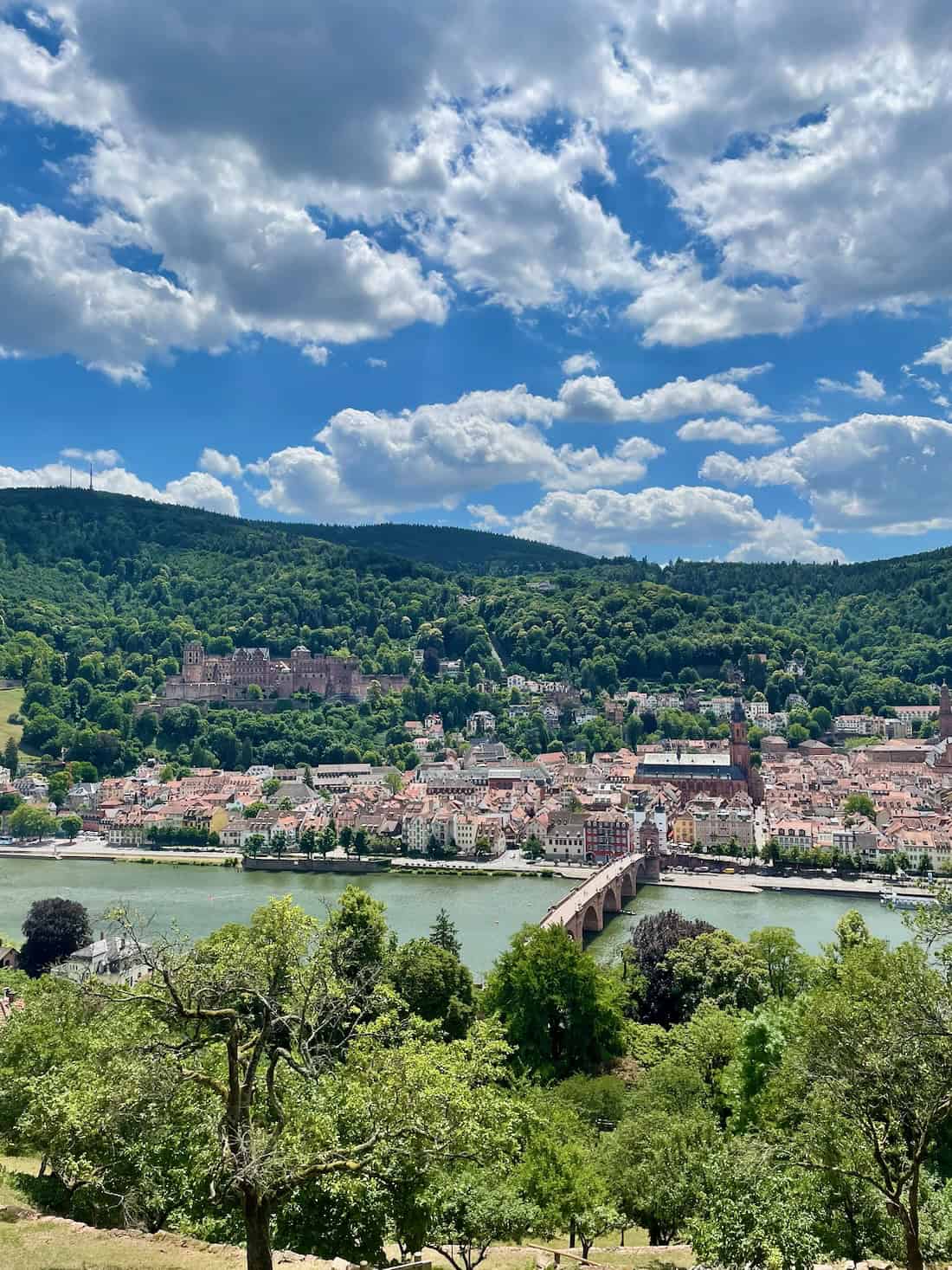
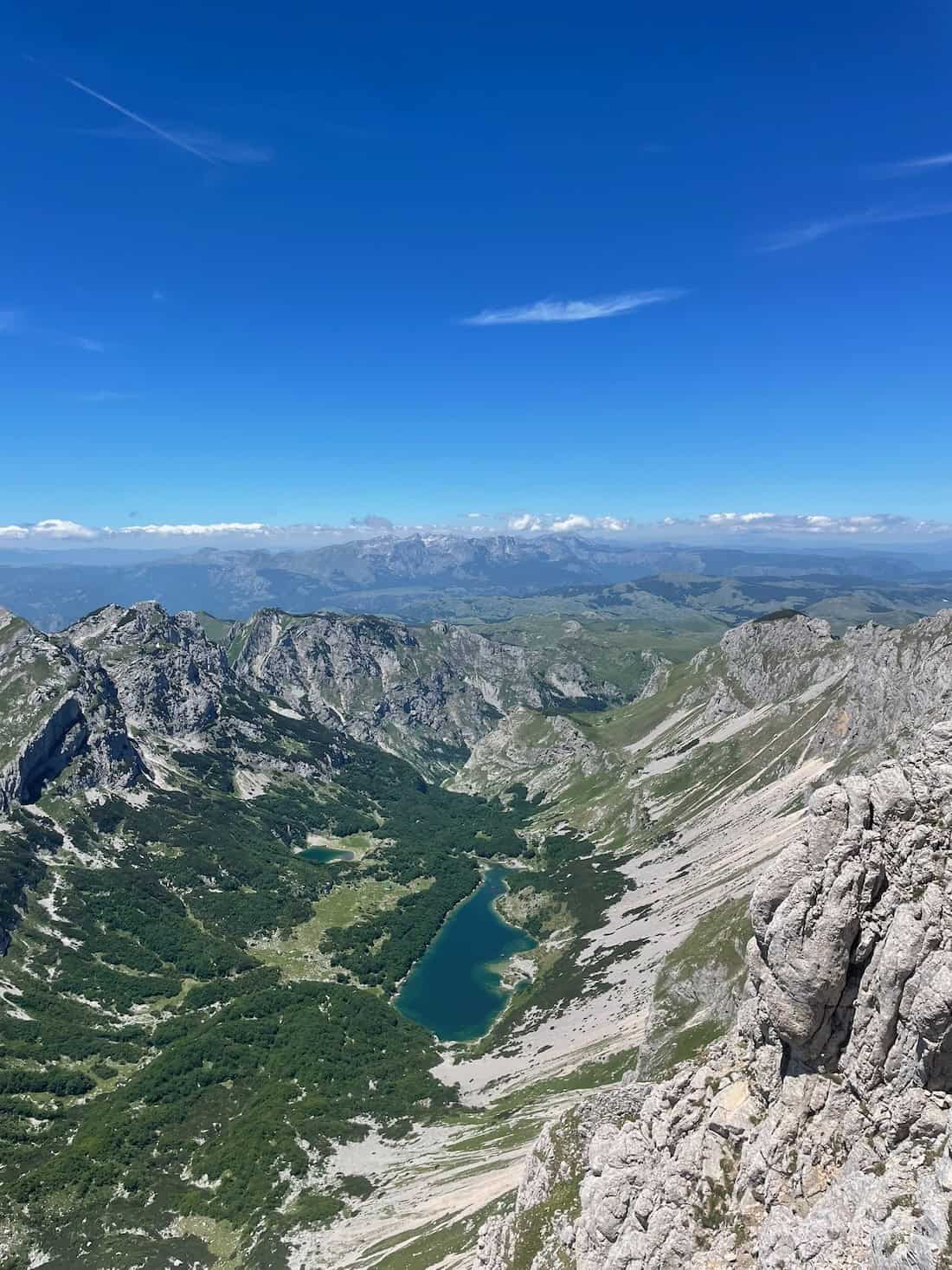
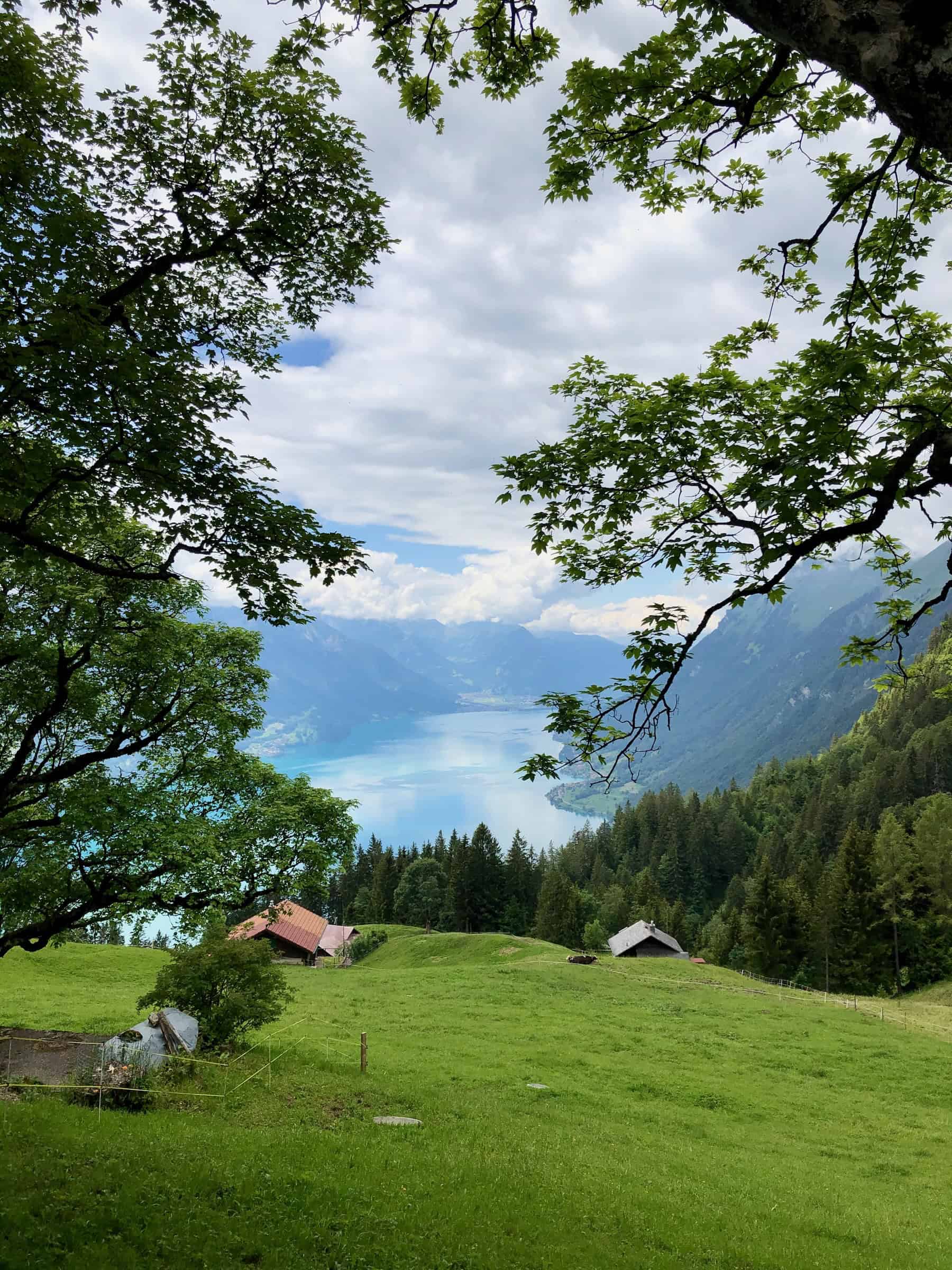

- 20-30°C almost everywhere in Europe
- Long days
- Festivals begin
- Warm seas
- Beautiful mountains
Best for: Nature trips – beach and mountain adventures across Europe before the peak summer crowds arrive.
☀️🔥 July / August – Peak Summer Season

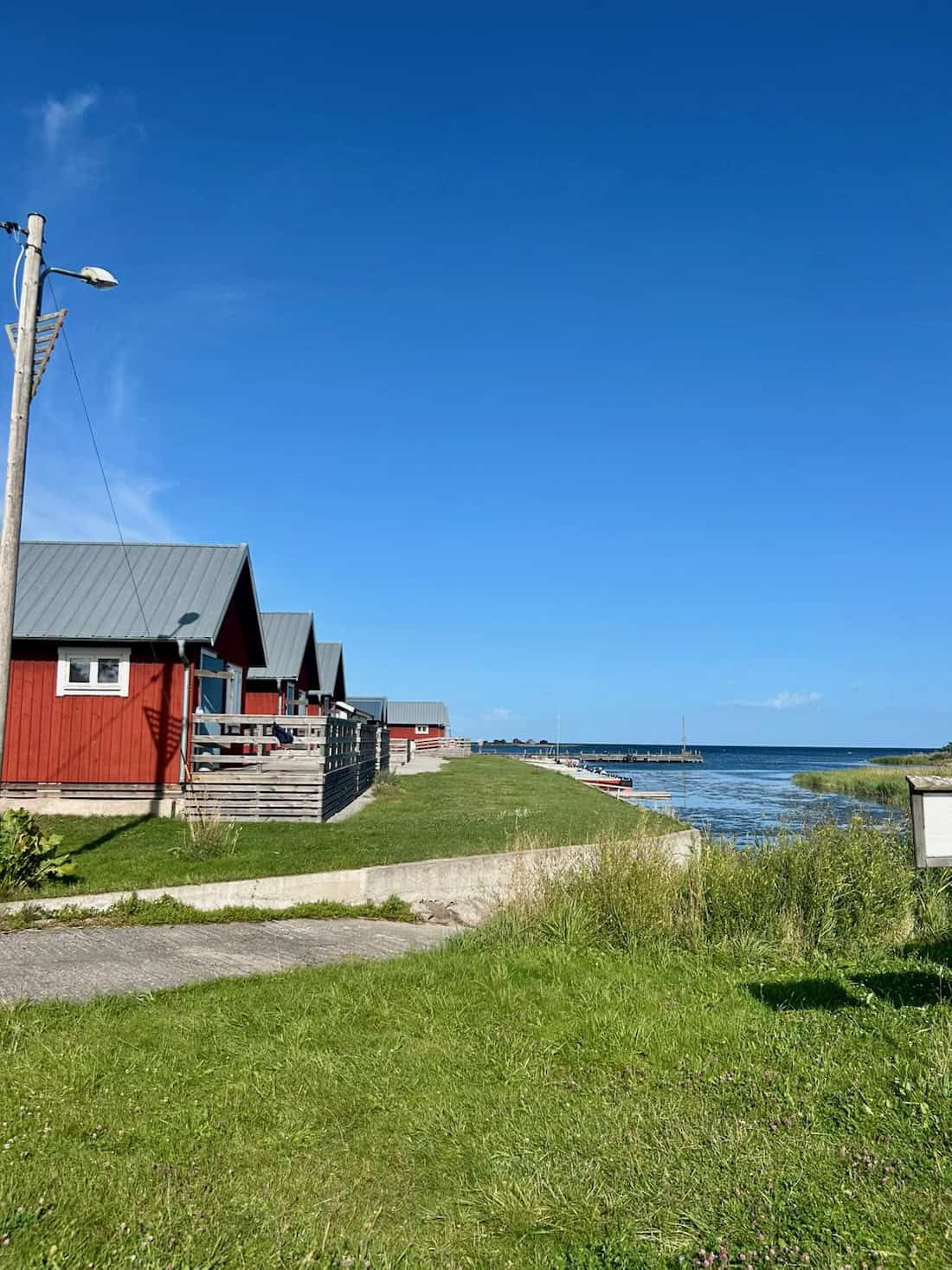
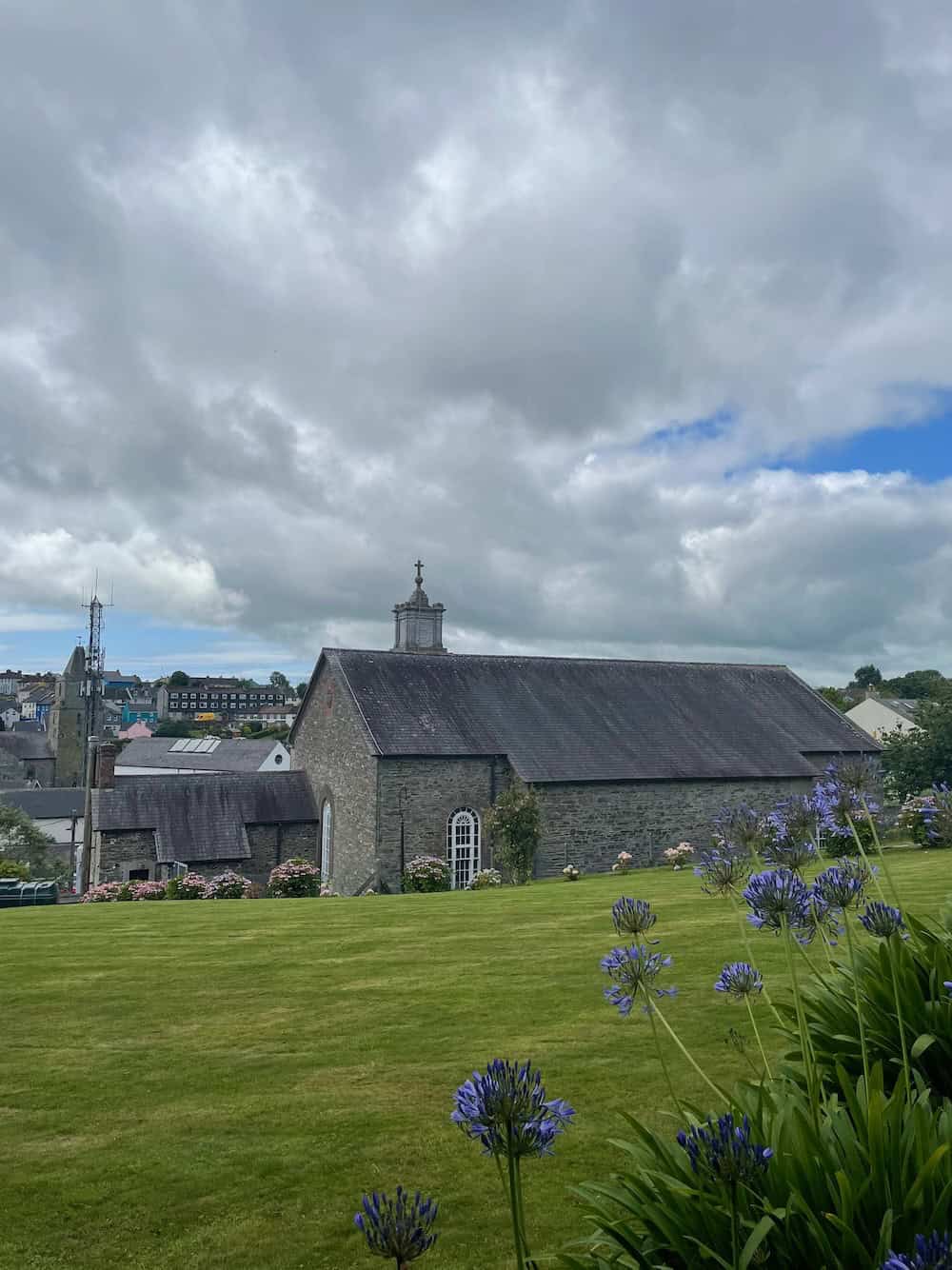
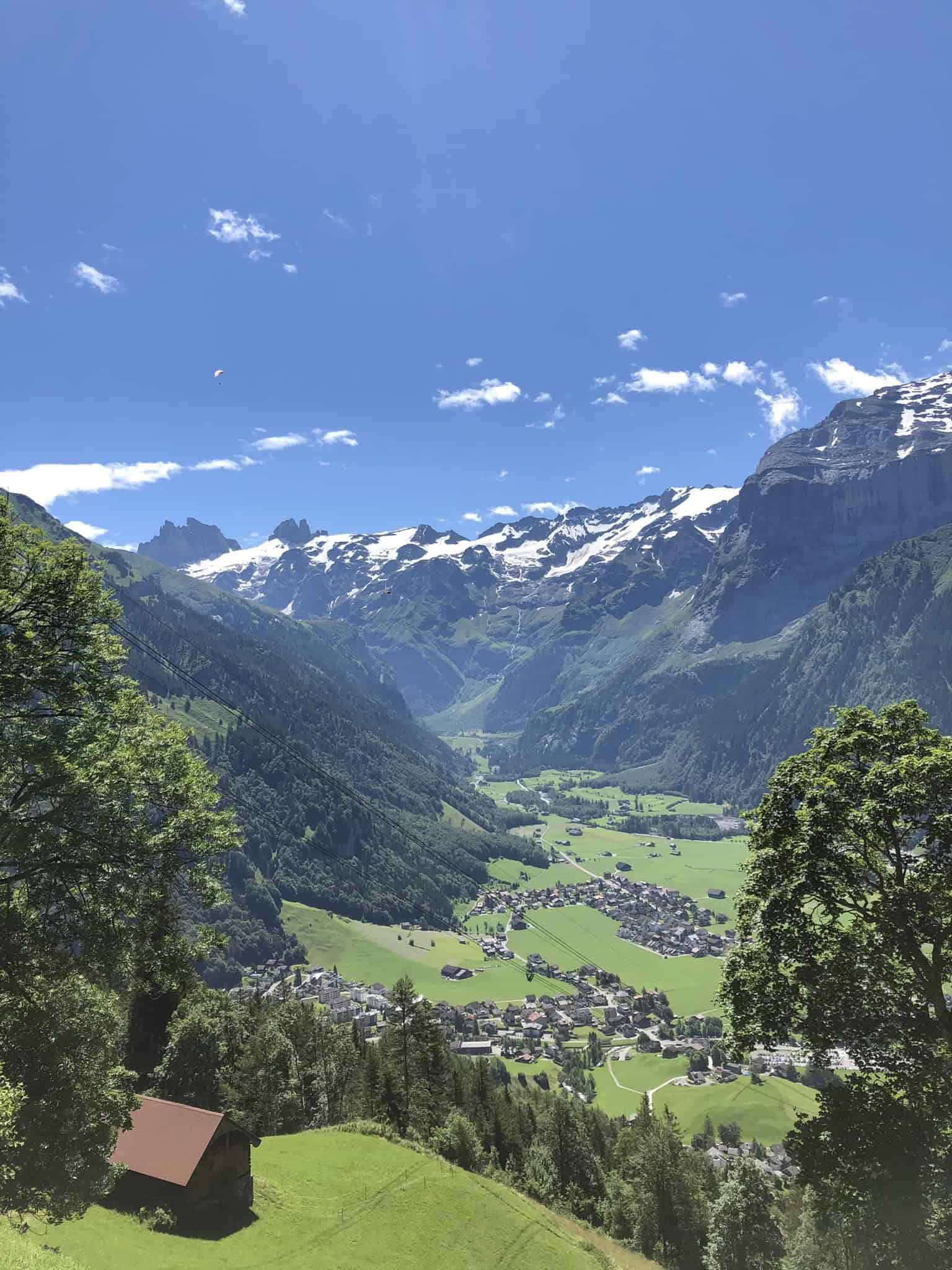



- Best weather of the year: 22–30°C+ across most of Europe
- Busiest time of the year everywhere
- Highest prices for accommodation and transport
- Beach destinations can get chaotic, especially in Southern Europe
Best for: Hiring a car and escaping into the countryside – BOOK EVERYTHING AS EARLY AS YOU CAN.
🏖️⛰️ September – Late Summer Sweet Spot
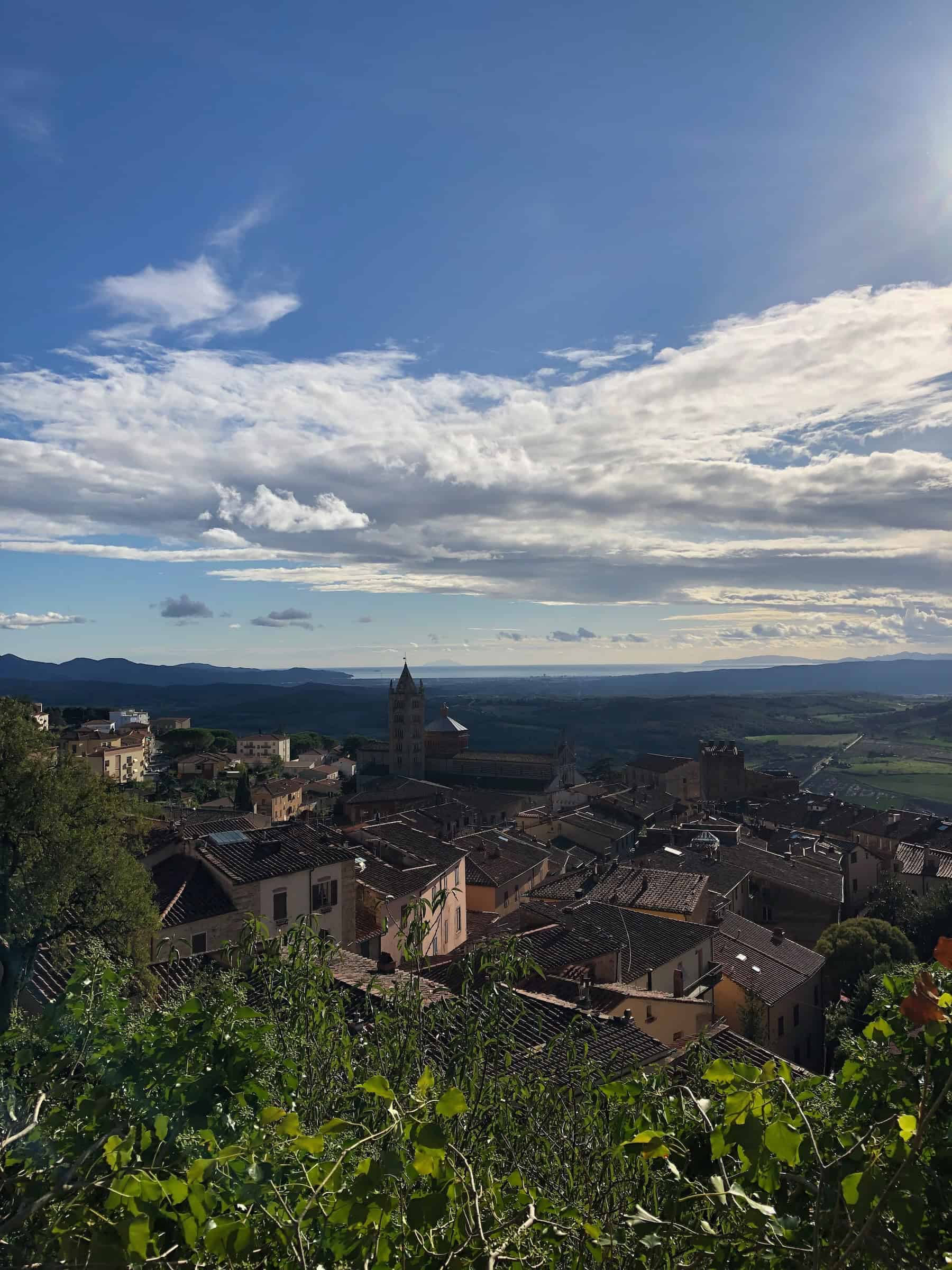
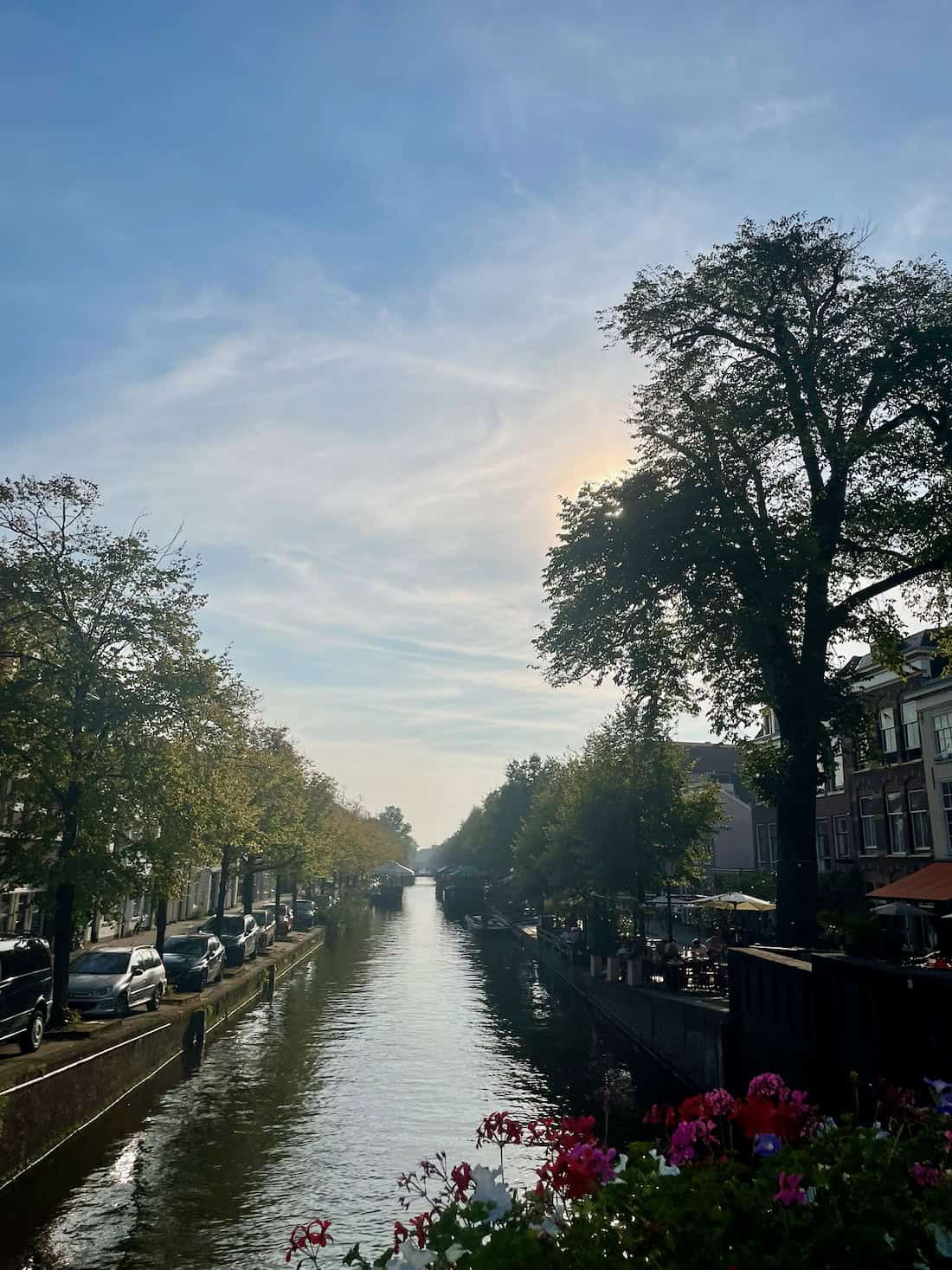

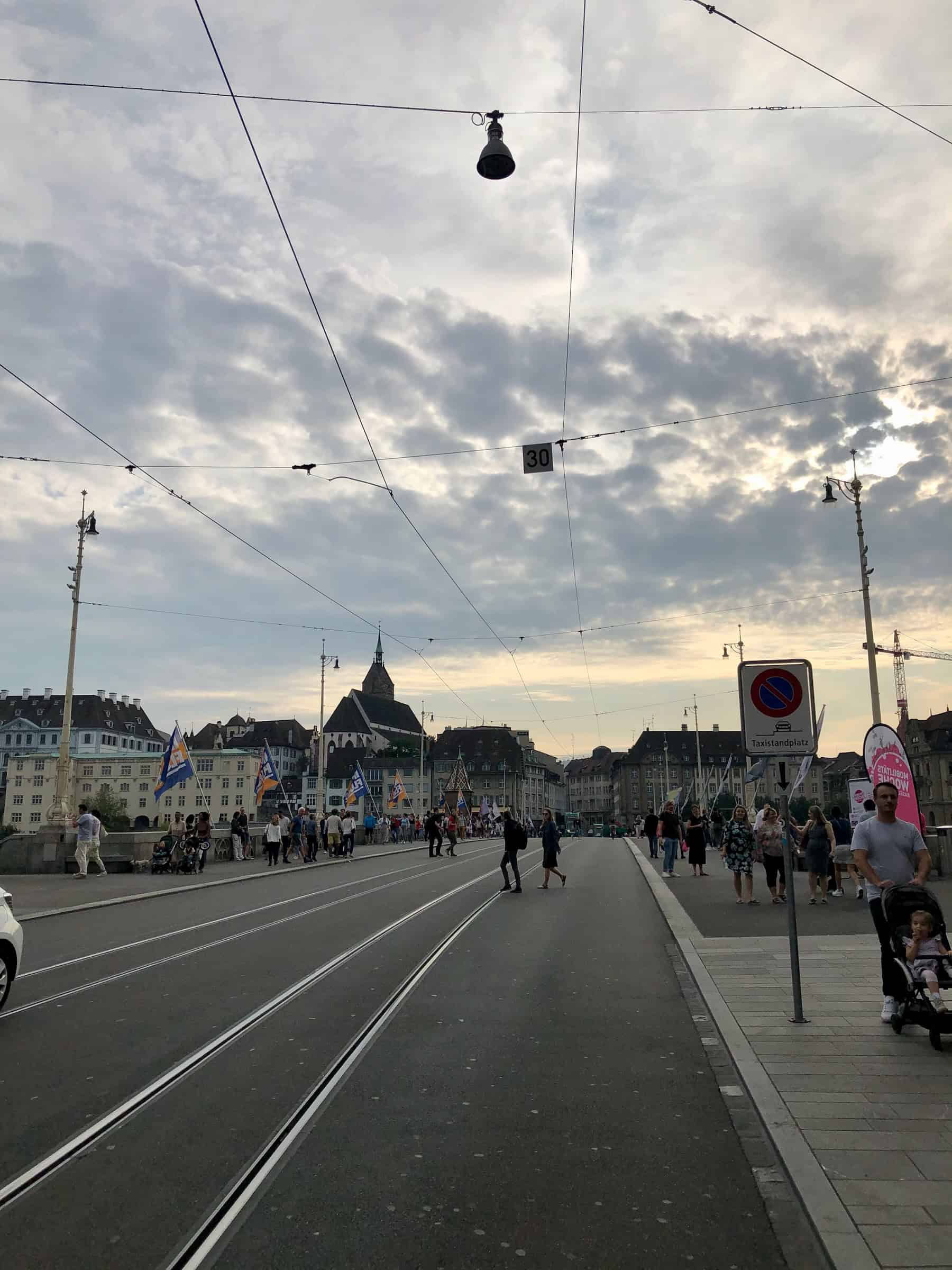
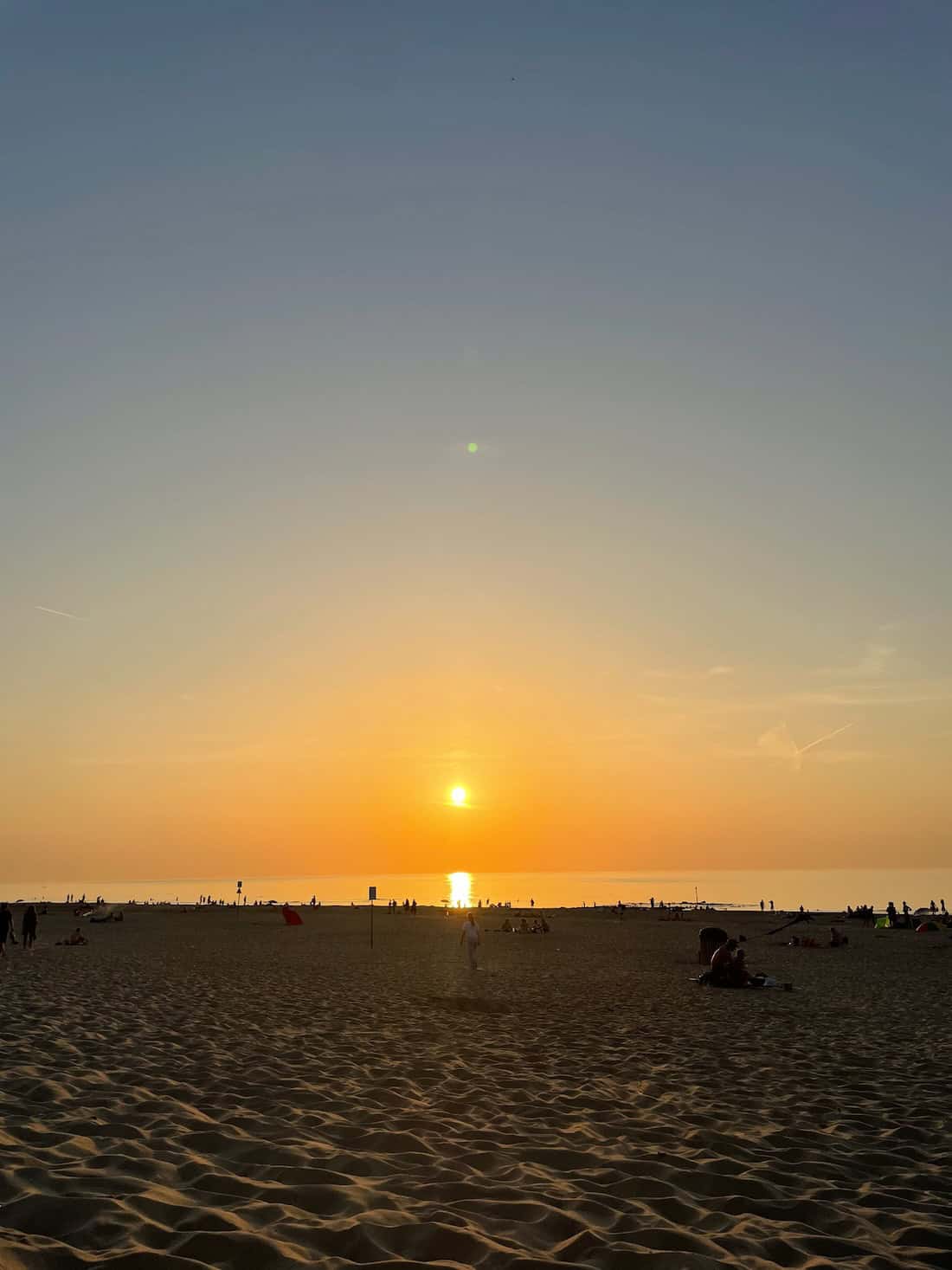
- 20°C+ temperatures in most places at the beginning of the month
- Warm seas
- Less crowded mountains and cities
- Cheaper accommodations
Best for: City trips across Northern Europe with smaller crowds + late summer beach and mountain adventures across Europe.
🍁 October – Autumn Colours
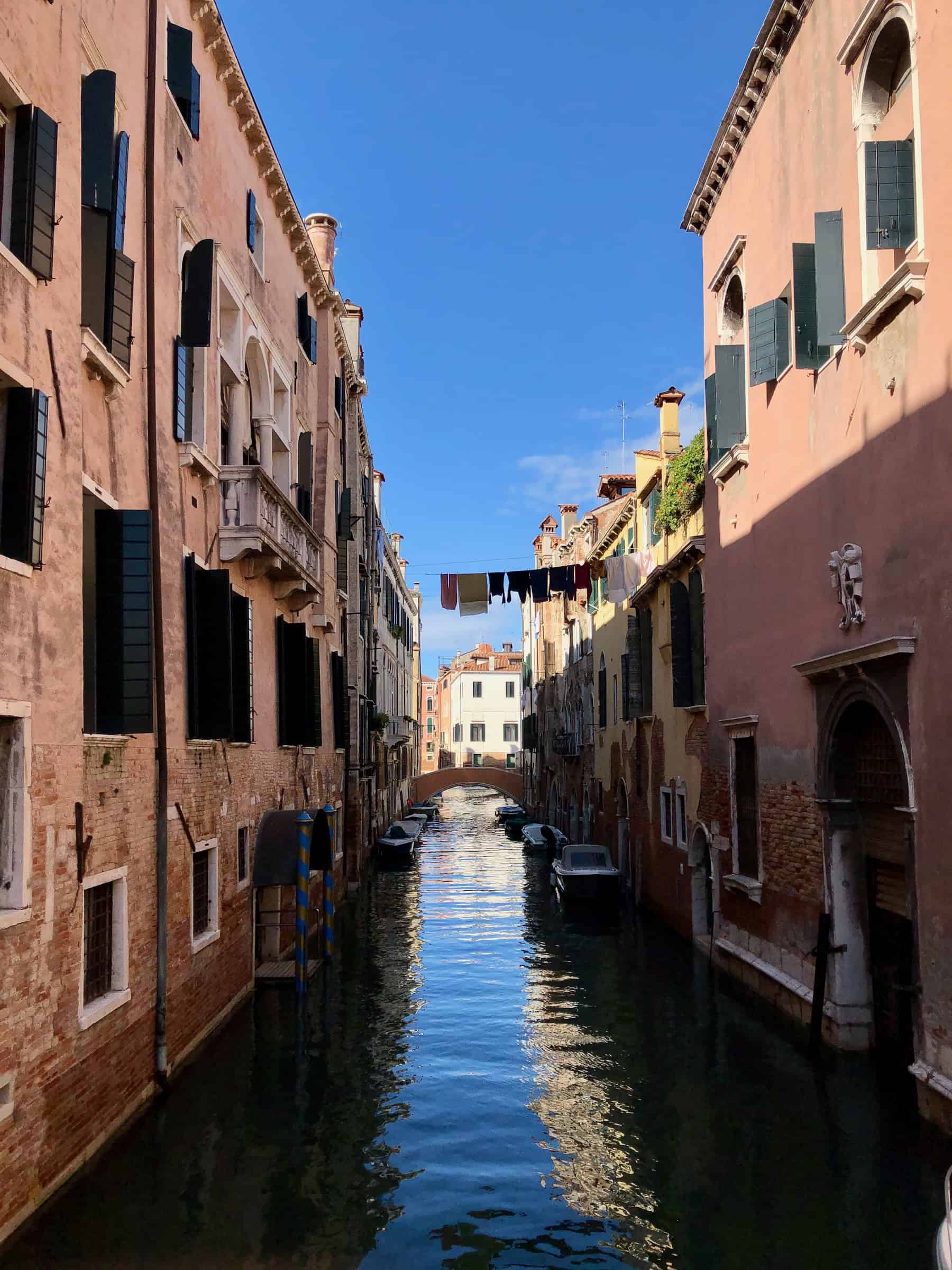
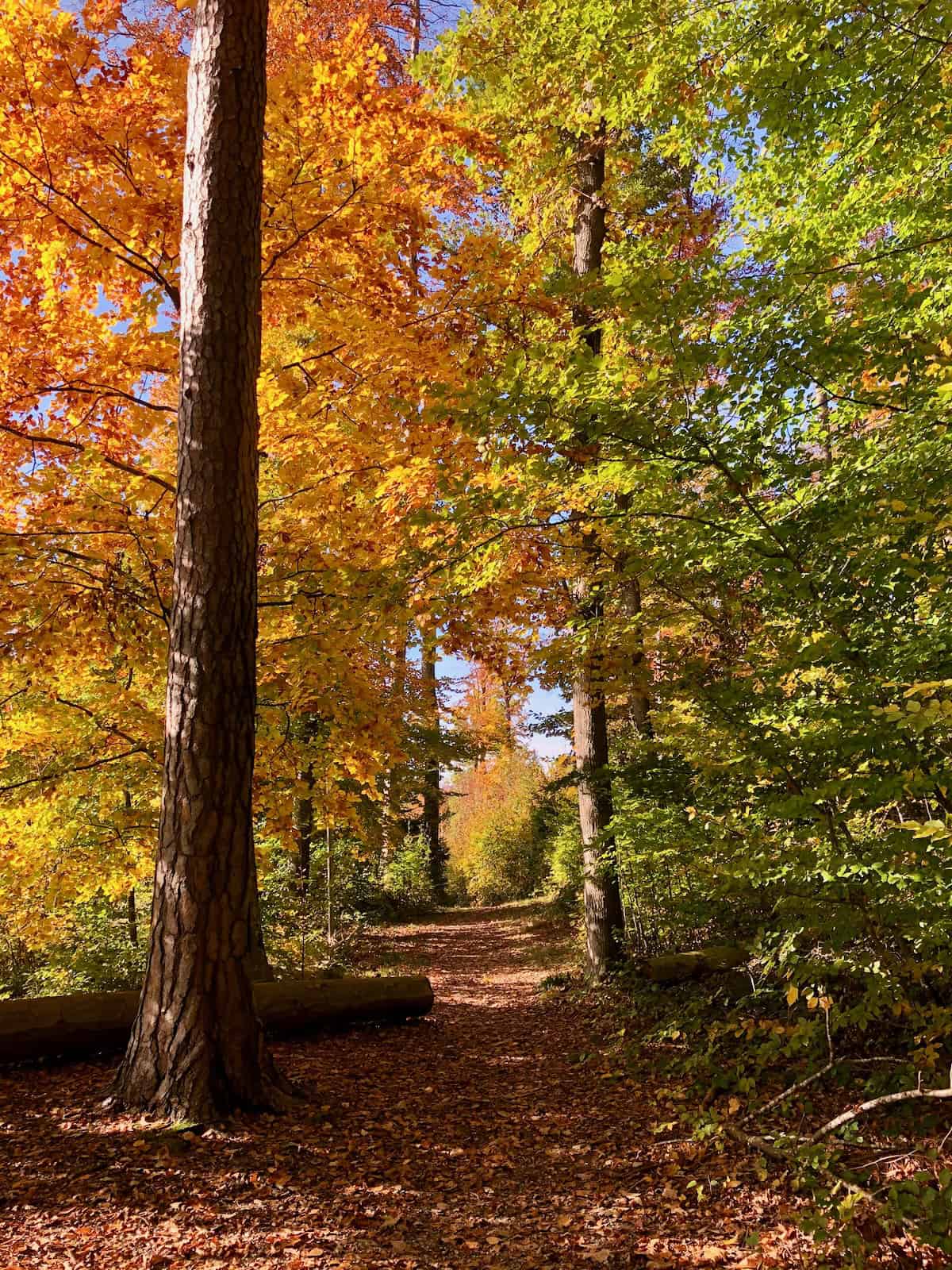
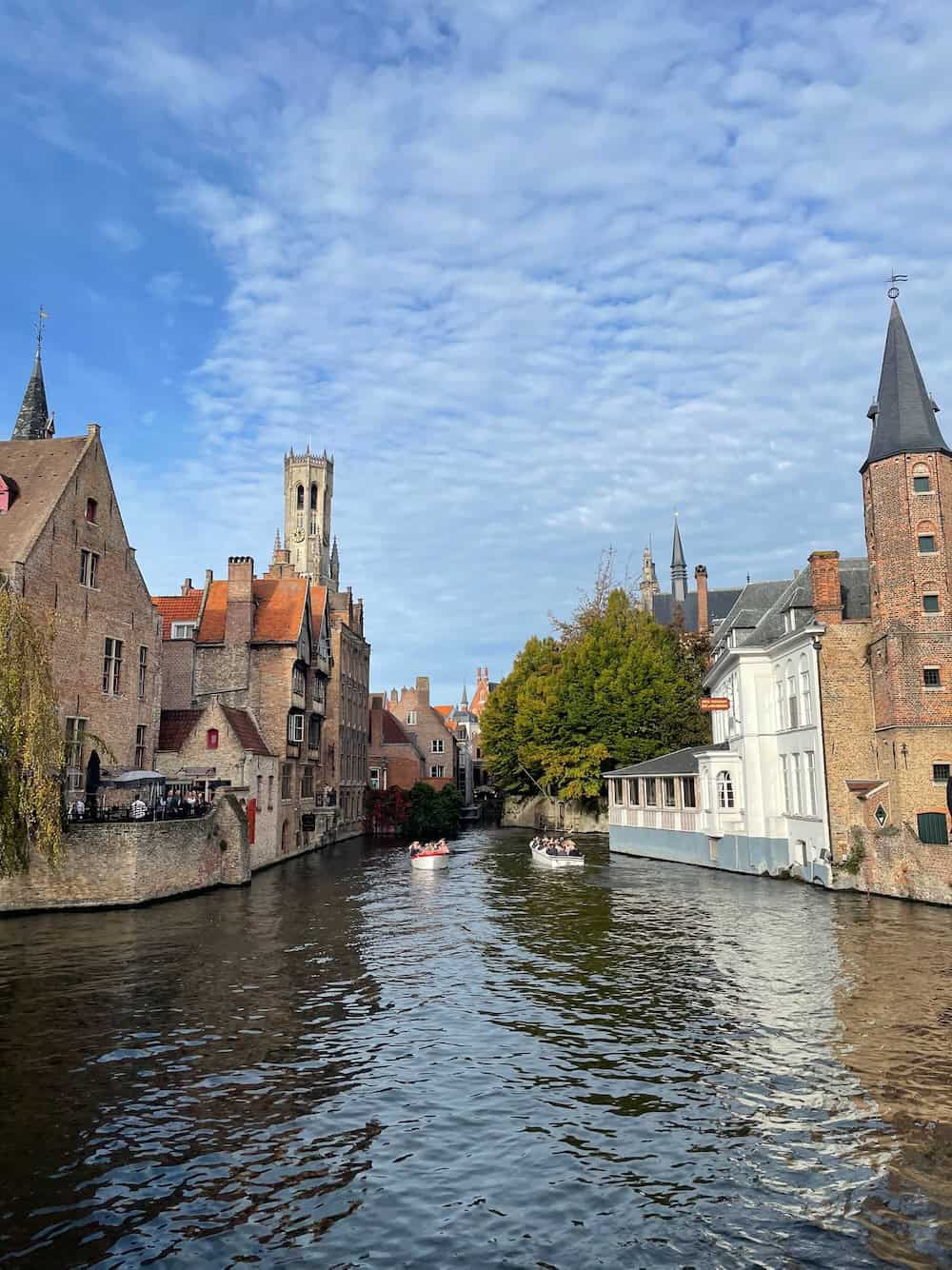

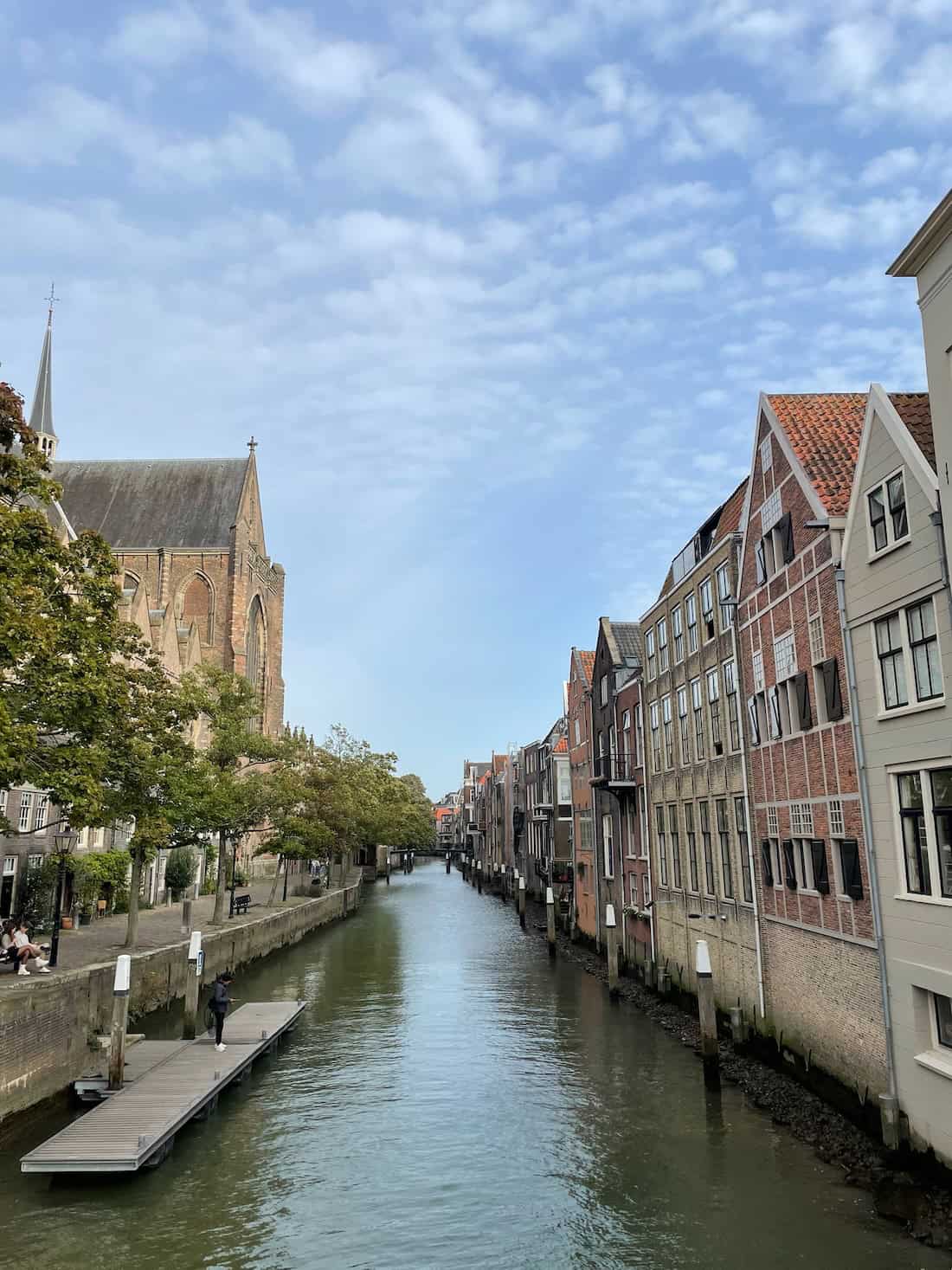
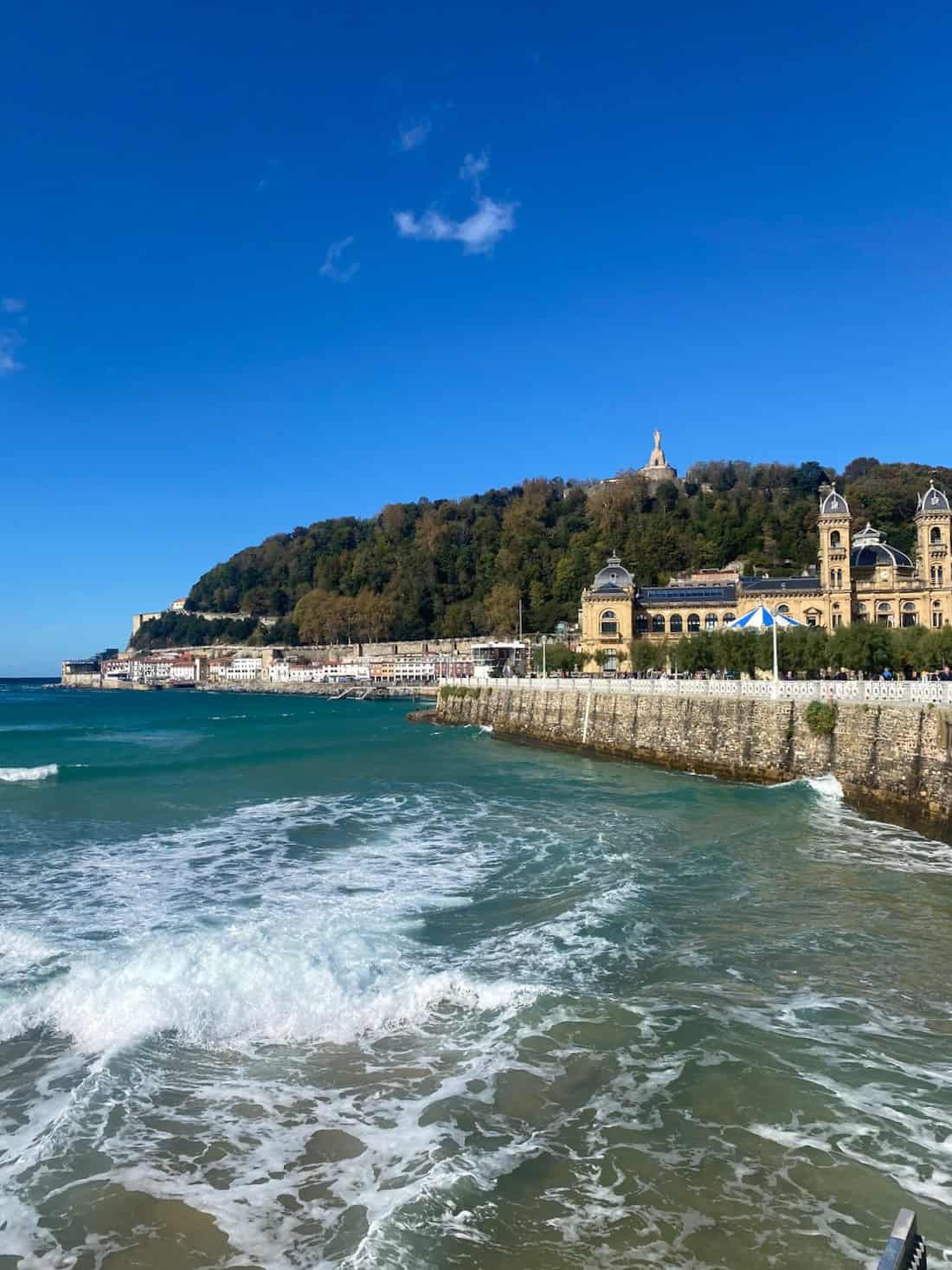
- Averages of around 10-20°C
- Fewer crowds in cities
- Cheaper prices – especially for accommodation and flights
Best for: Cultural city and countryside trips in Central and Northern Europe to enjoy the quieter cities and autumn foliage.
🍂🎄 November / December – Last Autumn Leaves and Christmas Markets
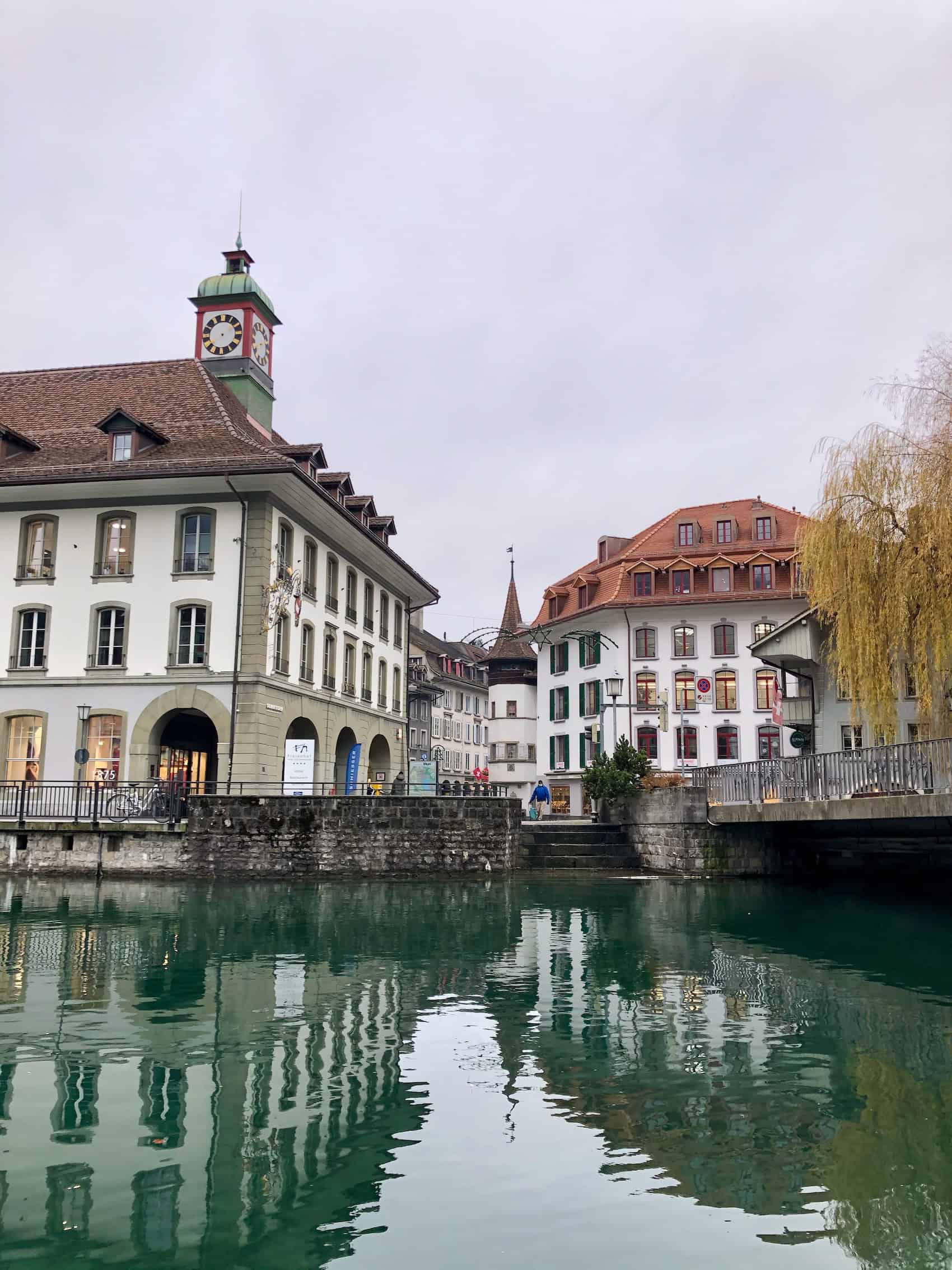

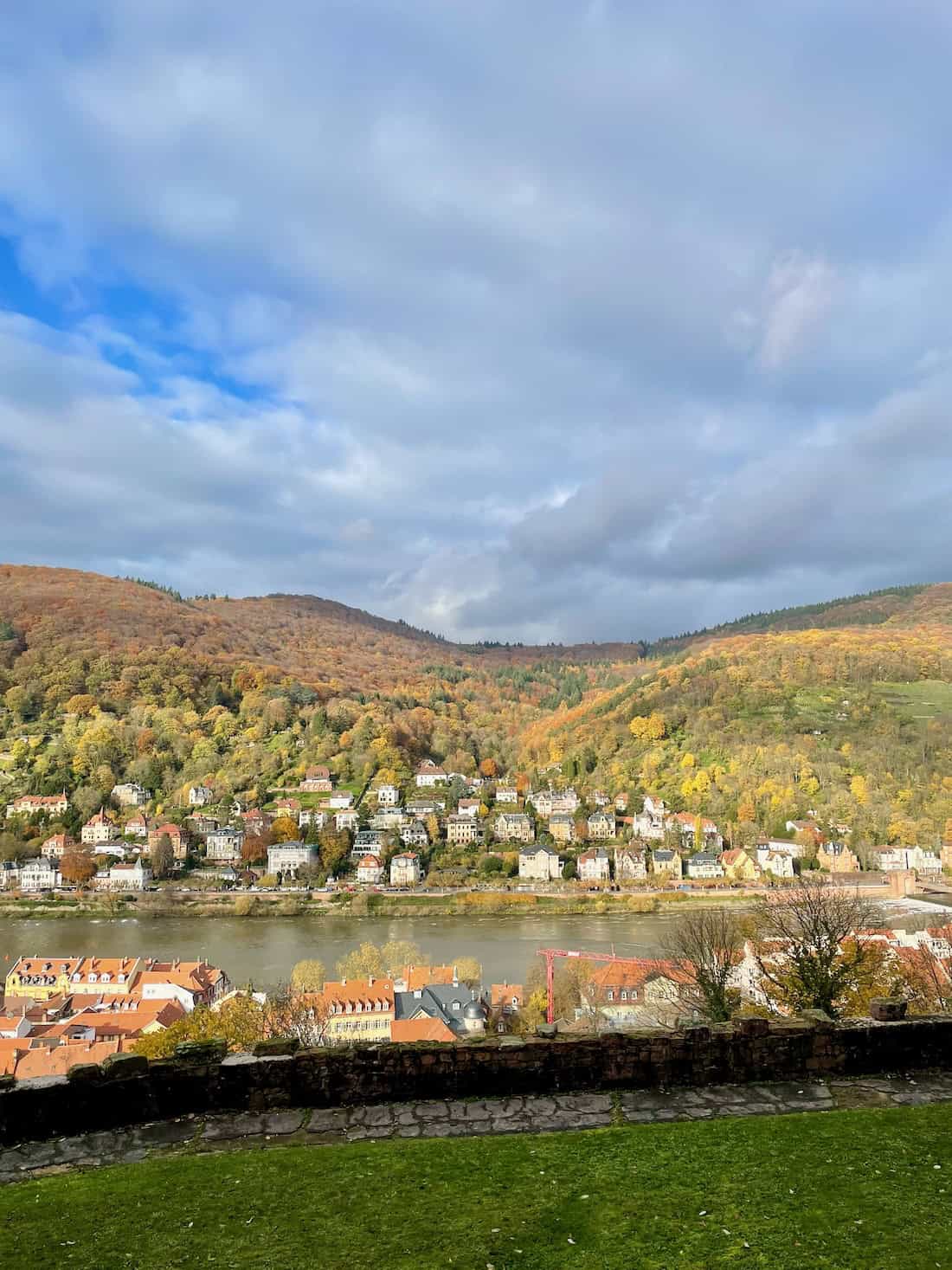
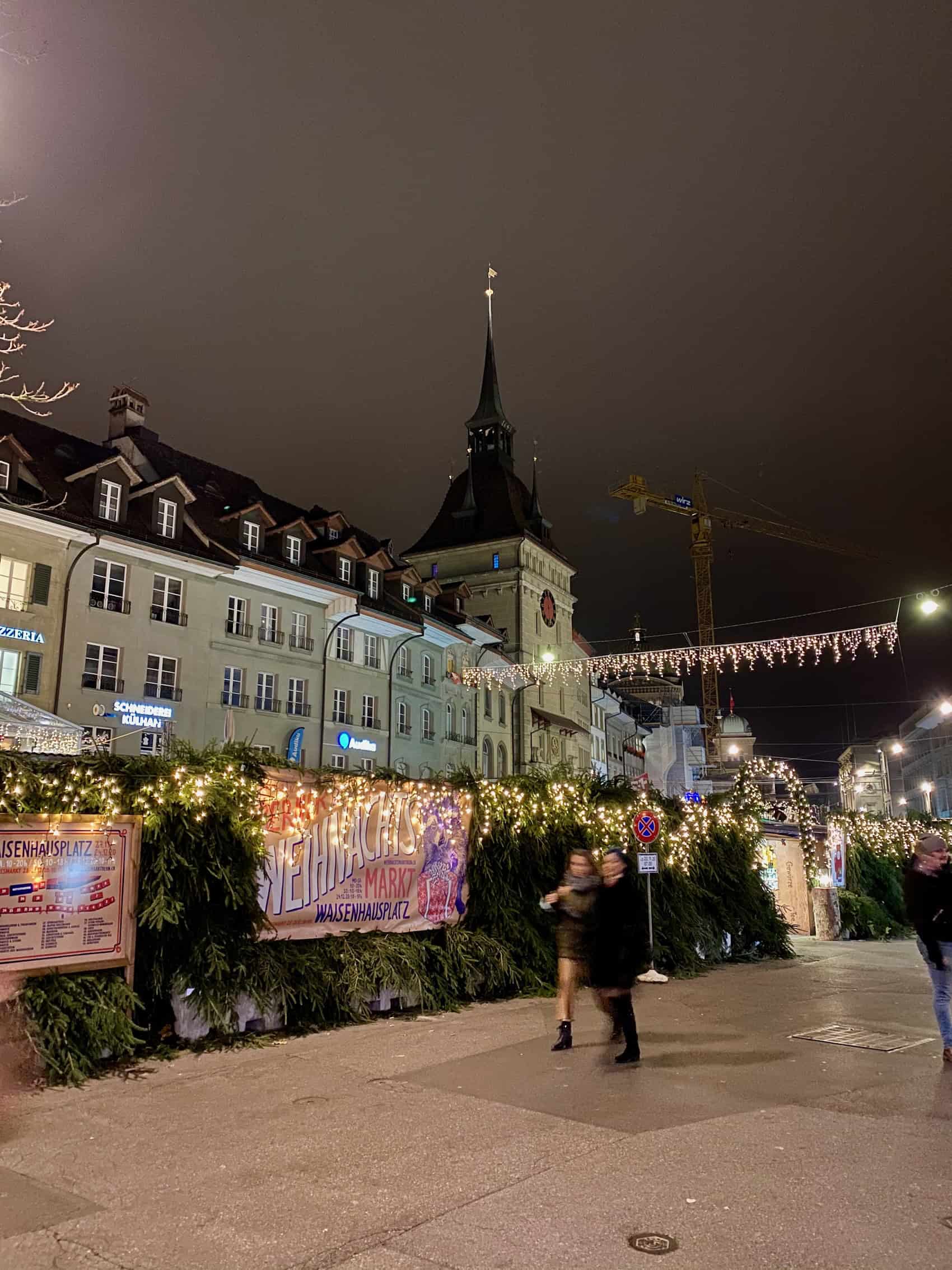
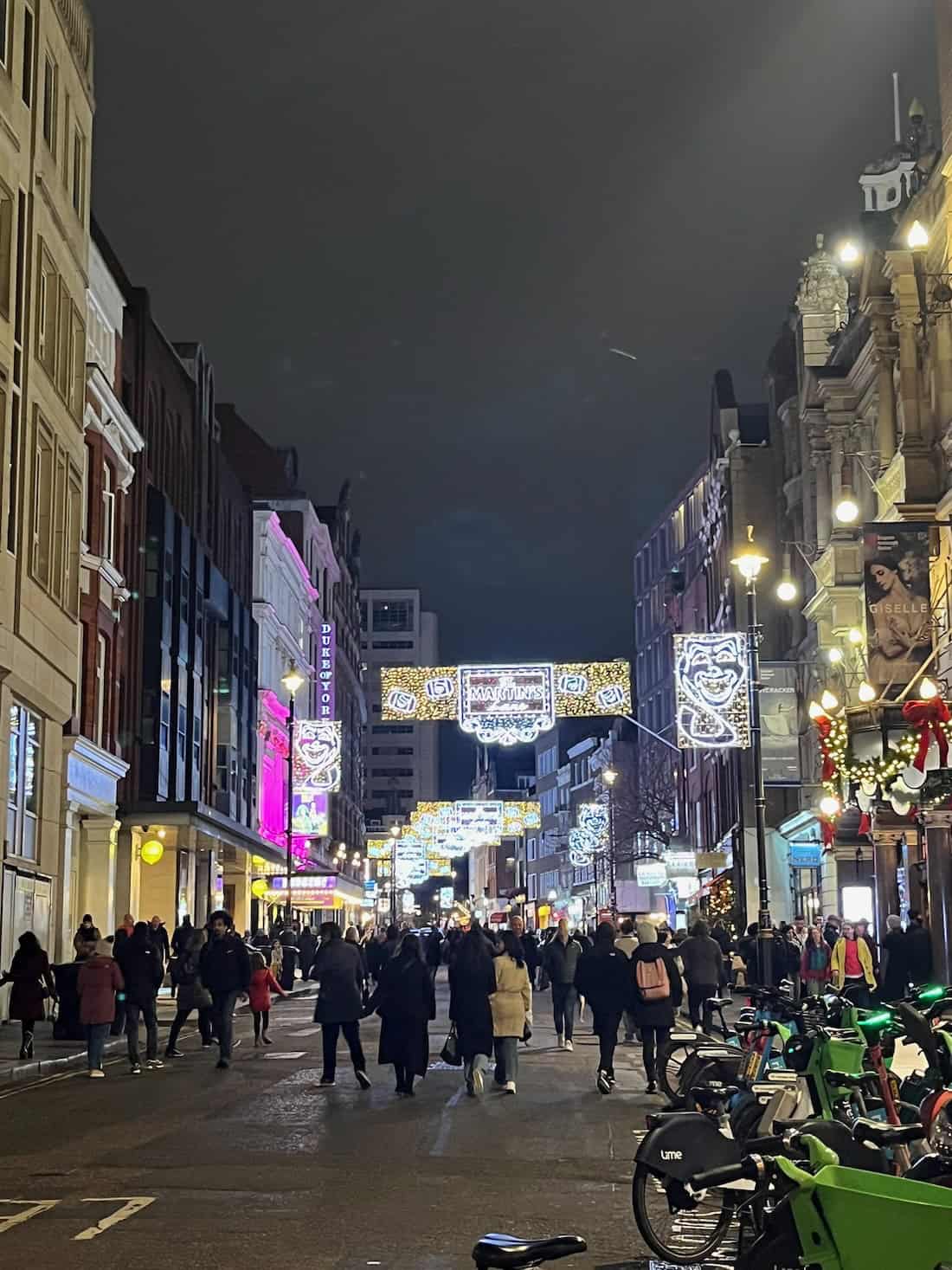
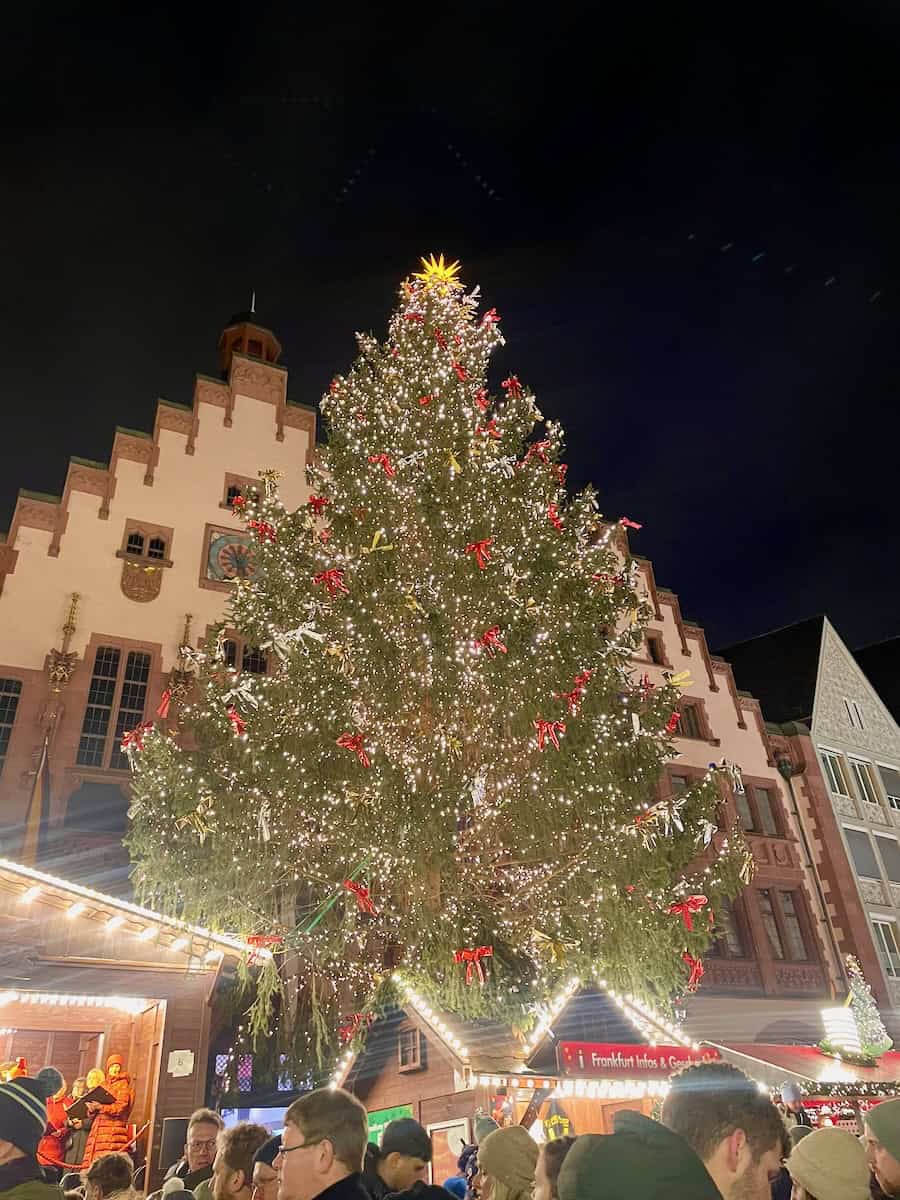
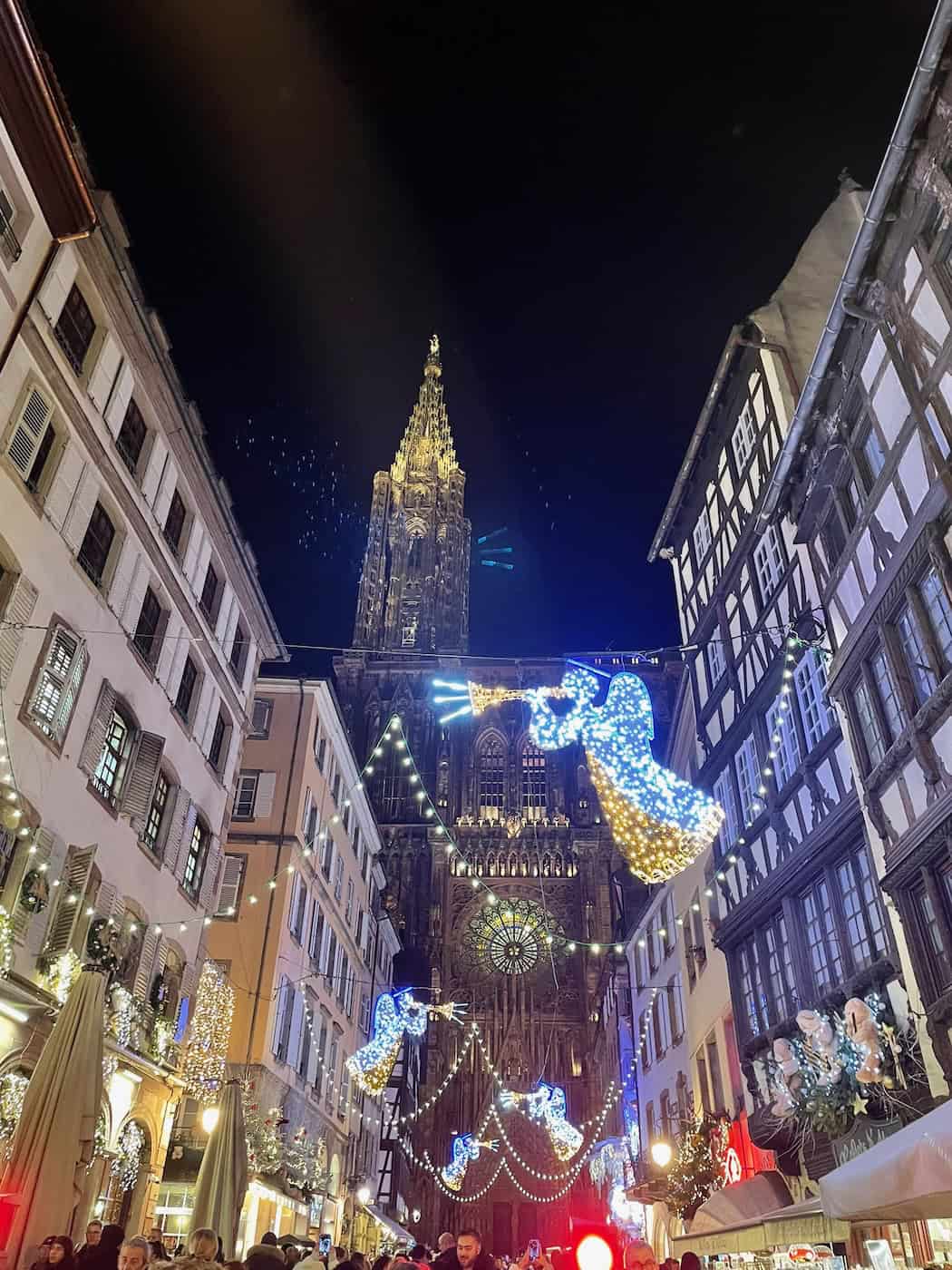
- Cold + short days
- Becoming wet and grey
- Autumn foliage at the start of November
- World-famous Christmas Markets all over Europe in December
Best for: Last of the autumn leaves at the start of November and Christmas markets for all of December.
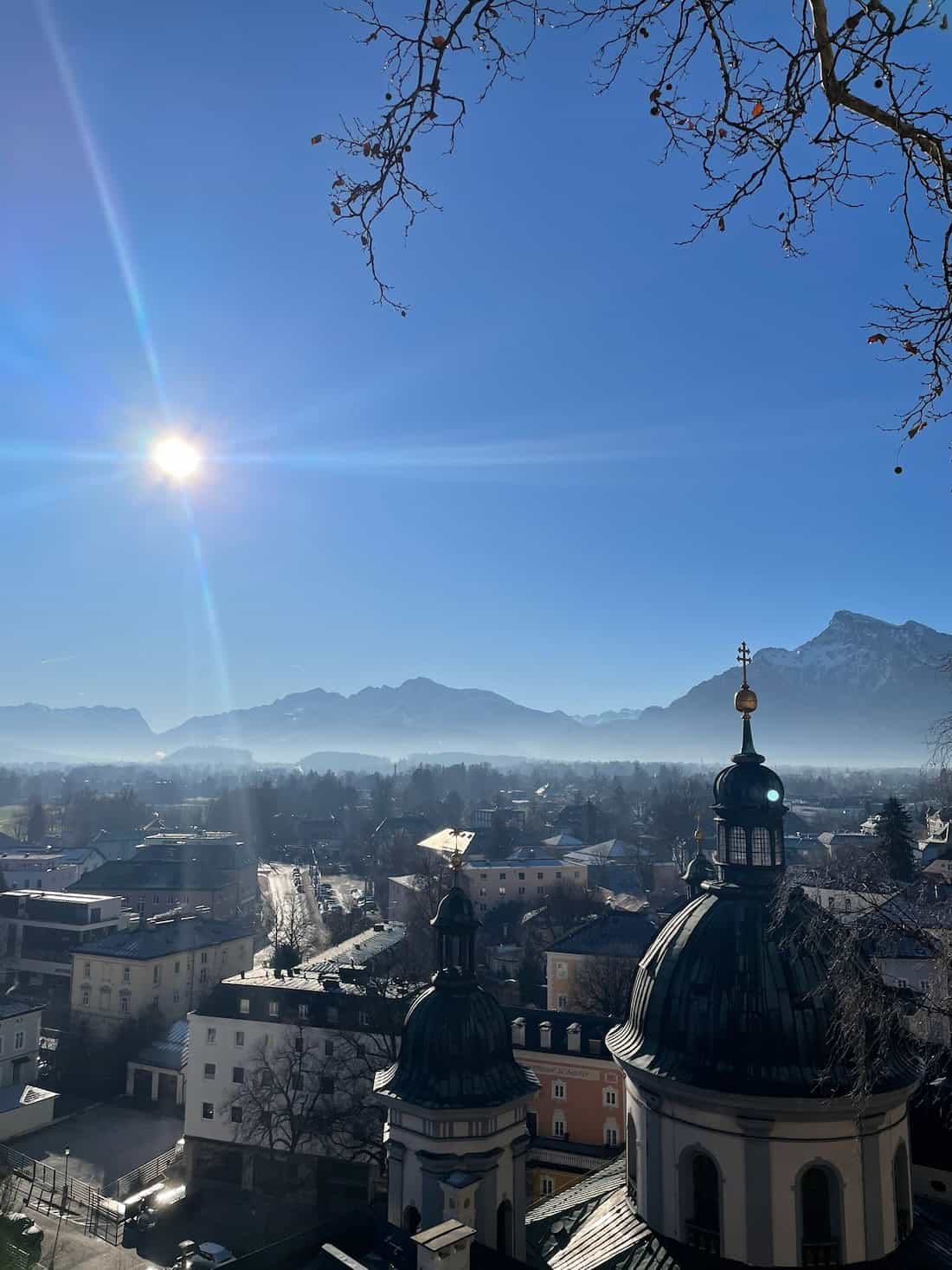
⛷️❄️ January / February – Snow Sports

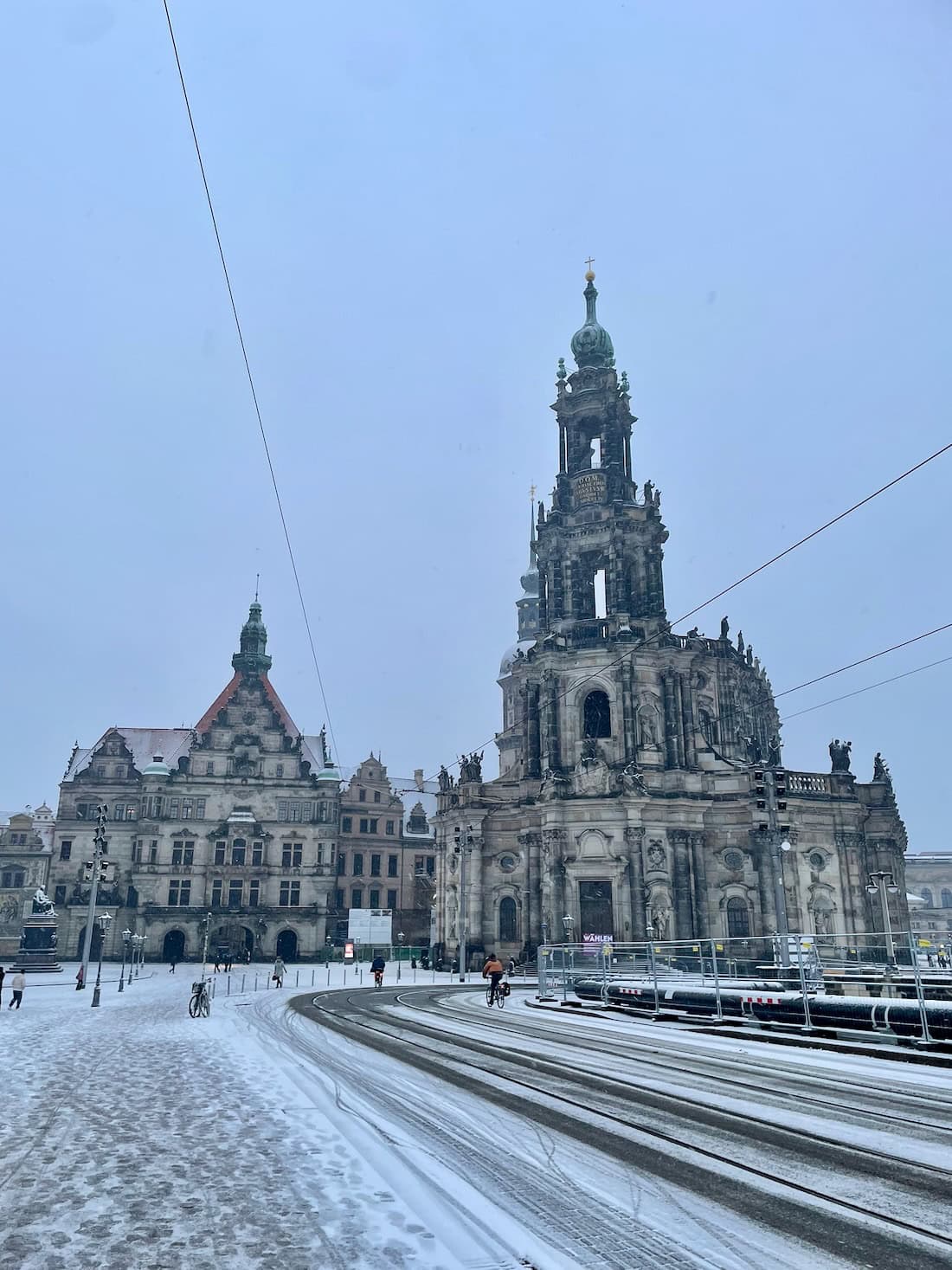
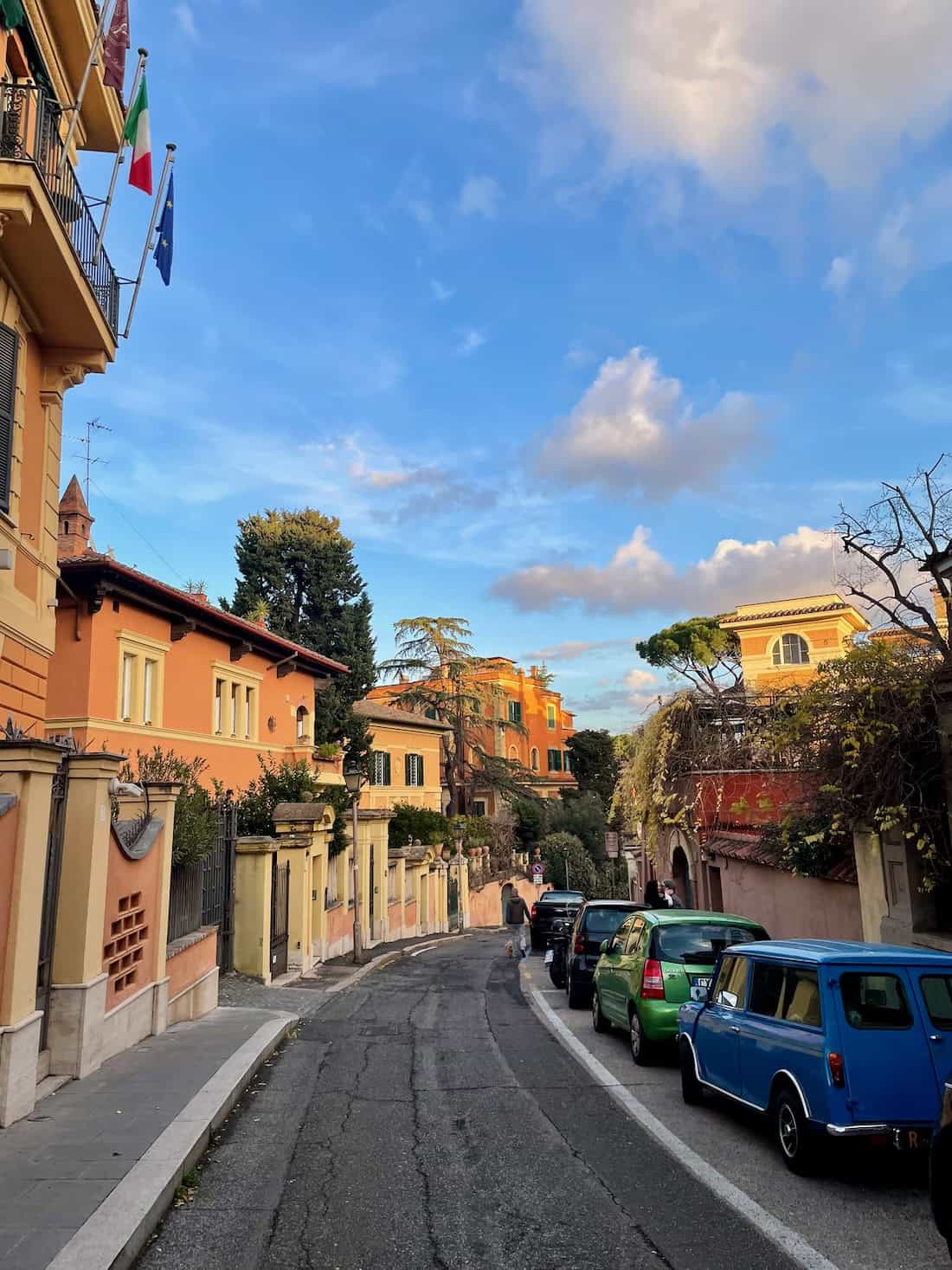
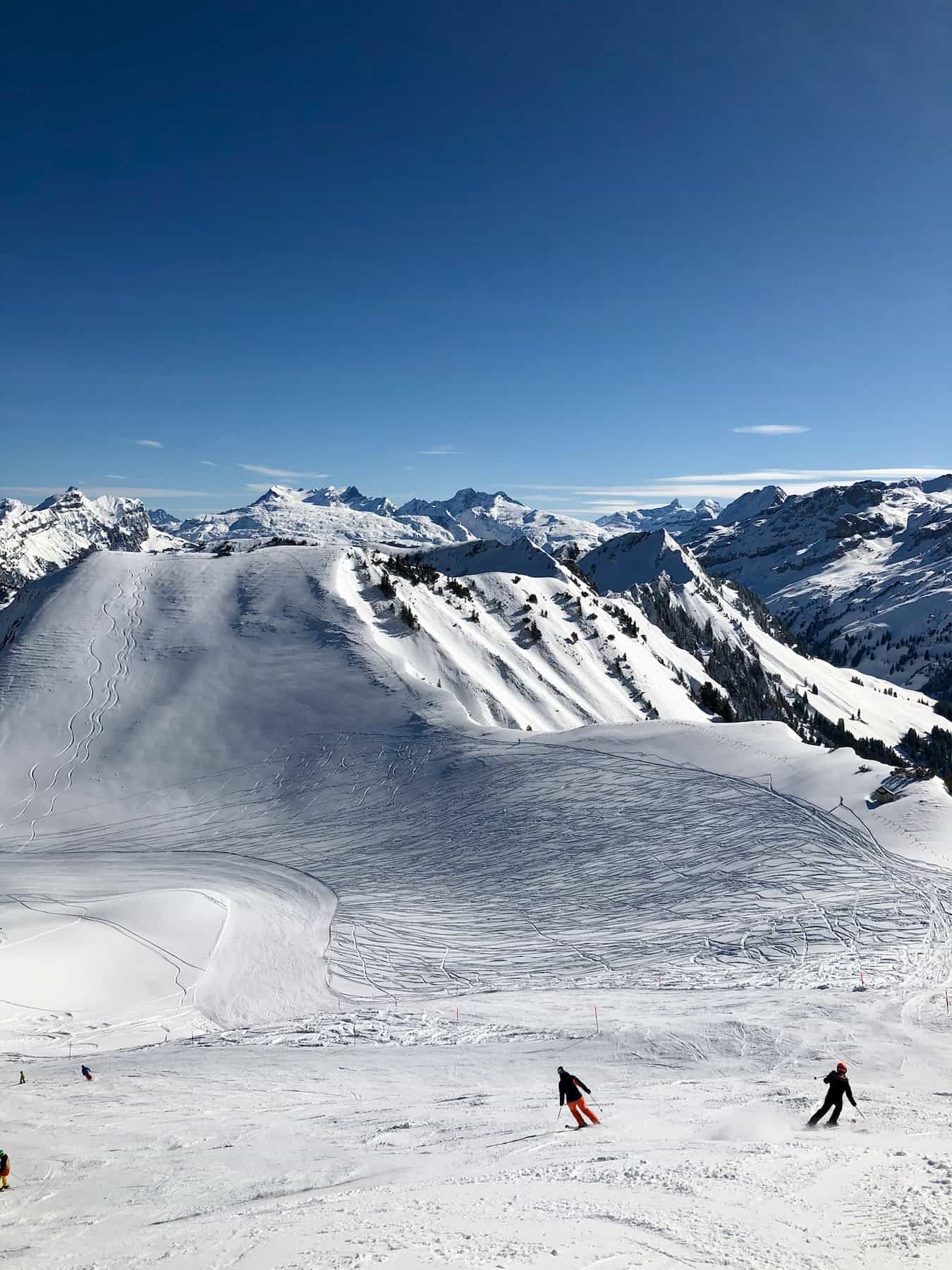
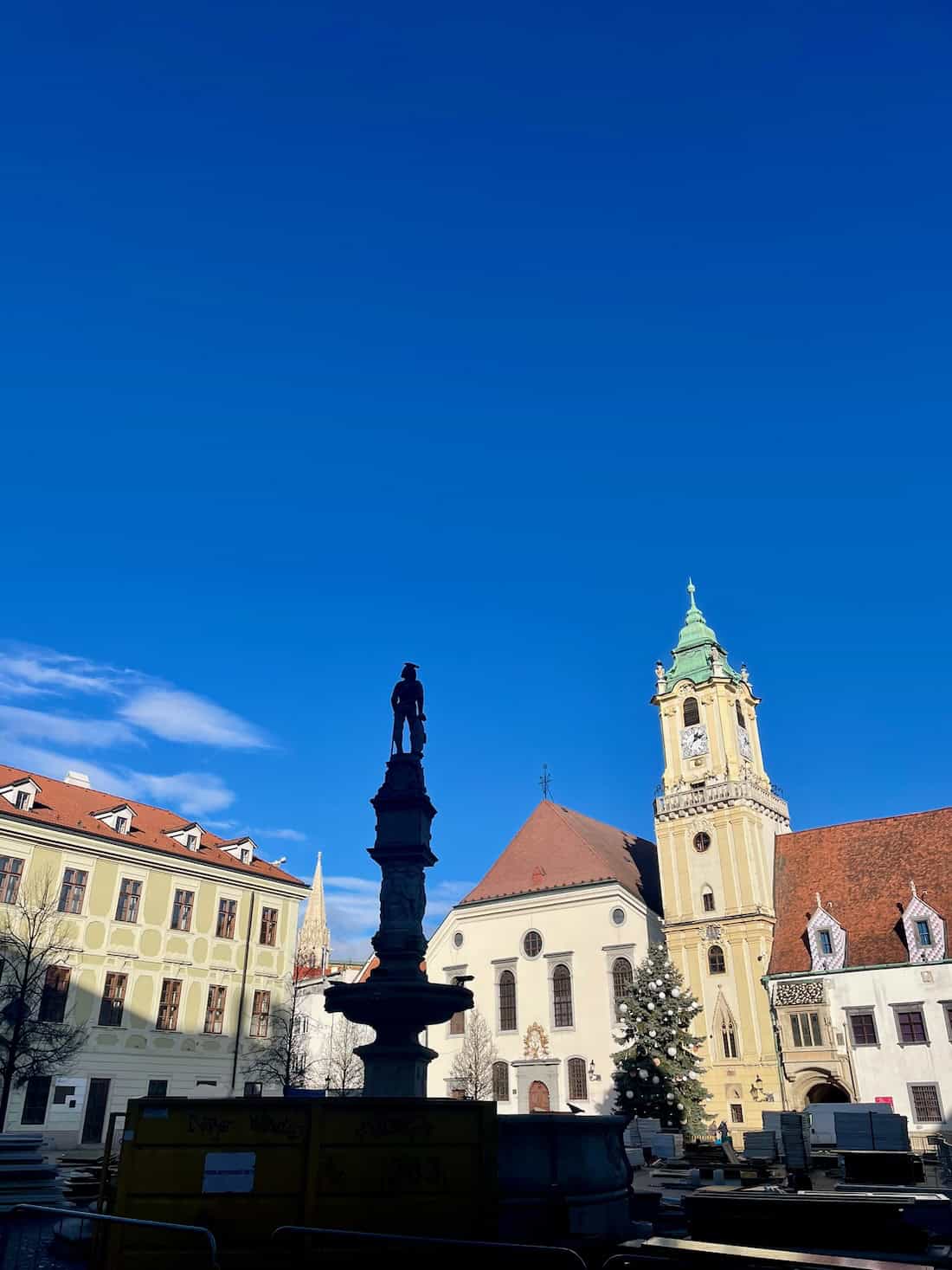
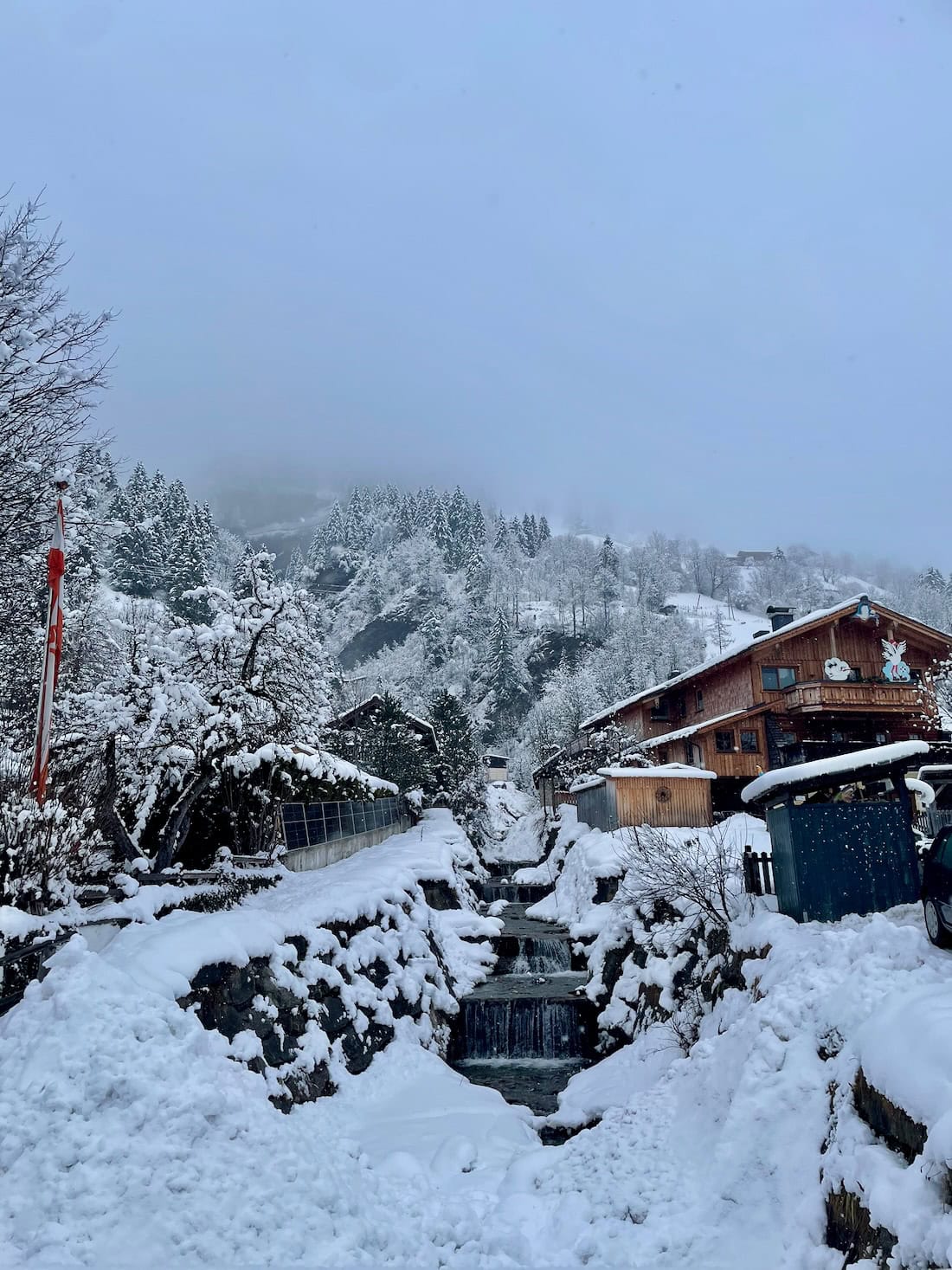
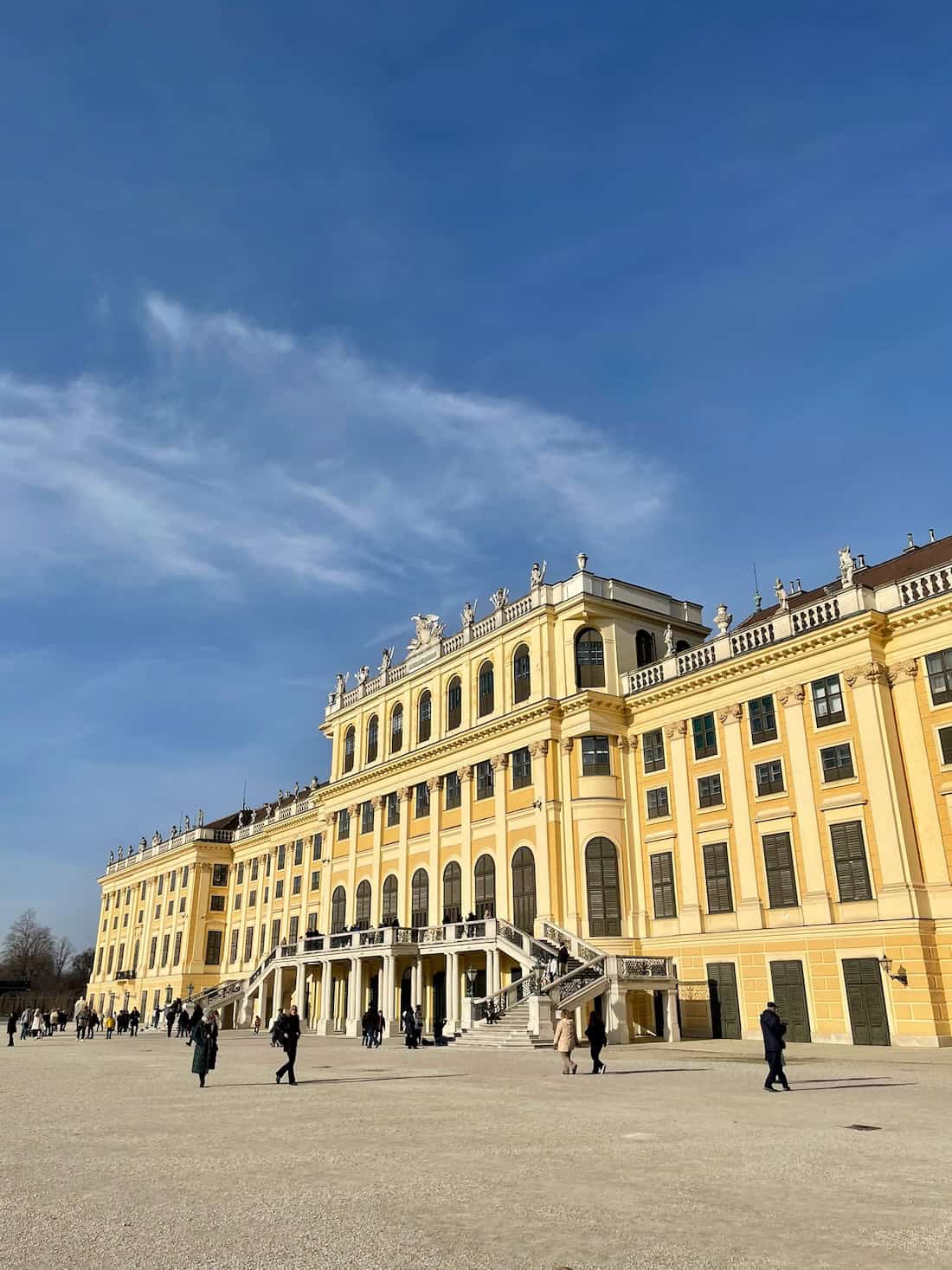
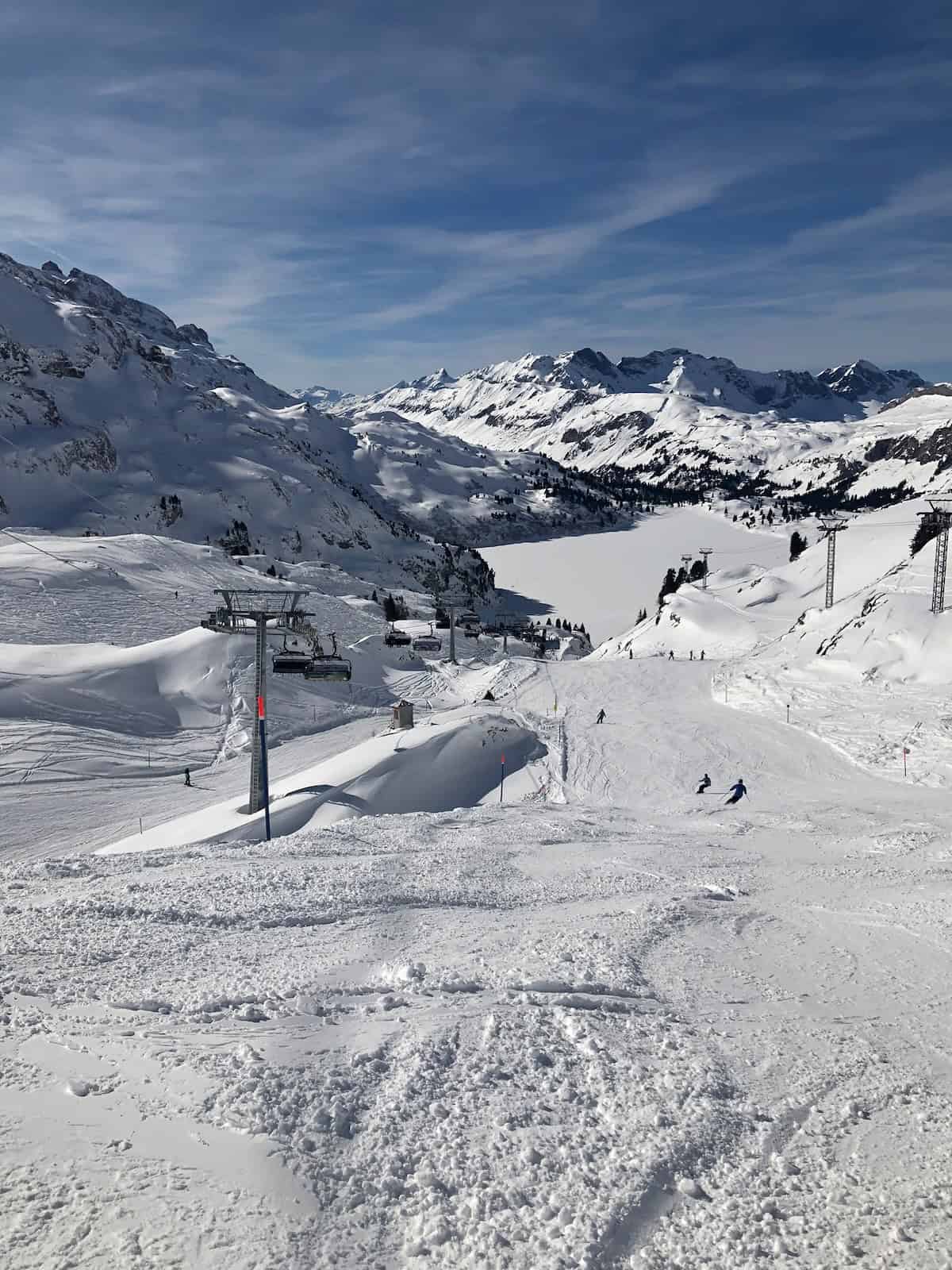
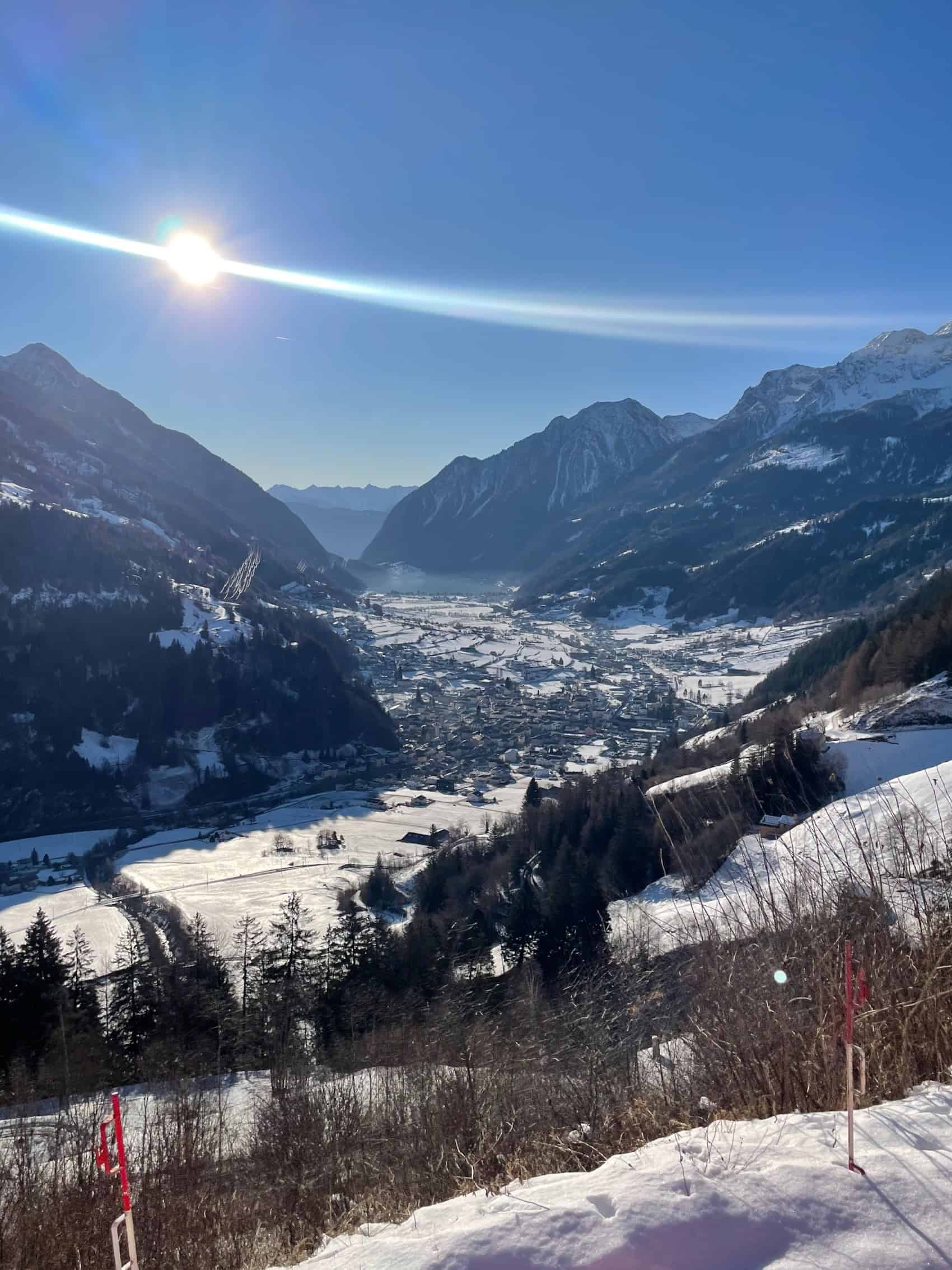

- Best time of the year for skiing in the alps across Europe
- Cold, grey and wet – especially in the cities
- Cheapest time to go
- Fewest crowds
Best for: Budget travel across Europe + visiting the Alps and mountains for winter sports. If you’re wondering when the cheapest time to visit Europe is, January and February are your answer.
🌼 March / April – Spring in Full Swing
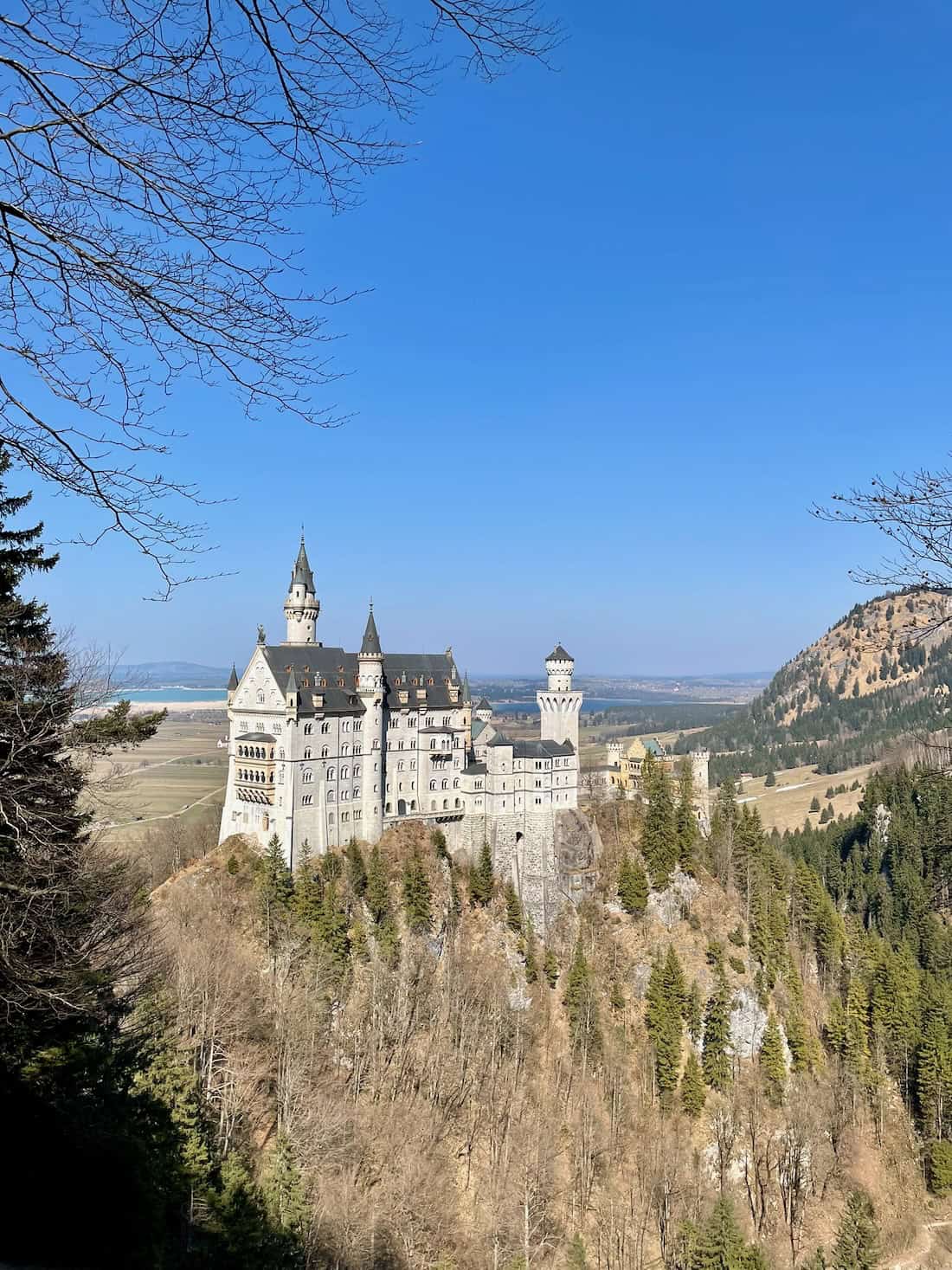
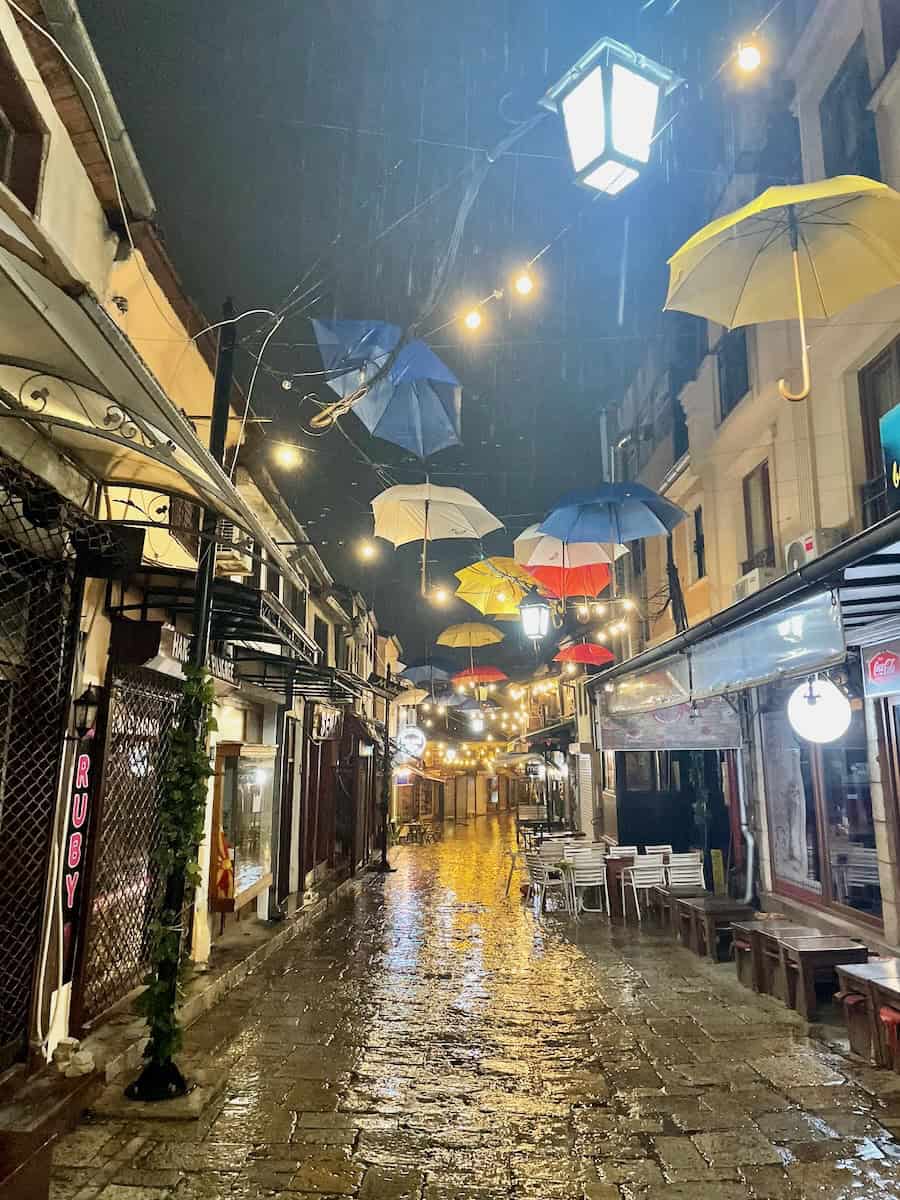

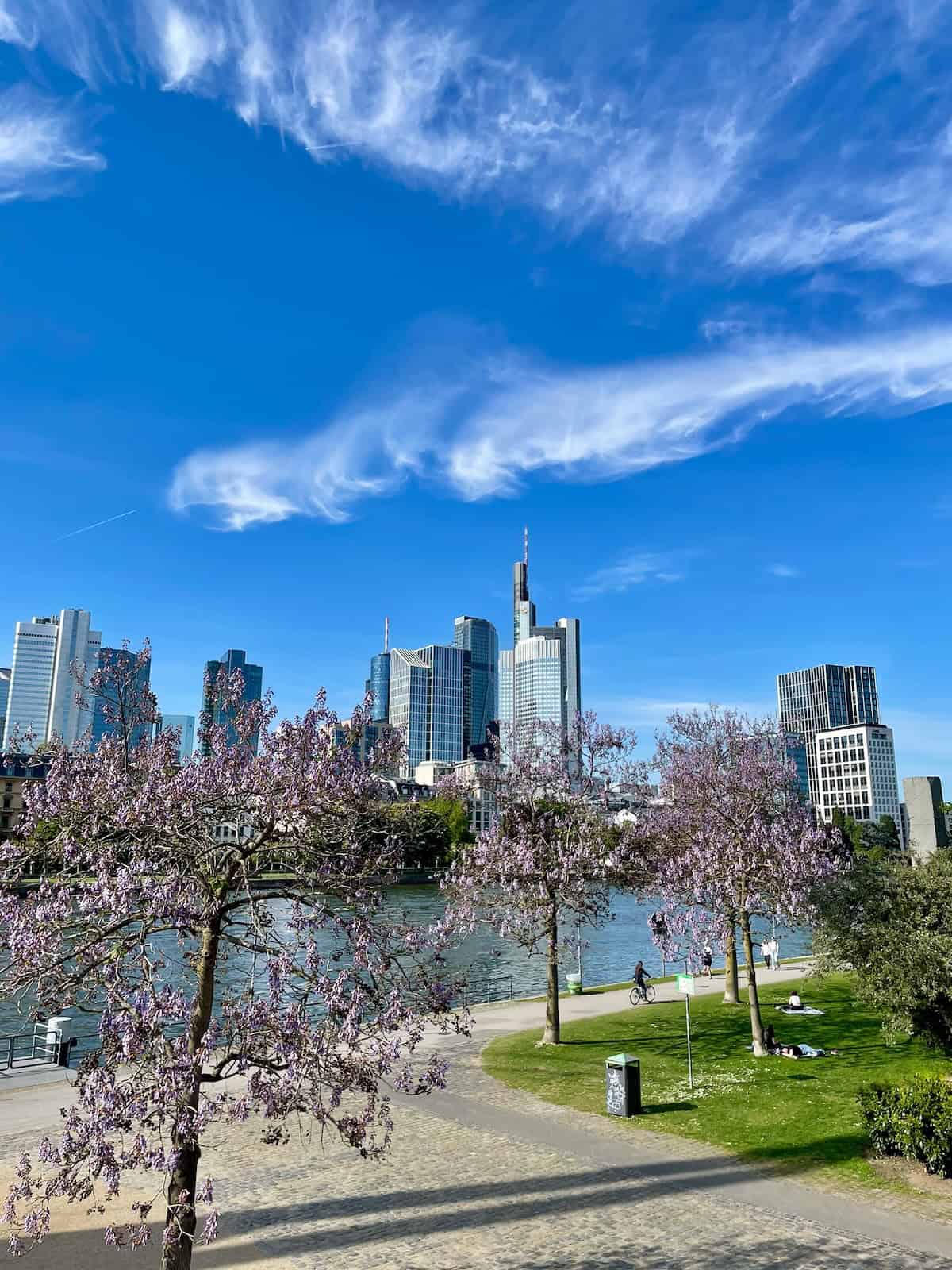
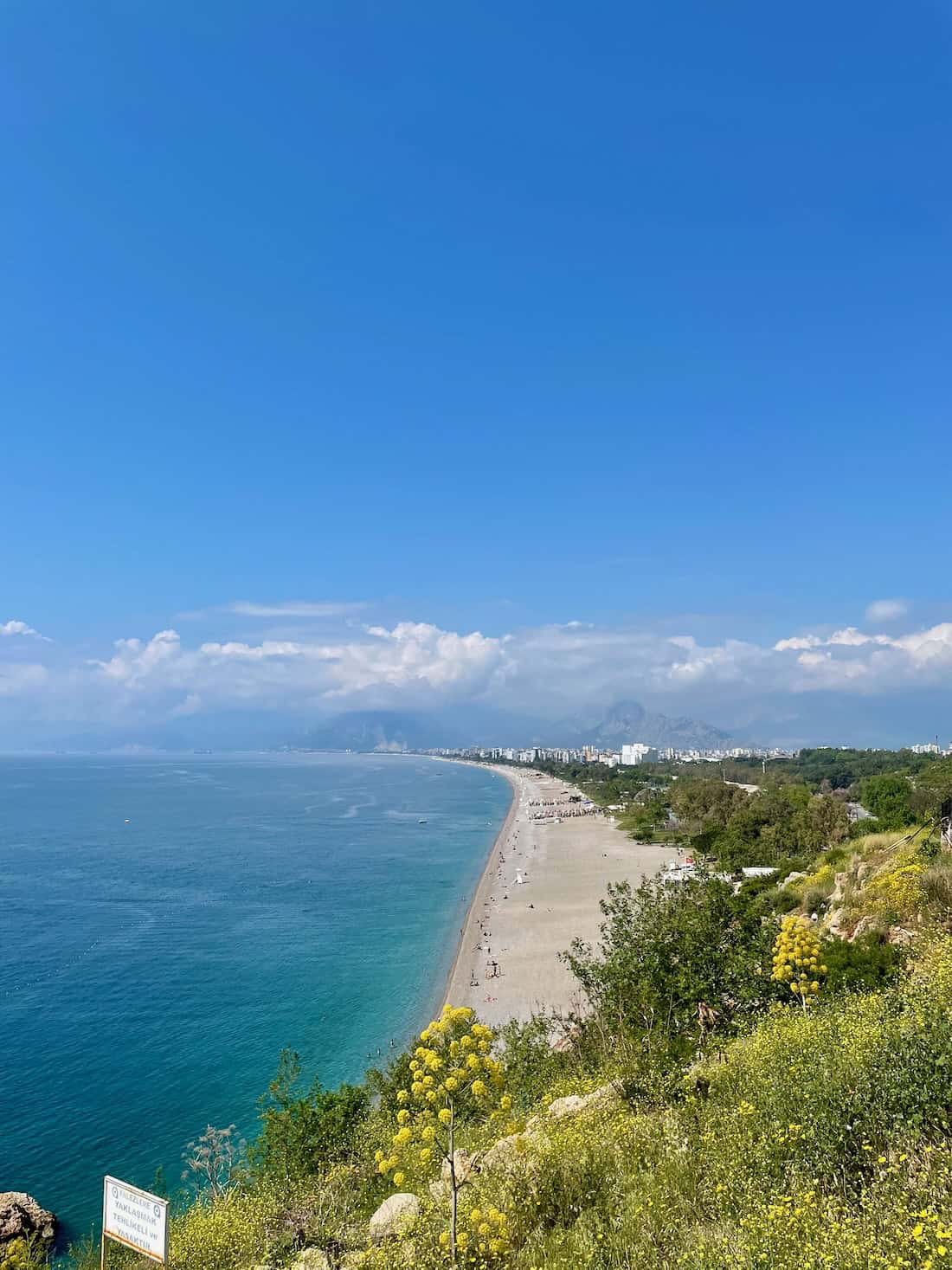
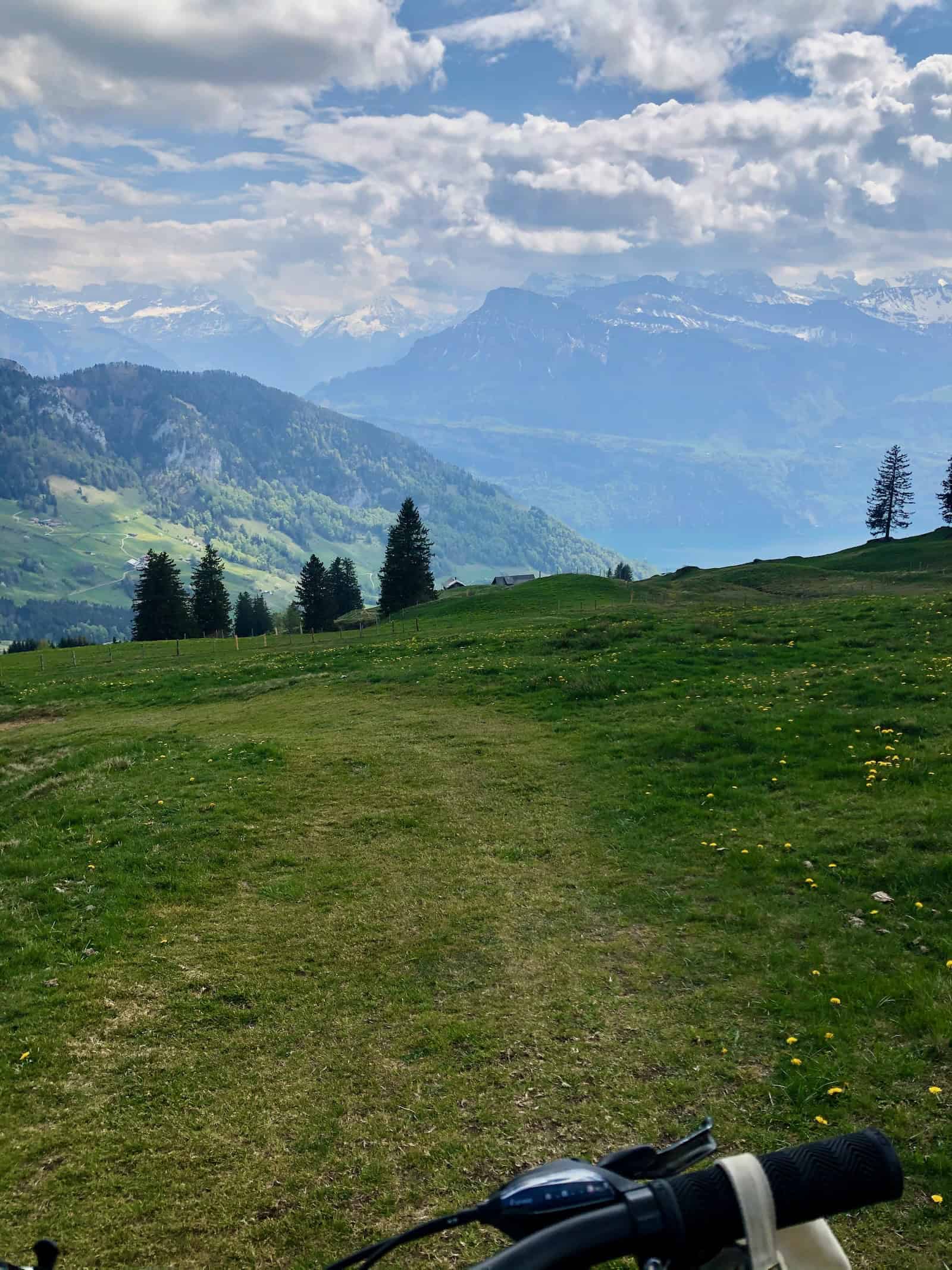
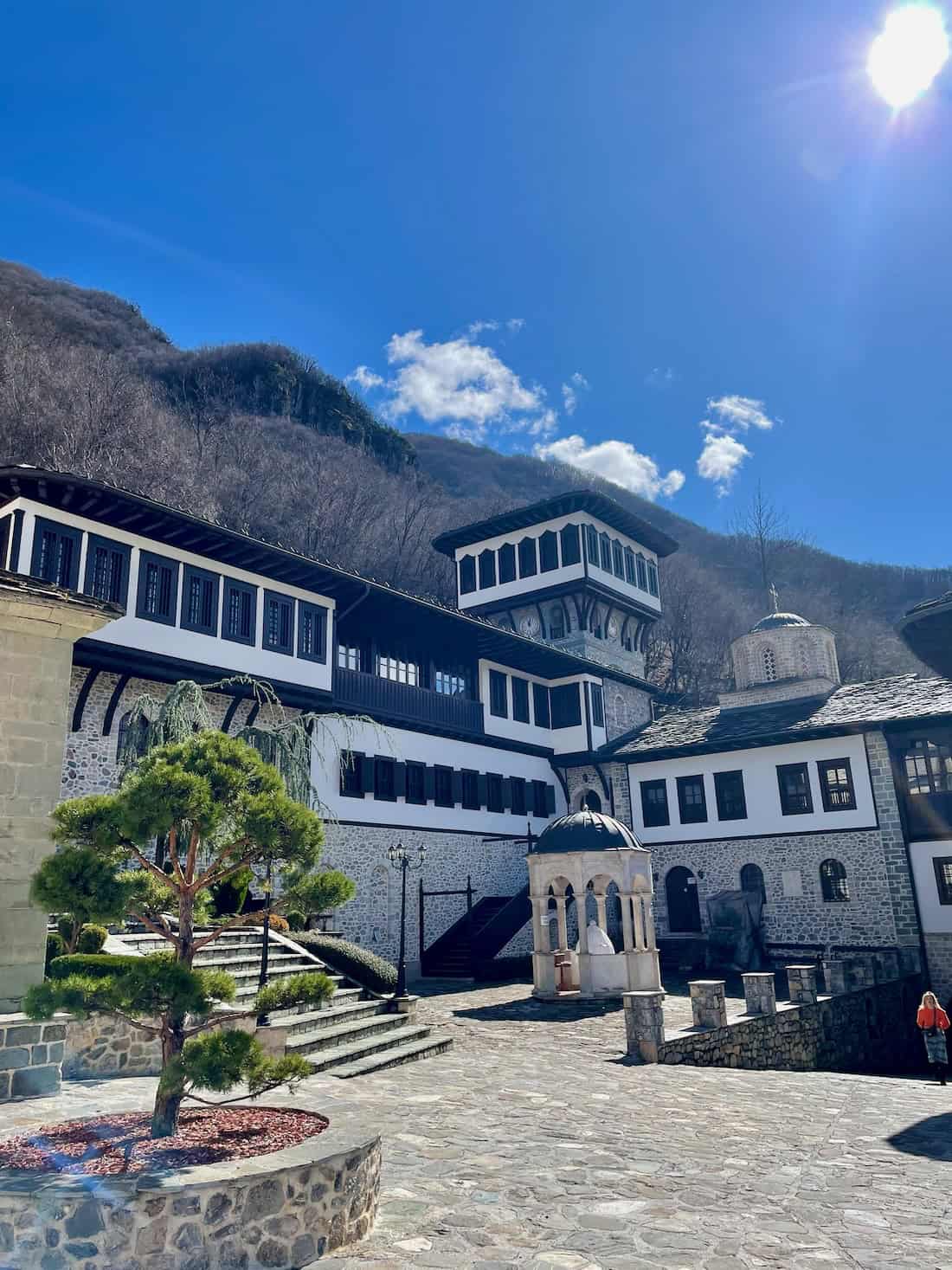

- First half of March feels like January/February
- Weather improves drastically from mid-March into April
- Trees turn green, flowers bloom, and the mood in the cities lifts
- Slightly pricier than winter, but still significantly cheaper than summer.
Best for: Budget-conscious city trips to enjoy smaller crowds compared to summer and better weather than winter.
📍Where to Go (Quick Picks)
Northern Europe (UK, Nordics, Baltics etc.)
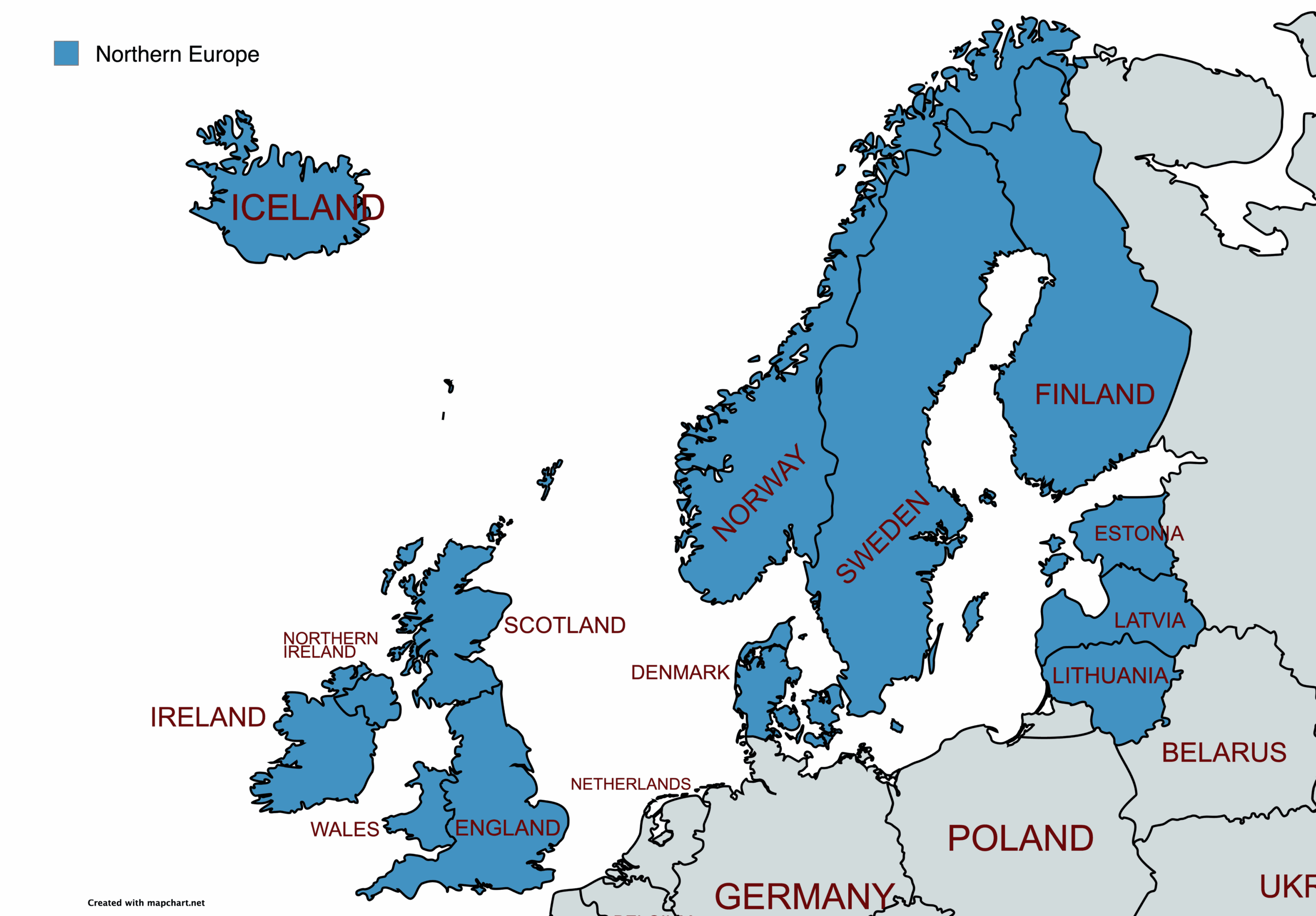
- Cooler temperatures
- Expensive compared to most other parts of Europe
- Stunning nature and modern cities
Best for:
- Fjords
- Nature
- Long summer days
- Escaping crowds
Western Europe (France, Germany, Switzerland etc.)
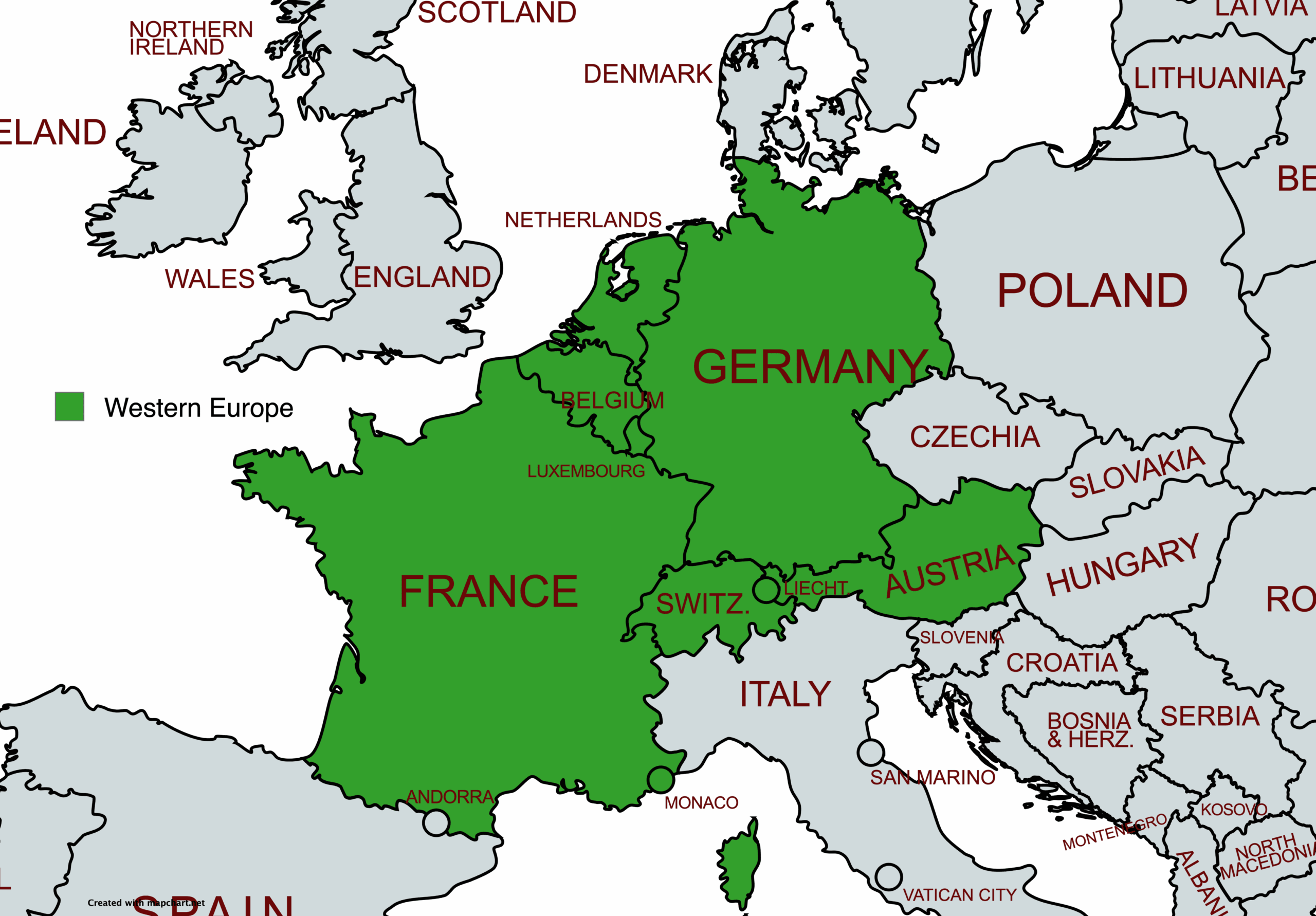
- Great all year – best enjoyed in the autumn or spring for the quieter crowds
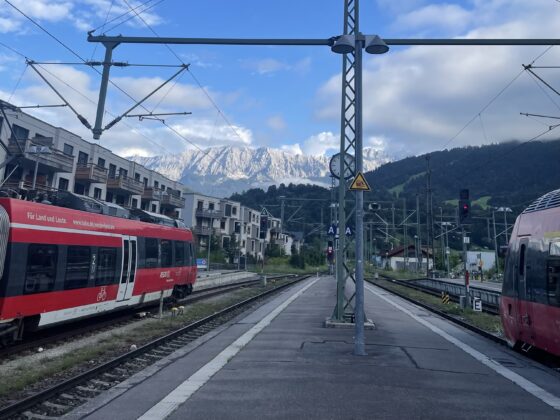
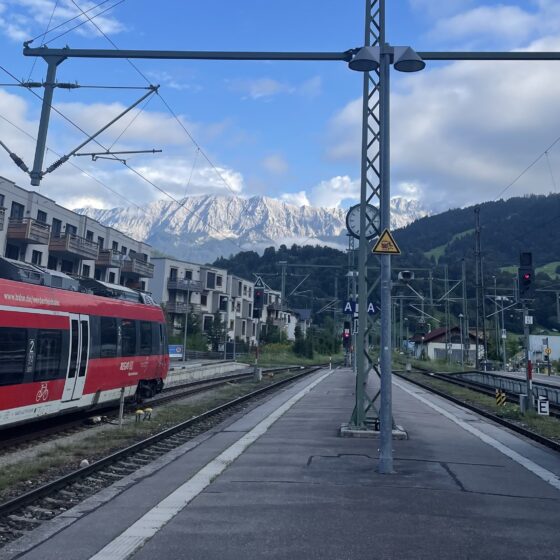
- Big cities + deep history and culture + beautiful alps and countrysides
- Best Christmas Markets in December
Best for:
- Culture
- Castles
- City trips
- Cute/historic countryside towns
Southern Europe (Iberia, Mediterranean etc.)
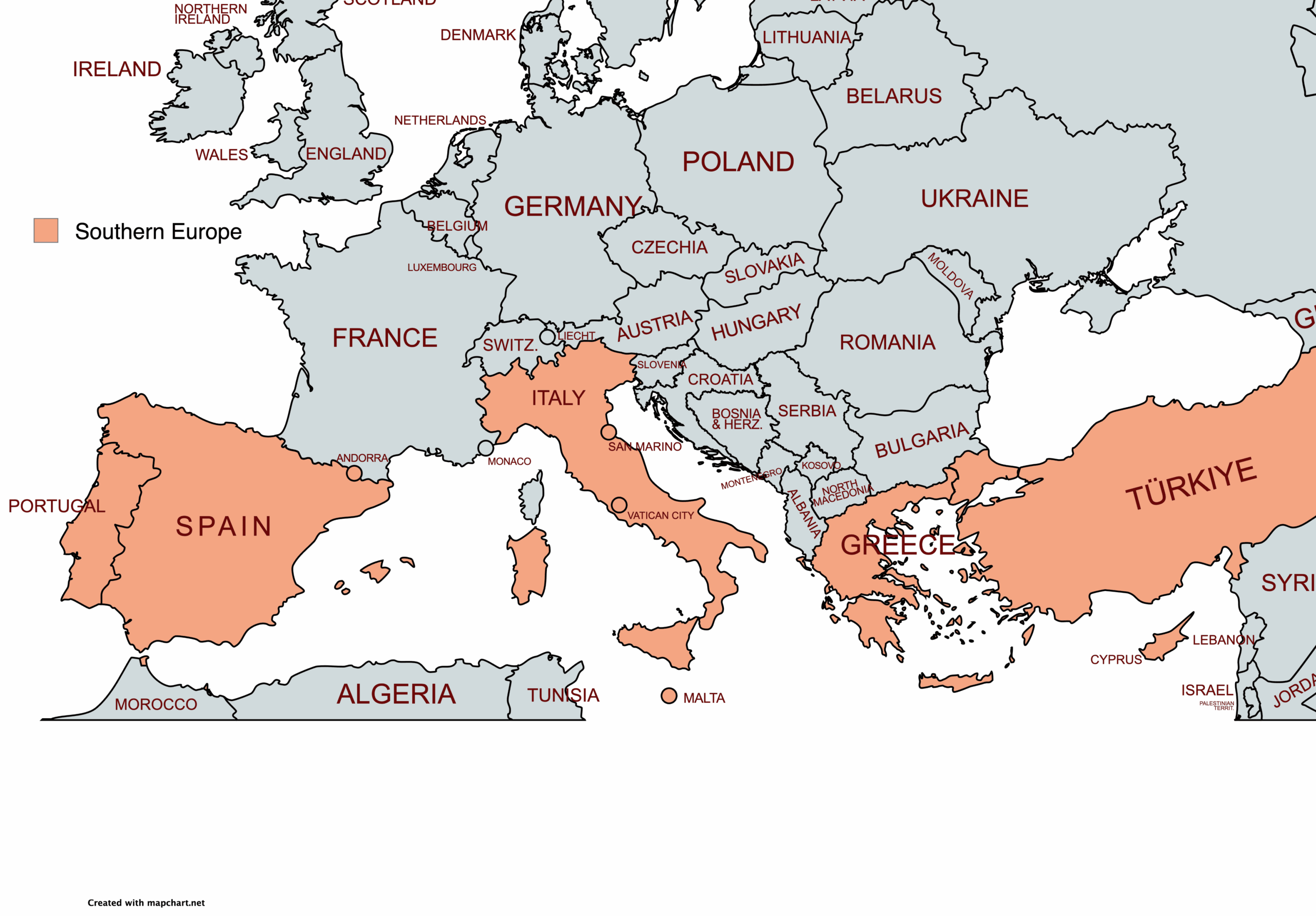
- Warmest weather
- Best food
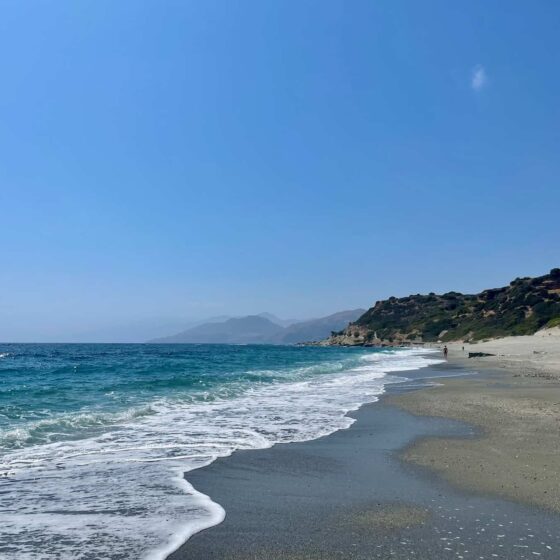
- Best beaches in Europe
- Extremely busy in summer. The best time to go is June — full summer weather without the chaotic peak-season crowds
Best For:
- Beach trips
- Affordable travel
- Countryside road-trips in peak summer months
Eastern Europe (Poland, Hungary, Romania, Balkans etc.)
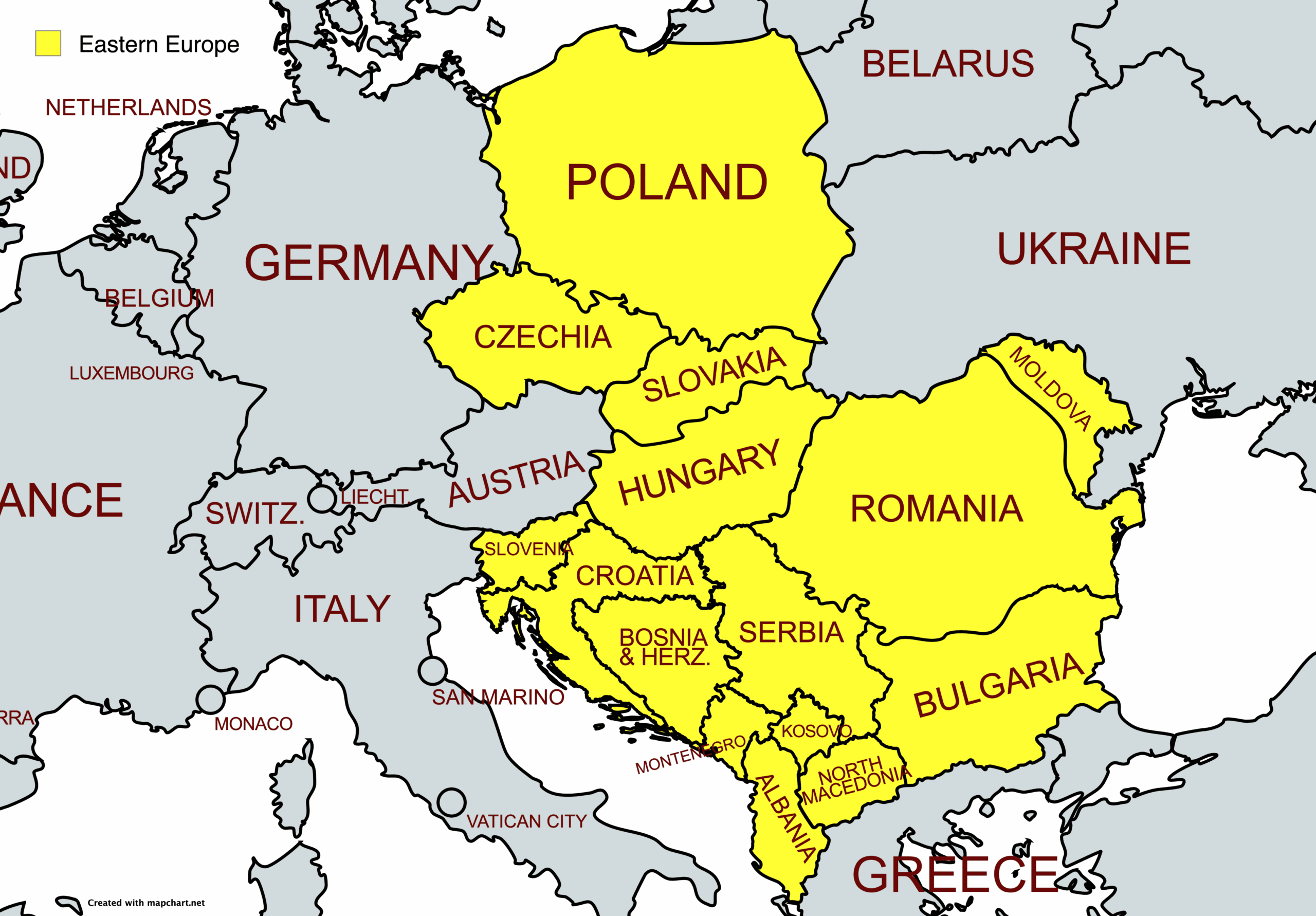
- Cheapest region in Europe
- Fewest tourists throughout the year
- Great in Summer
Best For:
- Budget travel
- Nature – beaches and mountains in the Balkans
- Culture – medieval towns and cities in the north-east
- Hidden gems
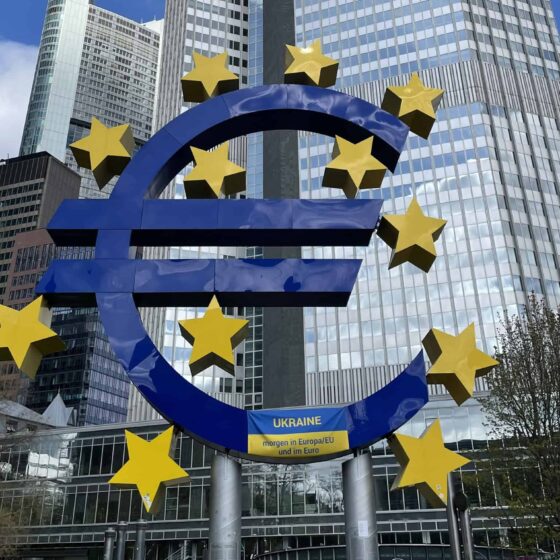
Heading to the Balkans or Eastern Europe? It helps to understand how the EU and Schengen Area work — especially for border crossings and visa rules.
Frequently Asked Questions
The best time to visit Europe for most young travellers is during the shoulder seasons: May/June and September. You get warm weather, fewer crowds, and significantly lower prices compared to peak summer (July–August). If budget is your main priority, January–March is the cheapest time to go.
January and February are the cheapest months to travel Europe. Flights, accommodation, and transport are all at their lowest. The trade-off is cold, grey weather — but if you’re heading to the Alps for skiing, it’s a great time to go.
It can be. Southern Europe (Spain, Italy, Greece) regularly hits 35–40°C+ in August, and cities like Rome, Athens, and Barcelona can feel uncomfortably hot. If you’re set on August, head to Northern or Central Europe where temperatures sit around 20–28°C, or escape to the countryside and mountains.
June and September are the sweet spot — warm weather with noticeably fewer tourists than July or August. For the quietest experience, visit between November and March (excluding Christmas market season in December). Shoulder months like May and October also offer a good balance.
Absolutely — if you know what to expect. Christmas markets run across Germany, Austria, Switzerland, and France throughout December. January and February are perfect for budget skiing in the Alps or affordable city breaks. Just pack warm and be prepared for short days and grey skies.