→ Click here to go straight to the EURO SUMMER TRIP BUILDER
Build Your Dream Trip in 10 Minutes
Planning a Europe summer is genuinely exciting — and genuinely overwhelming. Deciding from over 40 countries, hundreds of cities and dozens of transport options, and a thousand different ways to do everything. Not anymore.
This guide – and more importantly the free trip builder below – cuts all of that out. Pick your vibe, choose your countries, plan your route, get a budget estimate, and walk away with all your booking links in one place. No spreadsheet or dodgy AI advice required.
Before You Start: A Few Things Worth Knowing
There’s No “Right Way” to do a Euro Trip
Some people do 3 countries in 3 weeks and have the time of their life. Others do 10 countries in 6 weeks and barely scratch the surface of each. BUT neither is wrong. It just depends what kind of traveller you are.
The builder below will actually recommend a country count based on your travel style and trip length. Pay attention to that — it’s based on real experience, not guesswork.
Europe is Smaller Than you Think
A lot of first-time travellers overesetimate how far apart European cities actually are. Paris to Amsterdam is 3.5 hours by train. Barcelona to Madrid is 2.5 hours. Vienna to Budapest is 2.5 hours. You can genuinely cover a lot of ground without ever stepping on a plane.
That said — some routes do require flights or long bus journeys, especially if you’re mixing Western Europe with the Balkans or Greece. The builder flags these automatically.
Peak Season is REAL – But Not a Dealbreaker
June, July and August are the busiest months in Europe. Prices go up, crowds get bigger, and some places – like Dubrovnik and Santorini – get genuinely overwhelming. But that doesn’t mean you should avoid them — it just means you should go in knowing what to expect.
May and September are the sweet spots if you have flexibility. Great weather, smaller crowds, and noticeably cheaper accommodation.
Use the Free Euro Summer Trip Builder
Everything below is handled inside the builder. Pick your month, choose your countries, plan your route, get a rough budget, and grab all your booking links — flights, accommodation, transport and insurance. Still confused? Click here for a quick breakdown of each step.
How the Builder Works
Not sure where to start? Here’s a quick breakdown of each step:
Step 1 — 📅 Dates
- Pick your travel month and trip length.
- If you’re flexible on timing, select “I’m flexible” — the builder will still give you accurate budget estimates based on average shoulder season pricing.
- Your departure region matters here too. Flying from Australia is a very different budget conversation to flying from the UK.
Step 2 — ✨ Vibe
- This is where you tell the builder what kind of trip you actually want.
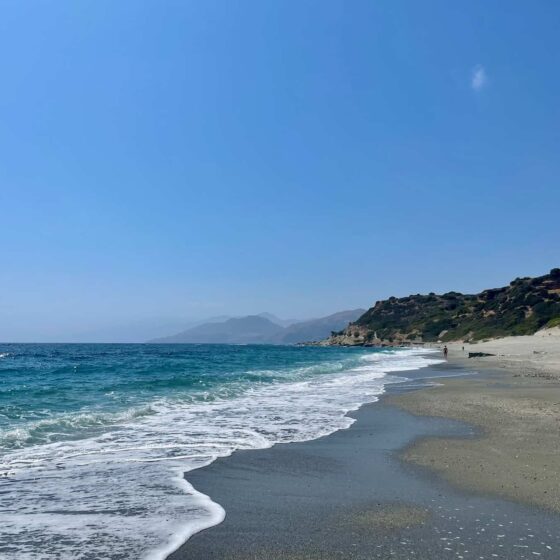
- Beach and coast? City life? Mountains? Off the beaten track?
- You can pick multiple vibes — the builder uses them to match you with countries that actually fit.
Step 3 — 🌍 Countries
- The builder ranks all countries by how well they match your vibe and travel style.
- The higher the match percentage, the better the fit.
- A quick tip: pay attention to the country count recommendation. If you’re doing 3 weeks as a comfort traveller, trying to fit in 7 countries will leave you exhausted and broke. Less is more.
Step 4 — 📍 Cities
- Pick your cities across each country.
- Popular cities are listed first — hidden gems are marked with 💎 and are worth considering if you want to go beyond the typical tourist trail.
- Peak pricing cities (like Santorini, Mykonos and Venice in summer) are flagged with €€€ so there are no budget surprises later.
Step 5 — 🗺️ Route
- This is where it comes together.
- The builder auto-optimises your route to minimise travel time and avoid unnecessary backtracking.
- You can drag cities to reorder them manually, or hit “Suggest an optimal route” to let the algorithm do the work.
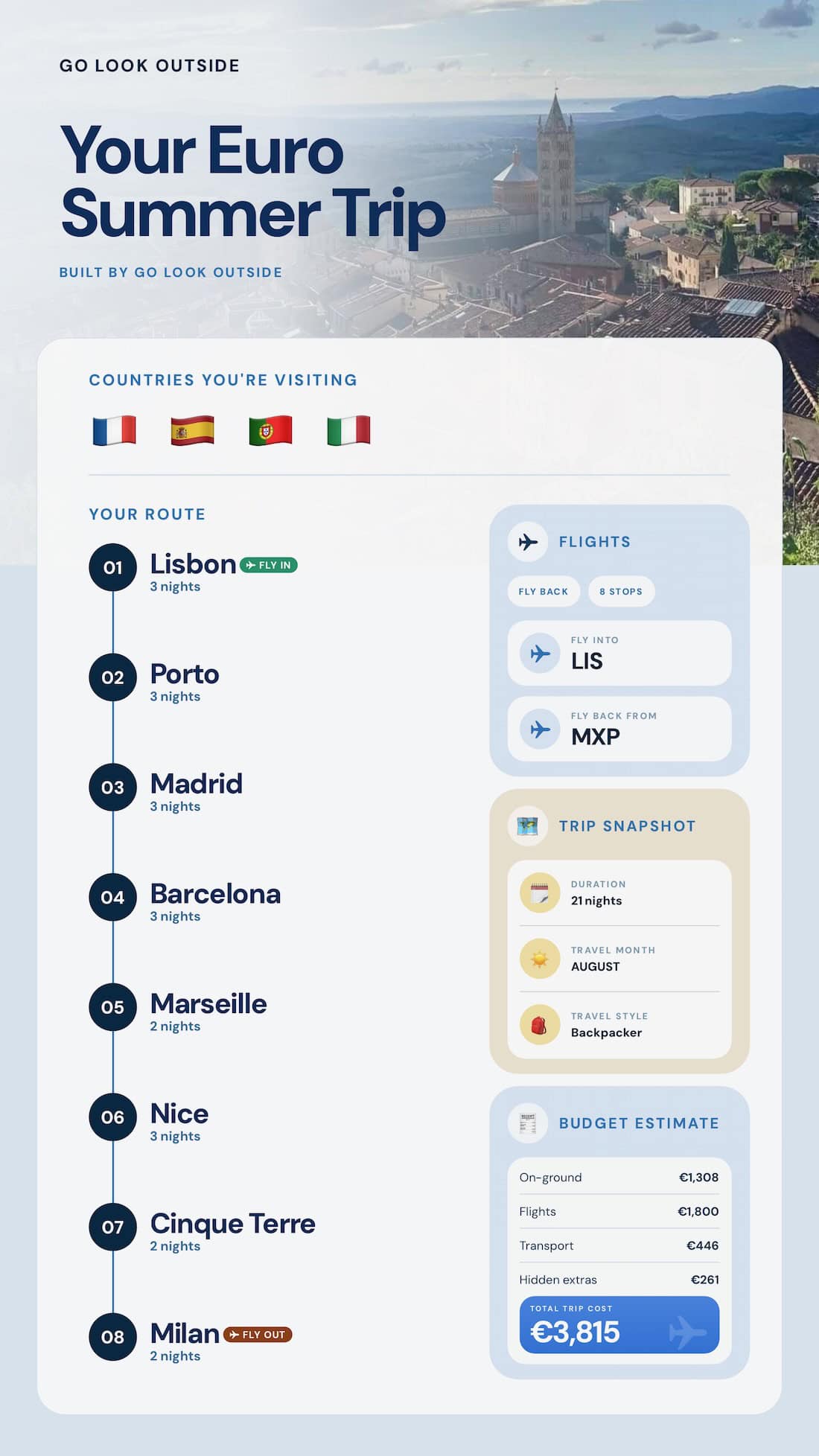
- The flight plan section lets you choose whether you’re doing a loop, flying back to your starting airport, or buying two one-way tickets.
- Pay attention to the long-leg warnings — any journey over 7 hours gets flagged with a suggestion to break it up or consider flying instead.
Step 6 — 💶 Budget
- The builder breaks down your estimated costs by country, including on-ground daily spend, flights, transport within Europe, and the hidden extras most people forget (travel insurance, tourist taxes, buffer).
- It also recommends the right Eurail pass for your route — or tells you to skip it entirely if buses are a better fit.
Step 7 — 🎒 Summary
- Your full trip plan in one place.
- Download it as a PNG (great for saving to your camera roll) or PDF.
- Then hit “Ready to book?” to get all your booking links — accommodation pre-filtered by your travel style, flight search links for your specific airports, transport links, travel insurance and more.
❌ The Most Common Europe Trip Planning Mistakes
Packing in Too Many Countries
This is the biggest one. Two nights in a city is barely enough time to find your feet, let alone actually experience it. If you’re doing a 3-week trip, 3 to 4 countries is the sweet spot for most travel styles. The builder will tell you if you’re overdoing it.
Not Accounting for Travel Days
A 6-hour bus from Dubrovnik to Split takes a full morning. An overnight train from Paris to Barcelona means one less night in a hostel. Travel days eat into your time more than most people expect — factor them in.
Booking Everything Too Far in Advance
Europe in summer fills up fast — especially hostels and budget accommodation in popular cities. But booking every single night 6 months out leaves you no flexibility. A good rule of thumb: try and book as many accommodations with “free cancellation” as you can.
Ignoring the Balkans
If your budget is tight, the Balkans are your best friend. Croatia, Montenegro, Albania, Bosnia — genuinely stunning, way cheaper than Western Europe, and still massively underrated by most first-time travellers. The builder covers all of them.
🛤️ Getting Around Europe: A Quick Overview
The builder handles transport recommendations based on your specific route, but here’s a quick overview:
Train (Western and Central Europe)
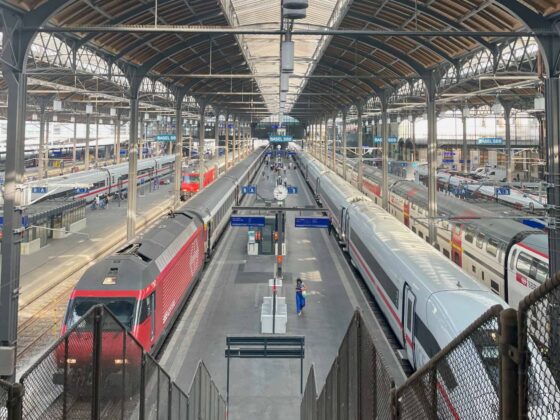
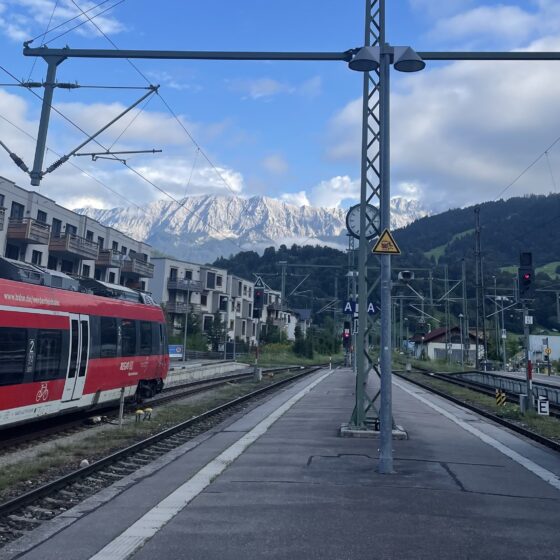
Western Europe has some of the best rail networks in the world. France’s TGV, Spain’s AVE, Italy’s Frecciarossa and Germany’s ICE are all fast, comfortable and frequent. A Eurail Pass is generally the best value if you’re doing 4 or more train journeys across multiple countries.
Bus (Balkans and Eastern Europe)
Rail is limited through the Balkans. Buses are the standard — and they’re not as bad as you might think. Flixbus and Omio cover most routes. For shorter local hops, local bus companies are usually the cheapest option.
Ferry (Greek Islands and Croatian Coast)
The Greek islands are connected by ferry — there’s no other way. Ferryhopper is the best tool for comparing Greek island ferry routes and prices. For the Croatian coast and islands, Jadrolinija is the main operator. Another great tool for finding ferries is DirectFerries
Budget Flights
For very long legs — London to Athens, Lisbon to Rome, or any crossing between Western Europe and the Balkans — a budget flight is often faster and cheaper than ground transport. Ryanair, Wizz Air and easyJet cover most of these routes.
Frequently Asked Questions
It depends heavily on your travel style, the countries you visit, and how long you’re going for. As a rough guide: backpackers typically spend €40–€80 per day on-ground (excluding flights and transport), flashpackers €50–€120, and comfort travellers €80–€180. The builder gives you a personalised estimate based on your actual route.
May, June and September are the sweet spots — warm weather, smaller crowds, and noticeably cheaper than peak July and August. If you’re flexible, aim for late May or early September. The builder adjusts budget estimates based on your chosen month.
For most travel styles, 3 to 4 countries is the sweet spot for a 3-week trip. Any more and you’ll spend more time on trains and buses than actually enjoying the places you’re visiting. The builder recommends a country count based on your specific travel style.
Yes — September is one of the best months for Greece. Temperatures are still in the mid-to-high 20s, the sea is warm, and the summer crowds have thinned out. Prices also drop compared to July and August.
Not always. If your route is mostly through Western and Central Europe with 4 or more train journeys, a Eurail Pass is usually worth it. If you’re spending most of your time in the Balkans or Greece, skip it — buses and ferries are a better fit. The builder recommends the right option for your specific route.
Yes — Western and Central Europe are among the safest regions in the world for solo travel. The Balkans are also very safe and increasingly popular with young travellers. Standard precautions apply: keep an eye on your bag in busy tourist areas, be aware of common scams in major cities, and always have travel insurance.
No. English is widely spoken across Europe, especially in tourist areas, hostels, and major cities. In more rural parts of the Balkans or Eastern Europe you might need Google Translate/deepl for the occasional menu or sign — but it’s never a barrier to travel.
For July and August especially, yes — popular hostels and budget hotels in cities like Barcelona, Dubrovnik and Amsterdam book out months in advance. Book your first few nights in each city early, then stay flexible for the rest.
For budget travellers, SafetyWing is the best value option — monthly plans or specific date cover, starting from $47 USD for a 3-week trip. For trips over a month, Genki is worth considering at €52.50 per month. Both are linked in the builder’s booking section. ~ Something to note though: these only offer medical cover, they do not provide cover for lost baggage, stolen items, cancelled flights.
Ready to Start Planning?
Use the builder above to put your trip together — it takes about 10 minutes and gives you everything you need to go from “I want to do a Euro trip” to “I’m ready to book.”
If you want to go deeper on any part of the planning process, check out these guides: