For the condensed 5-minute guide, head to — Quick Guide: When and Where Young Travellers Should Go in Europe
When to Go — Month by Month
Tap a month to see the full breakdown. Filter by what matters to you.
Crowds & Price
The quietest and cheapest months of the year everywhere — except the Alps, which get busier (and pricier) during school holidays.
Best For
- Budget travel and avoiding crowds
- Museums and indoor culture
- Skiing and winter hiking
Recommendation
Book now if you want the cheapest prices of the year. Hit the Alps outside school holidays for the best value, or head to Eastern Europe (Bulgaria, Poland, Slovakia, Slovenia) for budget skiing.
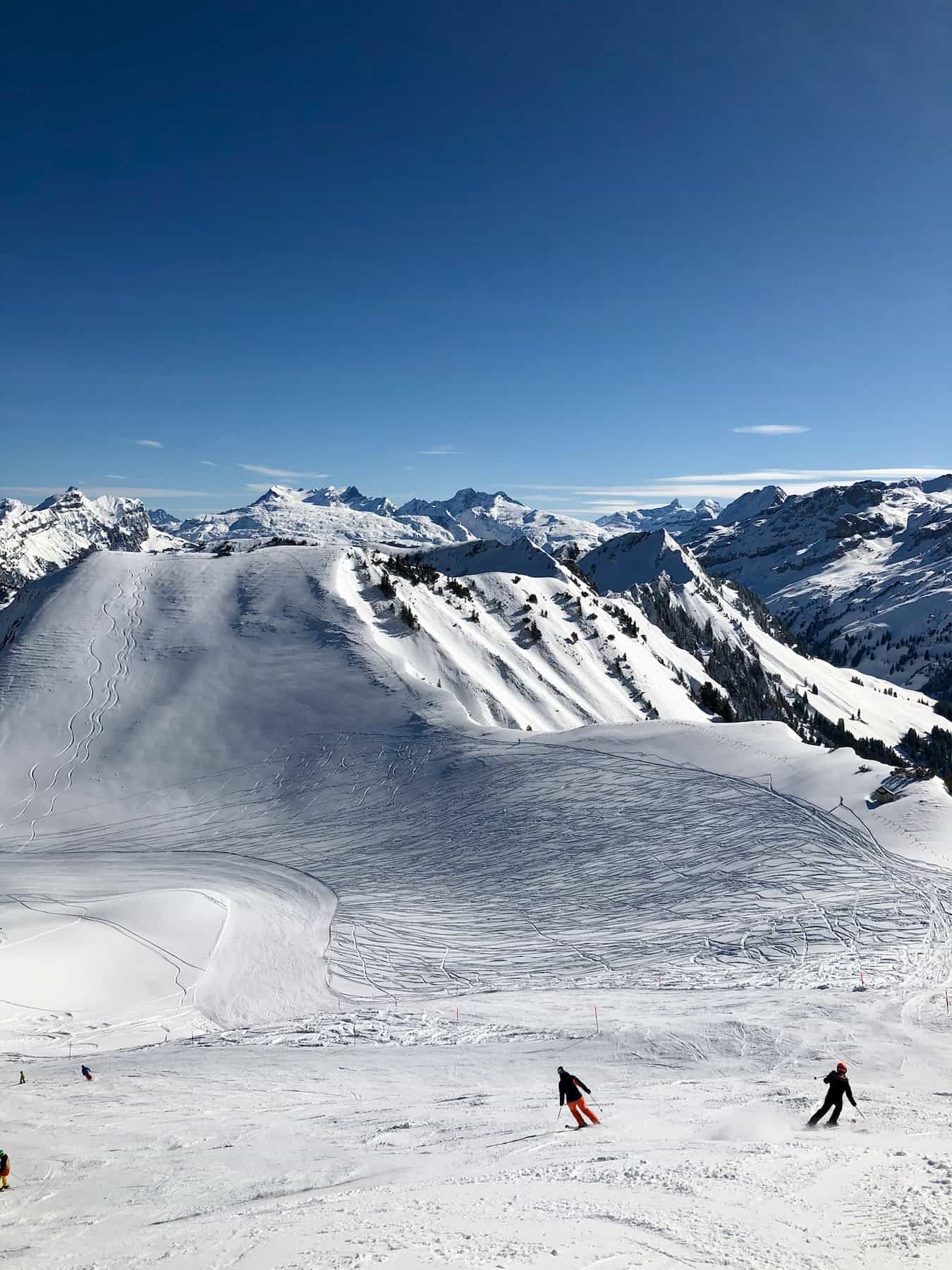
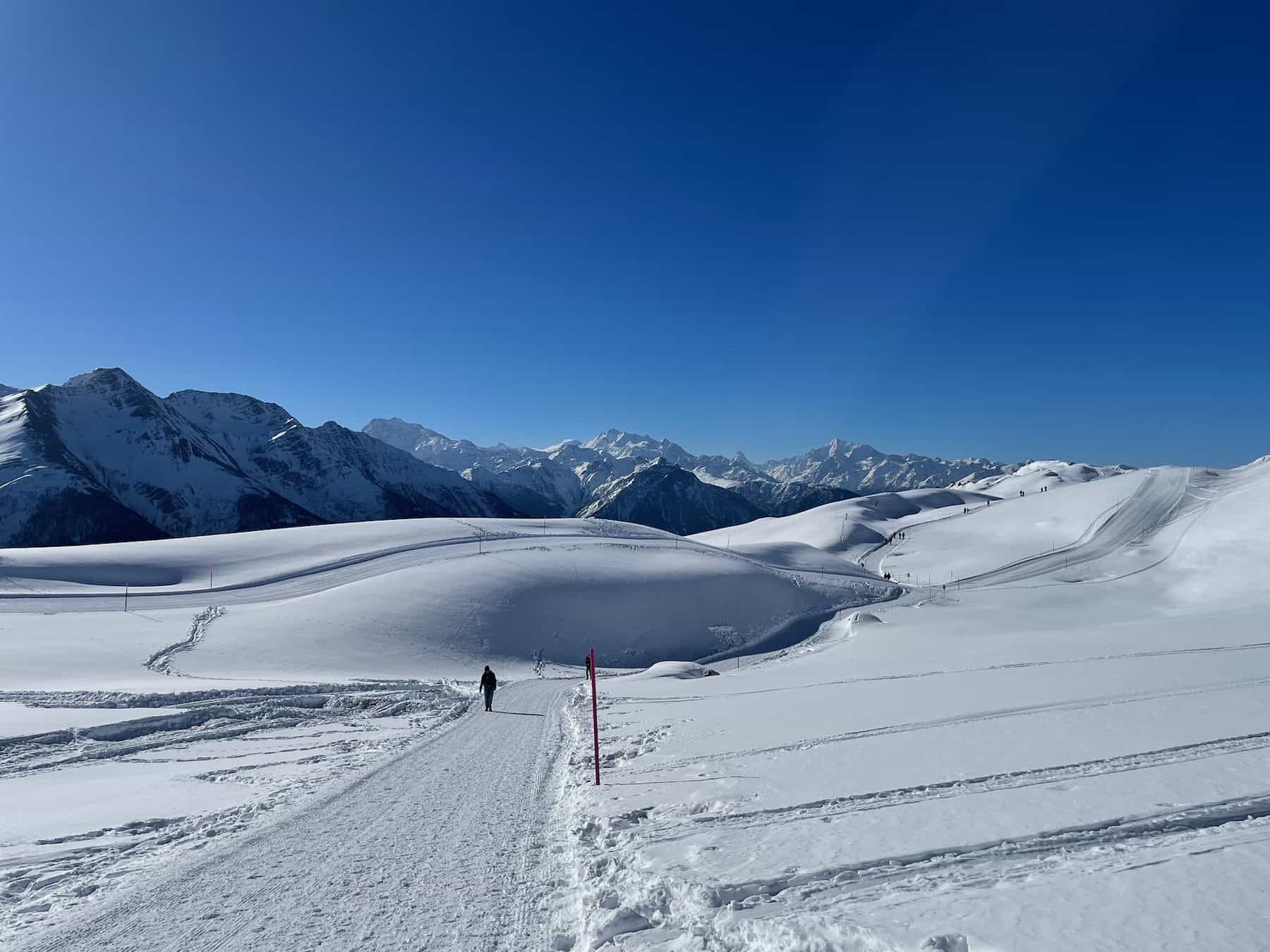
Skiing in Stoos, Switzerland
Crowds & Price
Still low season — prices stay far below summer and crowds are minimal. April ticks up slightly but nowhere near peak levels.
Best For
- Mild weather without summer crowds
- Budget travel with better weather than deep winter
- Blooming cities and quiet sightseeing
Recommendation
Cities are quiet and just starting to bloom. If you want real warmth with basically no crowds, push into April and head south.
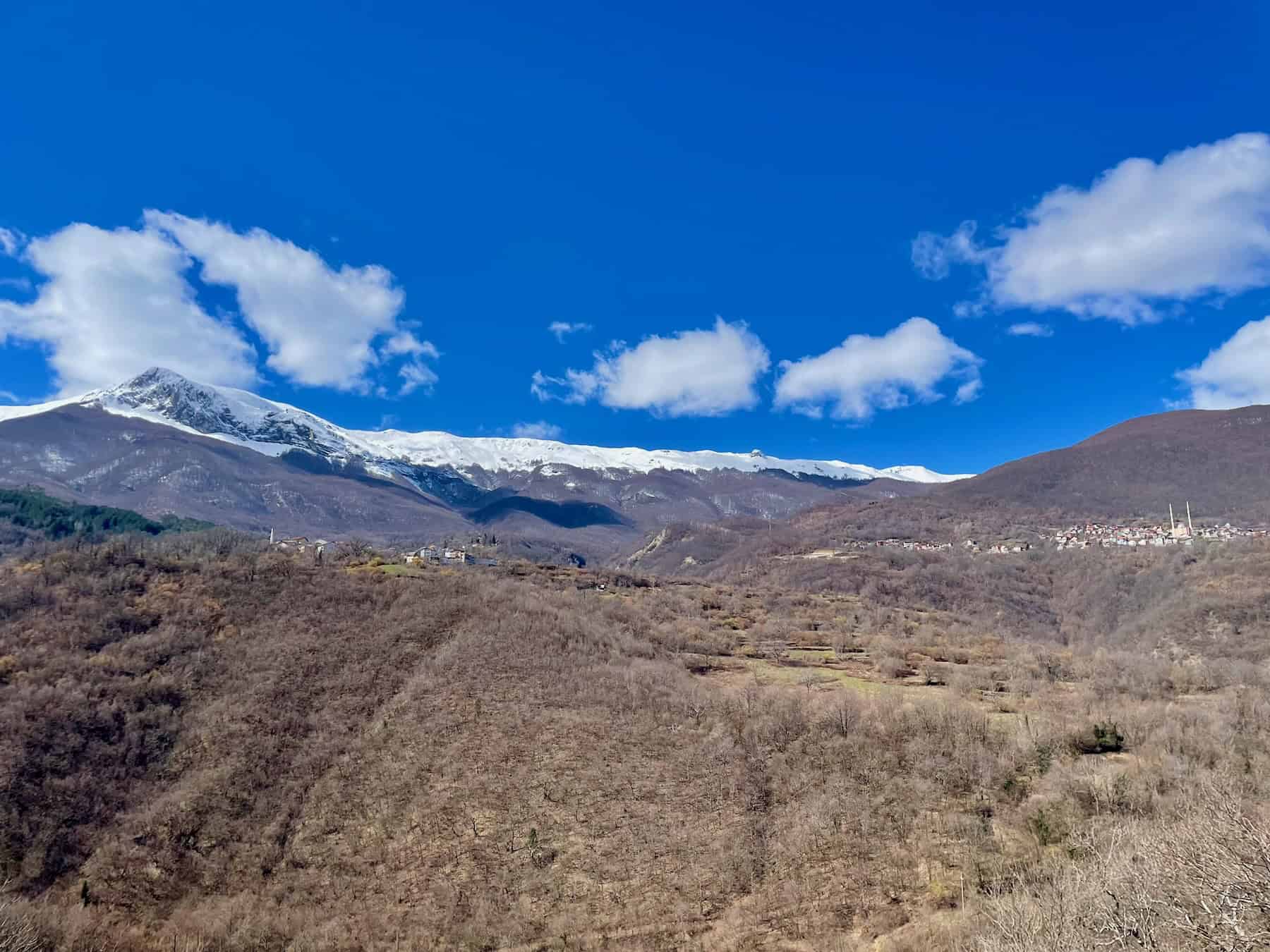
North Macedonia in March
Crowds & Price
Still shoulder season — well below July/August pricing and crowd levels, with genuinely warm weather in the south.
Best For
- Warm — not hot — travel
- Avoiding crowds
- Early beach weather down south
Recommendation
Best time to hit Southern Europe’s busiest spots — Croatia, Greece, Southern Spain/Italy — before the summer crowds land. I went to Croatia in May and had the water almost to myself, for about half the summer price.
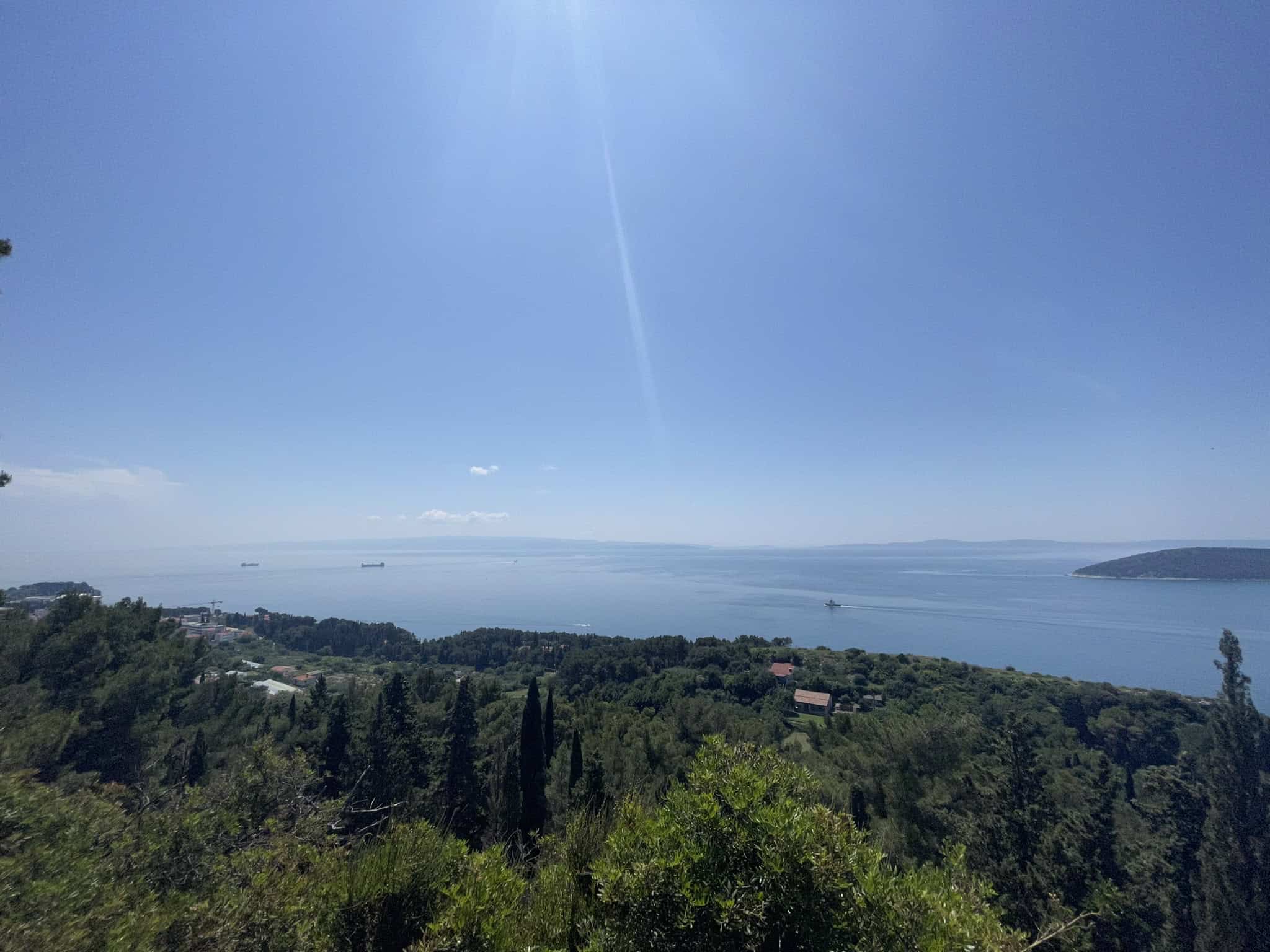
Split, Croatia — May
Crowds & Price
Start of peak season — crowds and prices are rising, but nowhere near July/August. Book early to keep it cheap.
Best For
- Classic European summer, minus the chaos
- Alps hiking before the July crowds
- Long daylight sightseeing
Recommendation
The one month you genuinely can’t go wrong anywhere. I went to Montenegro in June — amazing weather, cheap prices, barely any tourists.
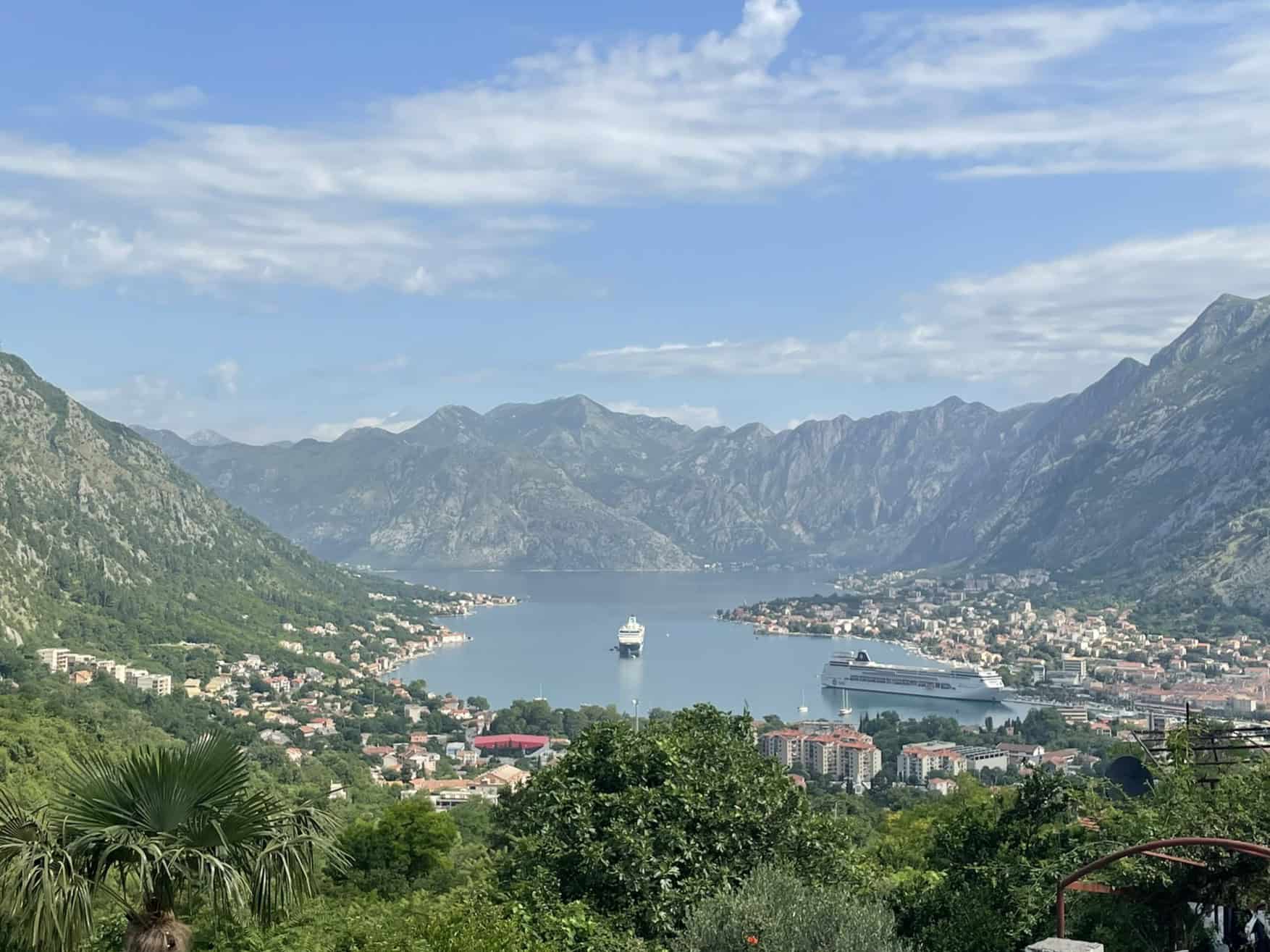
Kotor Bay, Montenegro — June
Crowds & Price
The most expensive and crowded months of the year, everywhere. Best weather of the year is exactly why.
Best For
- Exploring off the beaten track
- Countryside over big cities
- Booking early to offset the cost
Recommendation
Avoid Paris, Barcelona, and Venice if you can — genuinely overwhelming. Hire a car and go rural instead. I drove into the Sicilian countryside at peak season and didn’t see a single tourist.
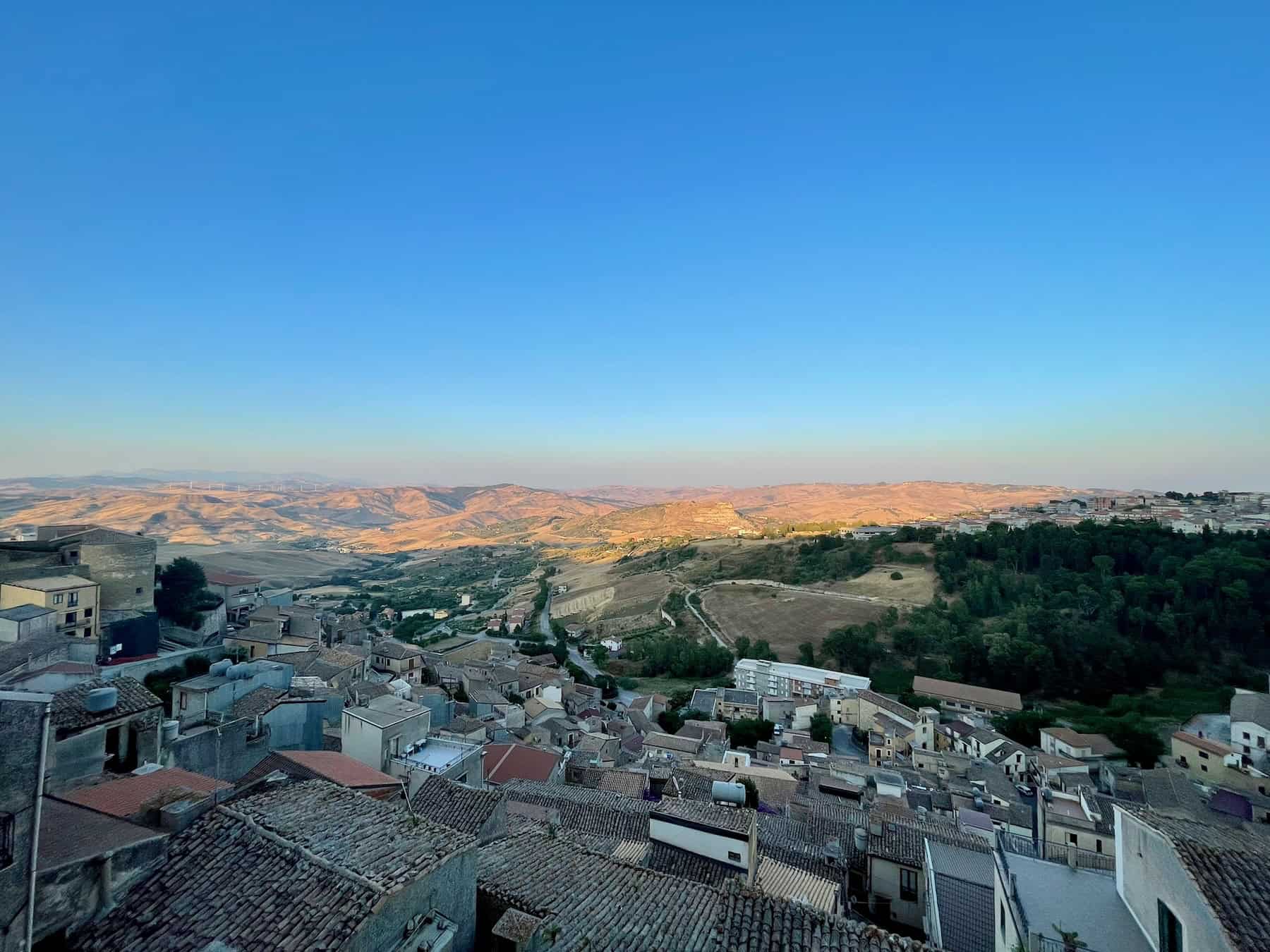
Sicilian countryside — August
Crowds & Price
Noticeable drop in tourists and prices compared to peak summer, while the south stays reliably warm.
Best For
- Beach holidays without peak chaos
- City breaks with milder temperatures
- Hiking and nature trips (Alps, Balkans, Pyrenees)
Recommendation
Early September is one of the best windows all year. I went to the Netherlands in September — quiet cities, warm weather, and the nightlife was still buzzing.
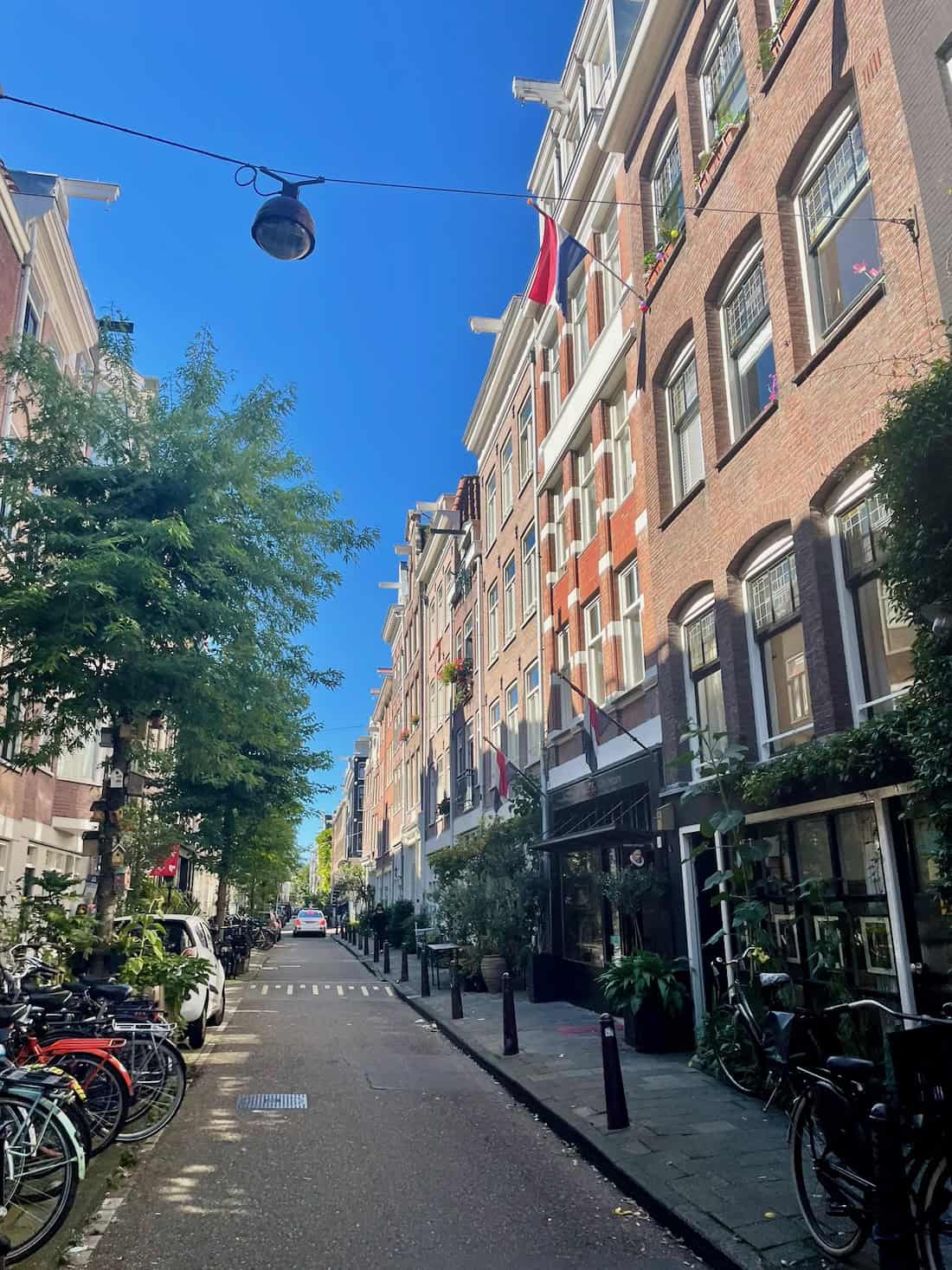
Amsterdam — September
Crowds & Price
Official start of low season — flight and accommodation prices drop noticeably, and crowds thin out everywhere except the warm-weather hotspots.
Best For
- Budget-friendly travel
- Fewer crowds and tourists
- Scenic countryside, Alps, and forest trips for autumn colour
Recommendation
Head west, north, or north-east for the best autumn colour, mid-to-late month. I went to Belgium in late October — calm cities, glowing leaves, still genuinely pleasant weather.
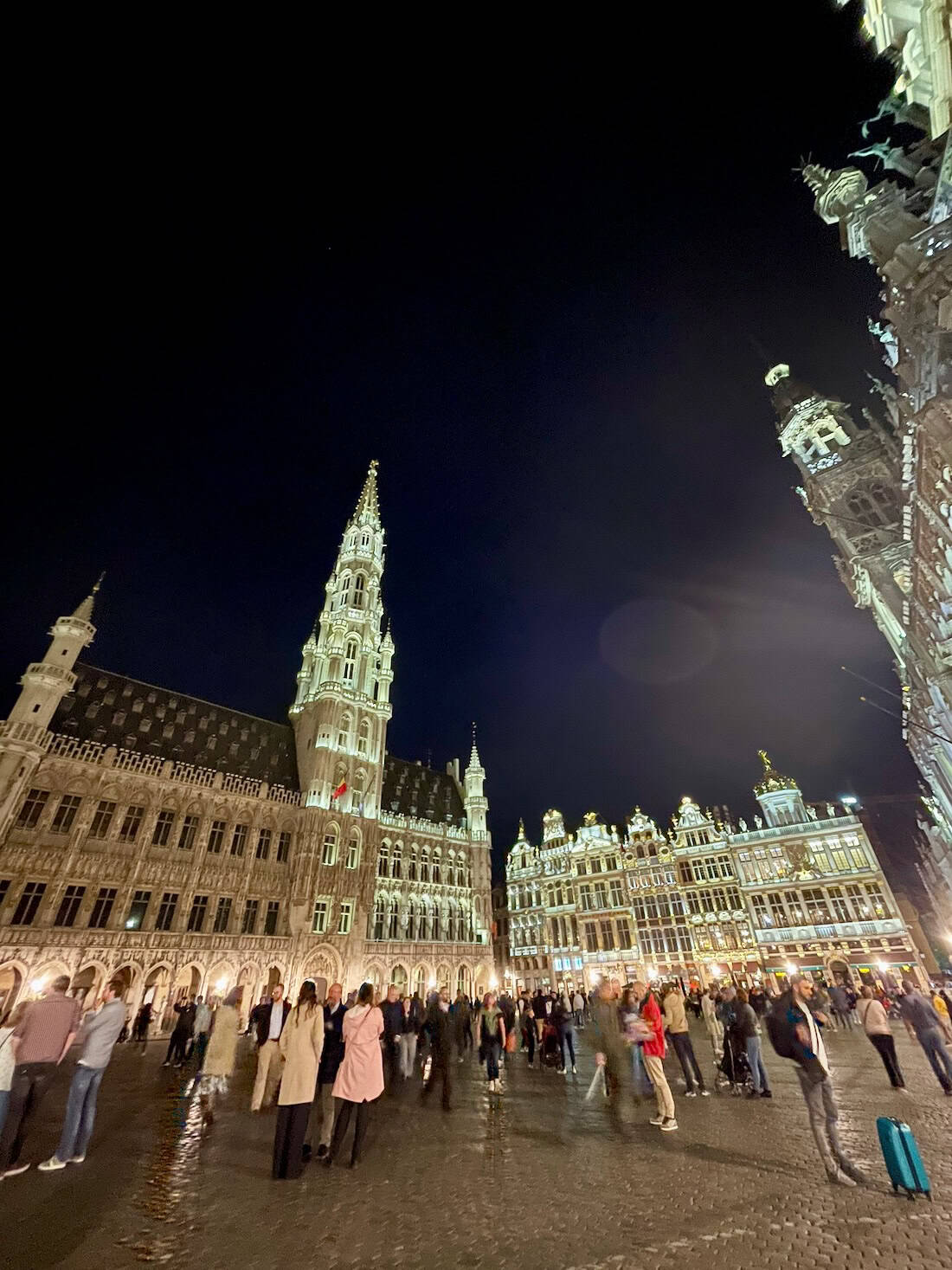
Grand Place, Brussels — October
Crowds & Price
Tourism drops sharply — one of the cheapest windows of the entire year.
Best For
- Budget travellers
- Catching the last of the autumn leaves
Recommendation
A great last window for autumn colour in Western Europe (Austria, France, Germany, Switzerland) before Christmas market crowds return — calm cities, low prices.
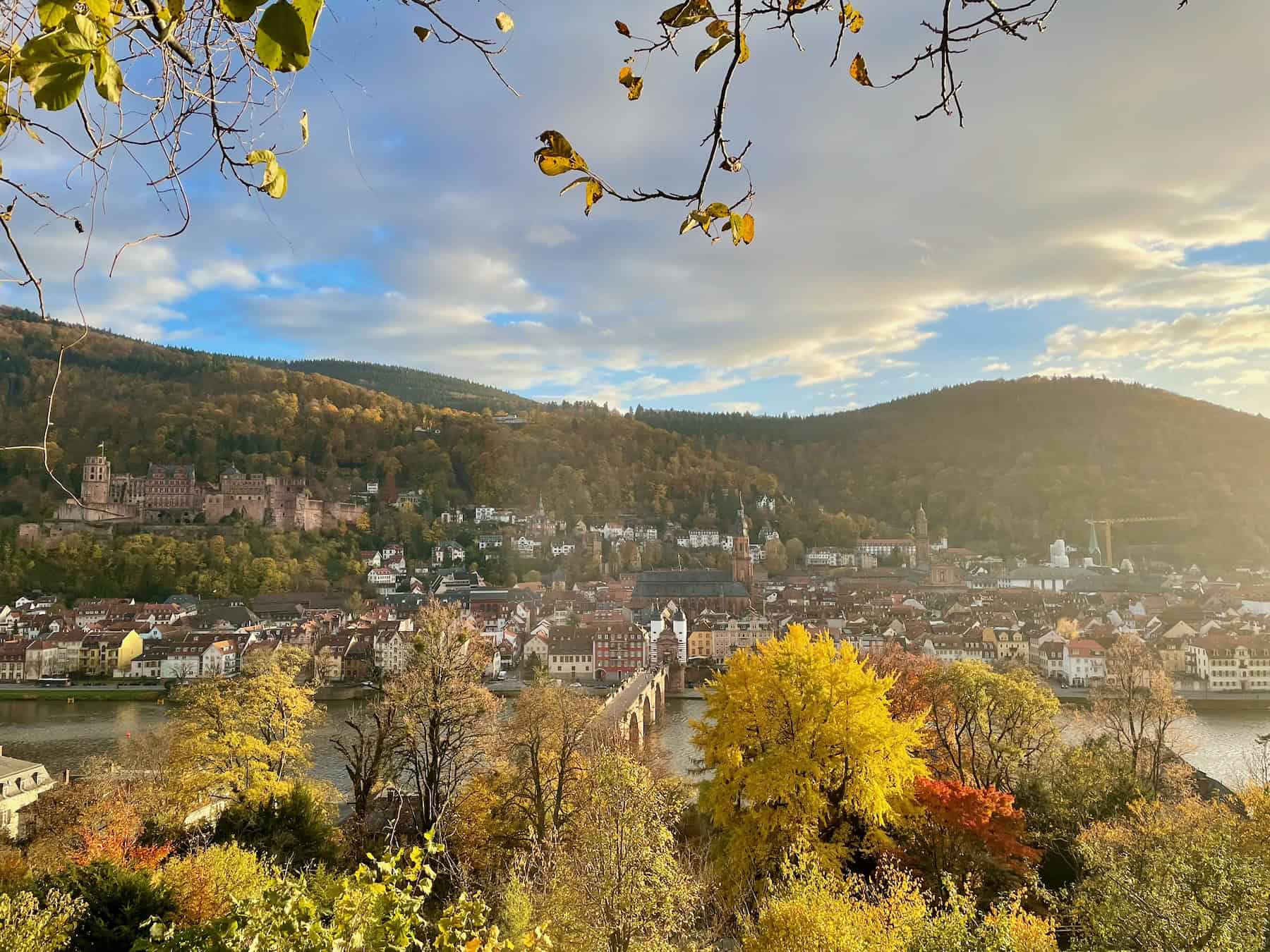
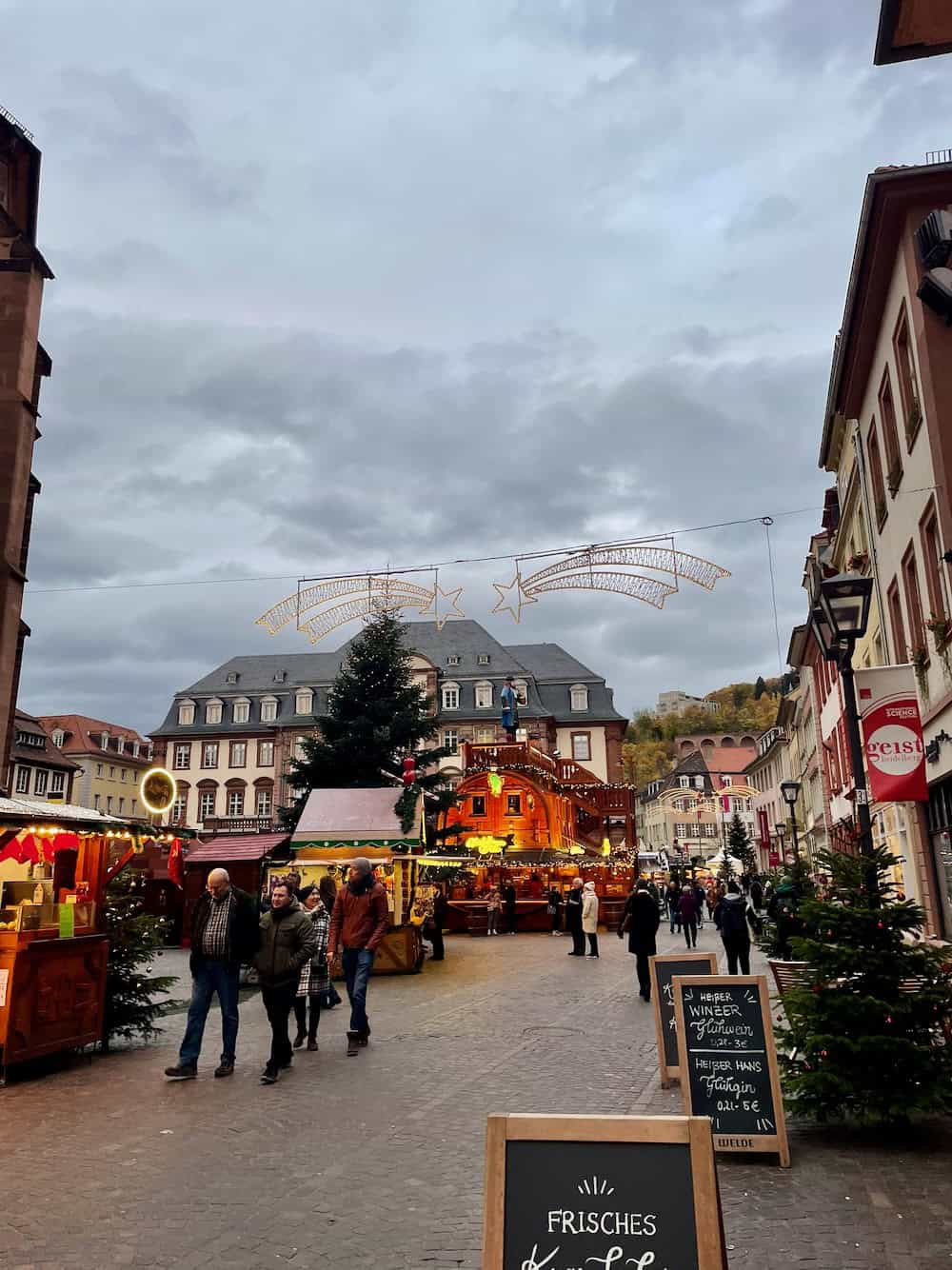
Heidelberg, Germany — November
Crowds & Price
*Prices and crowds spike specifically in Christmas market hotspots (Germany, Austria, France, Czechia). Everywhere else stays cheap and quiet.
Best For
- Festive atmosphere
- Christmas markets
Recommendation
Markets are fun but start feeling repetitive after 3–4. Go mid-to-late December into January for a mix of markets and normal city life — or early in the month if you’re purely there for the festivities.
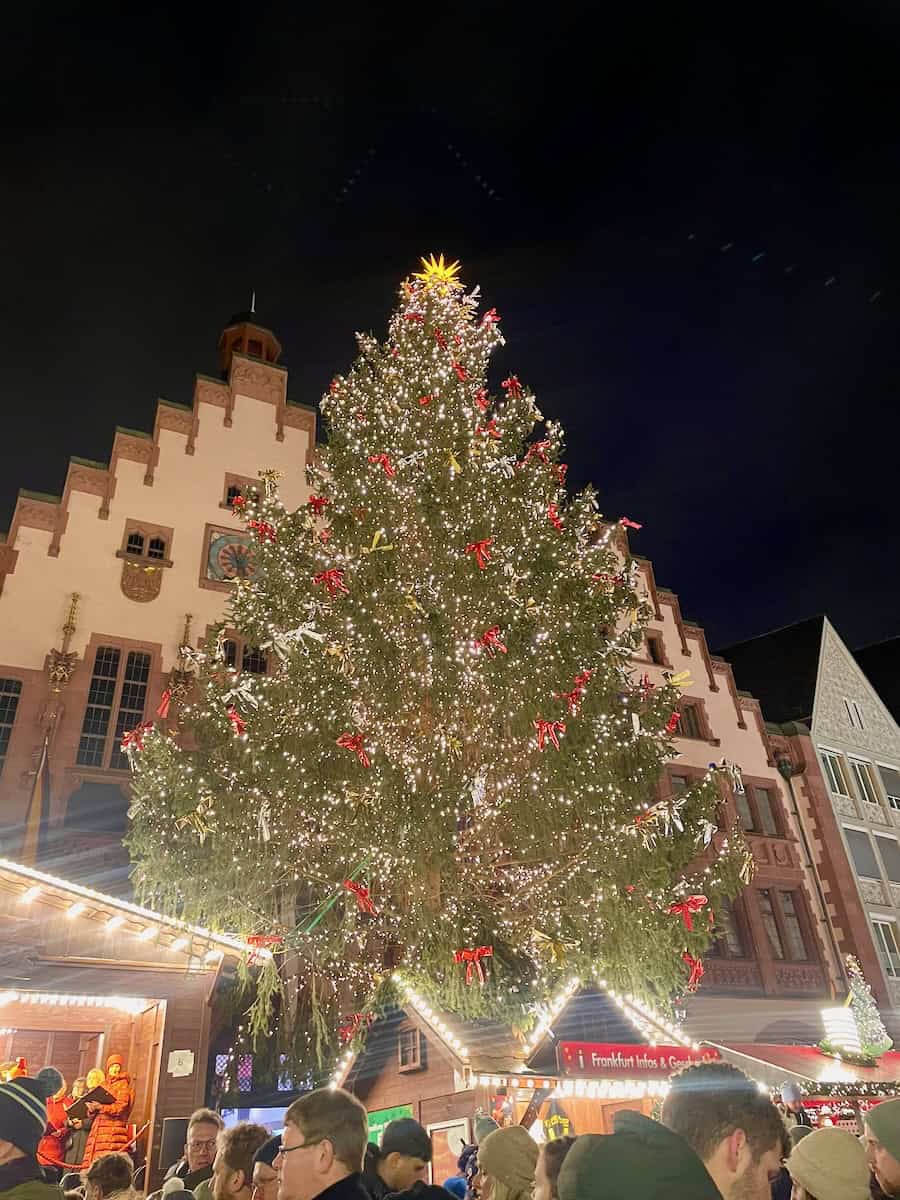
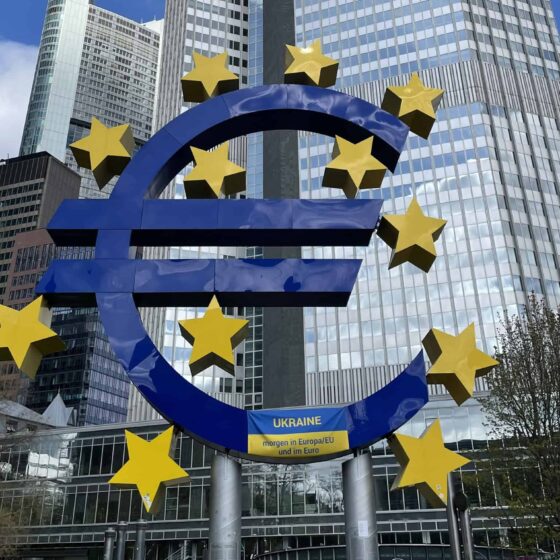
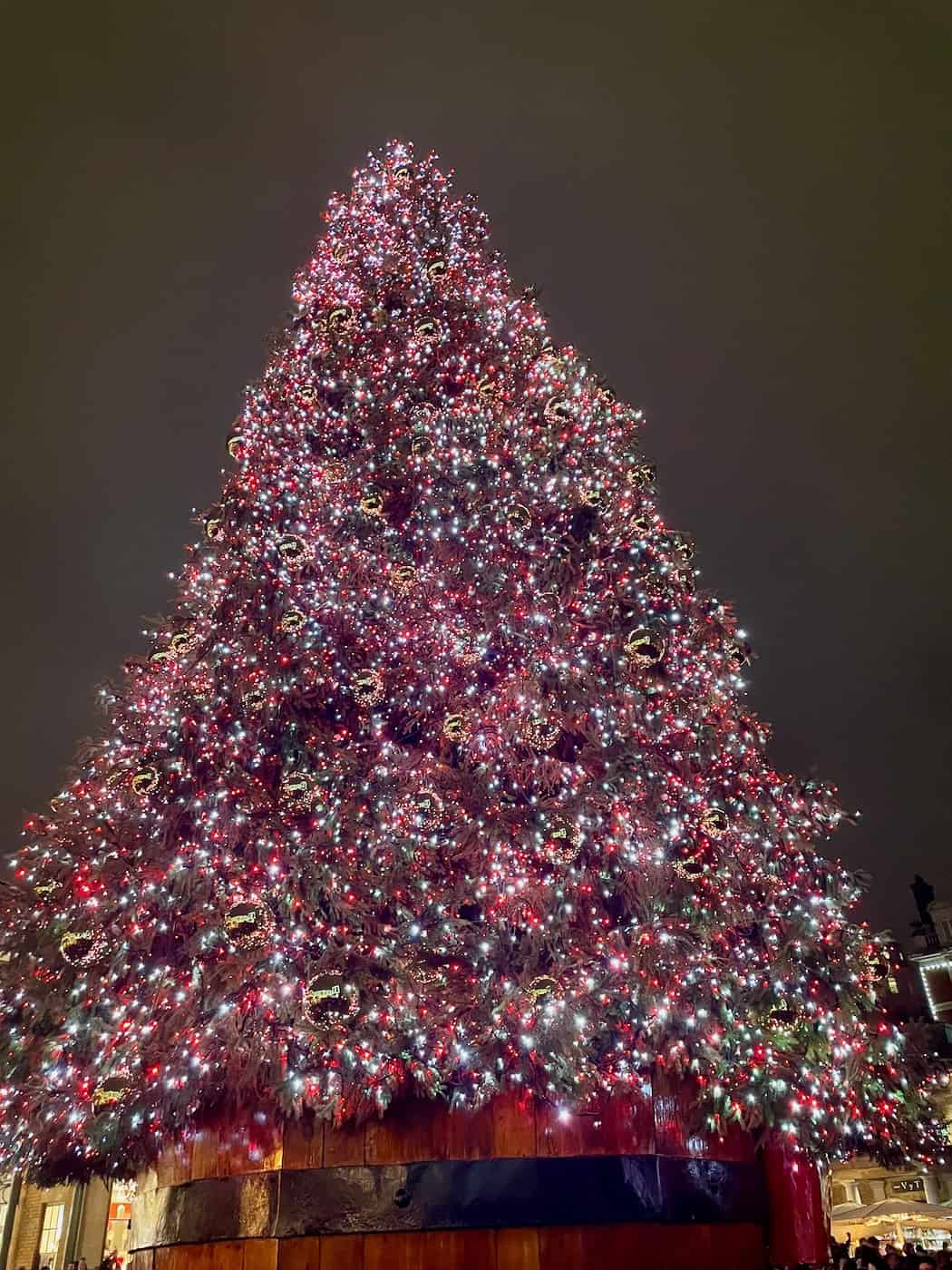
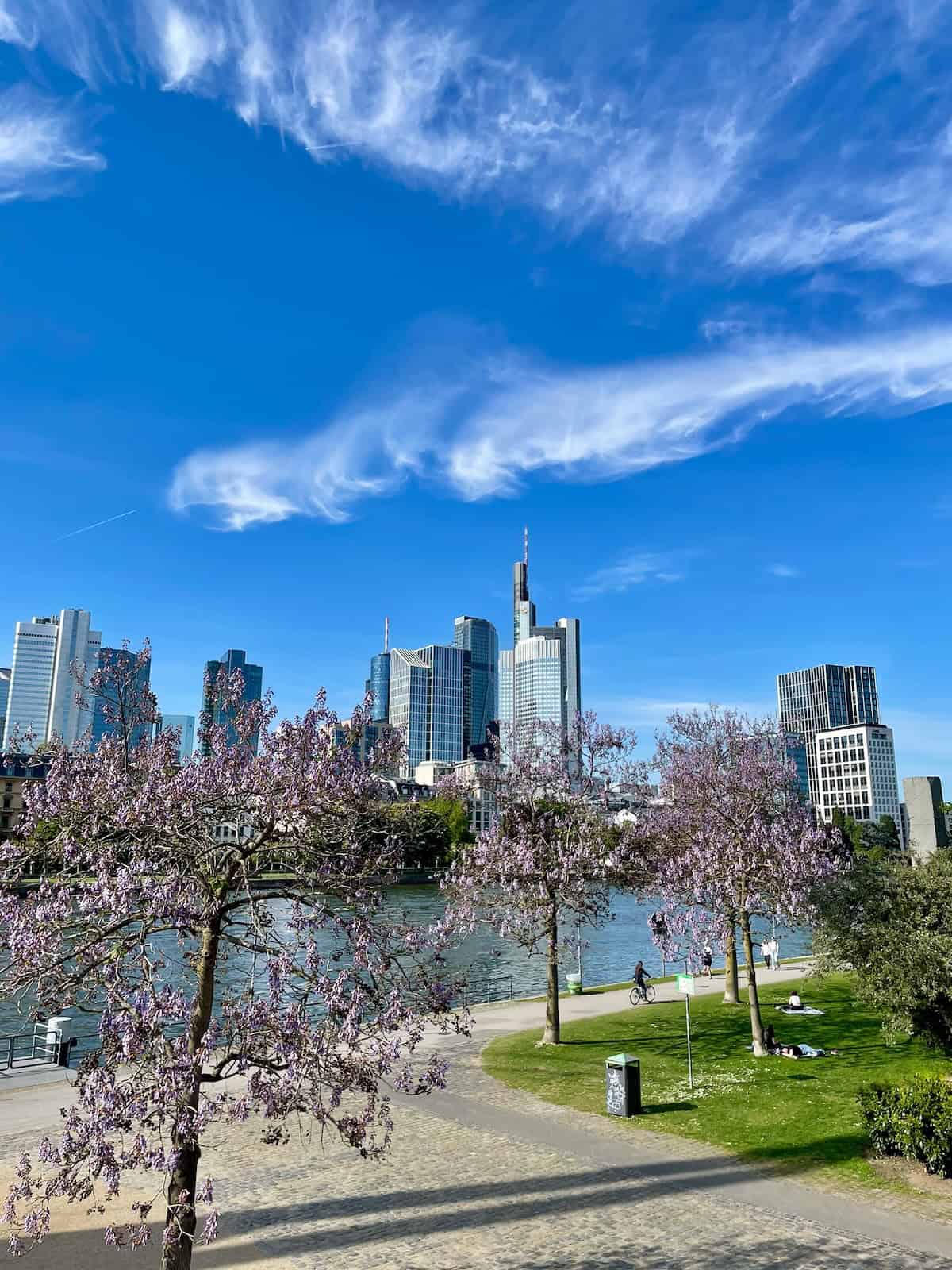
Frankfurt Christmas Market — December
Where to Go — Region by Region
Pick a region, then tap a sub-region for the full breakdown.

The priciest corner of Europe — 7 of the 10 most expensive countries on the continent are here. Every one of them is still worth it if it fits your budget.
Diverse, dramatic landscapes — farmland, fjords, forests, coastline, even volcanoes — plus innovative cities and one of the highest standards of living in Europe. Milder summers than you’d expect keep crowds lower than Western or Southern Europe, and winter brings skiing, ice fishing, snowmobile safaris, and the Northern Lights.
Recommendation
If it’s in your budget and you want something more nature-based than city-based, this is an easy recommend. Full guides at visitnordic.com.
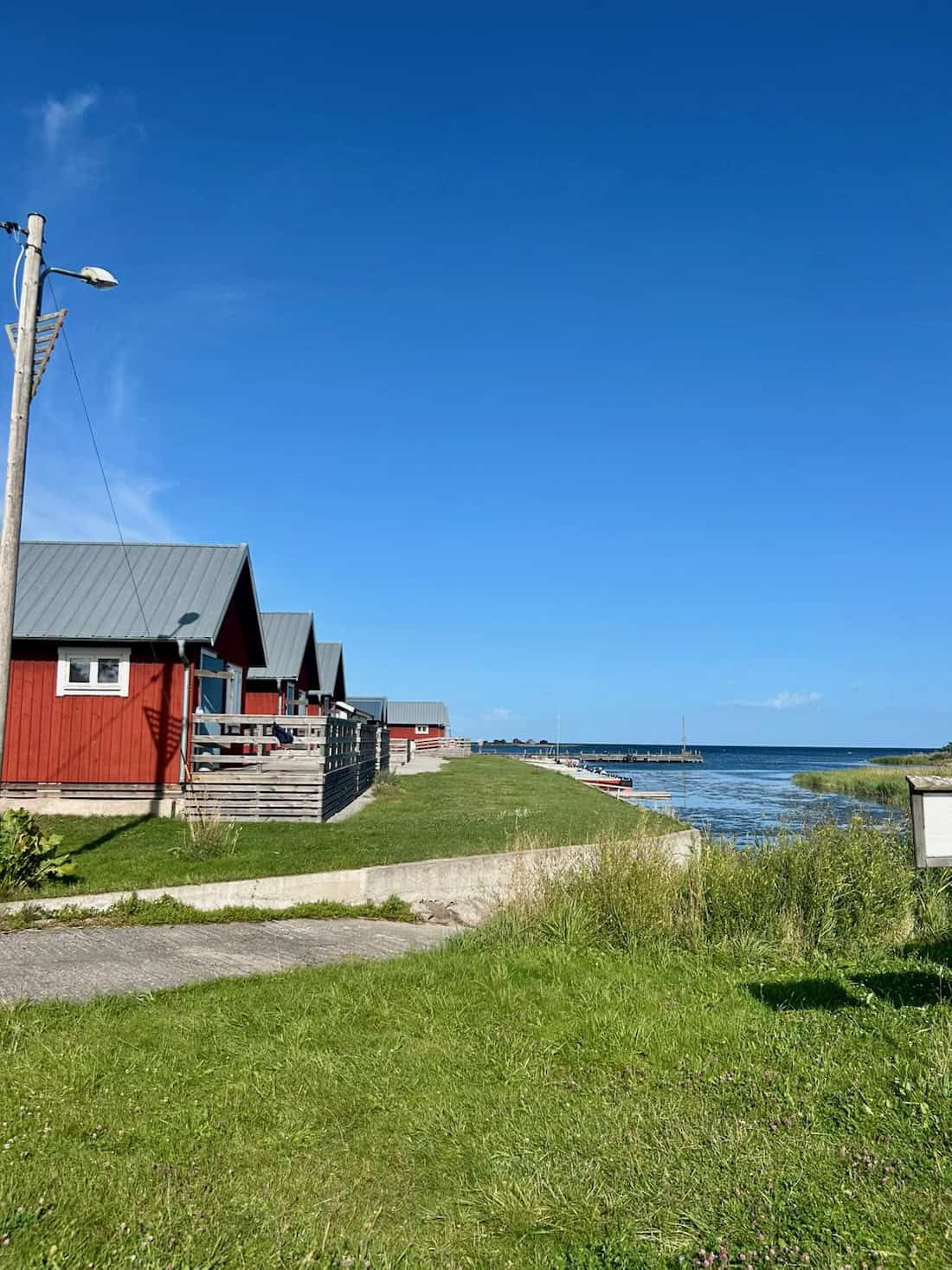
Öland, Sweden
Bustling cities and quaint towns, steeped in history — and arguably the best pub culture in the world. Both relatively expensive: accommodation and transport costs run high.
United Kingdom
Four genuinely different countries in one: England’s big cities, Scotland’s castles and nature, Wales and Northern Ireland’s history and landscapes.
Ireland
26 counties, from Dublin’s bustle to Galway’s charm — friendly people, live music, folklore, and a rich pub tradition. Cold and rainy even in summer, but a place people keep coming back to.
Recommendation
If you love friendly people and a good night out, Ireland especially is worth prioritising. Guides at visitbritain.com and discoverireland.ie.

Howth Cliff Walk, Ireland
Fairytale medieval towns and a vibrant cultural scene, sitting on the Eastern coast of the Baltic Sea — and noticeably more affordable than most of Western and Northern Europe.
Recommendation
Much less tourism than most of Europe year-round — a genuinely quiet, authentic option if that’s what you’re after.

Doesn’t really have a bad season — the question is what you’re chasing: ski slopes, Christmas markets, alpine lakes, or quiet spring cities.
Castles, alpine hiking and skiing, and some of Europe’s best Christmas markets. Summer brings an up-beat city vibe and warm-enough weather for alpine lakes; winter turns the cities quiet and cheap, except December, when Christmas markets take over almost every square (Germany, Austria, France, and Switzerland are the hotspots). Best skiing is January/February — avoid school holidays or prices and crowds spike.
Recommendation
Nothing beats the Alps on a clear winter’s day — but honestly, there’s no wrong time here, just a different version of good depending on the season.
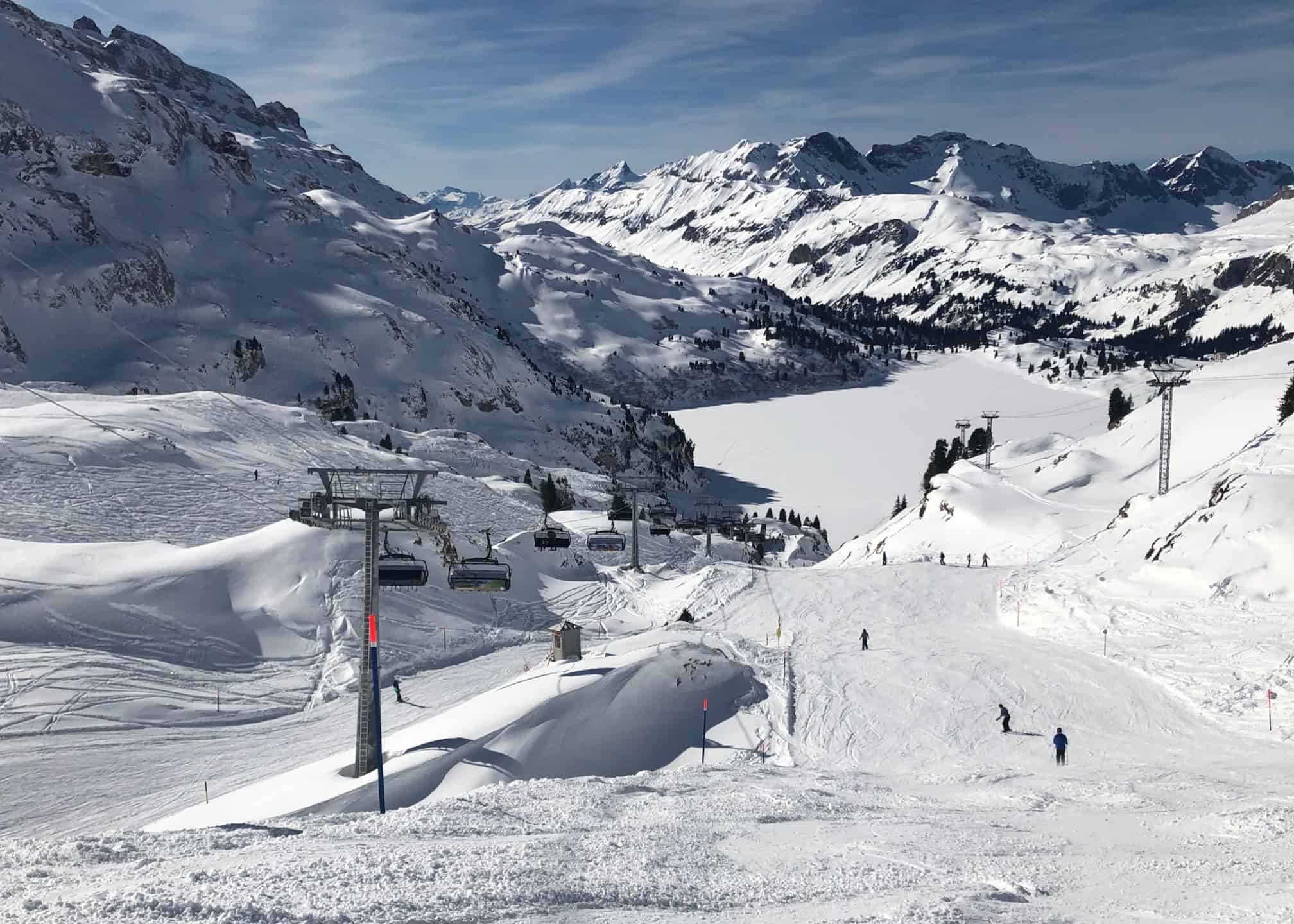
Engelberg, Titlis — Switzerland
Canals, gothic old towns, and cities built for wandering on foot or by bike — quieter and less dramatic than the Alps, more medieval streets and calm waterways. Autumn is especially scenic, when the canal-side trees turn bright orange and yellow.
Recommendation
Bruges and Ghent look like film sets, and Amsterdam’s canals live up to the postcards — some of the easiest, most walkable travel in Europe.
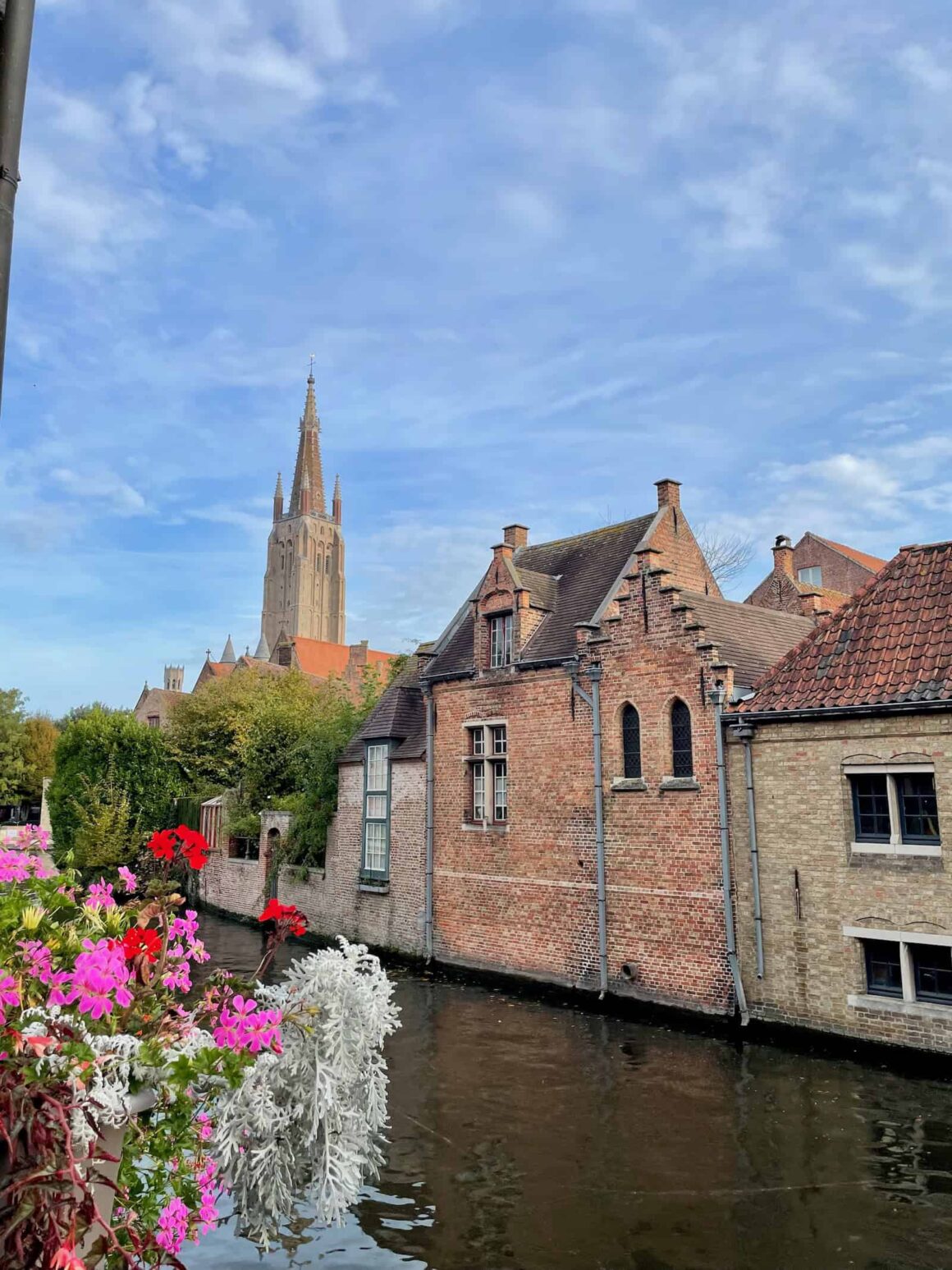
Bruges, Belgium

Home to some of the continent’s most popular destinations — rightly so. Go at the wrong time and you’ll pay peak-season prices for peak-season crowds.
Affordable compared to Northern and Western Europe — amazing seafood, great meats, beautiful beaches, friendly people. Summer highs push into the high 30s, and the good weather makes towns and cities here some of the busiest in Europe.
Recommendation
Go in the shoulder seasons — essentially the same weather, far fewer people, and noticeably cheaper.
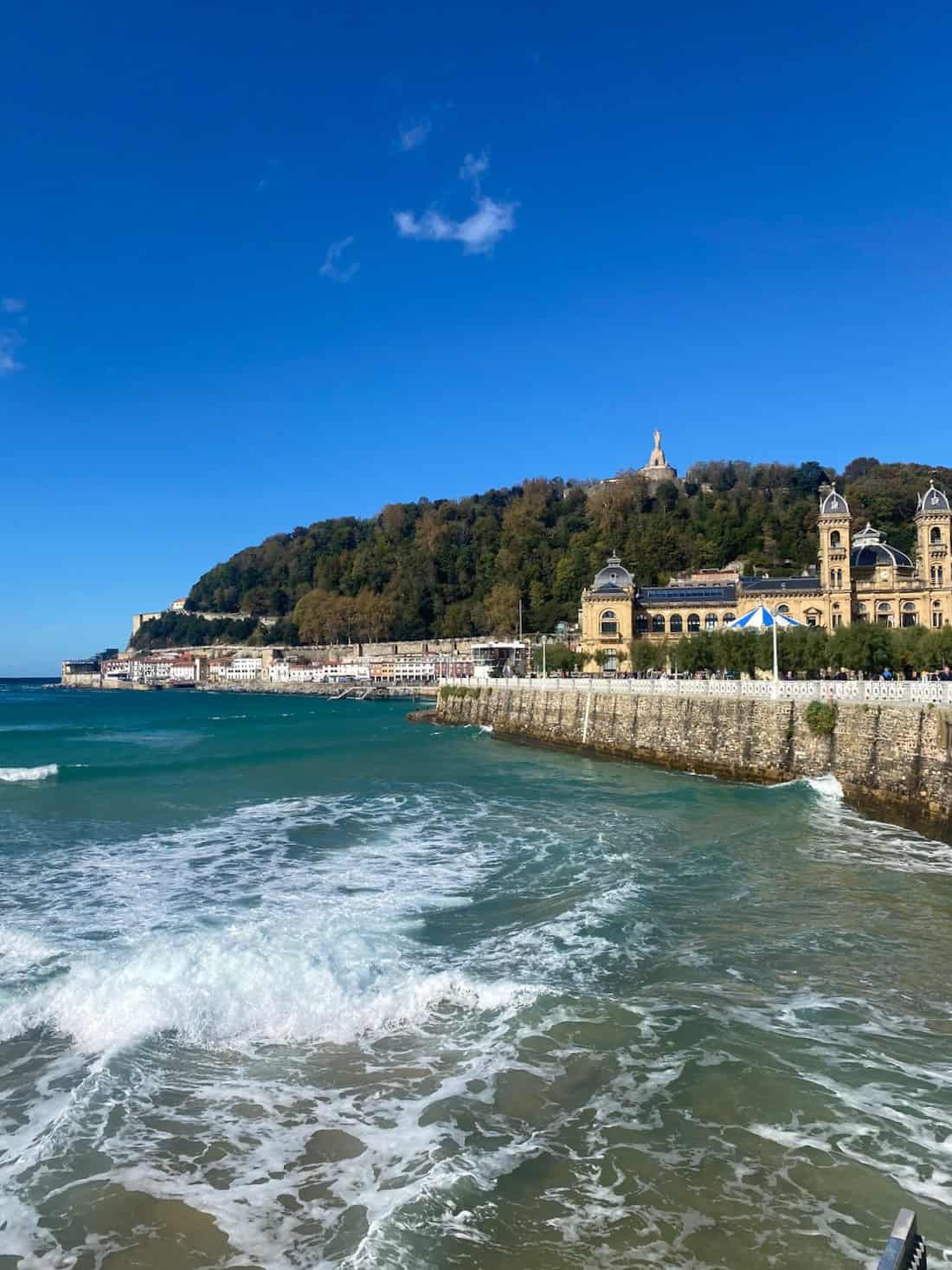
San Sebastián, Northern Spain
Some of the best food, beaches, and nature in Europe — which makes it hugely popular, especially in summer. Still quite cheap overall, particularly if you book early. Peak summer here gets genuinely overwhelming in the main hubs.
Recommendation
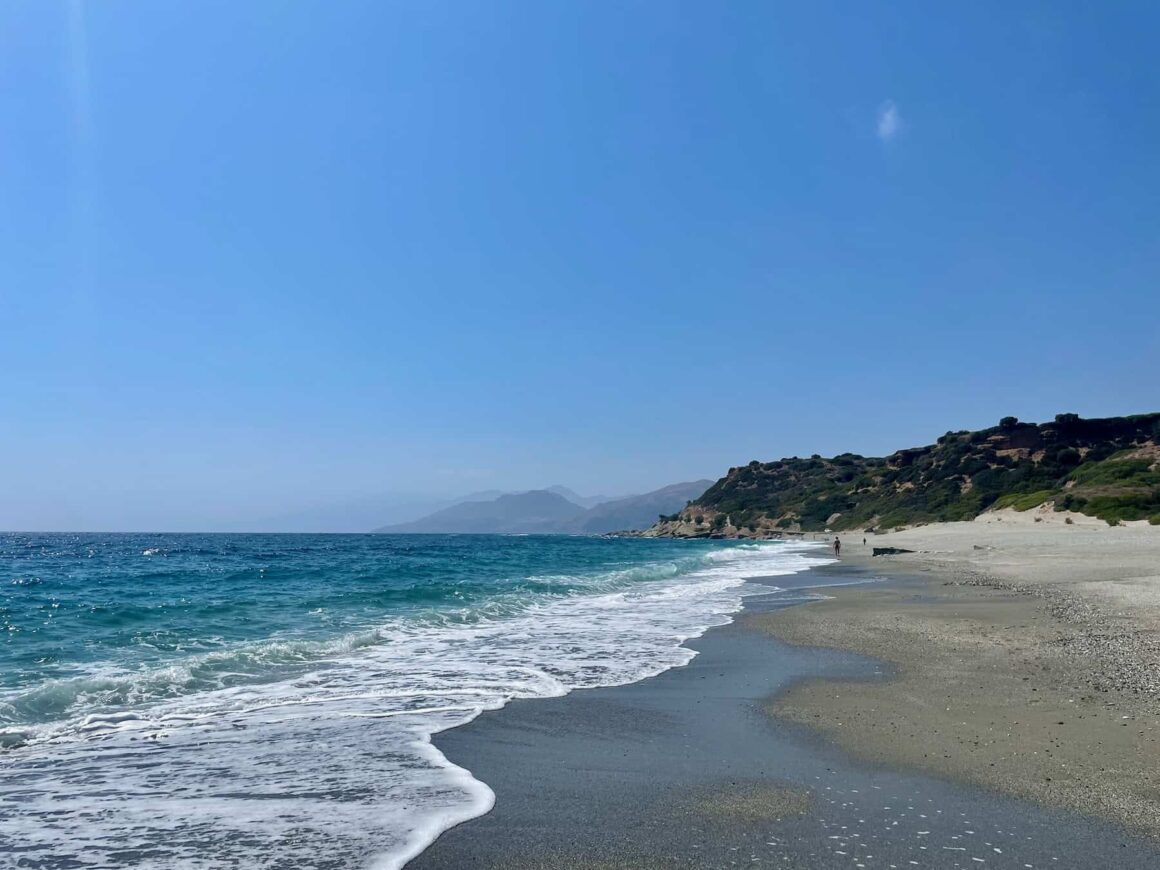
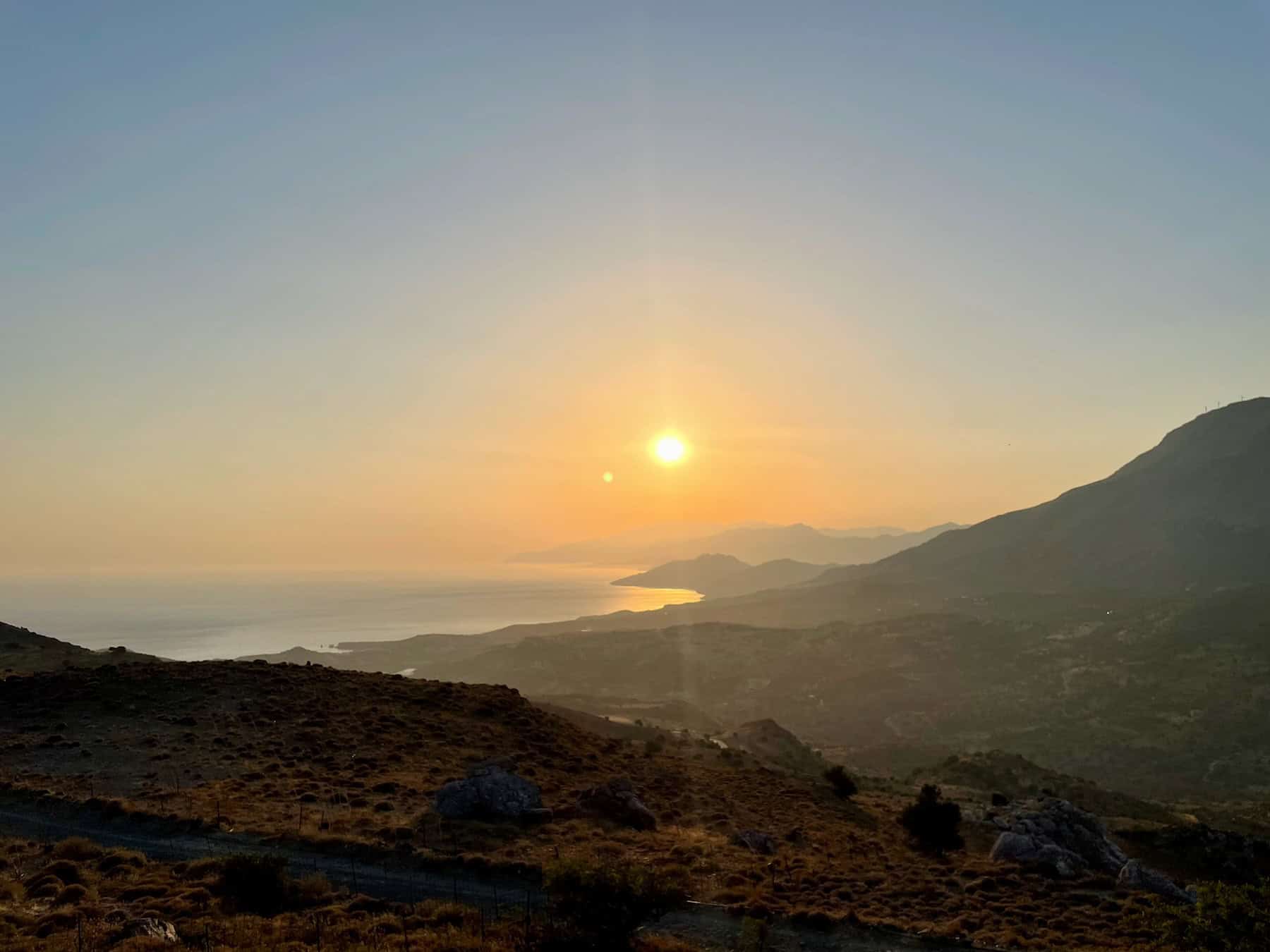
I visited Greece at peak summer and the main island cities were packed to the brim. Venture into the countryside instead and you’ll find quiet towns and beaches even in August — you’ll just need a car.
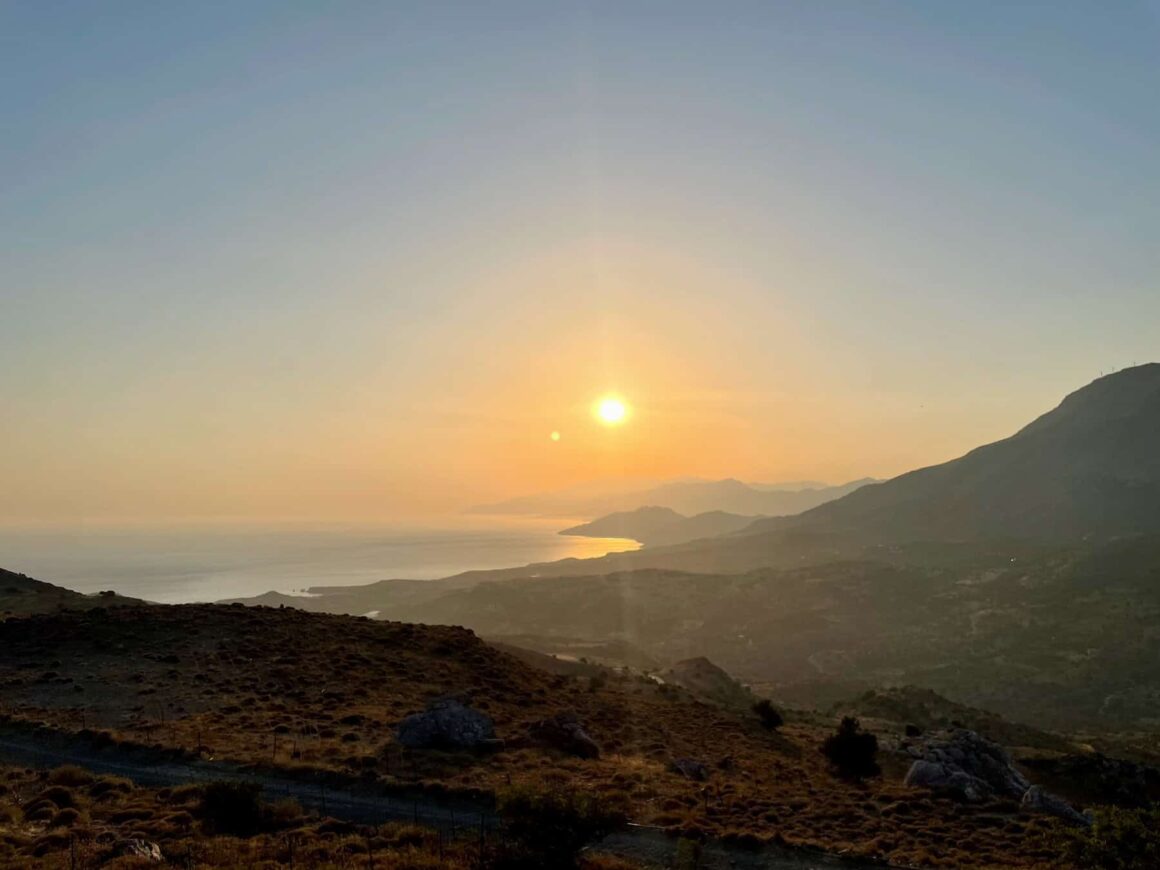
Coastline of Crete, Greece

Home to some of the most beautiful places I’ve visited in Europe — and still some of the least visited. Winters here get properly cold and grey, so aim for the shoulder seasons or summer.
Where Western and Eastern influences have blended for centuries — a genuine mix of Germanic, Slavic, and Hungarian traditions. Home to Prague, Budapest, and Warsaw: medieval castles, gothic old towns, lively cafés and nightlife, and genuinely affordable.
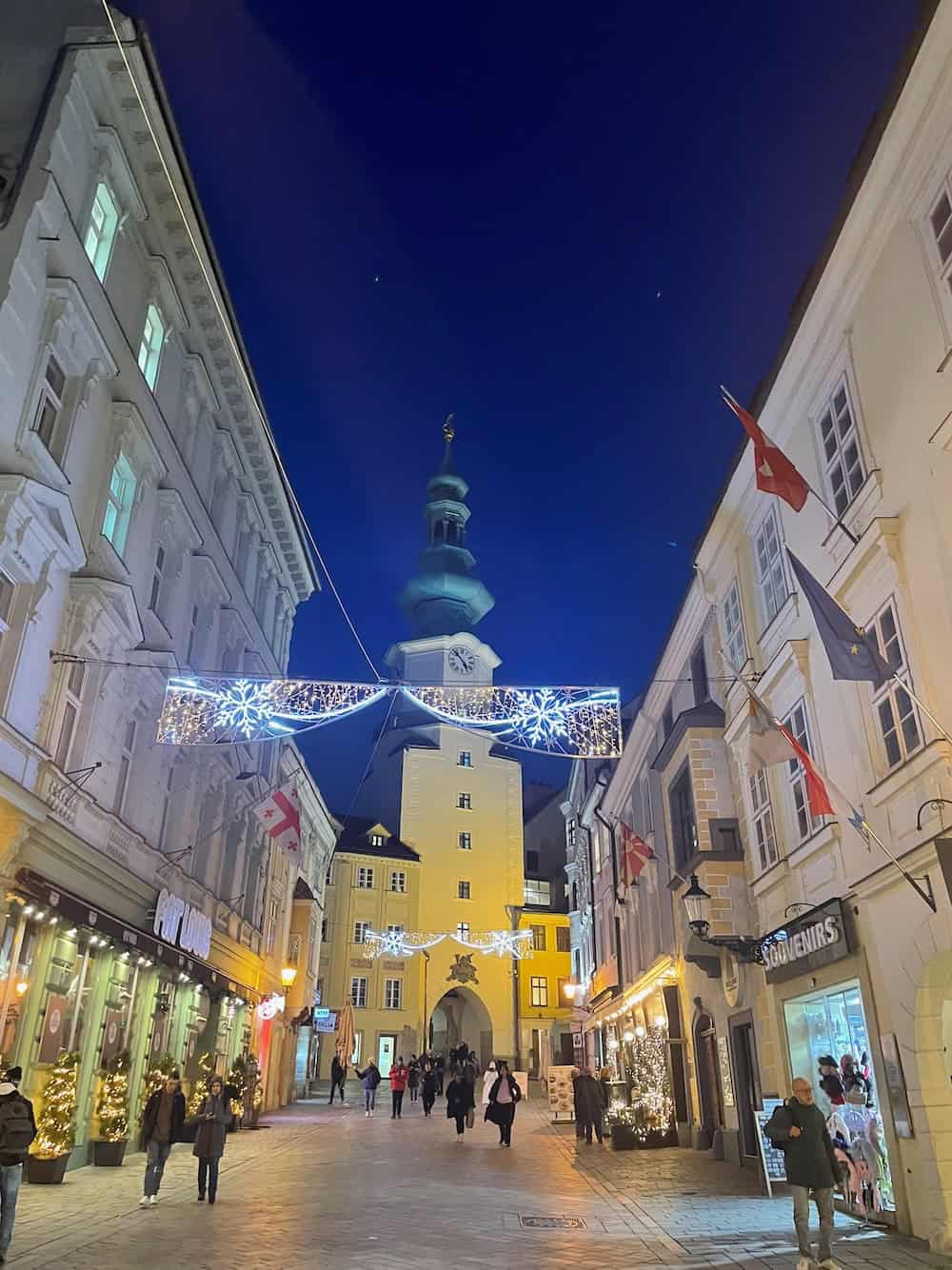
Bratislava Old Town, Slovakia
Croatia is by far the most visited — old towns, mountains, crystal water, islands — especially since adopting the Euro in 2023. Albania, Bosnia & Herzegovina, and Montenegro are catching up fast with similar scenery for less money. North Macedonia, Serbia, Kosovo, and Romania are the least visited and least developed, but reward you with real quiet and near-zero tourism if you’re willing to hire a car.
Recommendation
Best time is beginning-to-mid June — cheaper than peak summer, fewer crowds. I went to Montenegro in mid-June and it was perfect: great weather, great prices, barely any tourists.
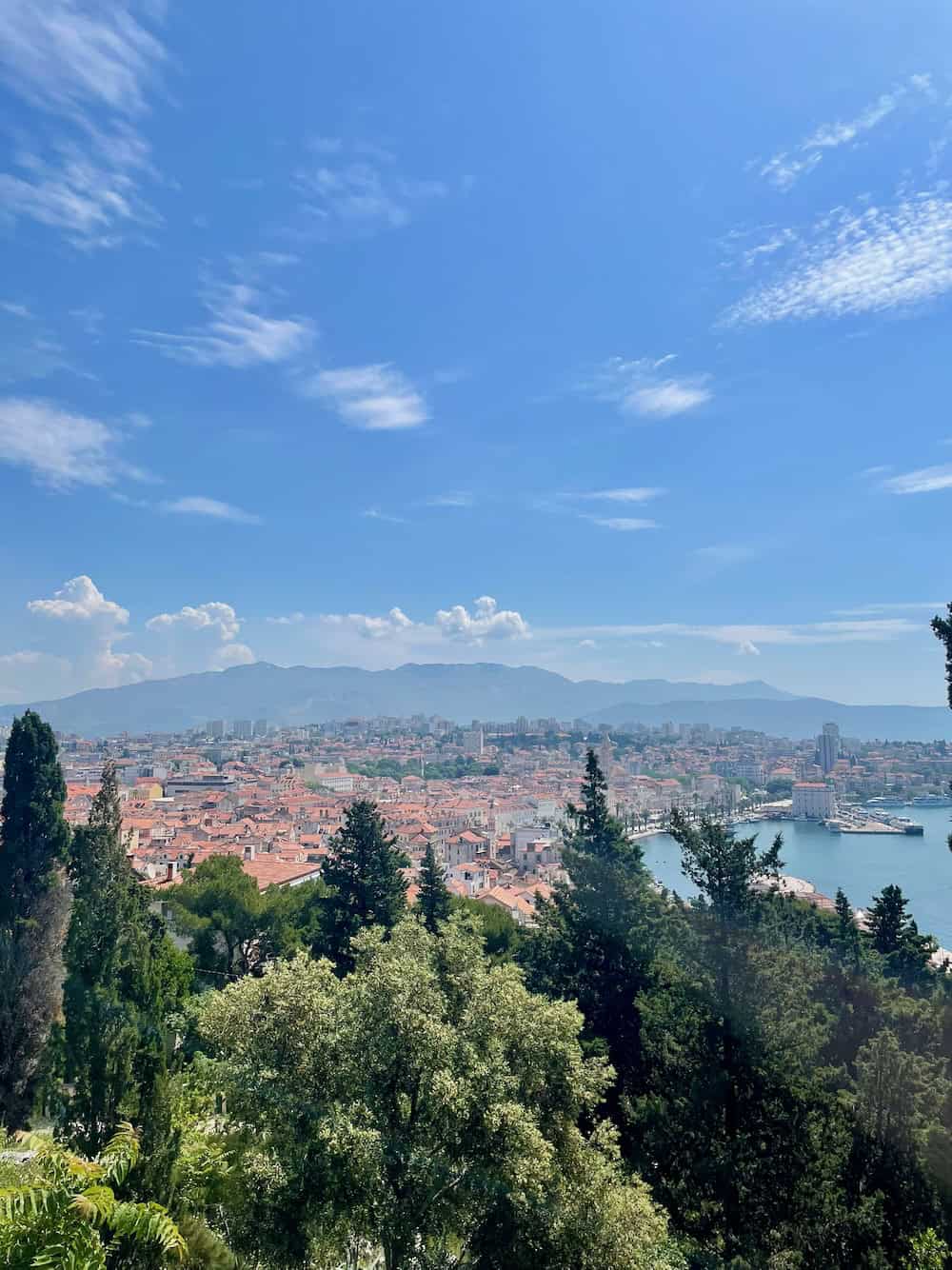
Split, Croatia
TL;DR — The Quick Version
Best months: May, June, September, and October. You get warm weather, fewer crowds, and much cheaper prices than July/August.
Cheapest months: January and February. Prices are at their lowest, but expect cold and grey weather across most of the continent.
Peak season (July/August): The most expensive and crowded time. If you must go, avoid the big tourist cities and head to the countryside.
Where to go on a budget: Southern Europe and Eastern Europe (Balkans especially) offers the best value. Western and Northern Europe are more expensive but worth it if it fits your budget.
Bottom line: If you want the best balance of weather, price, and crowds, book for late May, June, or early September.
≡ Jump To a Section (Click):
Best Months to Go to Europe
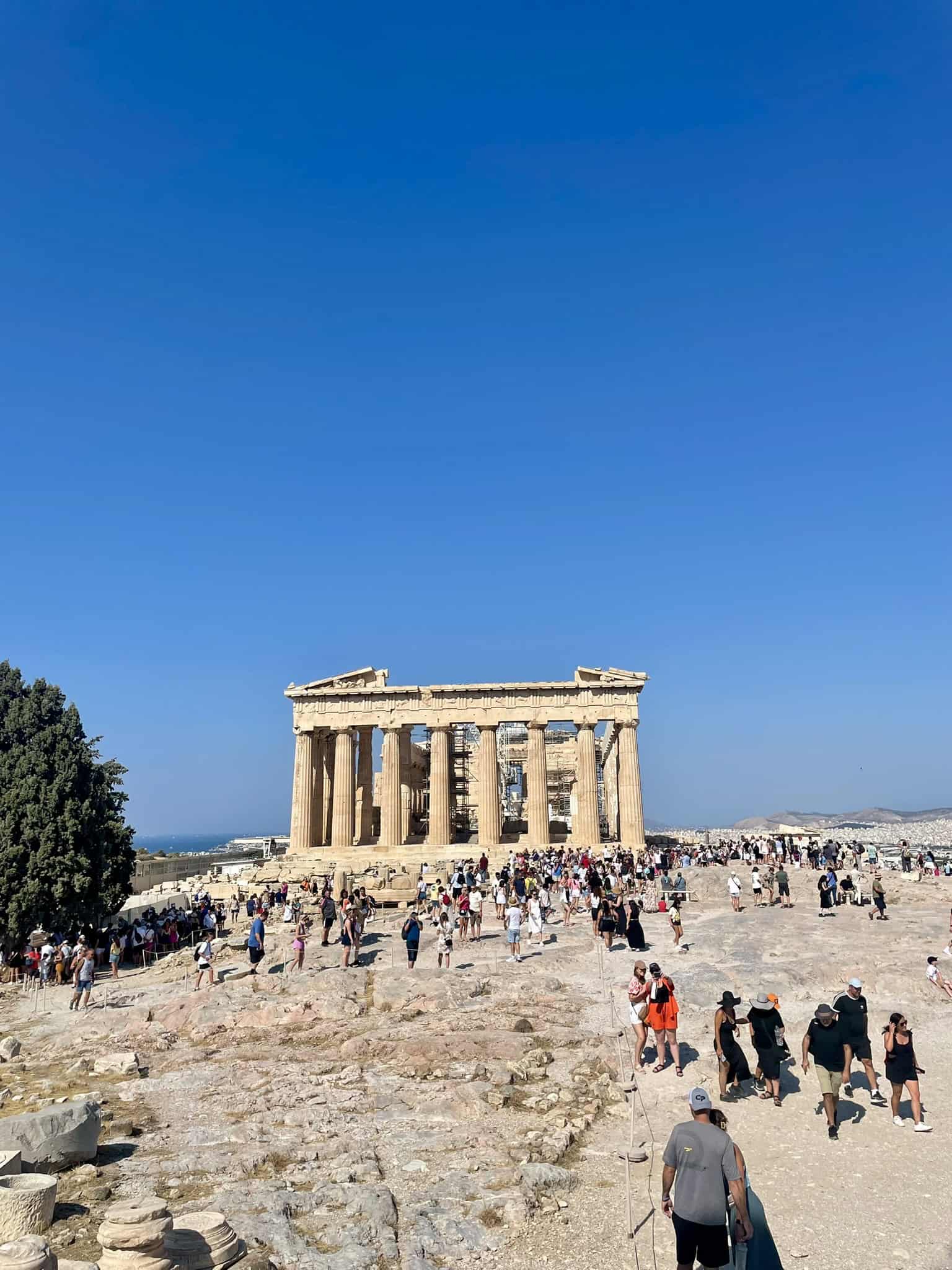
After living in Europe for 5 years, I can confidently say the best time to visit Europe – especially if you’re young, on a budget, and want to avoid crowds – is during the shoulder seasons: May/June and September/October. Prices during these periods are significantly lower than peak summer, and the whole continent is generally quieter and more relaxed.
Europe is at its busiest and most expensive during July and August. Almost every corner of the continent is packed with Northern Hemisphere holiday-makers, which makes the shoulder seasons – when crowds thin out and prices drop – the best time to plan a cheap Europe trip.
Once you know when to go, check out my guide: Travelling Europe by Train and Bus
Note: If you are planning to go to one of the major tourist destinations – like Rome, Paris, Amsterdam, Barcelona – ALWAYS expect there to be lots of tourists no matter what time of the year.
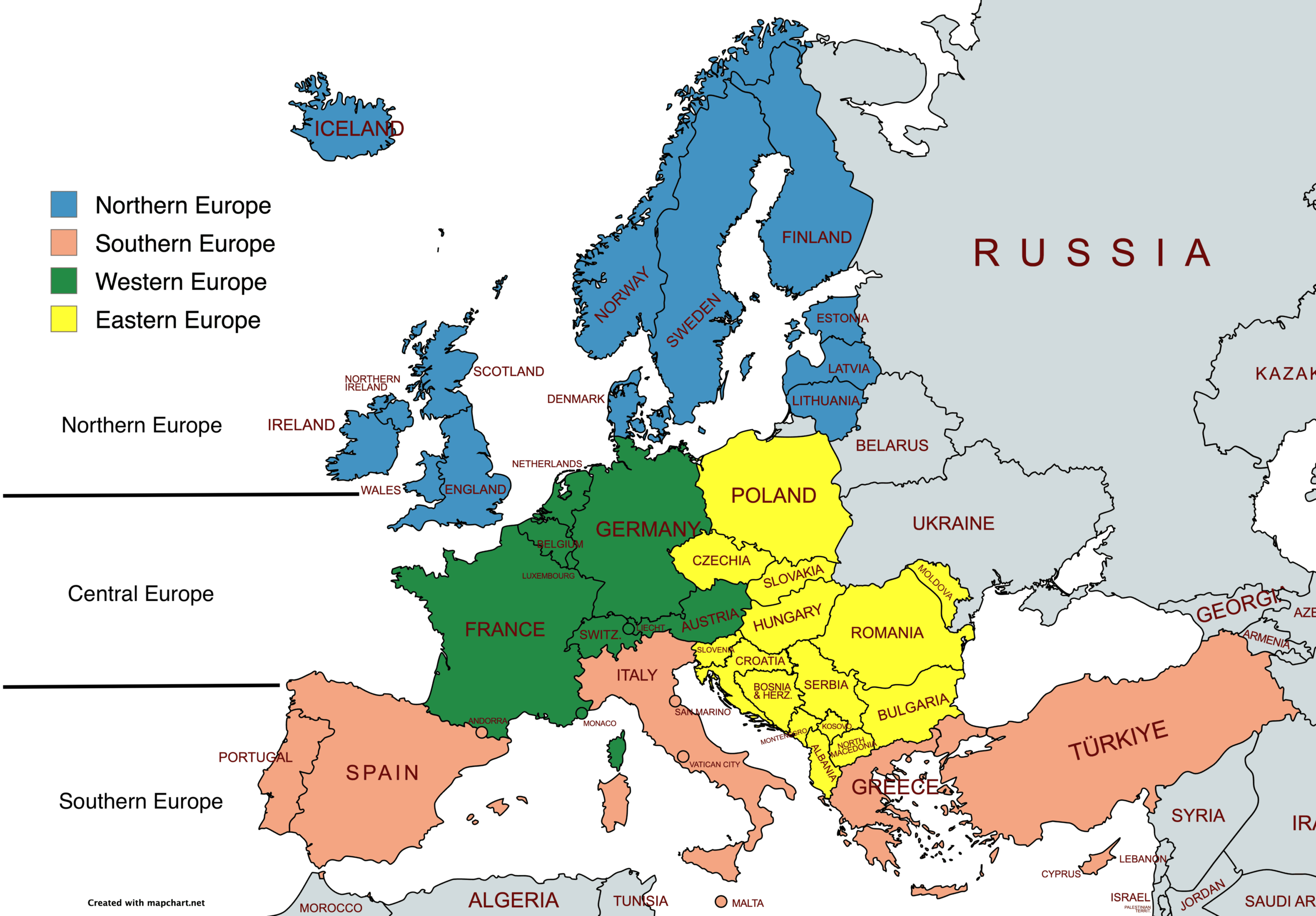
May in Europe – Warm Weather, Low Crowds, and Cheap Prices
Express Overview:
Temperature:
Northern Europe: 13-18°C
Central Europe: 18-22°C
Southern Europe: 20-26°C
Crowd Levels:
● ● ● ● ●
Price
$ $ $ $ $
Personal Recommendation:
Southern Europe
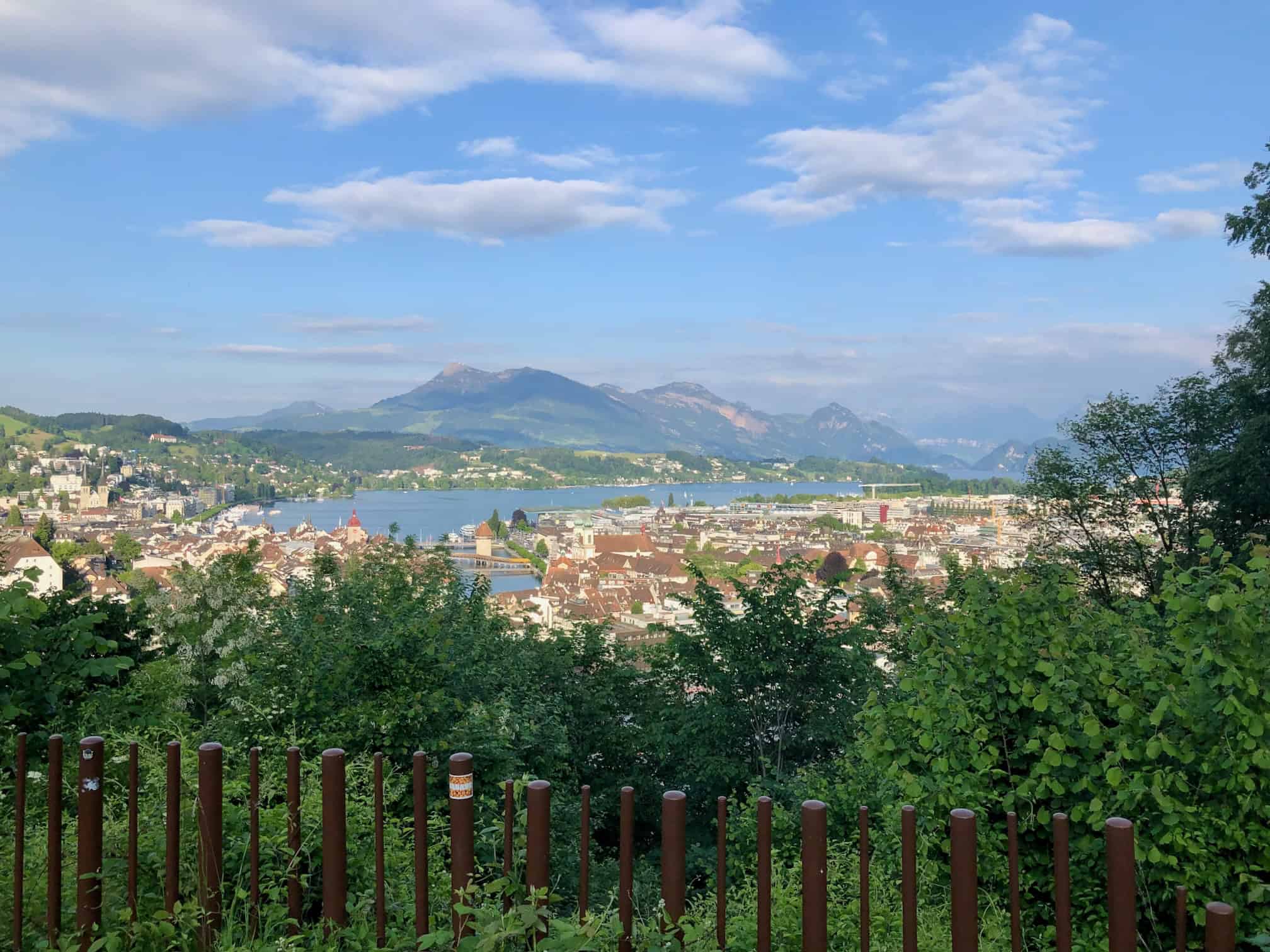
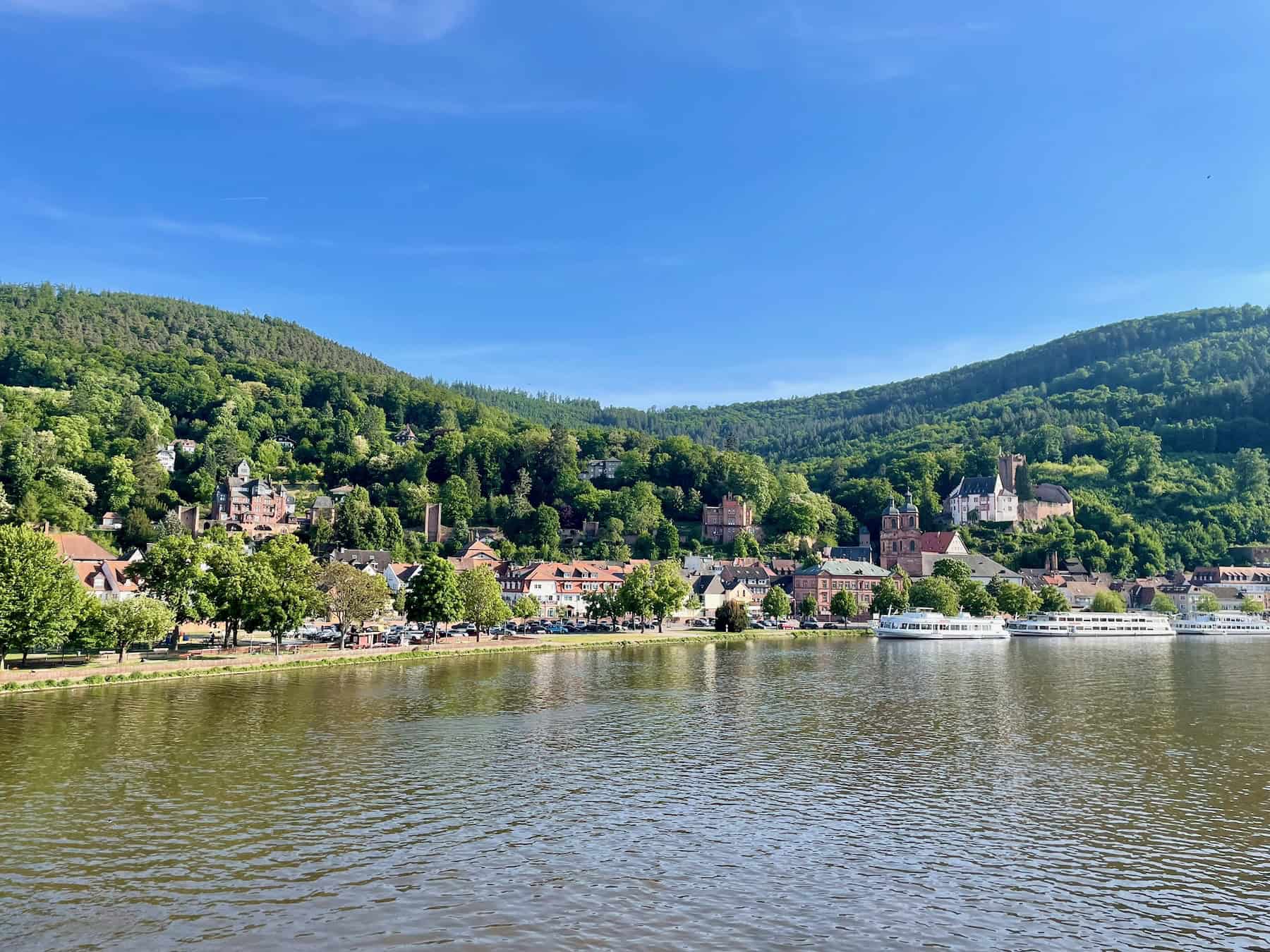
Weather Snapshot
Northern Europe (UK, Sweden, Norway etc.):
- Temperatures around 13-18°C.
- Days are longer, skies brighten, but evenings are still cool
- Trees are greening, but it’s not yet “warm” by summer standards.
Western Europe (Germany, France, Austria, Netherlands etc.):
- Mild temperatures, around 20°C.
- Terraces reopen, parks fill up and the general vibe becomes more upbeat as summer approaches.
Southern Europe (Spain, Italy, Greece etc.):
- Mid 20°C temperatures with lots of sunshine.
- Warm enough to go swimming in most places.
Eastern Europe (Poland, Hungary, Montenegro, Albania etc.):
- In the north (Poland, Hungary), around 20°C.
- The Balkans (Croatia, Albania, Montenegro), warm faster – mid 20°C.
- A mix of spring and early summer.
Crowds and Prices
- May is still part of the shoulder season so much fewer tourists than in the peak summer months.
- Prices are slightly higher than winter, but still far below July and August.
- May is the month with some of the best weather with the least crowds.
Best for
- Warm – but not hot – travel.
- Avoiding crowds.
- Early beach weather in the south.
- Budget-conscious travellers who want warm weather.
Personal Recommendation
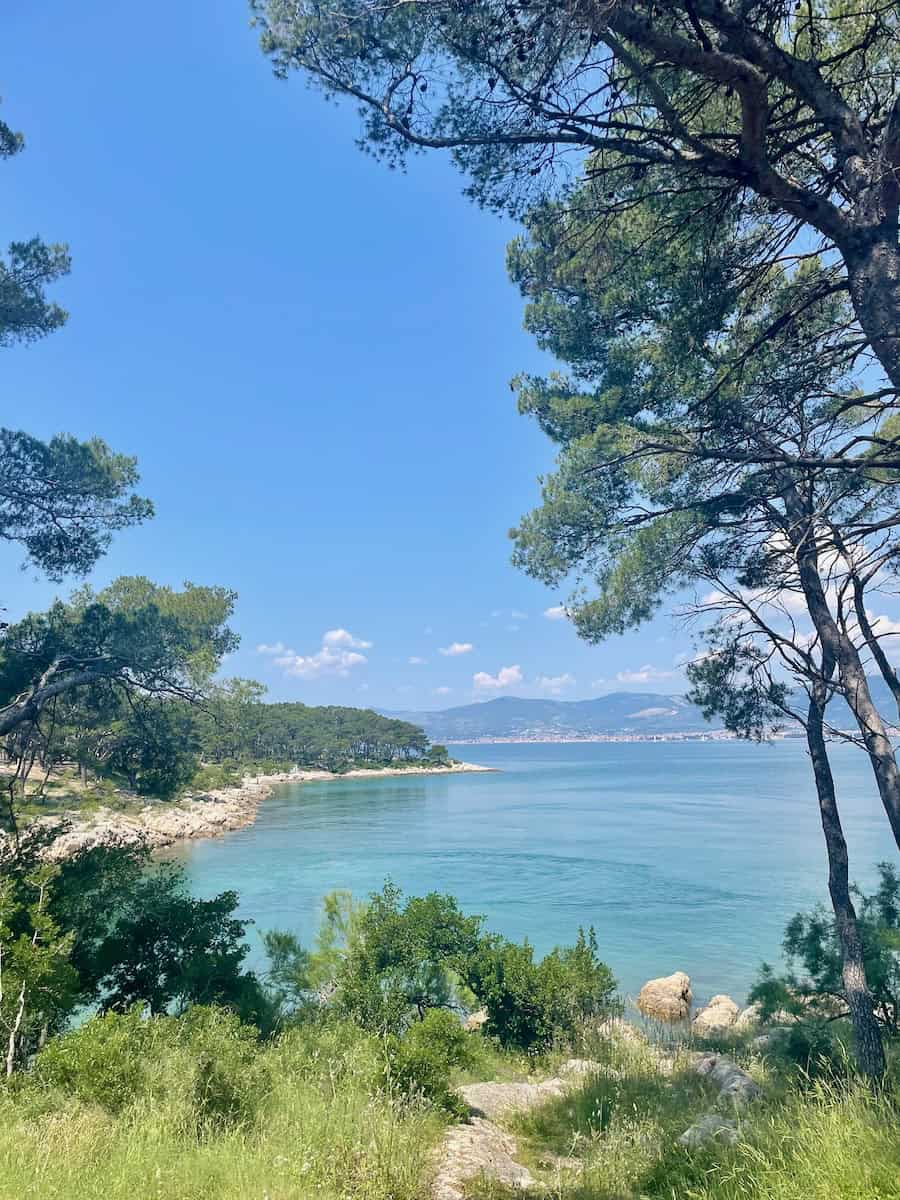
Best time to go to Southern Europe – in particular the Mediterranean and Balkans (Croatia, Greece, Southern Spain and Southern Italy etc.). You avoid crowds, get summer weather, and pay sometimes half of what you would pay in the middle of summer.
These places are some of the busiest during the high season, so going in May is the best time.
I went to Croatia in May, and the crowds were still small, prices were cheap, and the weather is more than warm enough to go for a nice swim.
June – Summer Temperatures, Summer Festivals in Full Swing
Express Overview:
Temperature:
Northern Europe: 17-22°C
Central Europe: 20-25°C
Southern Europe: 25-30°C
Crowd Levels:
Start of June: ● ● ● ● ●
End of June: ● ● ● ● ●
Price
If you book early:
$ $ $ $ $
Personal Recommendation:
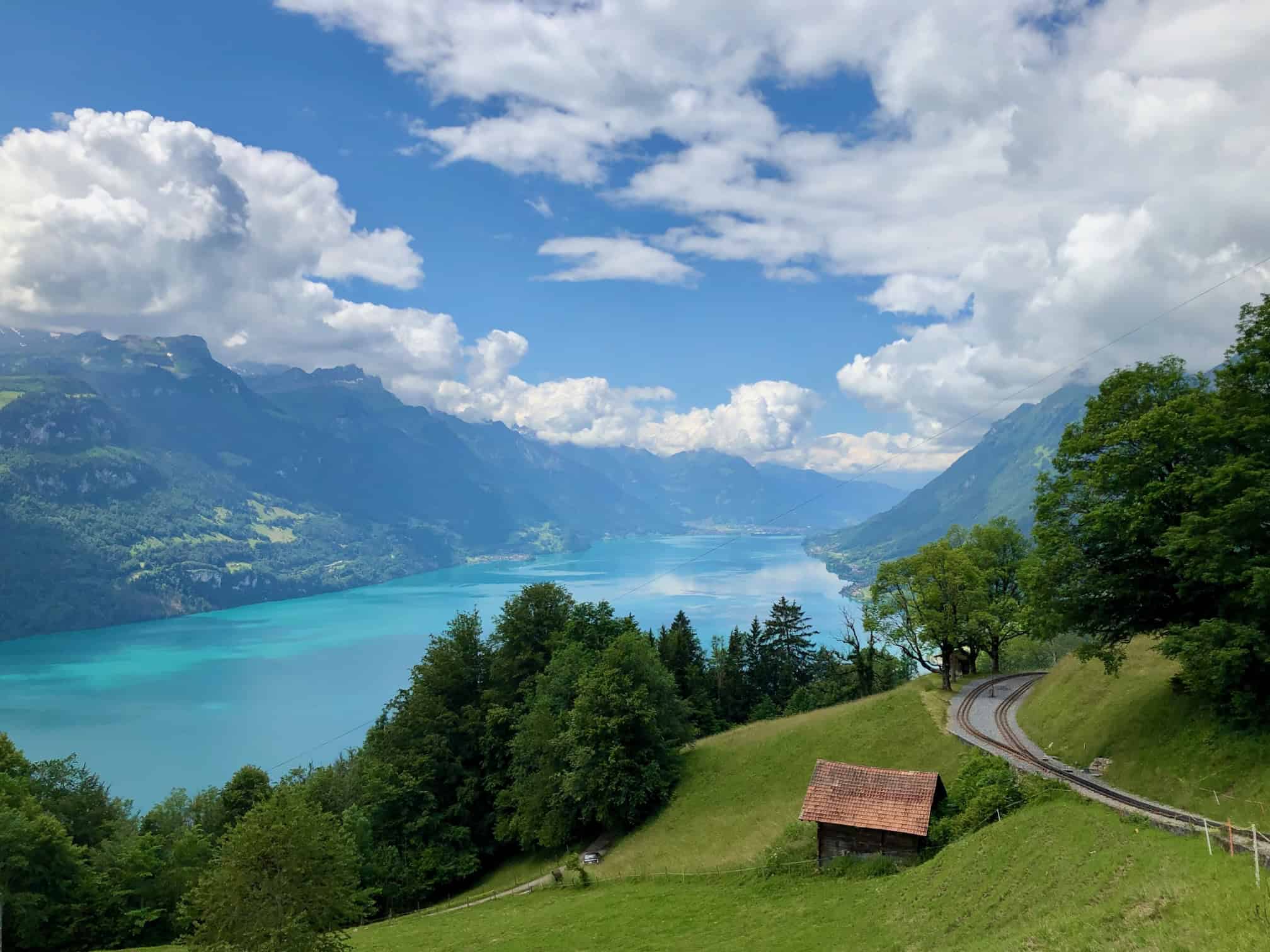
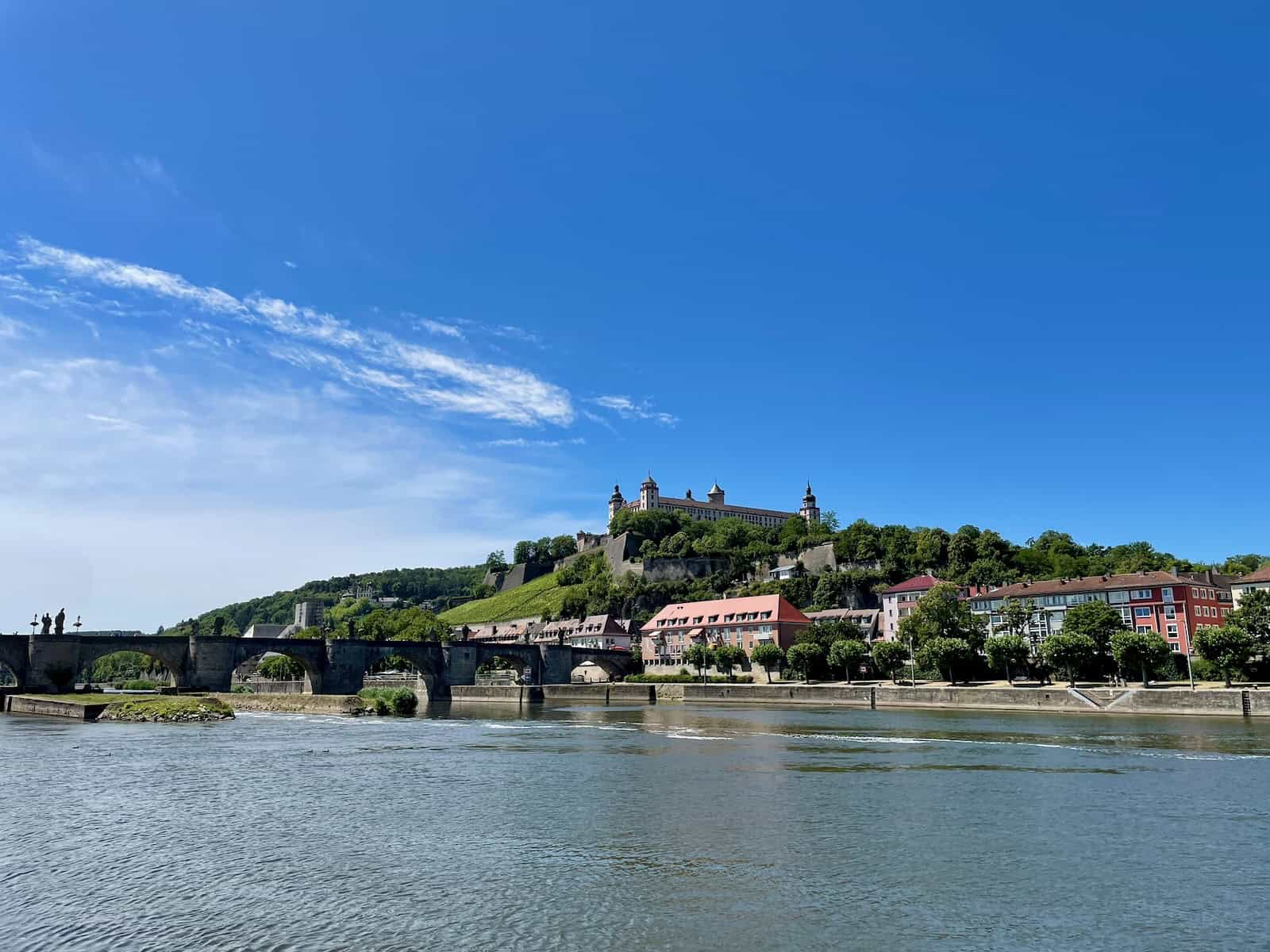
It doesn’t matter where you go. June is the perfect balance between weather, price and crowds.
Weather Snapshot
Northern Europe (UK, Sweden, Norway etc.):
- Daytime highs generally sit around 17–20°C in the UK and 18–22°C across Scandinavia
- Long daylight hours and cool nights.
Western Europe (Germany, France, Austria, Netherlands etc.):
- Typical highs range from 20–25°C.
- Comfortably warm with occasional rain.
- Evenings are mild, and outdoor dining is in full swing.
Southern Europe (Spain, Italy, Greece etc.):
- Expect 24–30°C in coastal Spain and Italy.
- 29°C or higher in Greece – this is when the Mediterranean starts to truly feel like summer.
- Hot, dry, and reliably sunny.
Eastern Europe (Poland, Hungary, Montenegro, Albania etc.):
- Cities like Budapest and Warsaw reach mid-20’s.
- Coastal Balkans (Montenegro, Albania, Croatia) often sit in the mid-to-high 20s with plenty of sunshine.
Crowds and Prices
- June marks the start of the peak summer season.
- Crowds pick up, but not yet overwhelming.
- Prices begin to rise – especially in coastal destinations – but you can still find great prices if you book early compared to July and August.
Best for
- Experiencing a classic European summer without the peak-season chaos.
- Beach and mountain adventures across Southern Europe.
- Hiking in the Alps before the July-August crowds arrive.
- Long sightseeing days thanks to extended daylight.
- Warm weather and lively cities.
Personal Recommendation
June is the month where you can’t go wrong going anywhere in Europe. The weather is warm continent‑wide, trees are green, the sun is out with only the occasional rain. The crowds are also manageable compared to July and August.
If you want a true European summer feeling – sun, long evenings, outdoor dining, festivals – without the mass crowds of July and August, June hits the sweet spot.
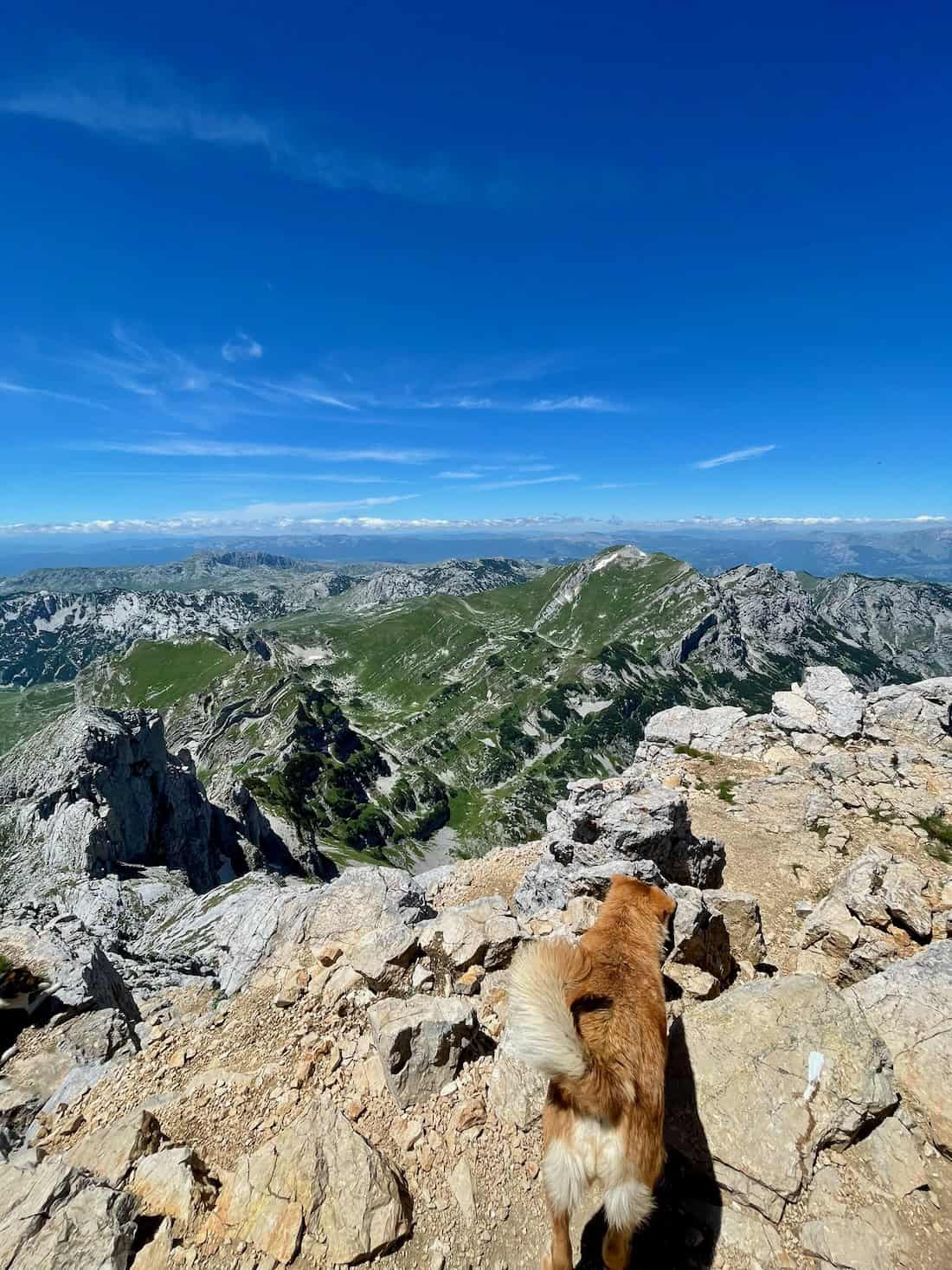
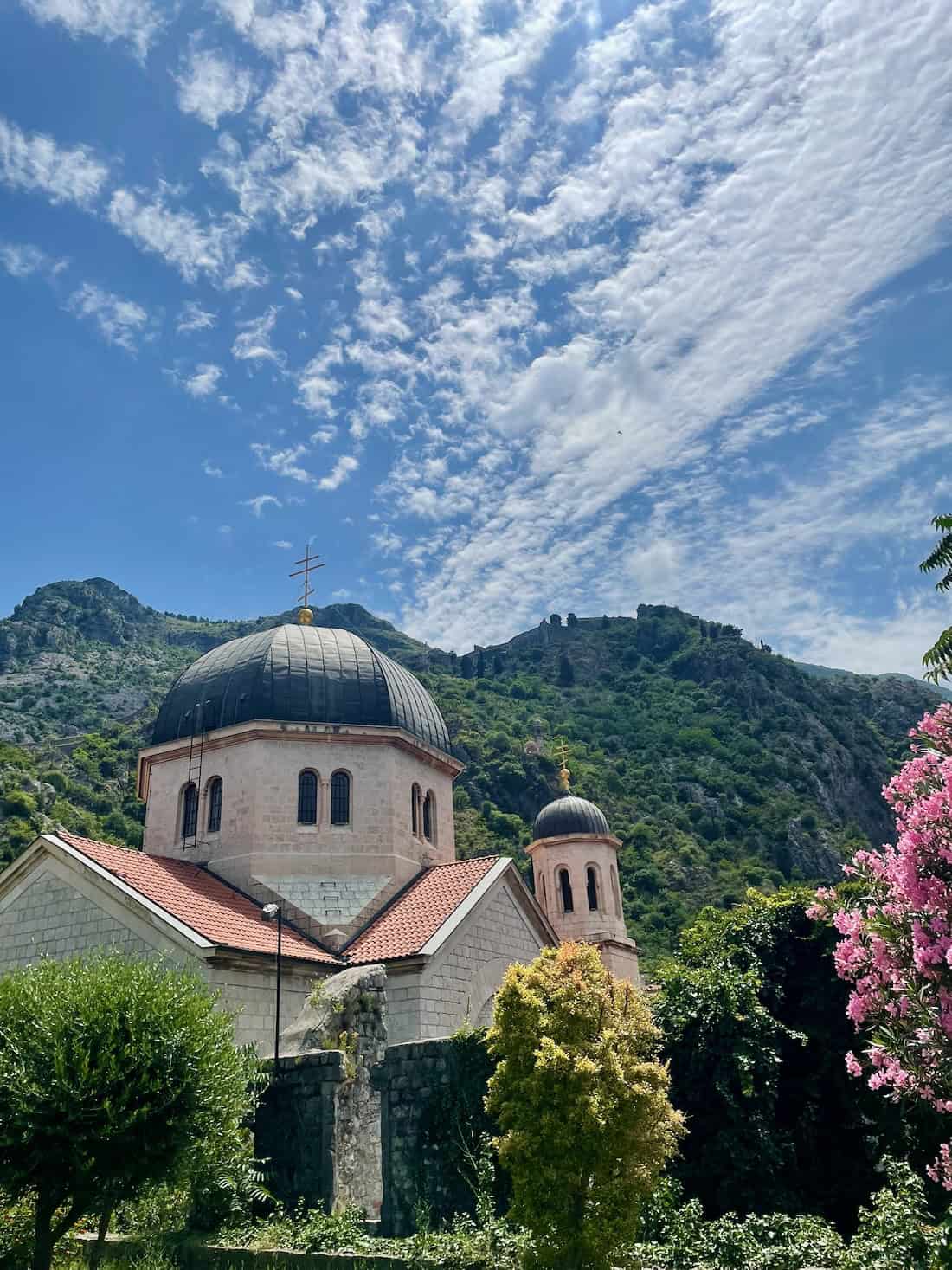
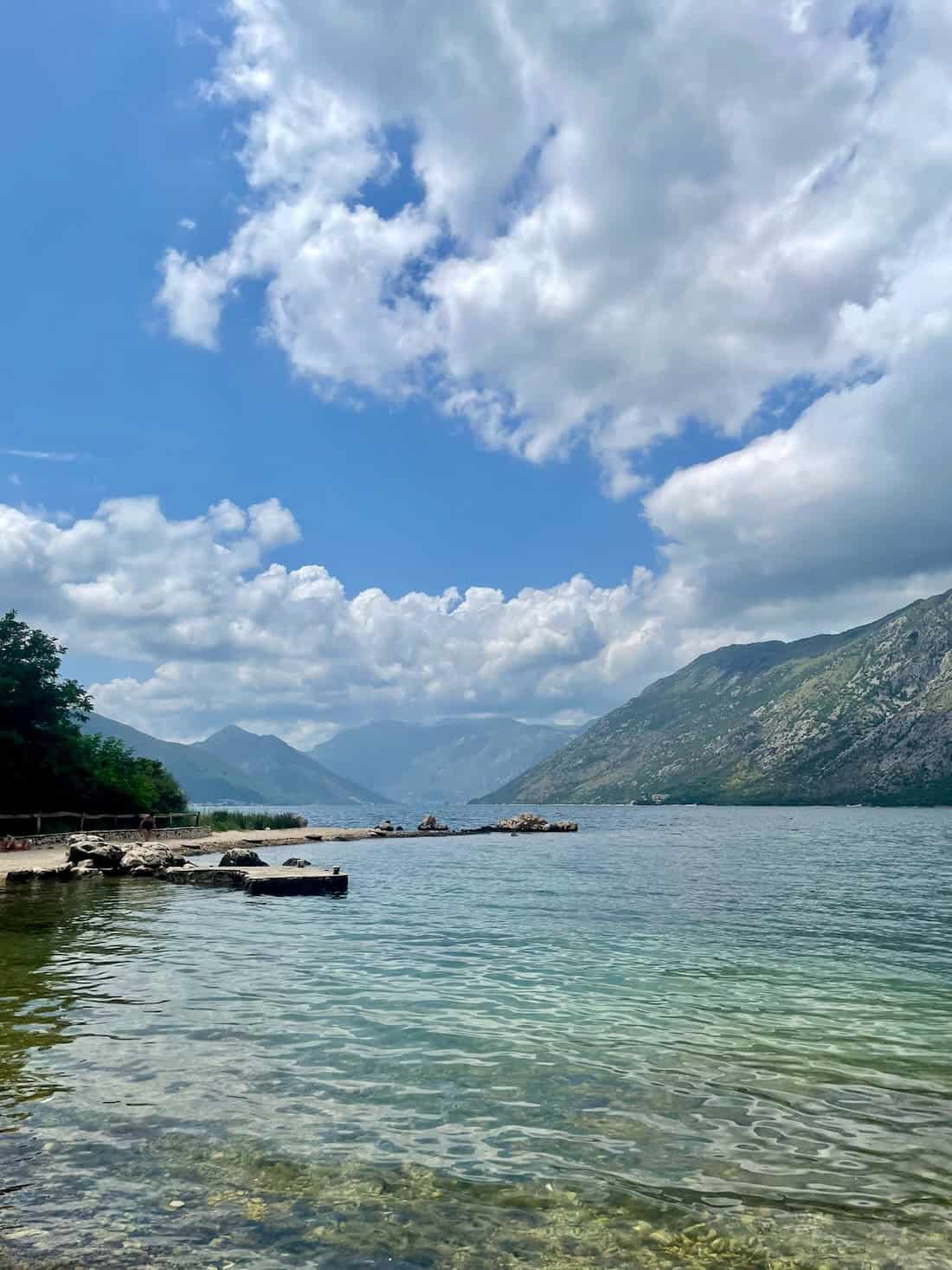
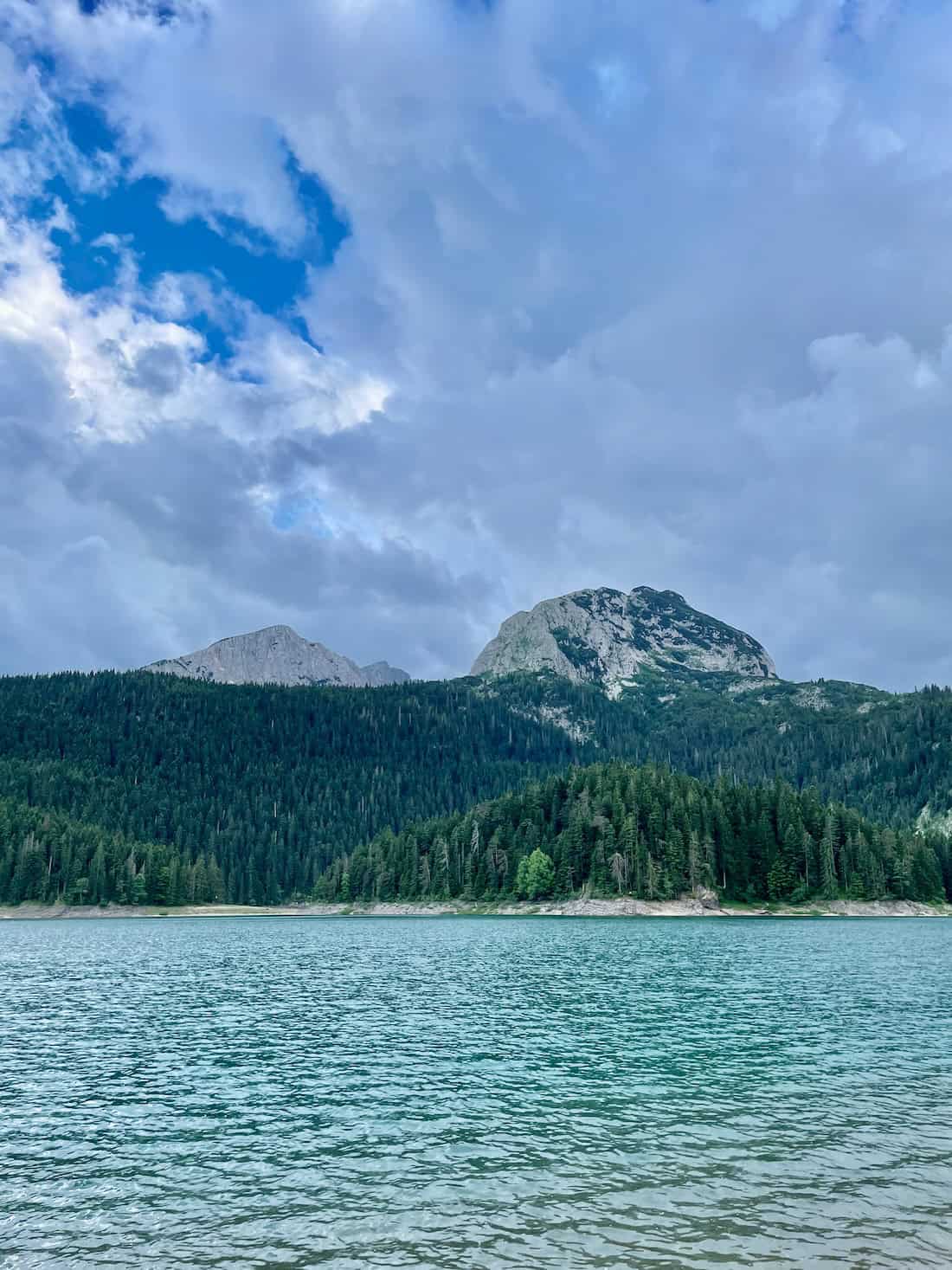
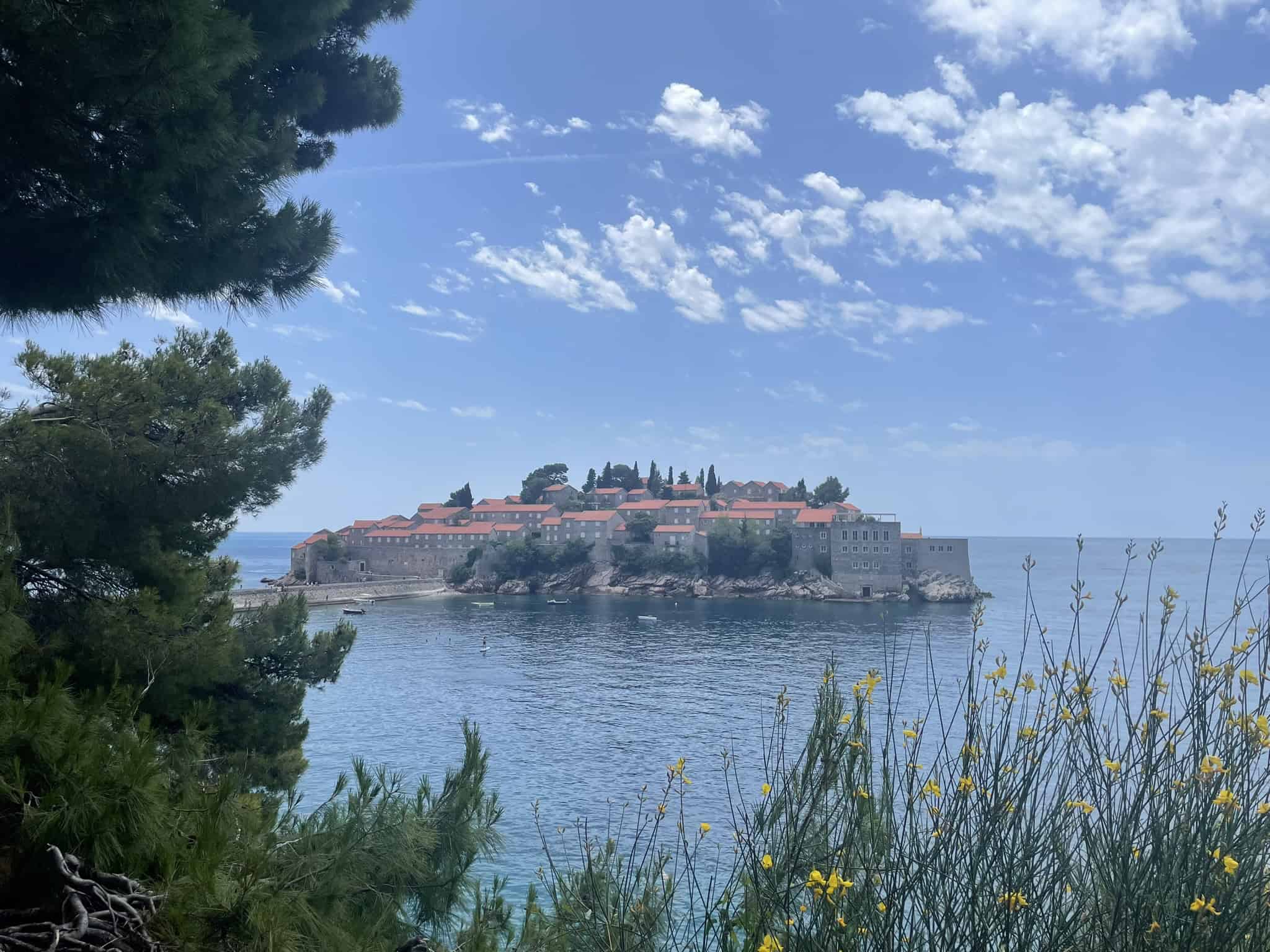
I went to Montenegro in June, and it was one of my favourite trips. Amazing weather, crystal clear beaches, beautiful hikes and amazingly cheap prices. A real summer balkans experience without the crowds.
September – Good Weather, Smaller Crowds
Express Overview:
Temperature:
Northern Europe: 15-20°C
Central Europe: 18-23°C
Southern Europe: 25-30°C
Crowd Levels:
● ● ● ● ●
Price
$ $ $ $ $
Personal Recommendation:
Western Europe, the Alps, Scandinavia
Weather Snapshot
Northern Europe (UK, Sweden, Norway etc.):
- Daytime temperatures hover around 15-20°C in most places.
- Days start to get shorter
- Expect a little bit of rain – however it is far from the winter gloom.
Western Europe (Germany, France, Austria, Netherlands etc.):
- Mid 20 temperatures at the beginning of the month
- Shift into the high teens towards the end.
- Outdoor dining starts to wind down but still a good time to catch the last of the summer festivals.
Southern Europe (Spain, Italy, Greece etc.):
- Beautiful sunny temperatures between 25-30°C.
- Sea temperatures remain warm, and the intense heat of July/August eases.
- Beaches are still beautiful to swim in.
Eastern Europe (Poland, Hungary, Montenegro, Albania etc.):
- The northern regions average about 18-22°C.
- The Balkans are still relatively warm often even reaching the high 20’s.
- The coastal countries in the Balkans are a beautiful place to soak up the last of the summer temperatures.
Crowds and Prices
- A noticeable drop in summer tourists.
- Prices also drop compared to July and August, especially for accommodation.
- Beaches, cities and national parks are fewer crowded but still lively.
- Weather remains reliable in the southern regions making it popular with late European holiday makers.
Best for
- Warm Mediterranean and coastal Balkan beach holidays without the peak-season chaos (though still busier than in May)
- City breaks with milder temperatures and fewer crowds.
- Hiking and nature trips (Alps, Balkans, Pyrenees).
- Budget conscious travellers wanting to avoid high summer prices but still enjoy warm temperatures.
Personal Recommendation
September is another great month for exploring most parts of Europe — in particular the beginning of September you cannot go wrong.
Towards the end of September, temperatures really start to fall, so if you want to escape the cold, head down south where the weather is still warm and sunny.
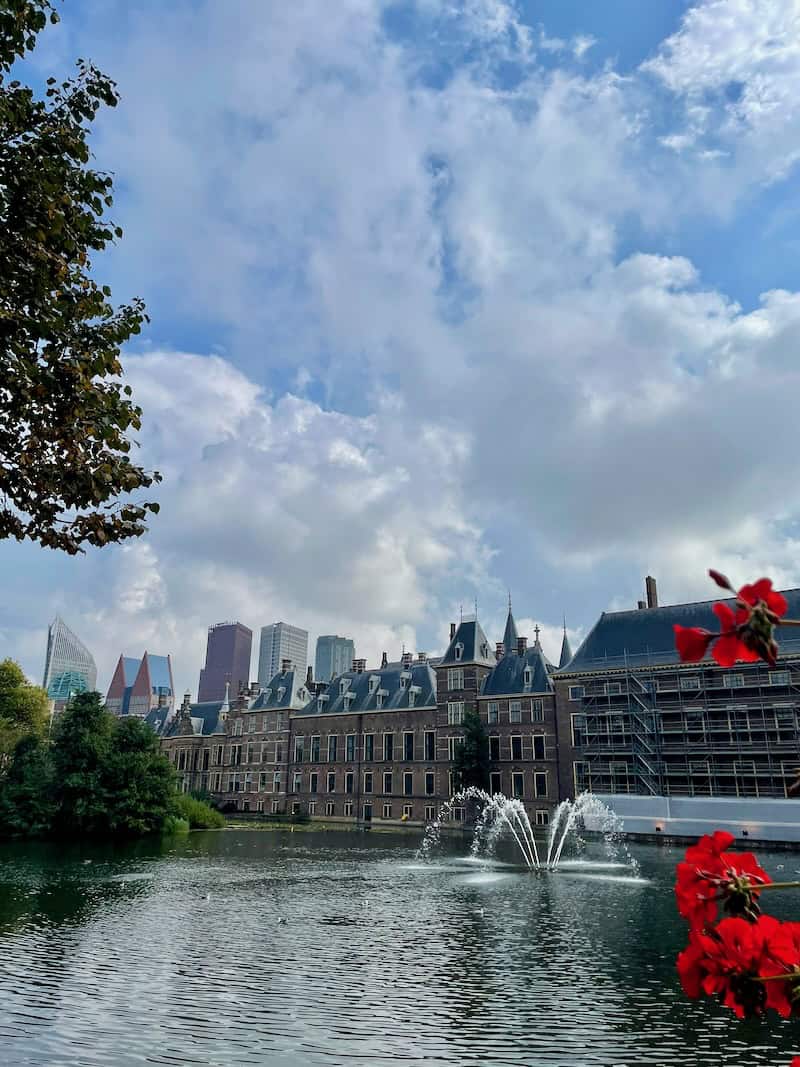
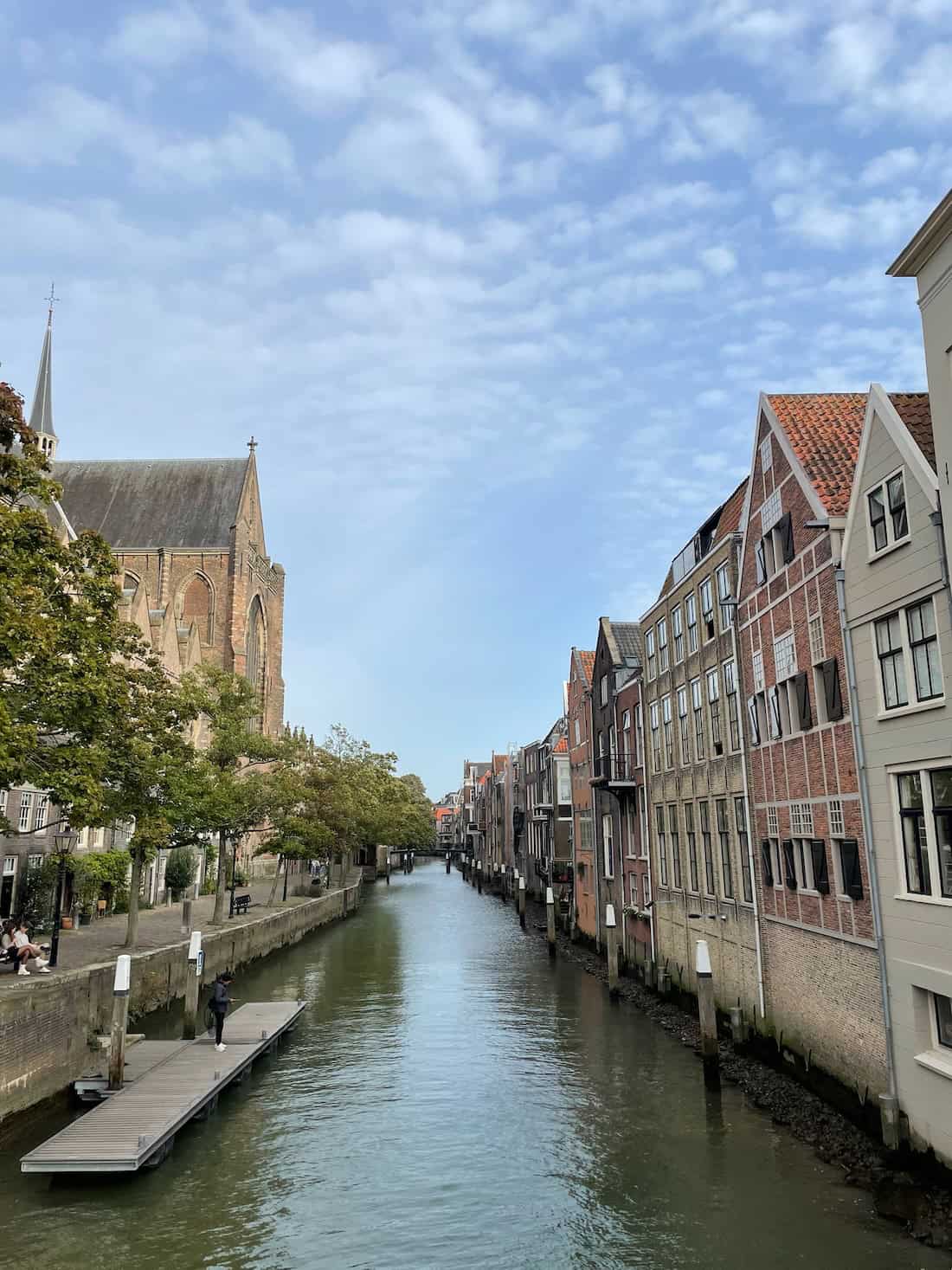
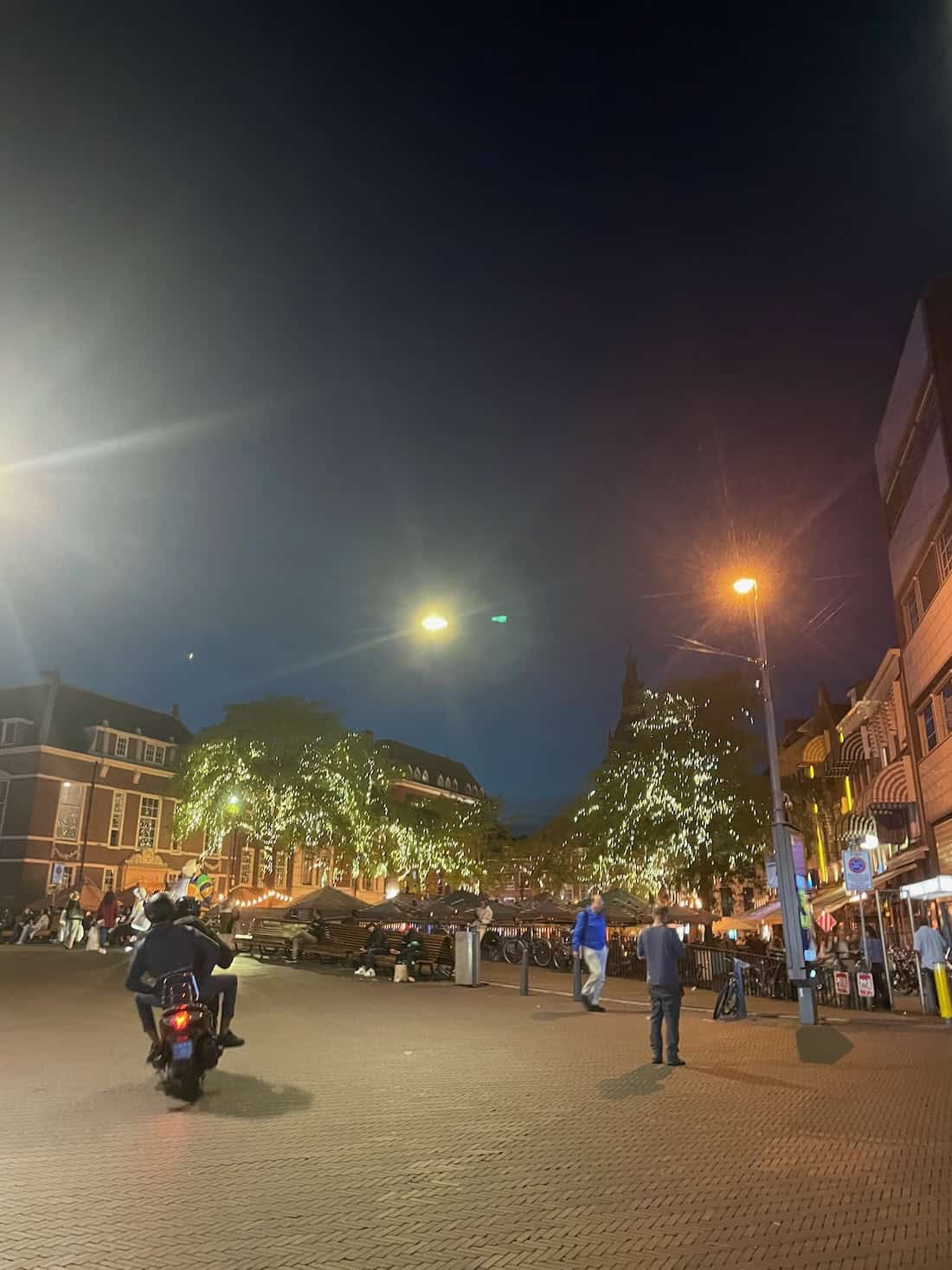
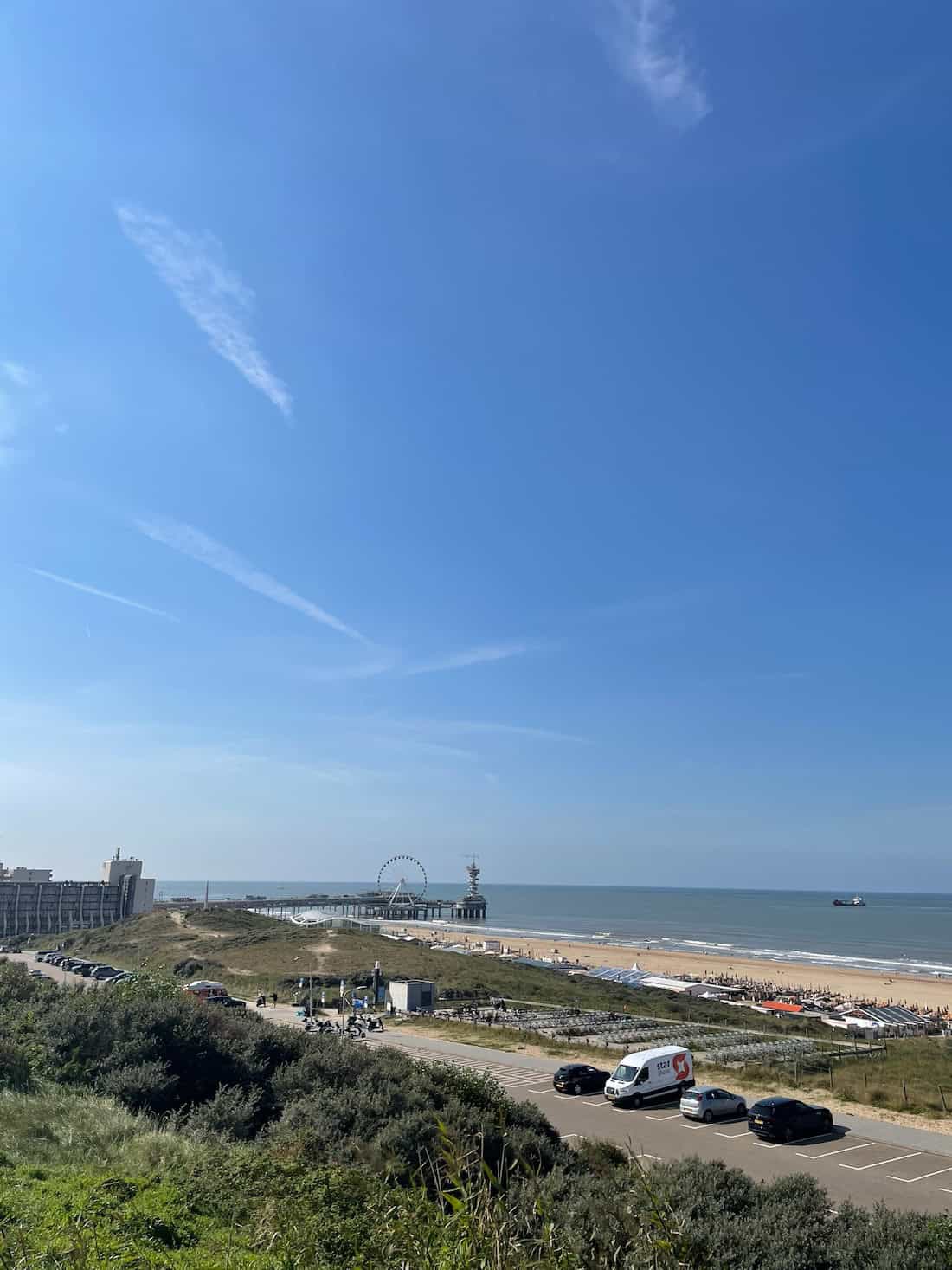
A lot of Europe’s big tourist cities really quiet down in September.
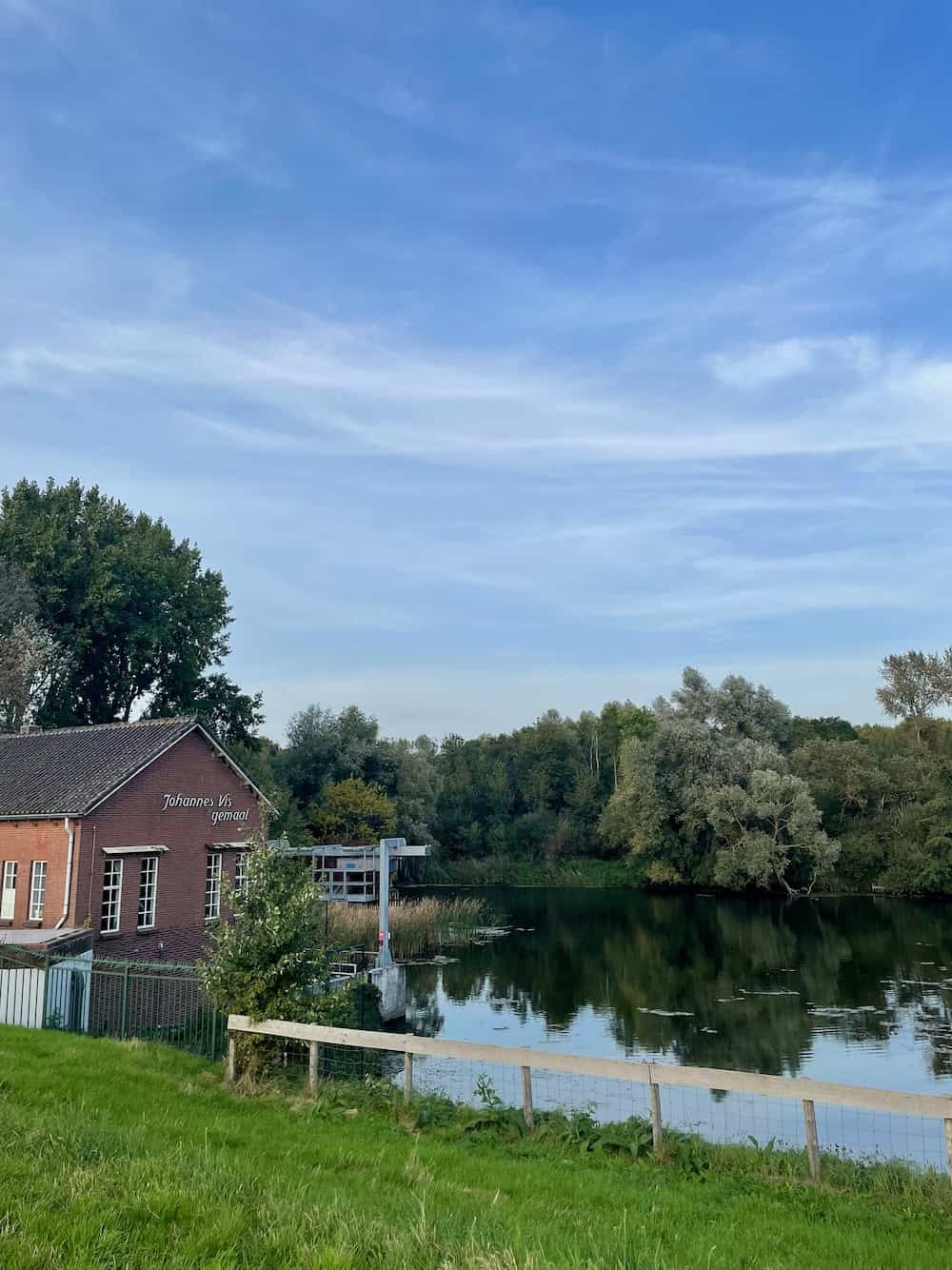
I went to the Netherlands in September and I thought it was an amazing time to go. The cities are quieter than they normally are, the trees are still green, the weather is still warm and the nightlife is still buzzing.
October – Beautiful Autumn Scenery
Express Overview:
Temperature:
Northern Europe: 8-12°C
Central Europe: 13-18°C
Southern Europe: 20-25°C
Crowd Levels:
● ● ● ● ●
Price:
$ $ $ $ $
Personal Recommendation:
Anywhere in Central and Northern Europe to enjoy the Autumn colours
Weather Snapshot
Northern Europe (UK, Sweden, Norway):
- Daytime highs sit between 8-12°C.
- Rain becomes more frequent – but not as bad as winter – evenings are chilly, and daylight hours shorten quickly.
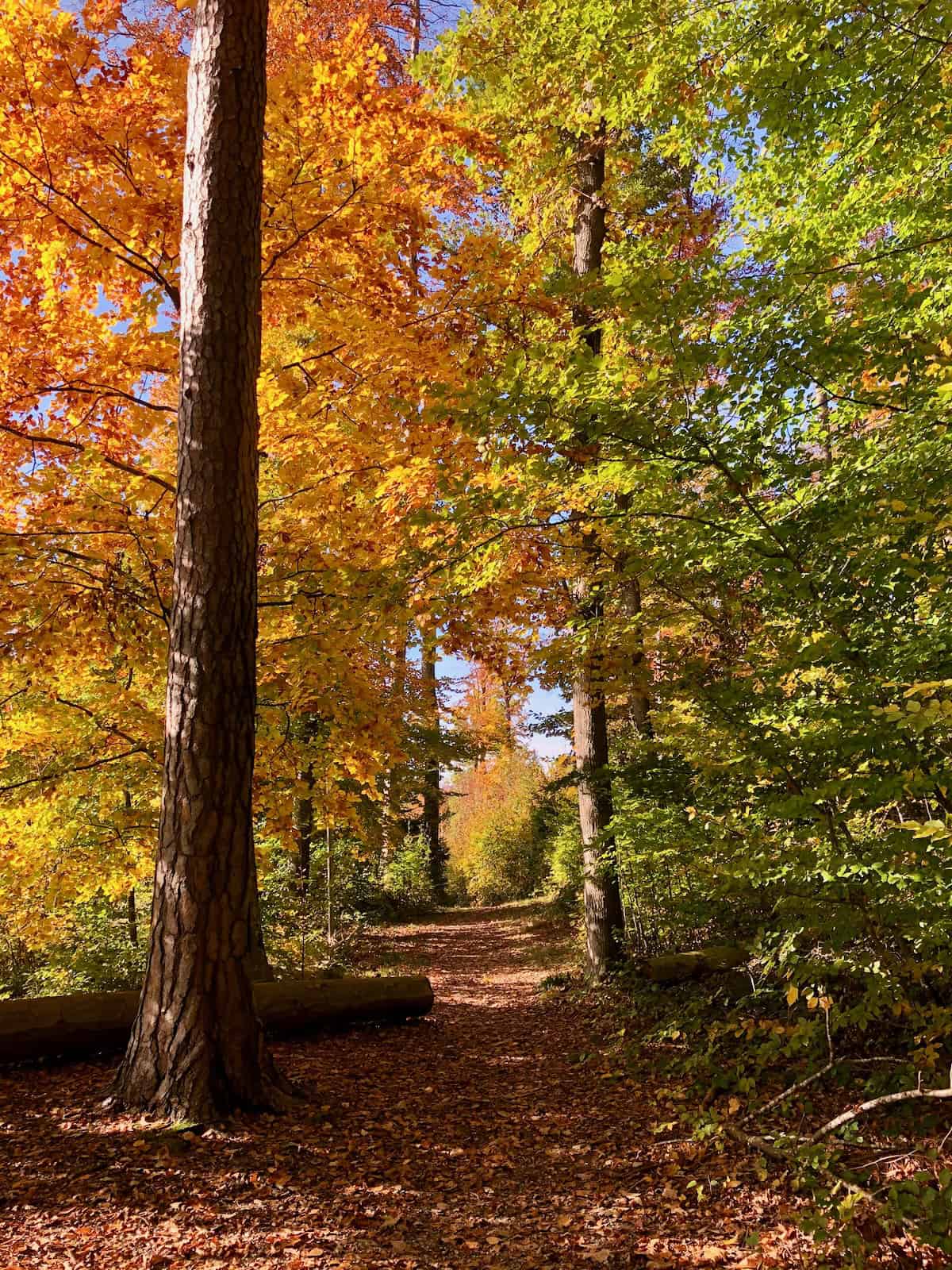
- Trees turn bright yellow and orange, making cities and the countryside incredibly scenic.
Western Europe (Germany, France, Austria, Netherlands):
- Cool, crisp Autumn weather – averaging about 13-18°C – slightly warmer than Northern Europe.
- Autumn colours really start to peak mid-to-late month.
Southern Europe (Spain, Italy, Greece):
- Still warm and very pleasant with temperatures averaging 20-25°C.
- Evening temperatures start dropping.
Eastern Europe (Poland, Hungary, Montenegro, Albania):
- Cool autumn temperatures take over in the north (12-16°C).
- Coastal regions in the Balkans stay warmer (20-25°C).
- Inland and alpine regions cool quickly, but beaches stay mild and sunny.
Crowds and Prices
- October officially marks the start of the low season for the most of Europe.
- Prices for flights and accommodation significantly drop compared to the summer.
- Tourist crowds thin out everywhere except for the warm-weather hotspots.
Best for
- Budget-friendly travel with much lower prices compared to the summer.
- Travellers who want fewer crowds and fewer tourists in the cities.
- Scenic countryside, alps and forest trips to take in the breathtaking autumn colours.
Personal Recommendation
October is the perfect month if you don’t mind milder weather, want lower prices, calmer crowds, and beautiful autumn scenery.
Go to Western, Northern, and North-Eastern Europe for some of the best autumn scenery with trees turning bright yellow and orange towards the middle and end of the month. Summer crowds have also mostly dispersed in these regions, so you can enjoy a much calmer continent.
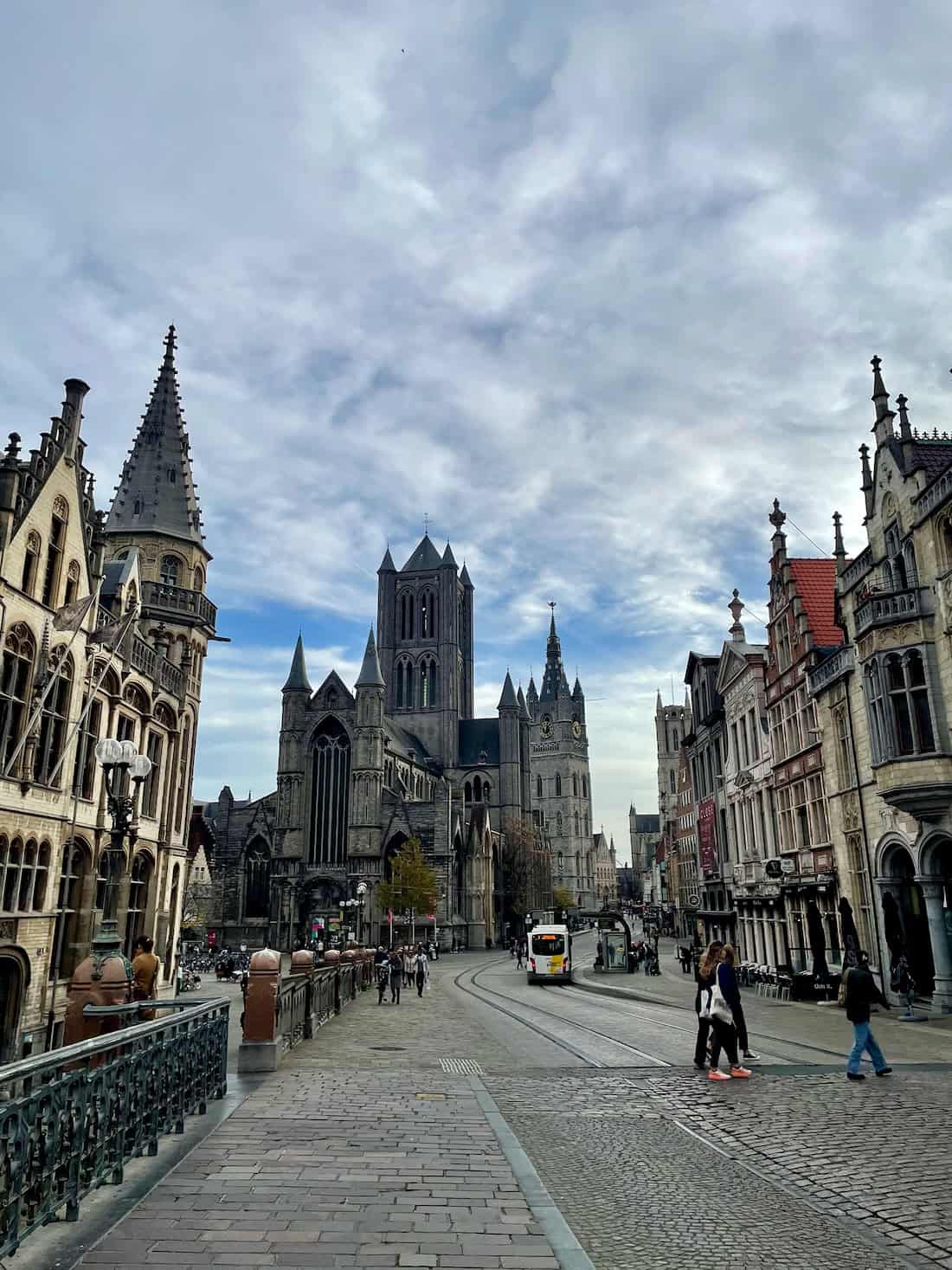
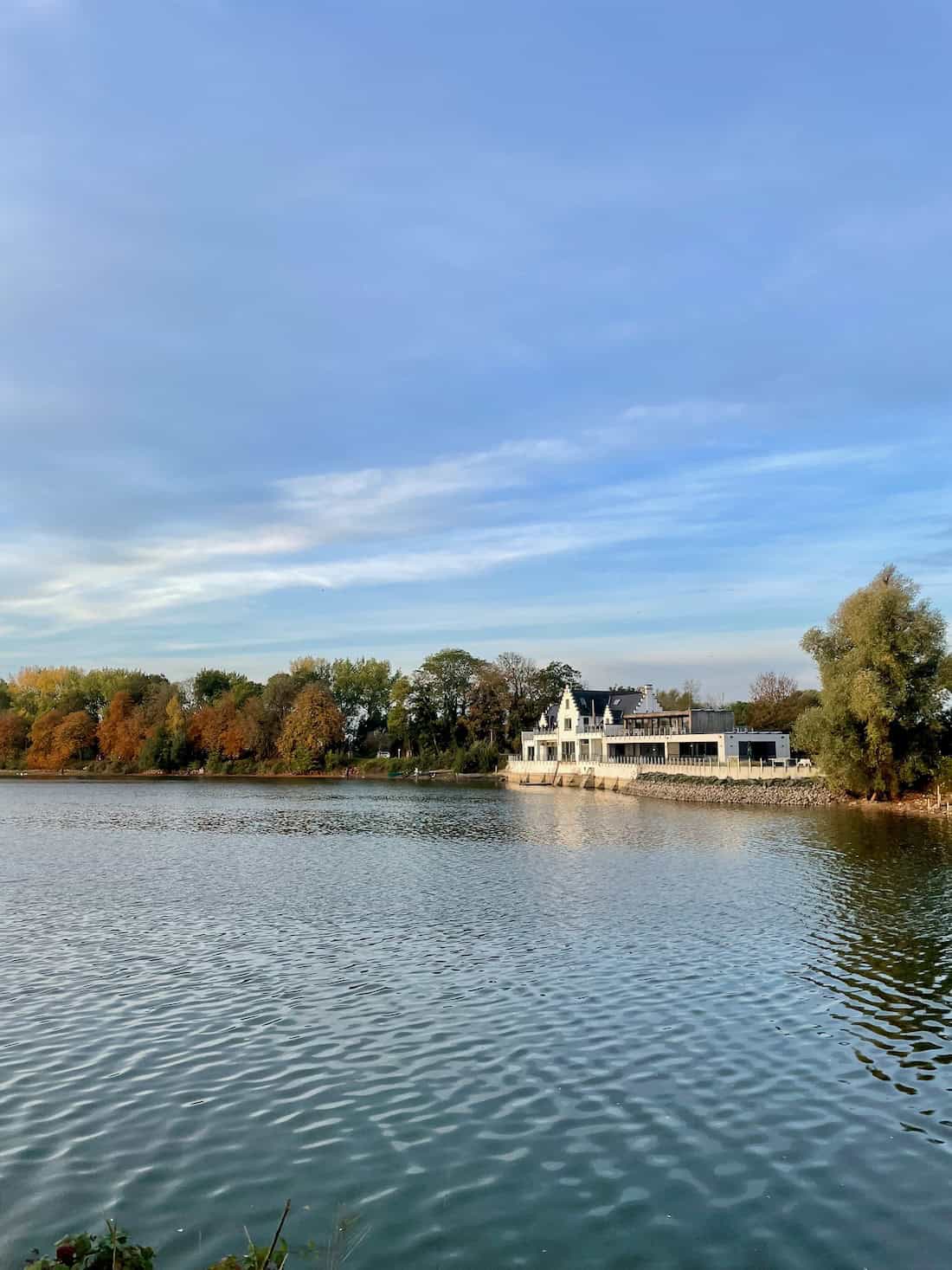
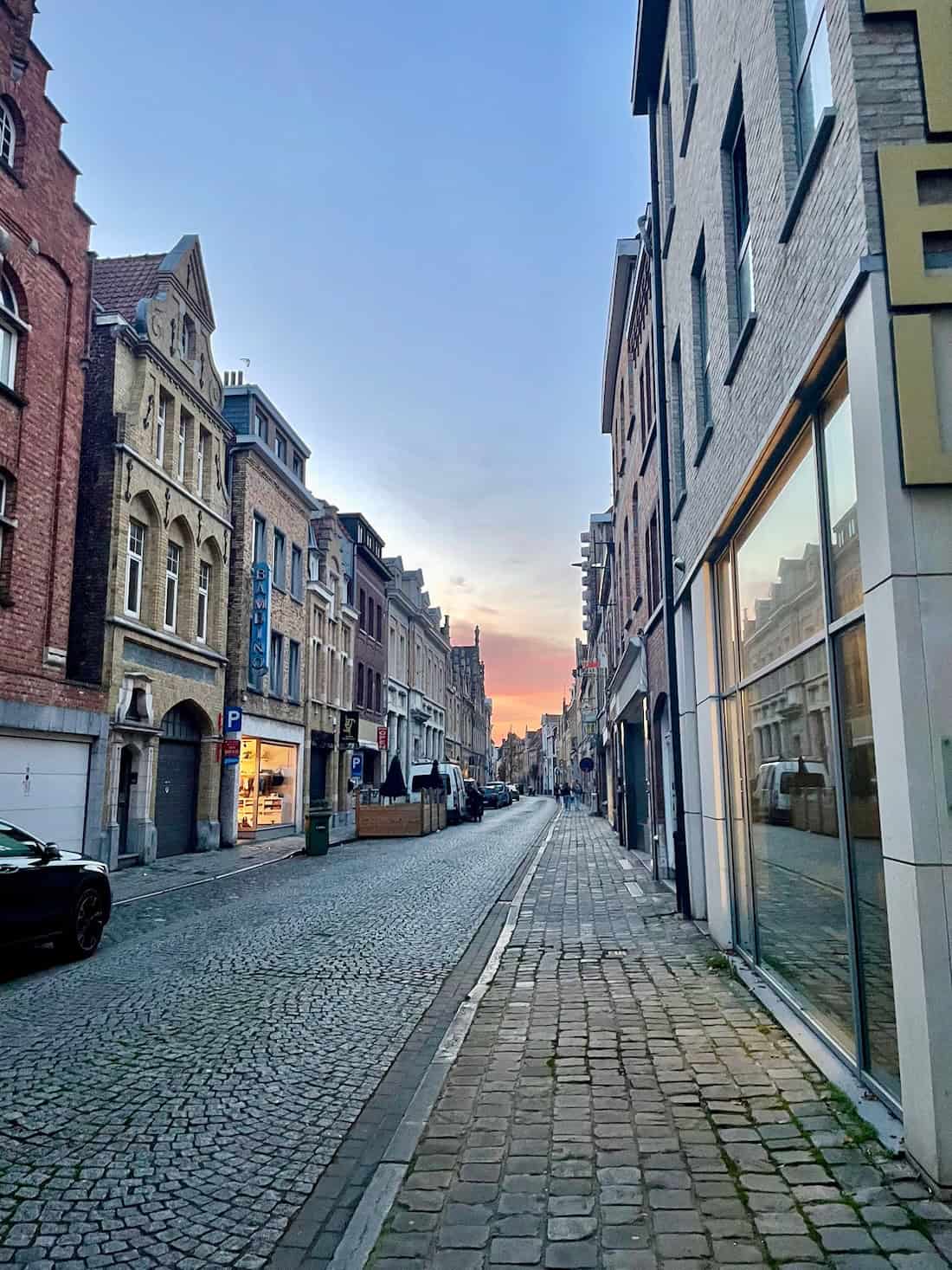
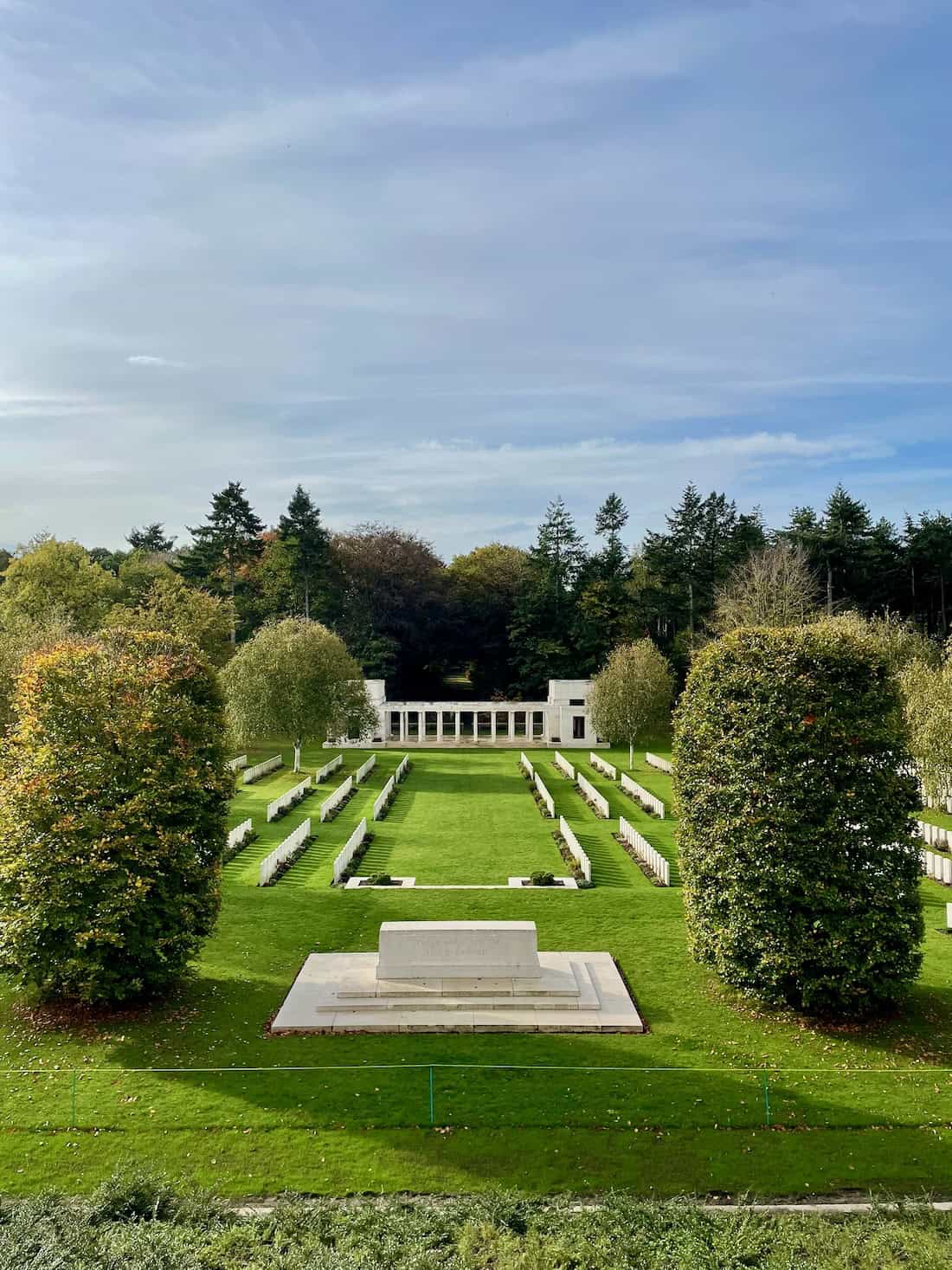
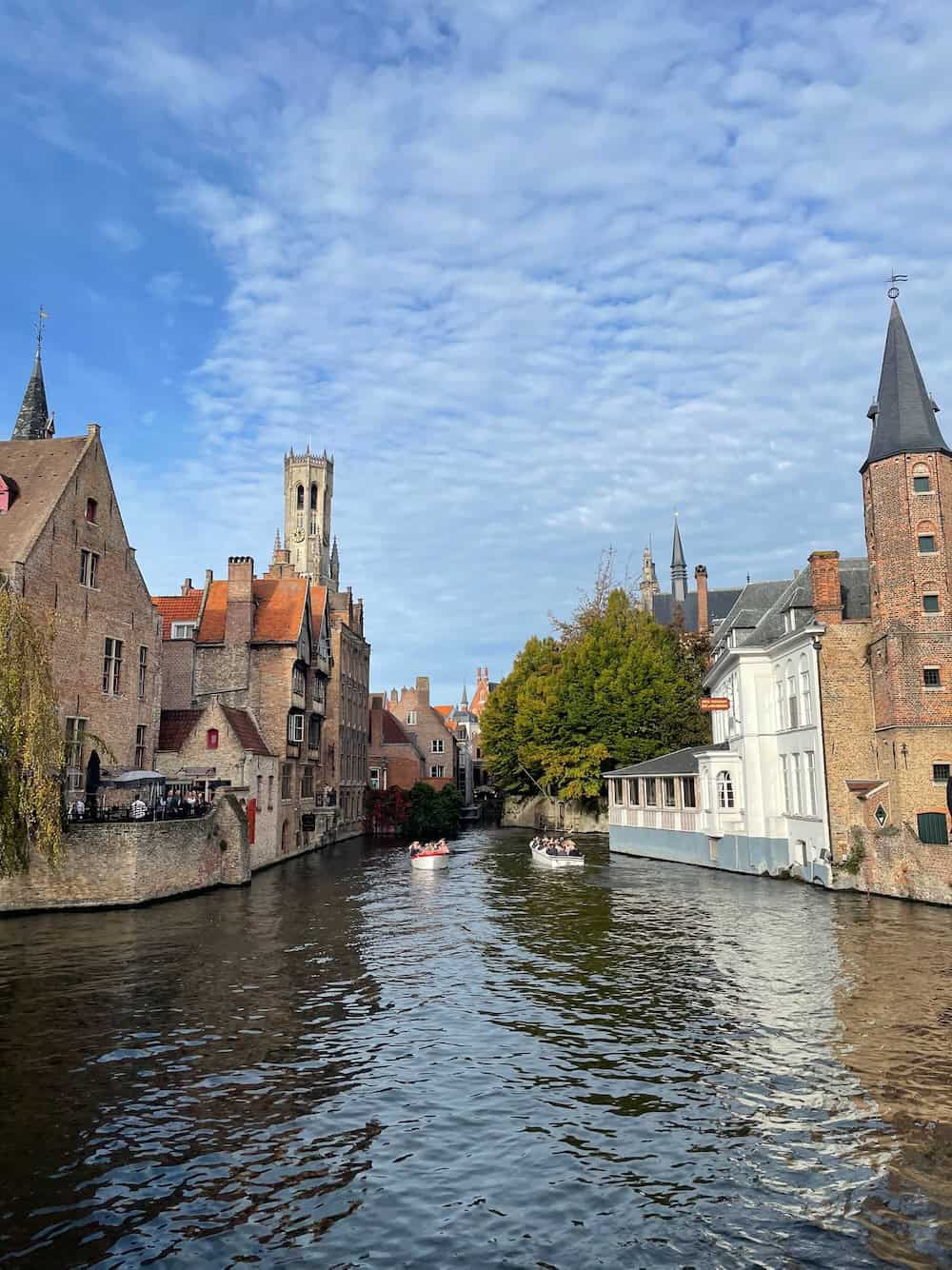
I went to Belgium towards the end of October, and thought it was a great time to visit. The weather isn’t too cold, and the sunny days are just beautiful. The autumn leaves really start to glow, the cities are a lot more calm and tourist crowds really thin out.
The Off-Season: November – March
Jump to a Section:
The cheapest time to visit Europe is during the off season, November to March. Prices drop across the board — except in major Christmas market cities during December and in the Alps during school holidays. If you really want to save the most money, then going in these periods will be your best option — as long as you can battle the cold temperatures.
November – Last of Autumn
Express Overview:
Temperature:
Northern Europe: 3-7°C
Central Europe: 5-12°C
Southern Europe: 15-20°C
Crowd Levels:
● ● ● ● ●
Price:
$ $ $ $ $
Personal Recommendation
Western Europe (France, Germany, Switzerland etc.) to enjoy the last of the Autumn scenery
Weather Snapshot
- Most of Europe sits around 5-12°C, with slightly colder temperatures in the Nordics (Denmark, Norway, Sweden, Finland, Iceland).
- Trees start losing their leaves, days get shorter, and rain becomes more frequent.
Crowds and Prices
- Tourism drops sharply, and prices drop across the board.
- One of the cheapest times to visit.
Best for
- Budget travellers.
- Don’t mind colder temperatures.
- Want to catch the last of the autumn leaves.
Personal Recommendation
Autumn leaves are abundant during the beginning of the month which can be beautiful. Weather everywhere starts to get quite grey; however the sunny days are amazing.
I would stay in Western Europe (Austria, France, Germany, Switzerland) to enjoy the last of the autumn scenery and enjoy the calmer city crowds.
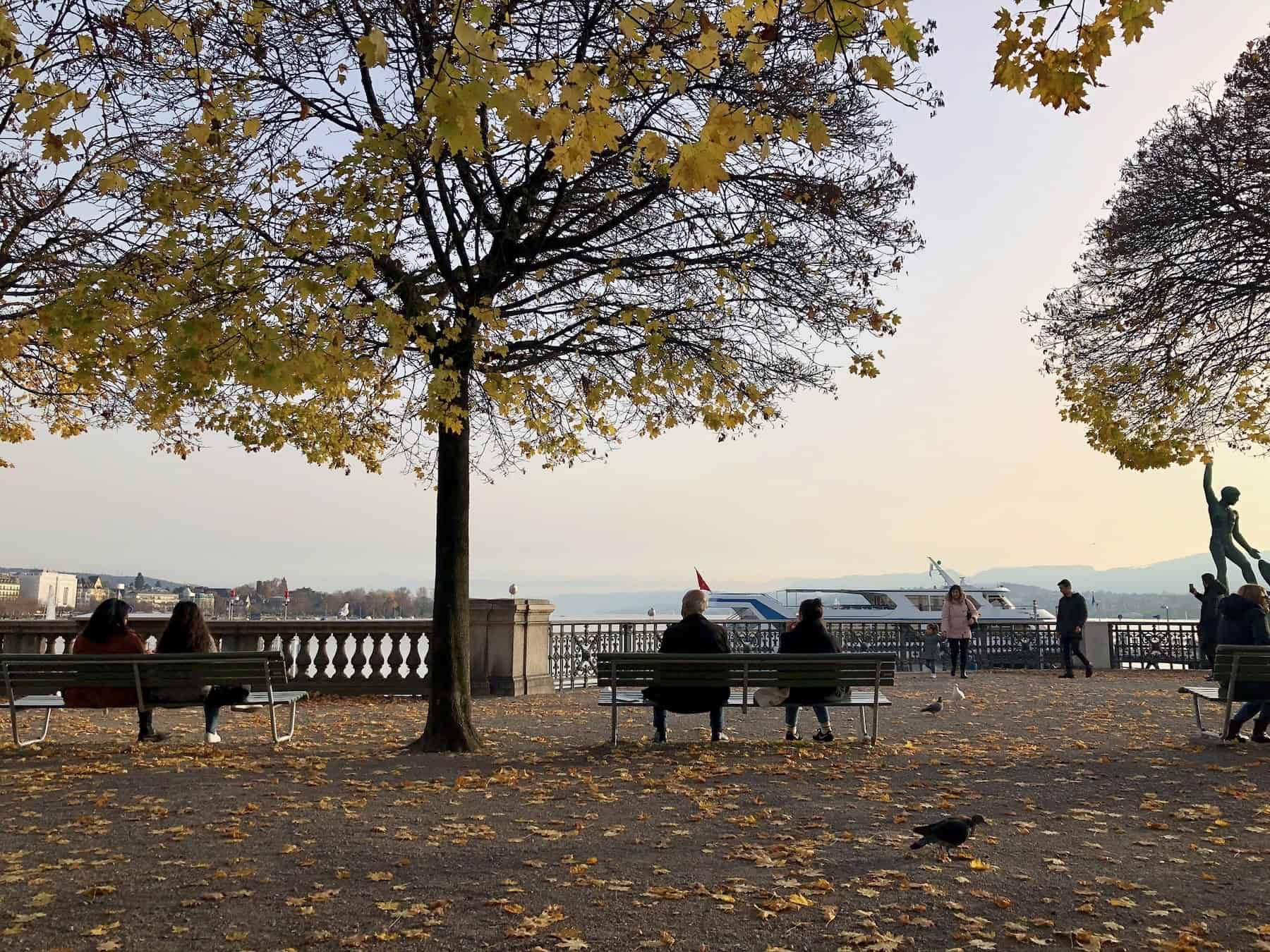
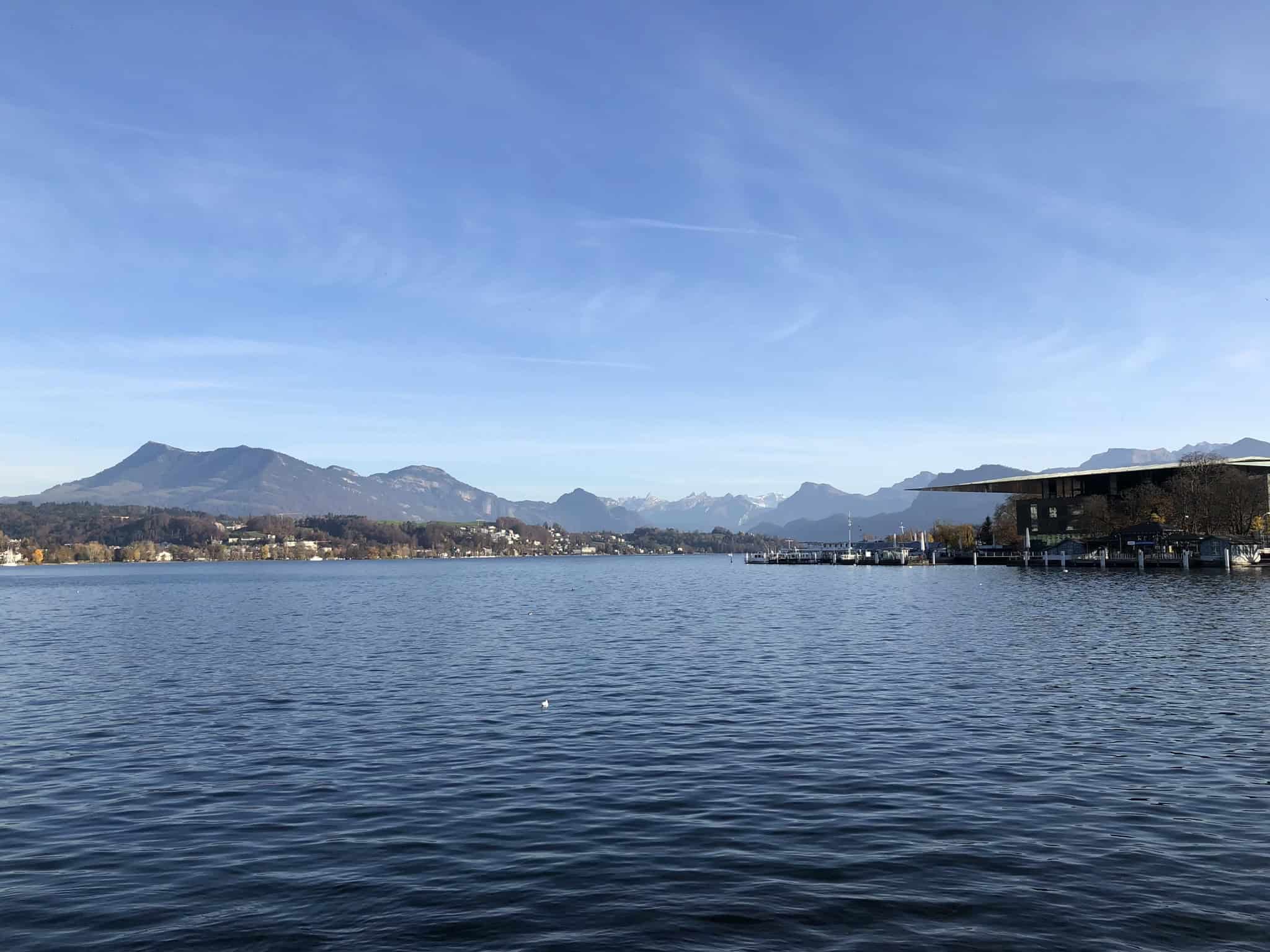
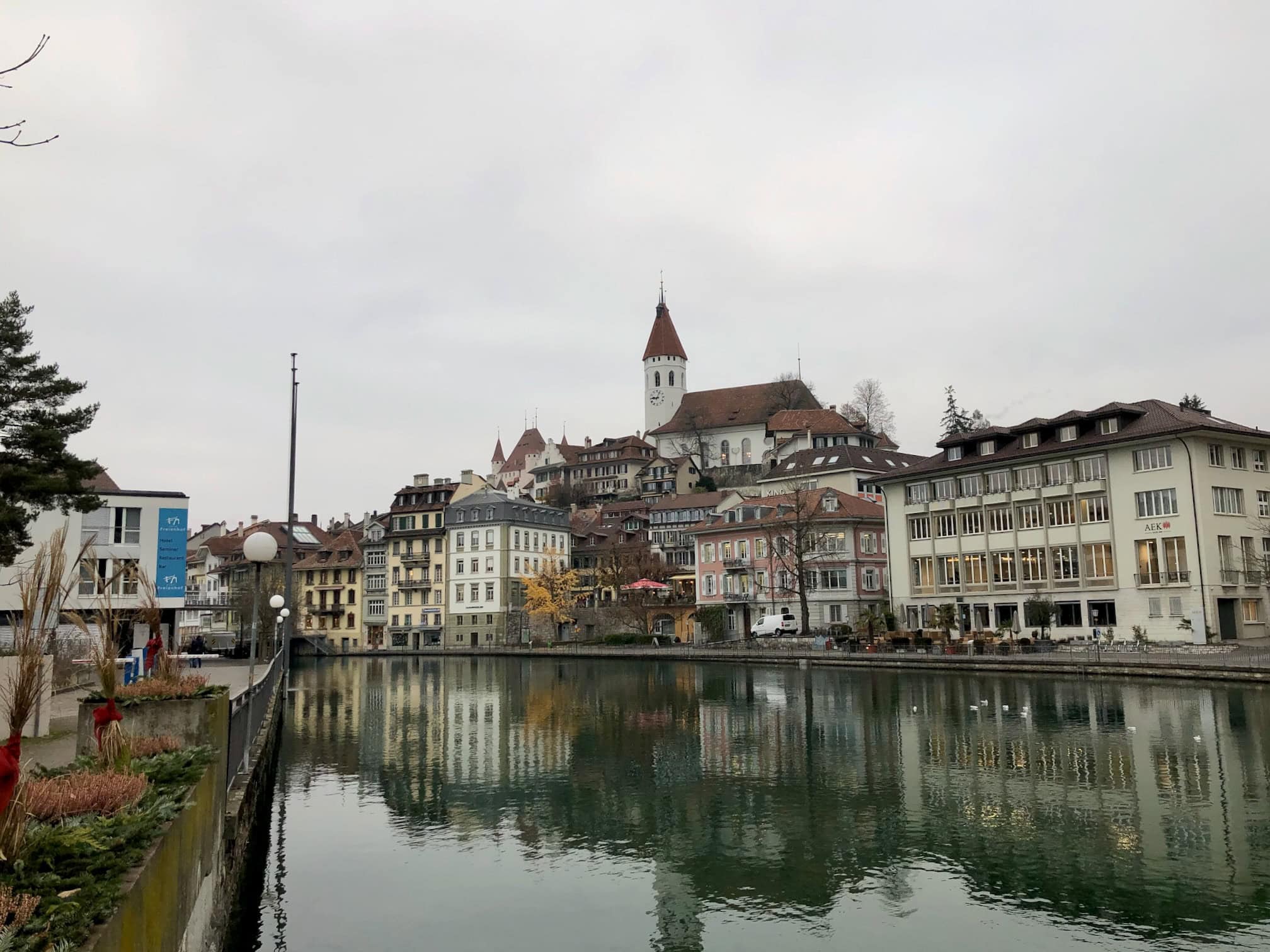
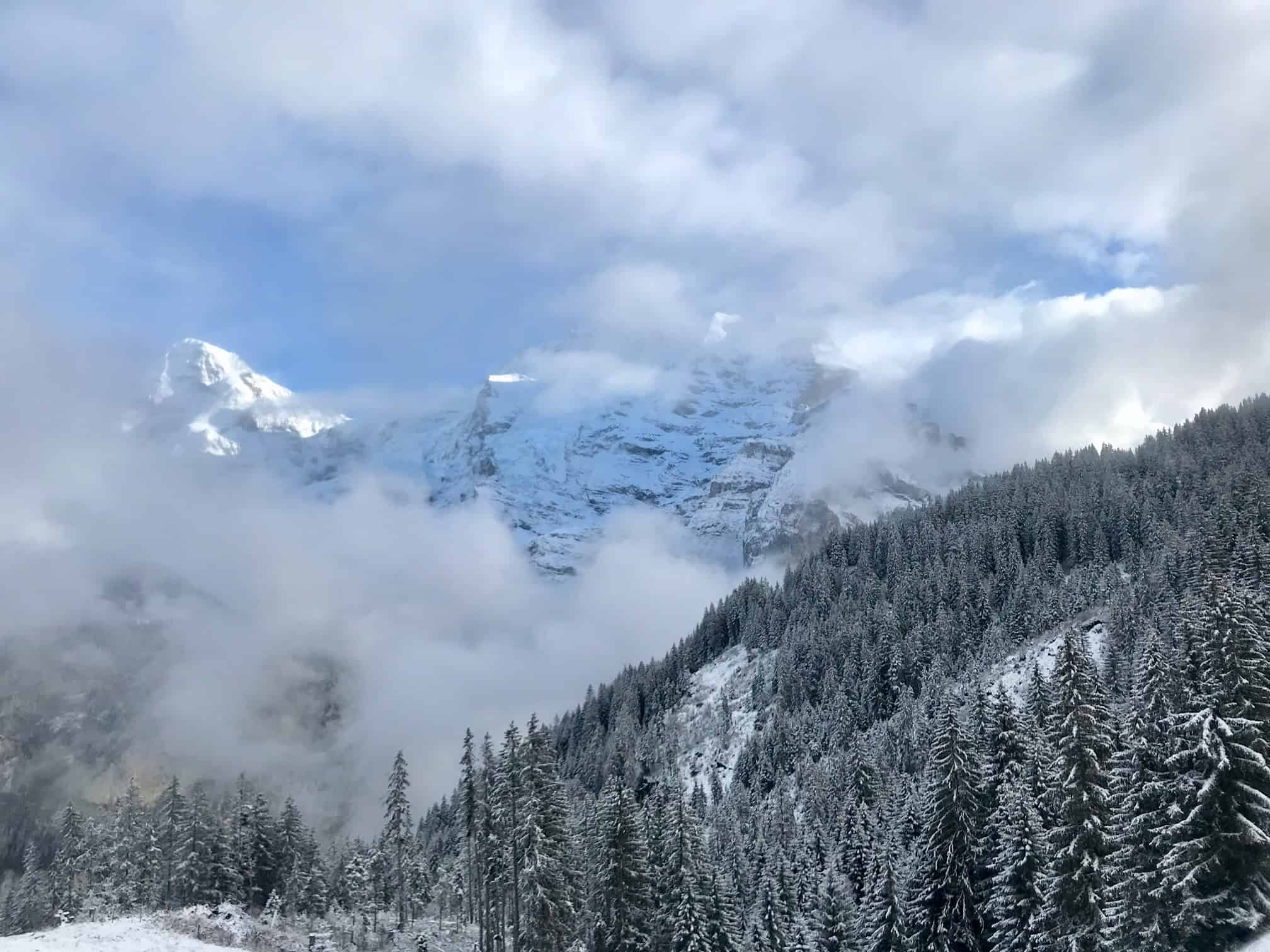
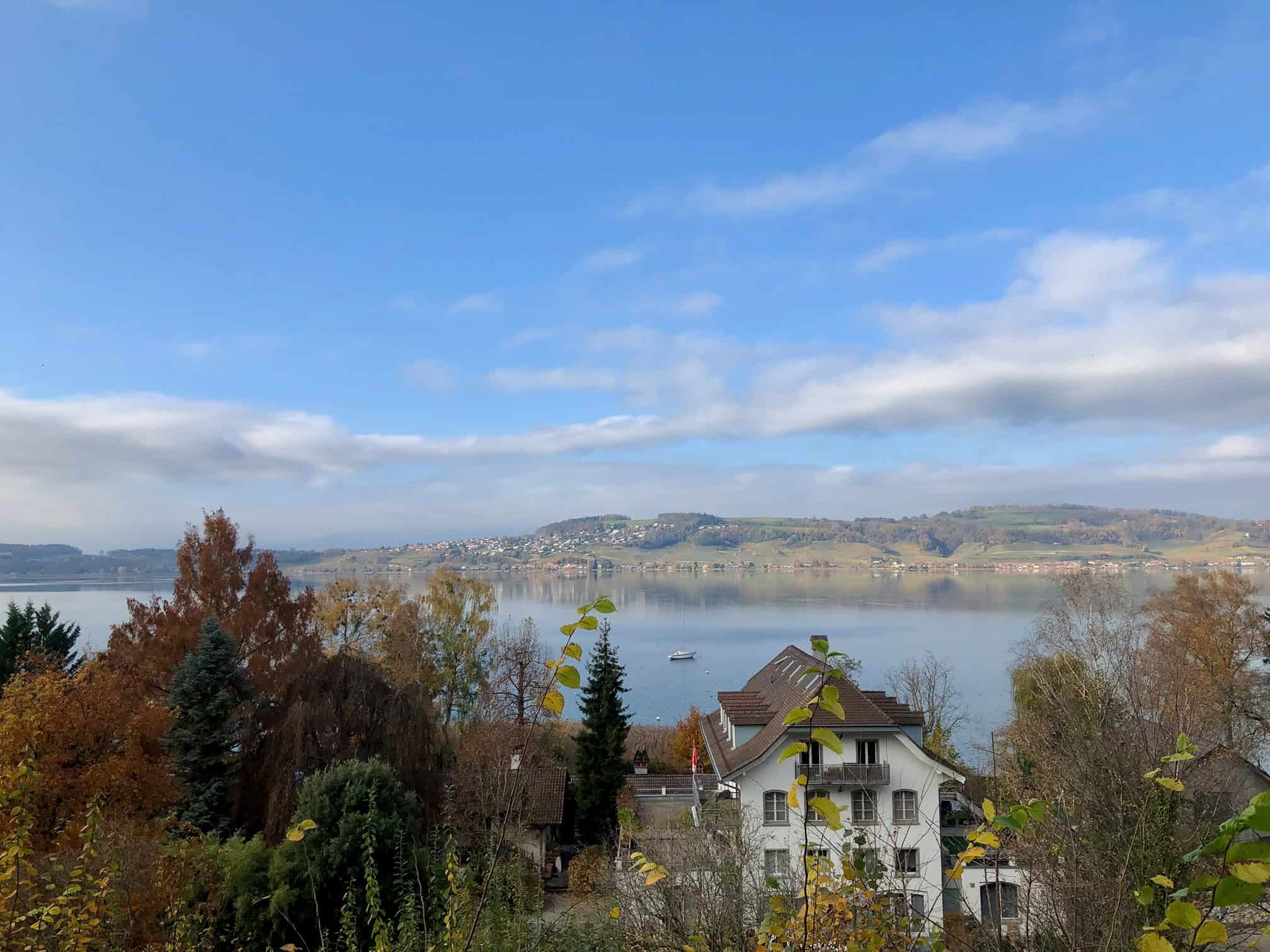
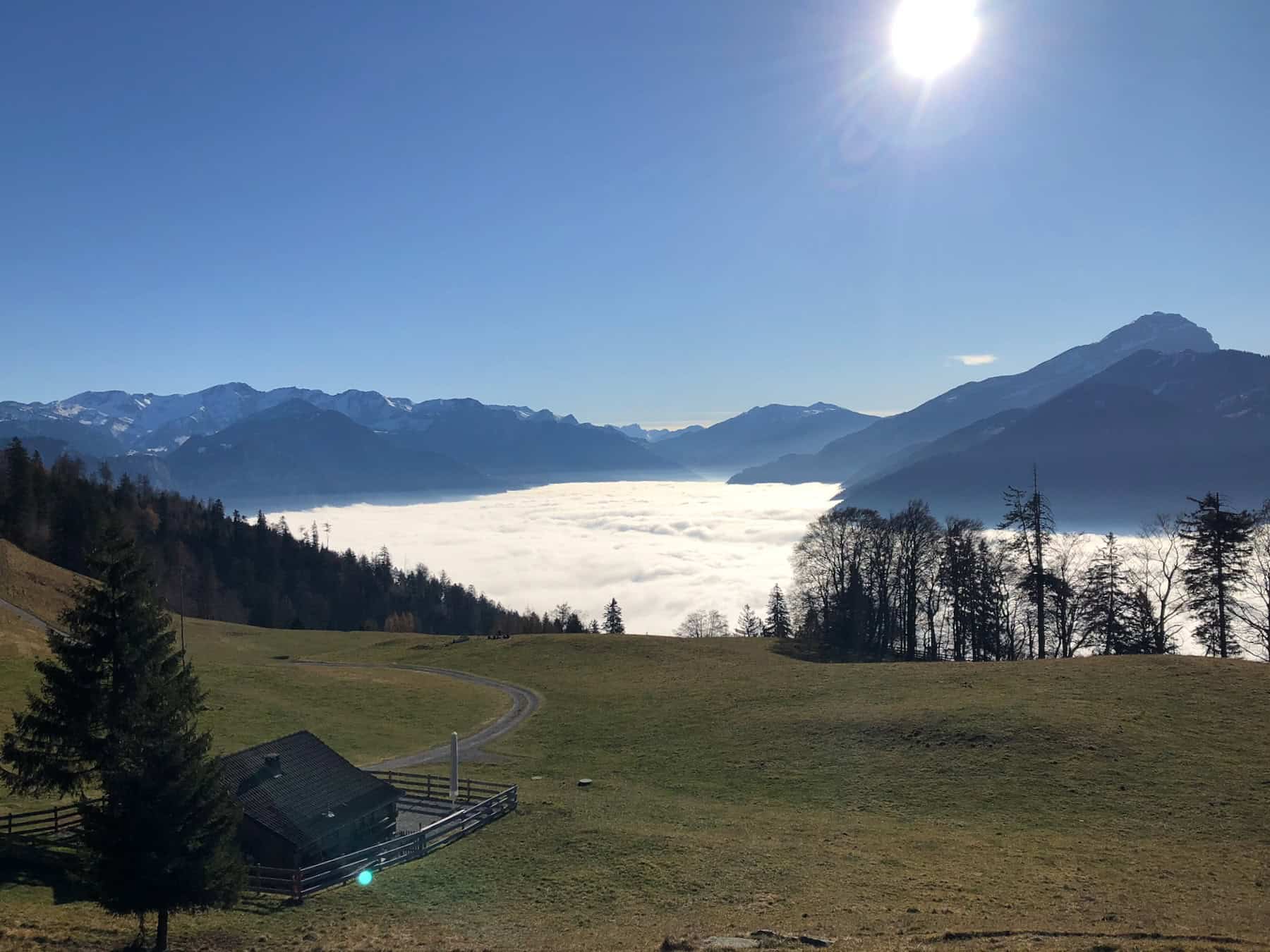
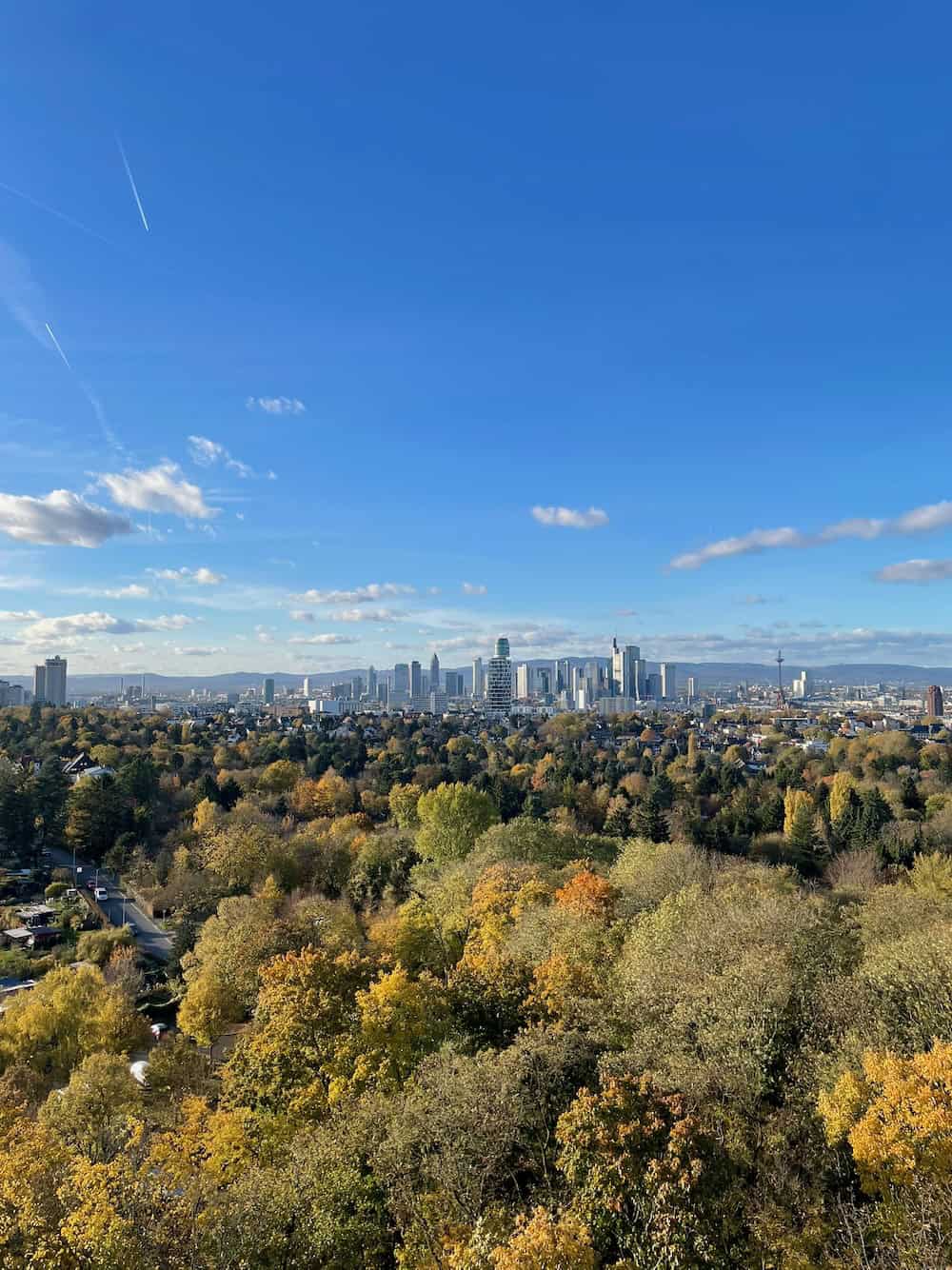
During my time living in Switzerland, November time would always be an amazing time to soak up the last of the Autumn leaves and enjoy the Alps as the first snowfalls of the season hit. The cities are also quiet with tourist number dropping hard after the summer, before they rise again during Christmas Market season.
December – Christmas Markets
Express Overview:
Temperature:
Northern Europe: -7-3°C
Central Europe: -2-8°C
Southern Europe: 10-18°C
Crowd Levels:
Christmas Market Hotspots: ● ● ● ● ●
Other: ● ● ● ● ●
Price
Christmas Market Hotspots: $ $ $ $ $
Other: $ $ $ $ $
Personal Recommendation:
Christmas Market Hotspots: Austria, Germany, France, Switzerland, Czech Republic
Weather Snapshot
- Cold across most of Europe
- Temperatures drop towards 0°C – except the south where temperatures stay mild 10-15°C.
- Snow becomes more common in the alpine regions.
Crowds and Prices
- Prices rise again in major Christmas market hotspots across much of Western and some of Eastern Europe (Germany, France, Austria, Czech Republic etc.).
- Crowd and tourist numbers also rise again in these regions
- Outside these areas, typical cheaper off-season prices and tourist numbers remain.
Best for
- Christmas markets.
- Festive atmosphere.
Personal Recommendation
Christmas markets are beautiful and worth experiencing, but after you’ve visited three or four, they do start to feel repetitive. You also miss seeing what the city squares look like without the market stalls. I recommend travelling towards mid-end December and then through into January to get a mix of Christmas markets, and non-Christmas market atmospheres.
Or alternatively, if you love Christmas, go in the beginning of the month to soak in all the festivities.
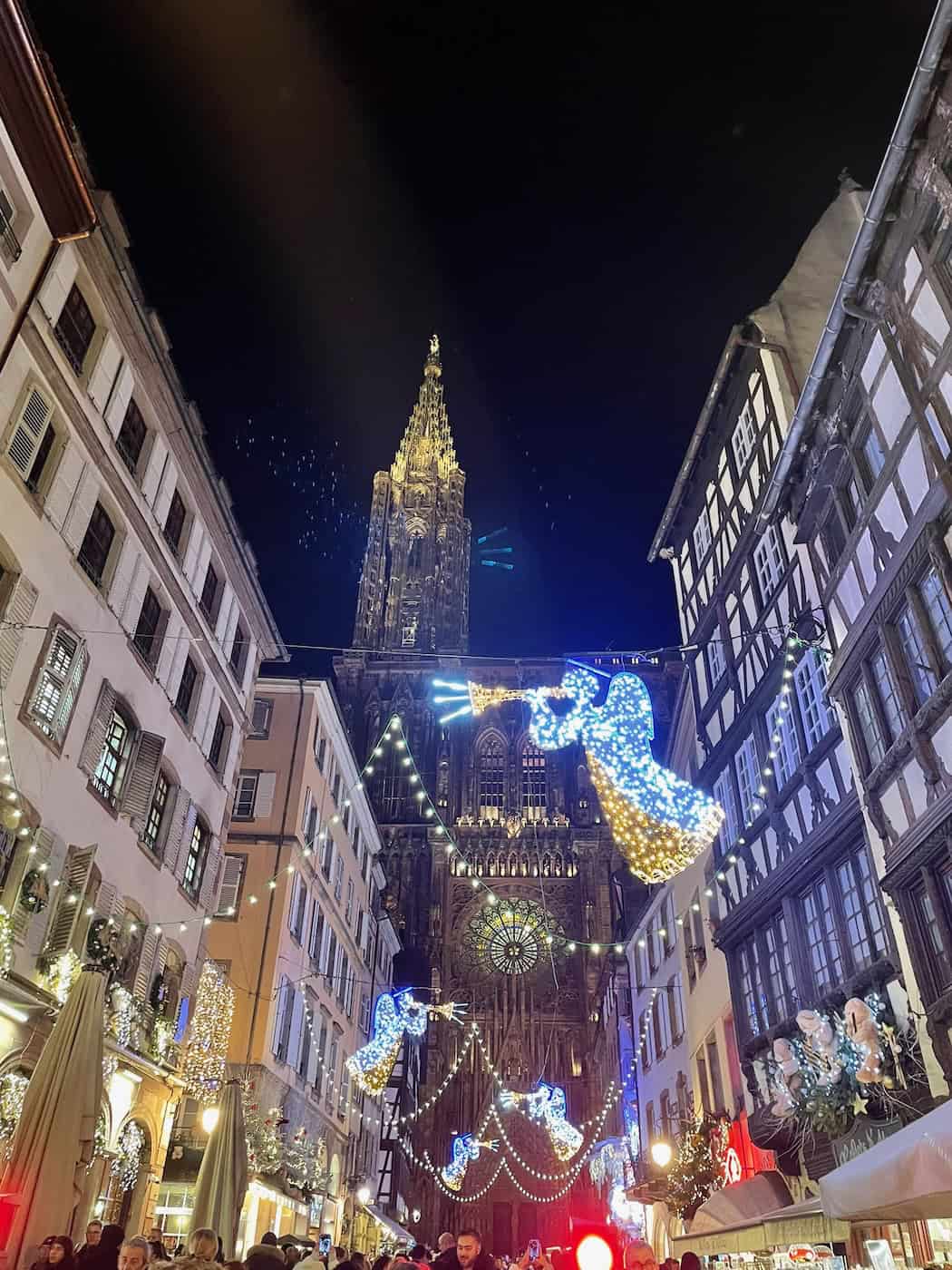
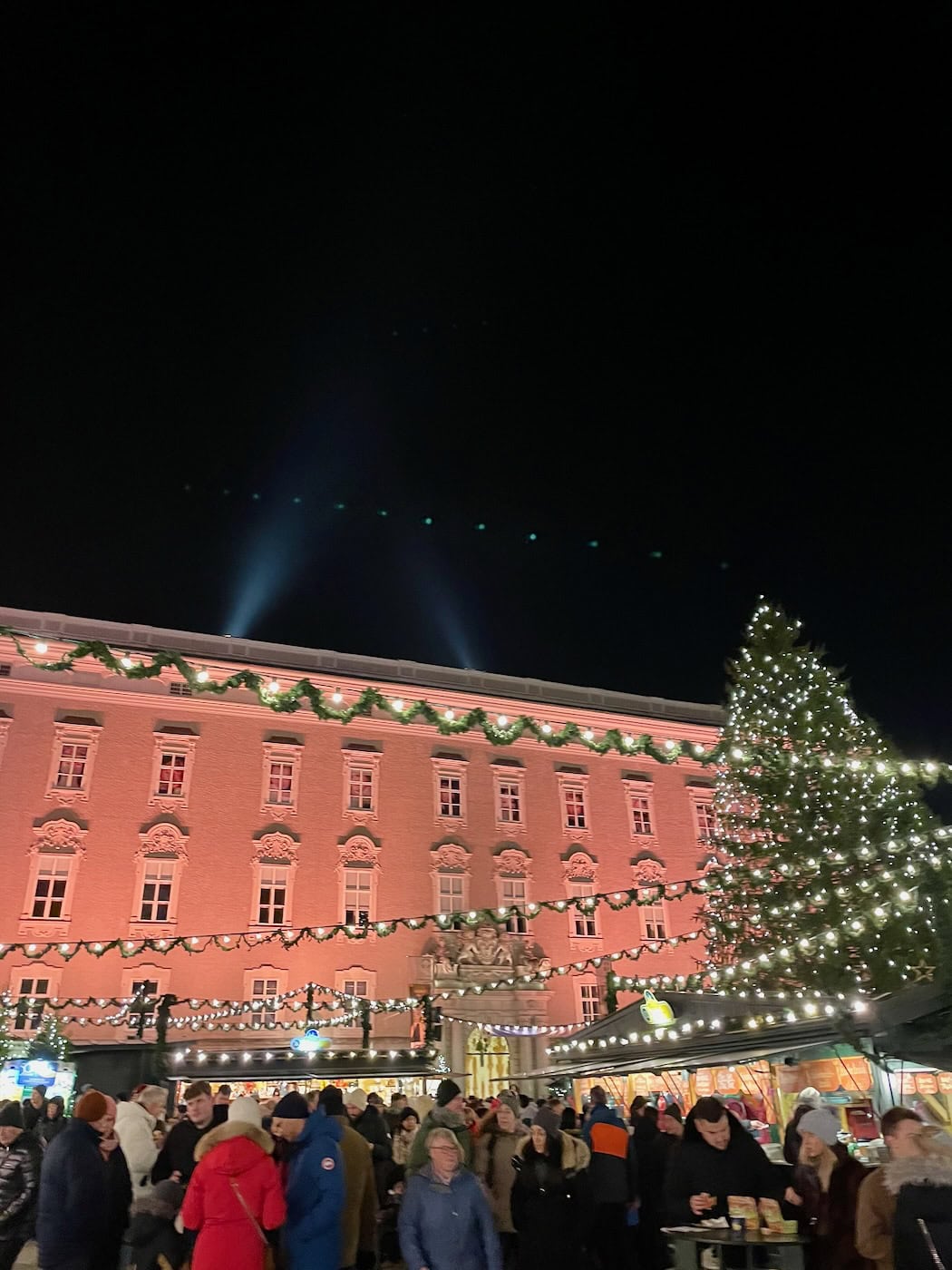
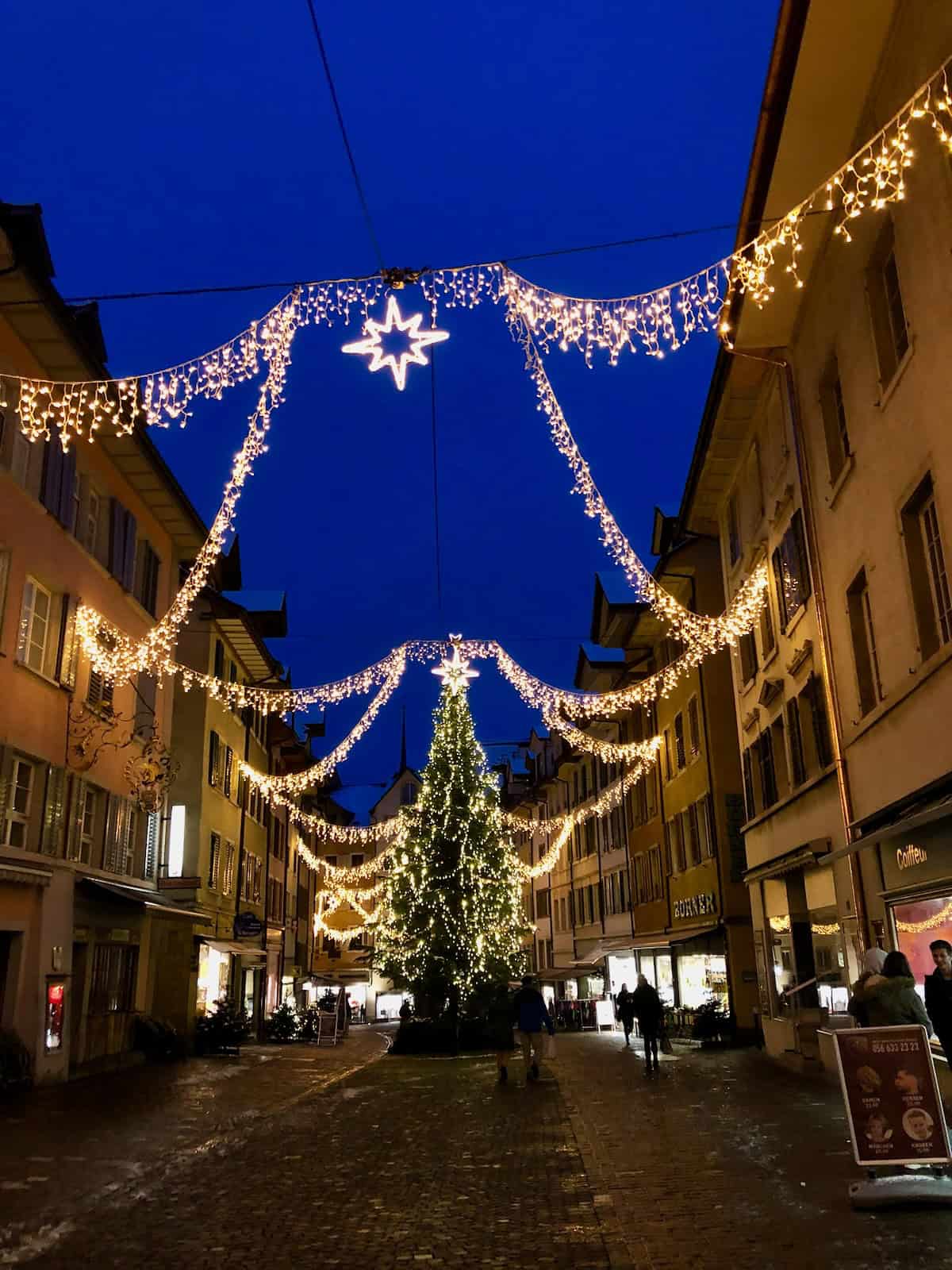
Exploring Christmas Markets across Western Europe is extremely fun. Food stalls, glühwein, sweet treats, and in some of the biggest markets in Europe, you could easily spend all day there eating and drinking. Christmas Markets are always a fun day out.
January/February – Cheapest Months, Great for Winter Sports
Express Overview:
Temperature:
Northern Europe: -5-5°C
Central Europe: -2-5°C
Southern Europe: 10-15°C
Crowd Levels:
Alps: ● ● ● ● ●
Elsewhere: ● ● ● ● ●
Price:
Alps: $ $ $ $ $
Elsewhere: $ $ $ $ $
Personal Recommendation
#1 time for budget travel
Visit the Alps
Budget skiing in Eastern Europe (Bulgaria, Poland, Slovakia, Slovenia)
Weather Snapshot
- January and February are the coldest months.
- Expect 0-5°C as an average and below freezing temperatures in a lot of places.
- Southern Europe is still mild with temperature ranging from 10-15°C.
- Expect cloudy, rainy and snowy (in the Northern regions) weather everywhere.
Crowds and Prices
- Tourism is at its lowest it will be all year, except the Alps.
- Prices are also the cheapest they will be throughout the year in these months.
Best for
- Budget travel
- Avoiding crowds
- Museums
- Snow trips, skiing, winter hiking
Personal Recommendation
If you don’t like big crowds, and want the cheapest prices, then book your Europe trip during this time. Most of Europe has quite grey and cloudy weather, but you can get lucky – there are still occasional days of sunshine (more towards the south).
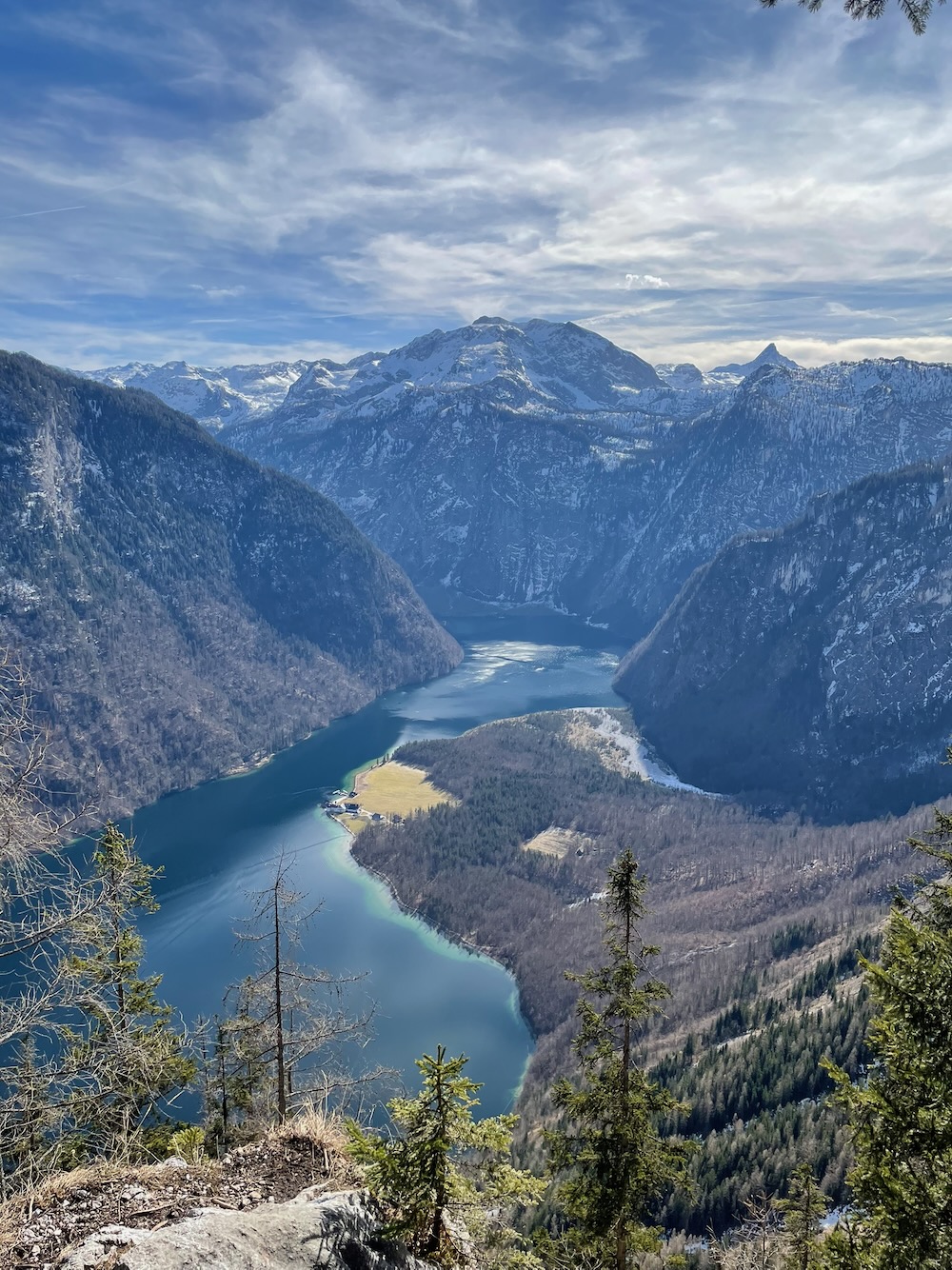
Don’t forget to visit the Alps. Try and visit the Alps during the school period and not during school holidays as it can get busy and prices can rise. Nothing beats seeing the Alps on a crisp, clear, sunny winter’s day.
If you want to ski, but are on a budget, head to Eastern Europe (Bulgaria, Poland, Slovenia, Slovakia)
March/April – Winter Fades, Spring Begins
Express Overview:
Temperature:
Northern Europe: 0-12°C
Central Europe: 8-18°C
Southern Europe: 10-20°C
Crowd Levels:
● ● ● ● ●
Price:
$ $ $ $ $
Personal Recommendation:
Explore the cities
Southern Europe with absolutely no crowds
Weather Snapshot
- Early March feels like January and February
- In late March, temperatures rise to 10-15°C in central Europe and 15-20°C in the south, slowly getting warmer and warmer in April.
- Days get noticeably longer, flowers start to bloom, and the general mood lifts as winter fades.
- Rain is common – especially in March – but sunshine becomes more frequent.
- Spring time is a joyous period – especially towards the end of March and April. Moods lift, flowers bloom, and the cities start to see green again.
Crowds and Prices
- Both months remain part of the low season.
- Prices are far cheaper than the summer, and crowds are minimal.
- April does see a slight incline in tourism and prices but nothing compared to the summer time.
Best for
- Mild temperatures without summer crowds.
- Budget travel with better weather than January/February.
Personal Recommendation
I recommend exploring the cities during this period – as they are relatively quiet. The blooming flowers in the city are also a sight to see. If you really want to experience southern Europe – especially the Mediterranean – with no crowds, and want slightly warmer weather, then head down south in April.
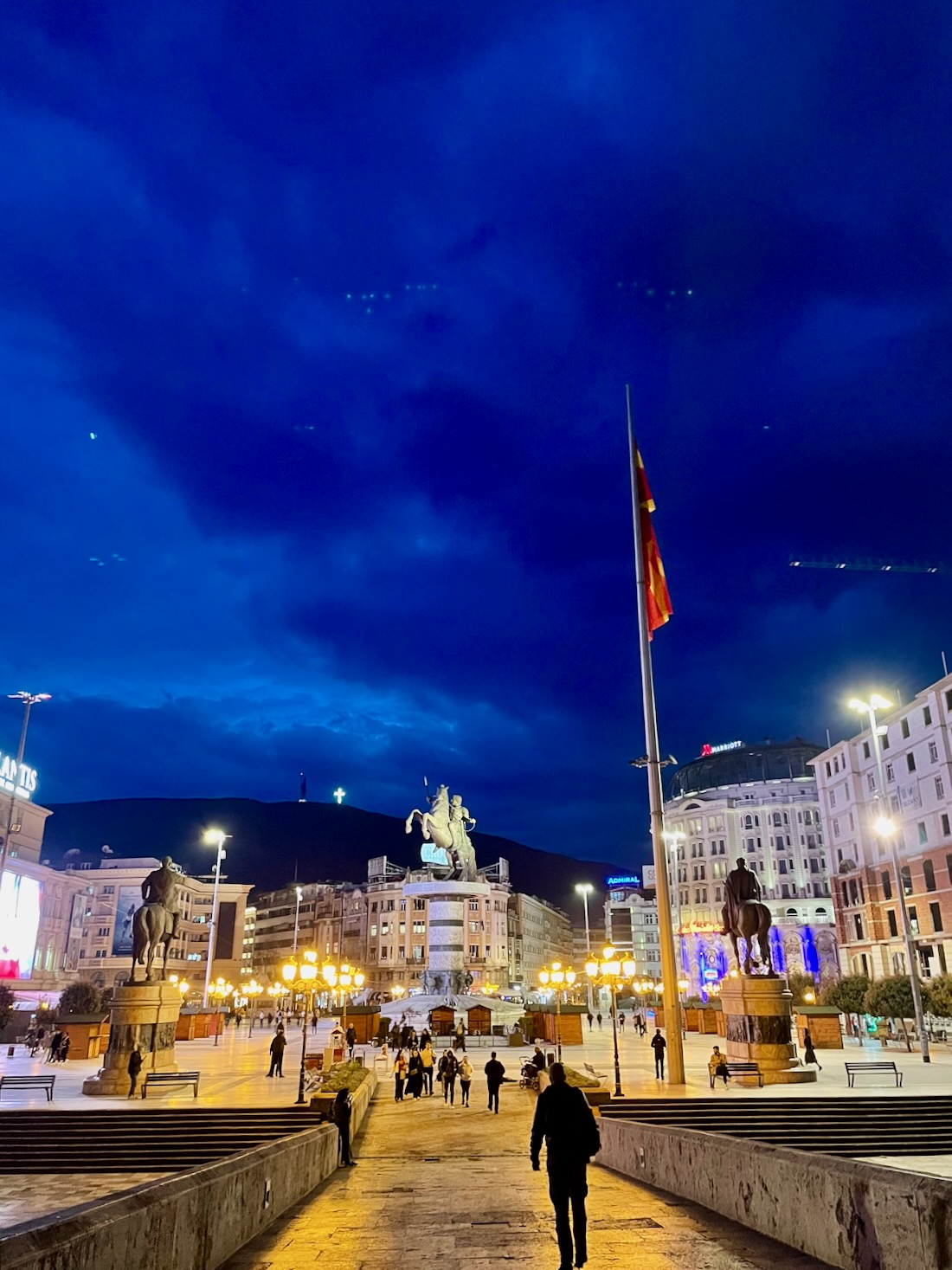
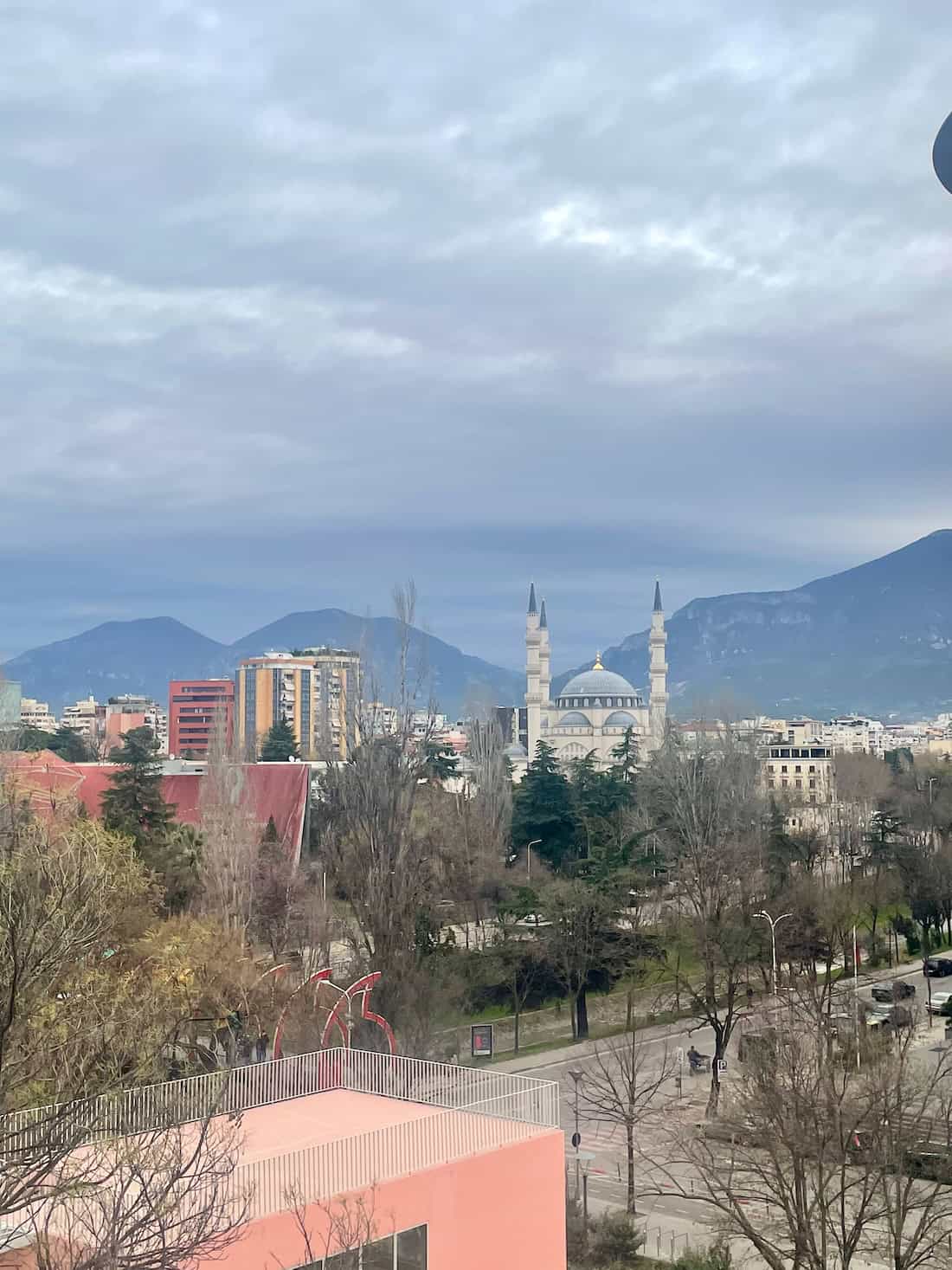
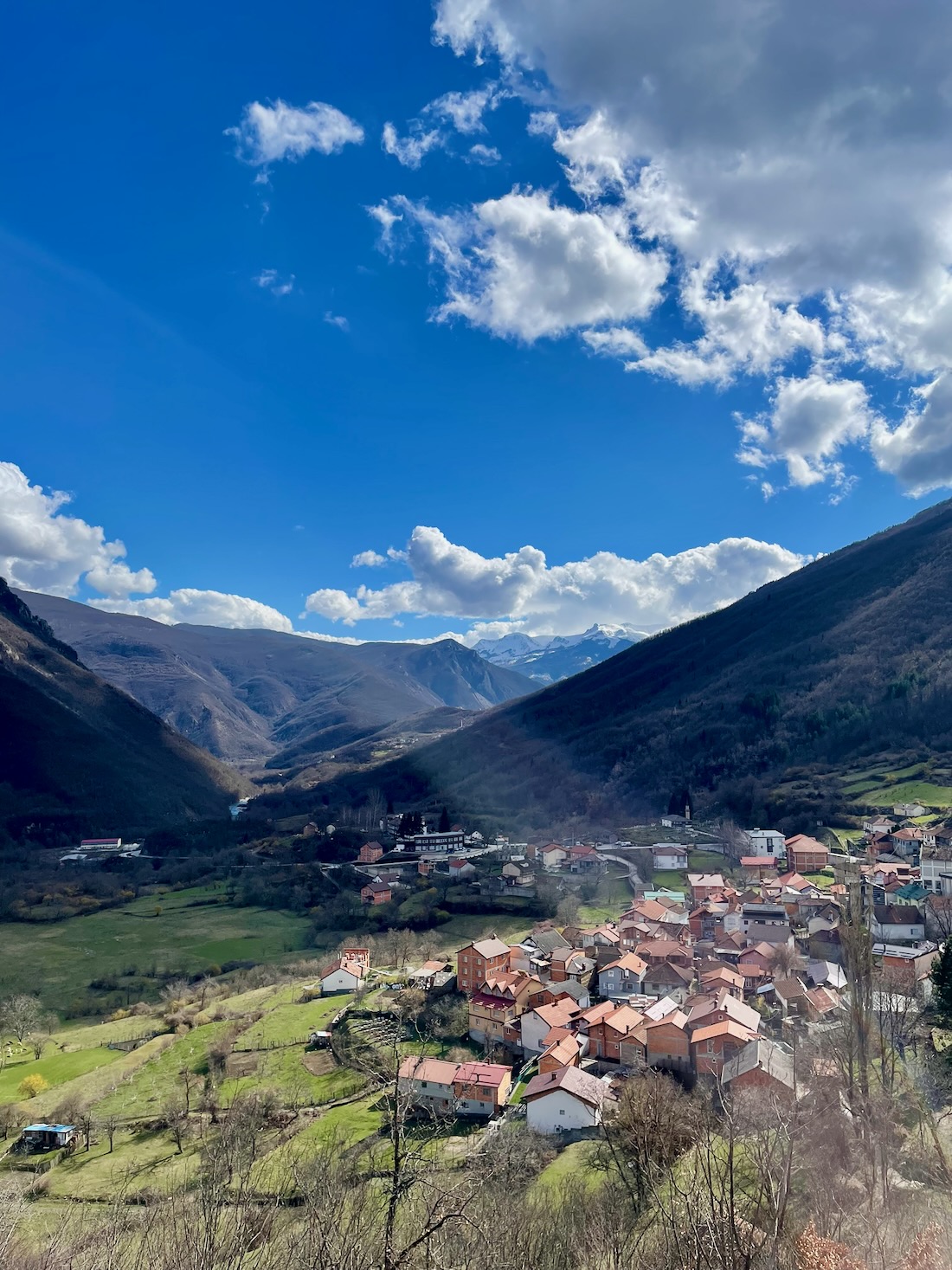
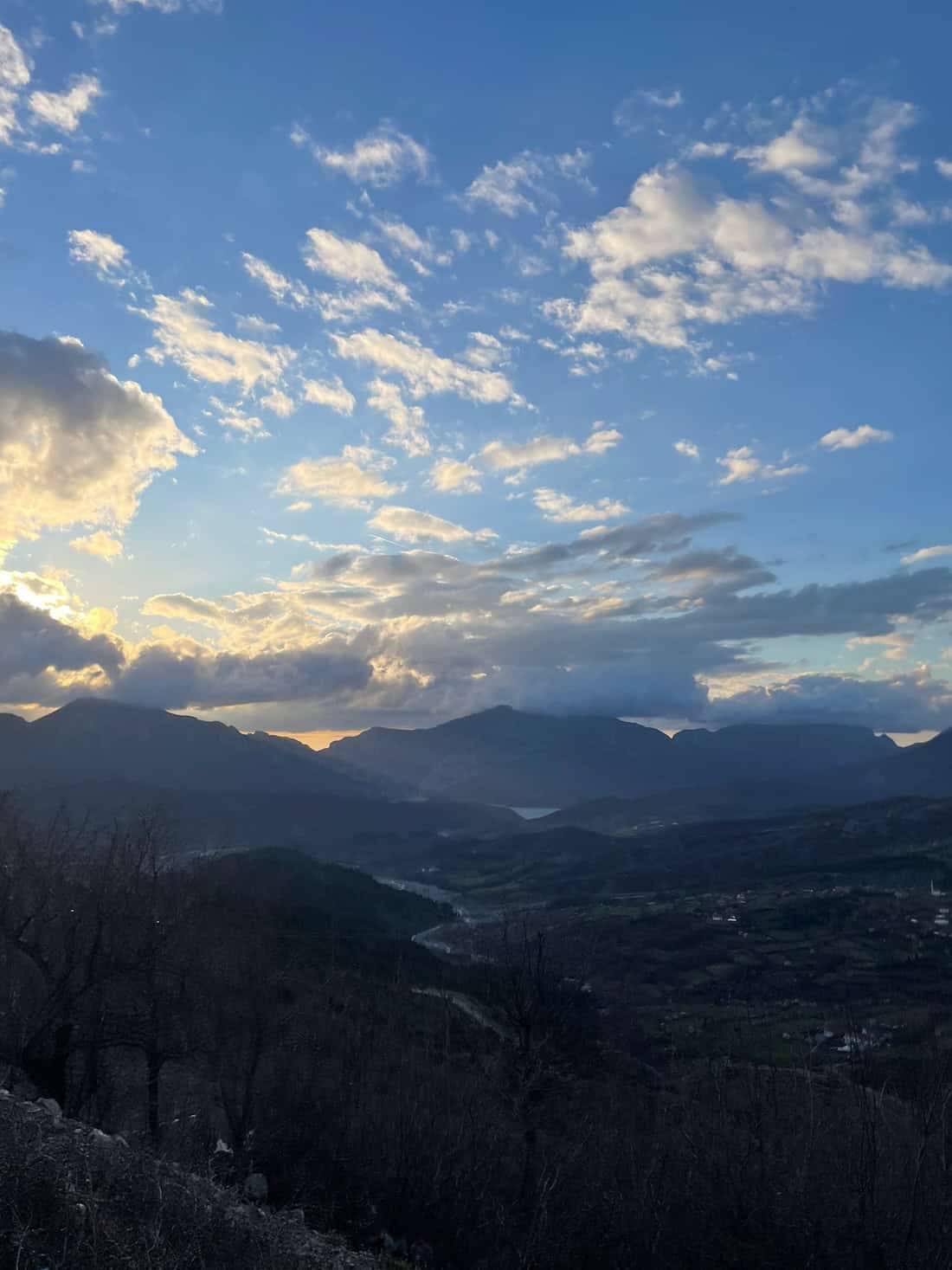
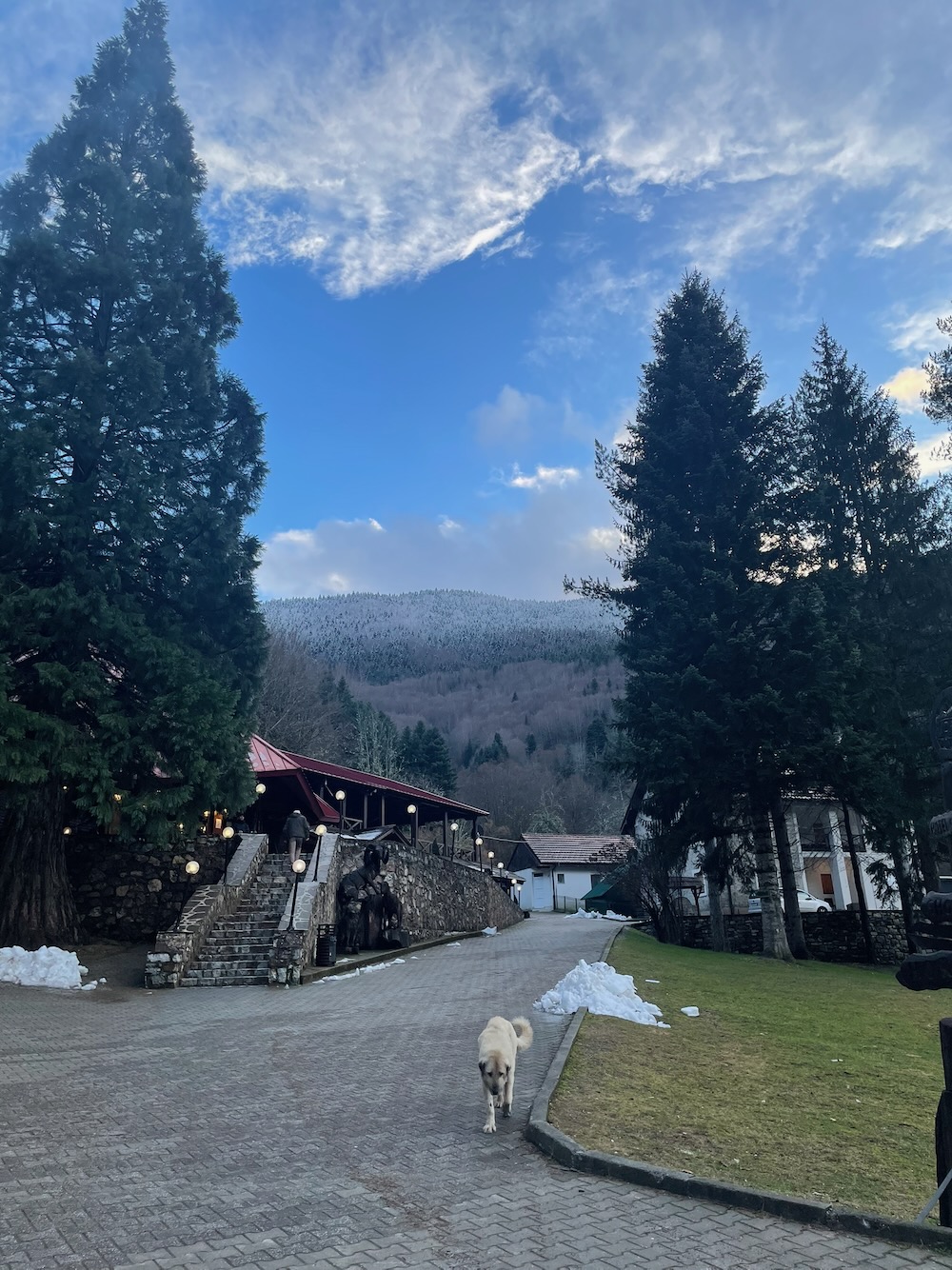
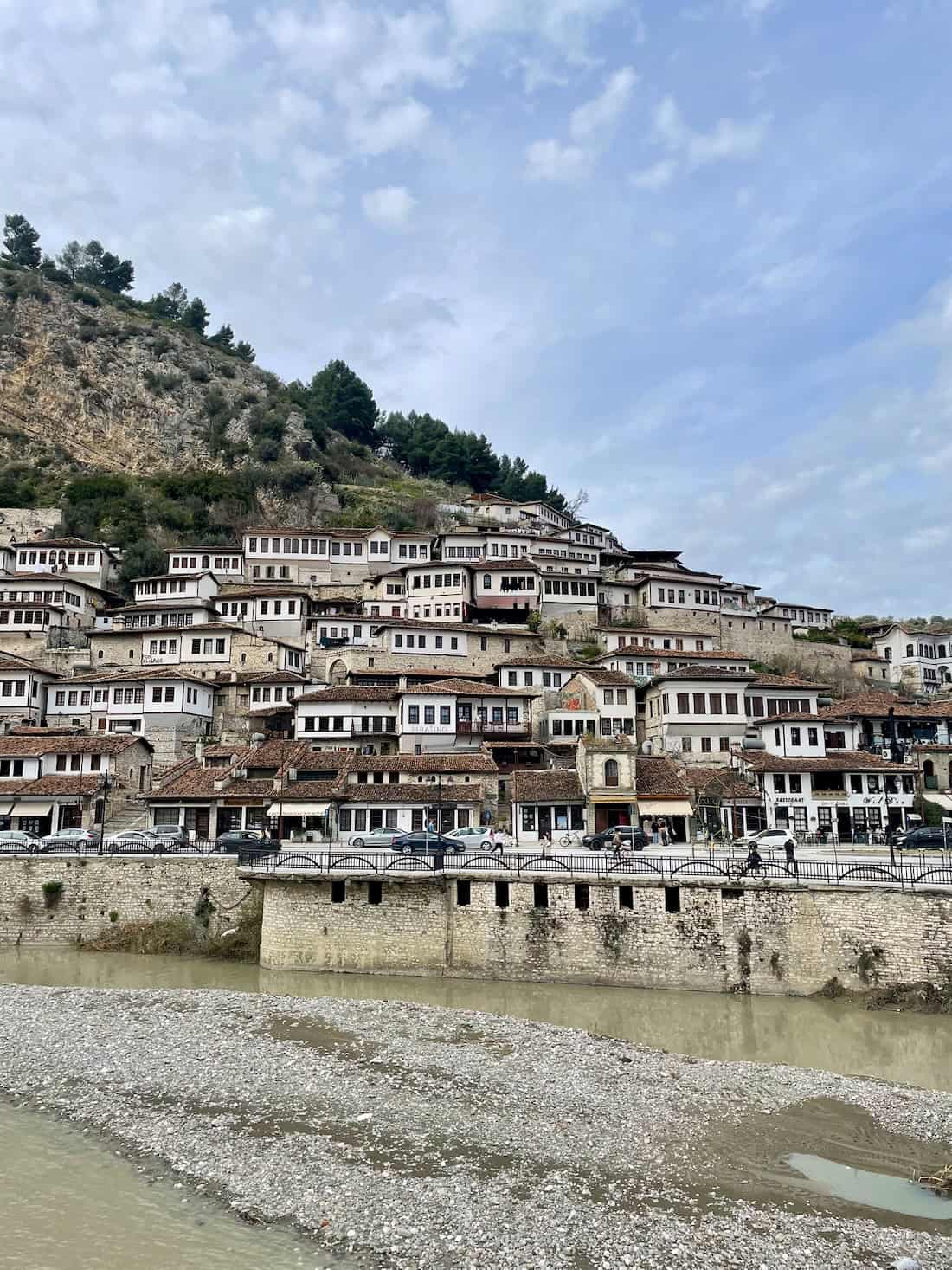
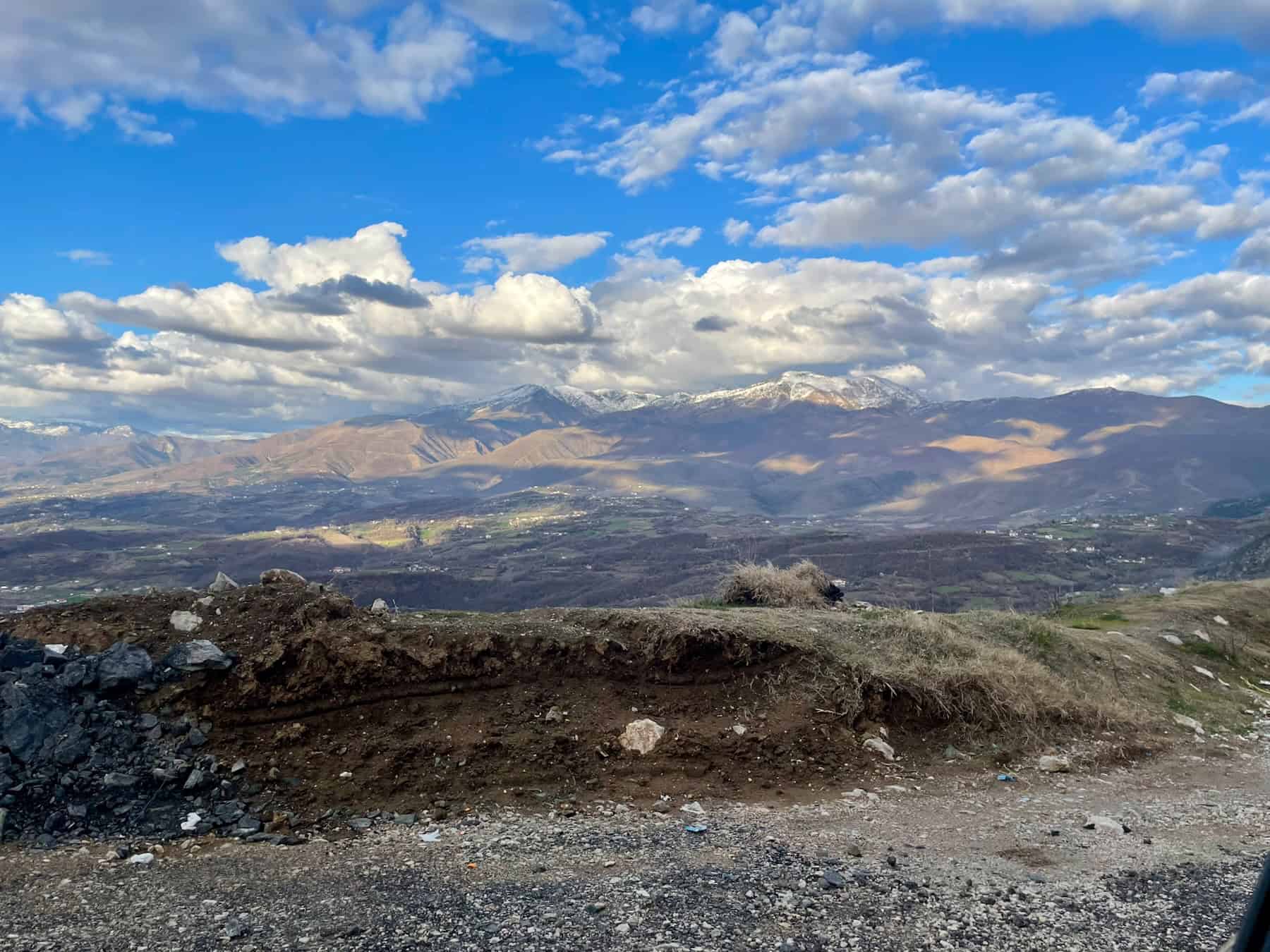
One March, I did a trip to North Macedonia and Albania. I didn’t know what to expect, but it ended up being one of my most memorable trips. Although it is still cold, March is an amazing time to explore places because of how quiet and cheap everything is – especially accommodation. It was so cheap and quiet I didn’t book anything in advance. I hired a car, and booked accommodation the night before every destination.
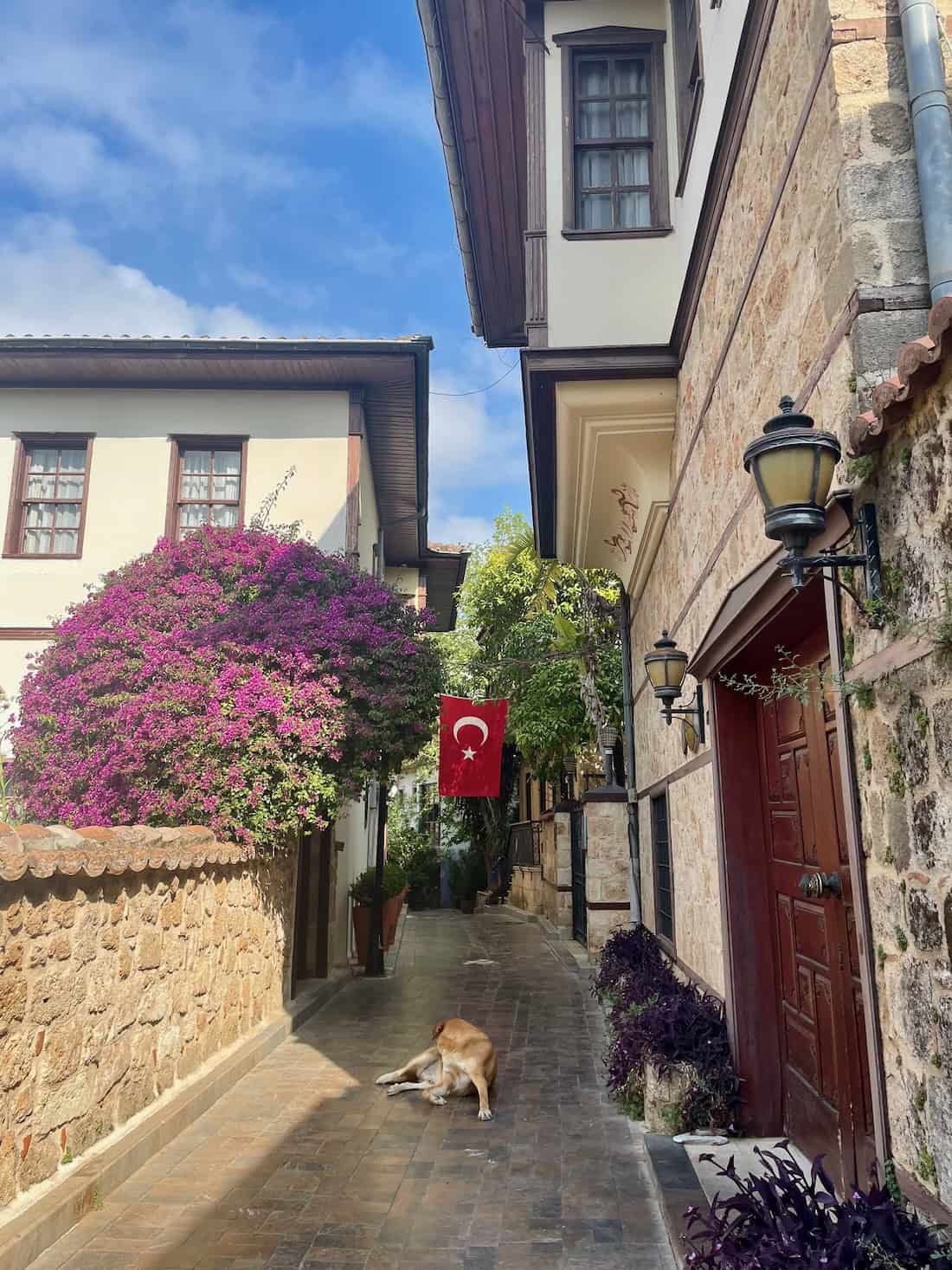
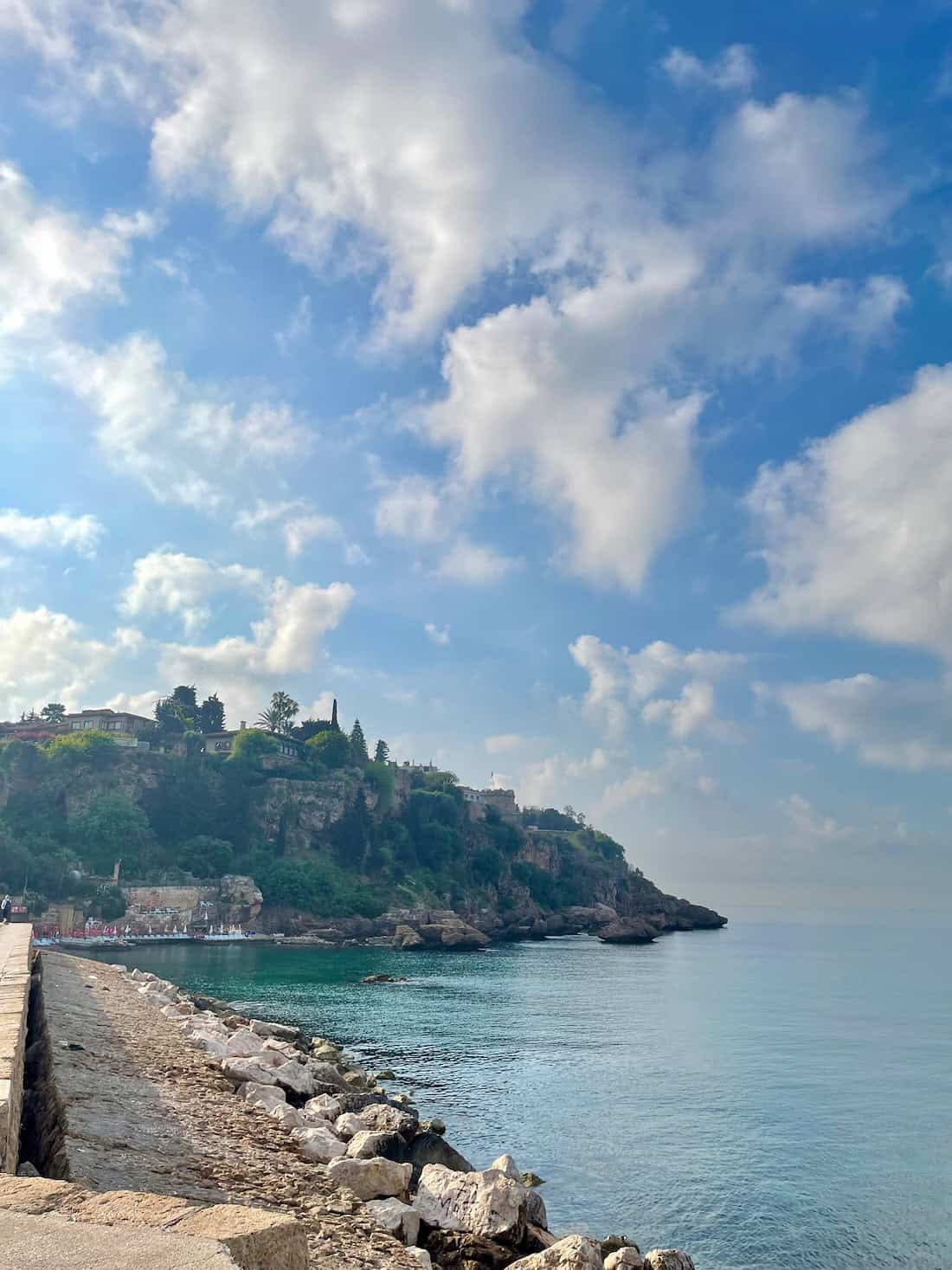
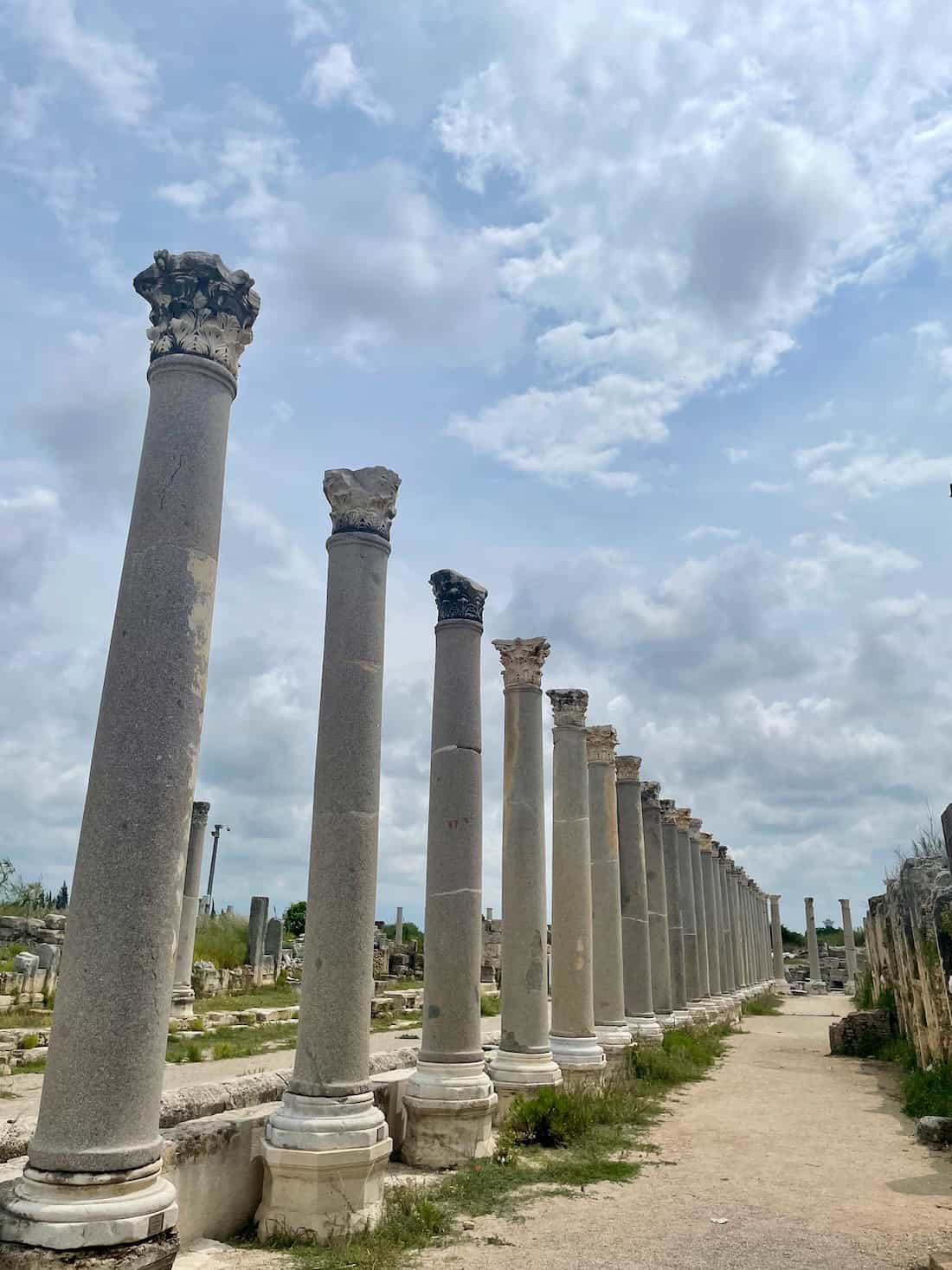
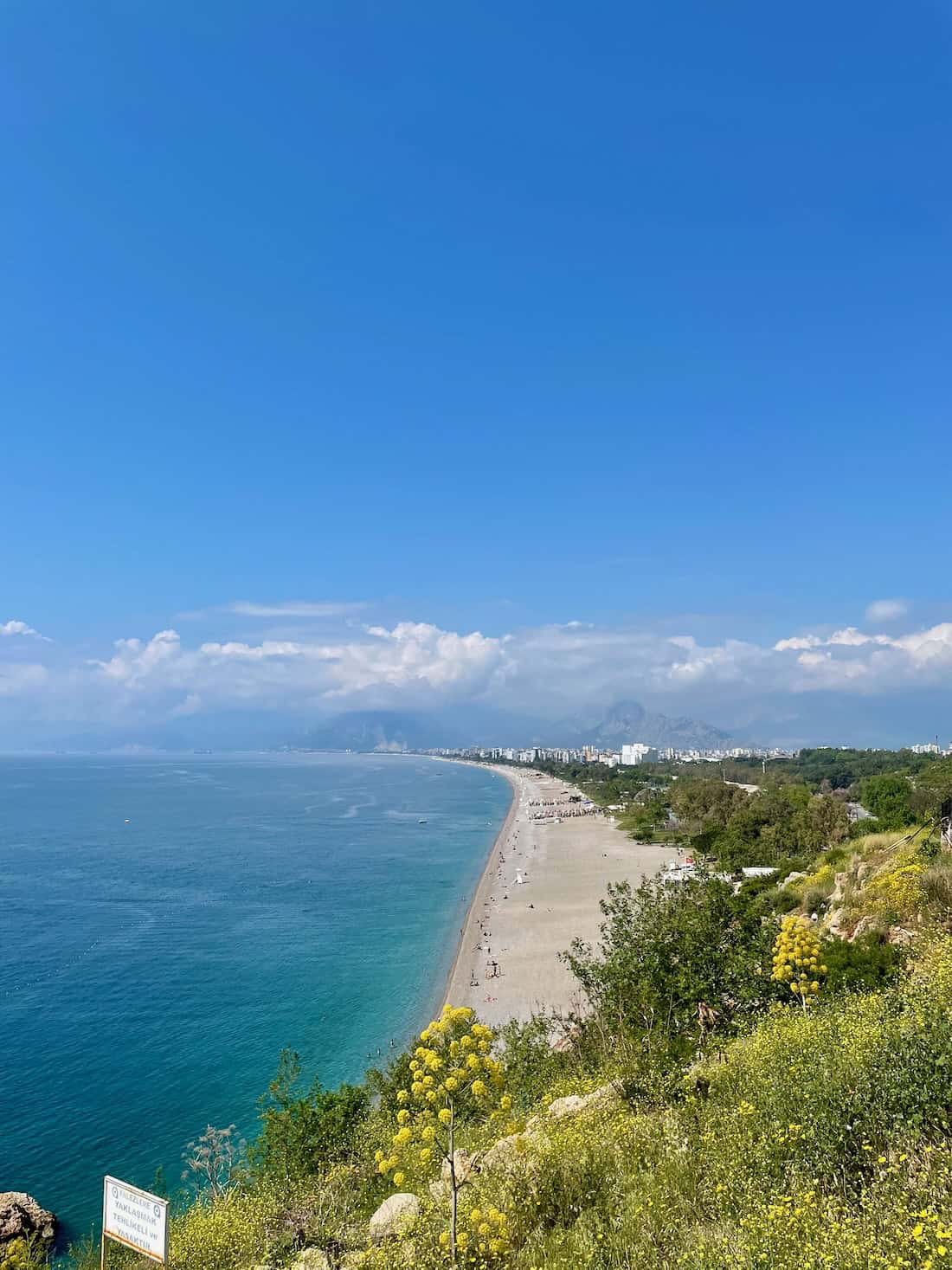
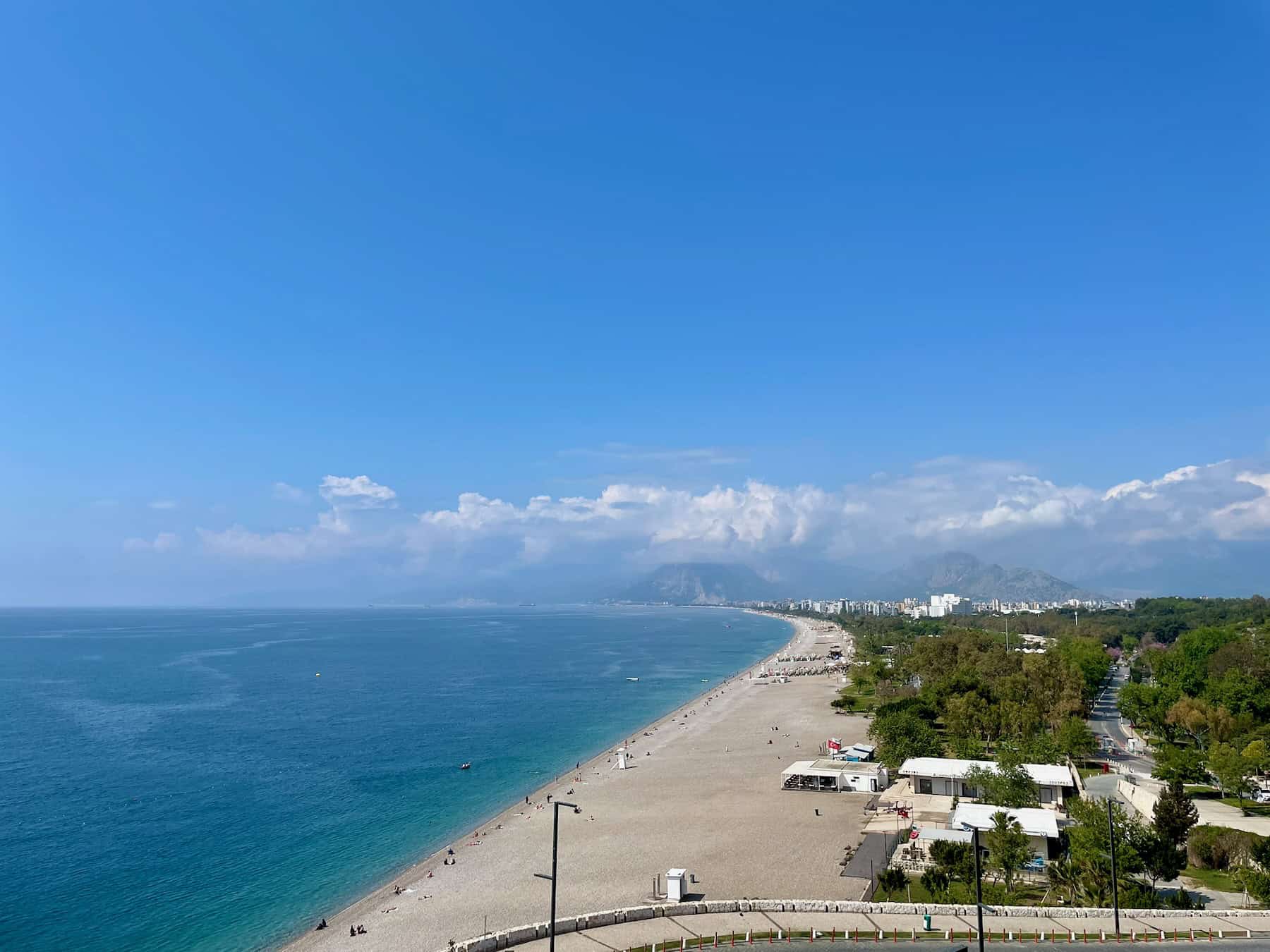
One April, I did a trip to Turkey and I would highly recommend. I accidentally went to one of the most touristy towns in Turkey – Antalya – however it was still super quiet. During April, the weather starts picking up in Southern Europe, but the crowds are still nowhere to be seen. It is just warm enough to go for a swim; however you can still get some cooler days.
July/August – Peak Summer Season
Express Overview:
Temperature:
Northern Europe: 15-25°C
Central Europe: 18-28°C
Southern Europe: 25-35°C
Crowd Levels:
● ● ● ● ●
Price:
$ $ $ $ $
Book early: $ $ $ $ $
Personal Recommendation
Avoid big cities
Go to the countryside
Book early
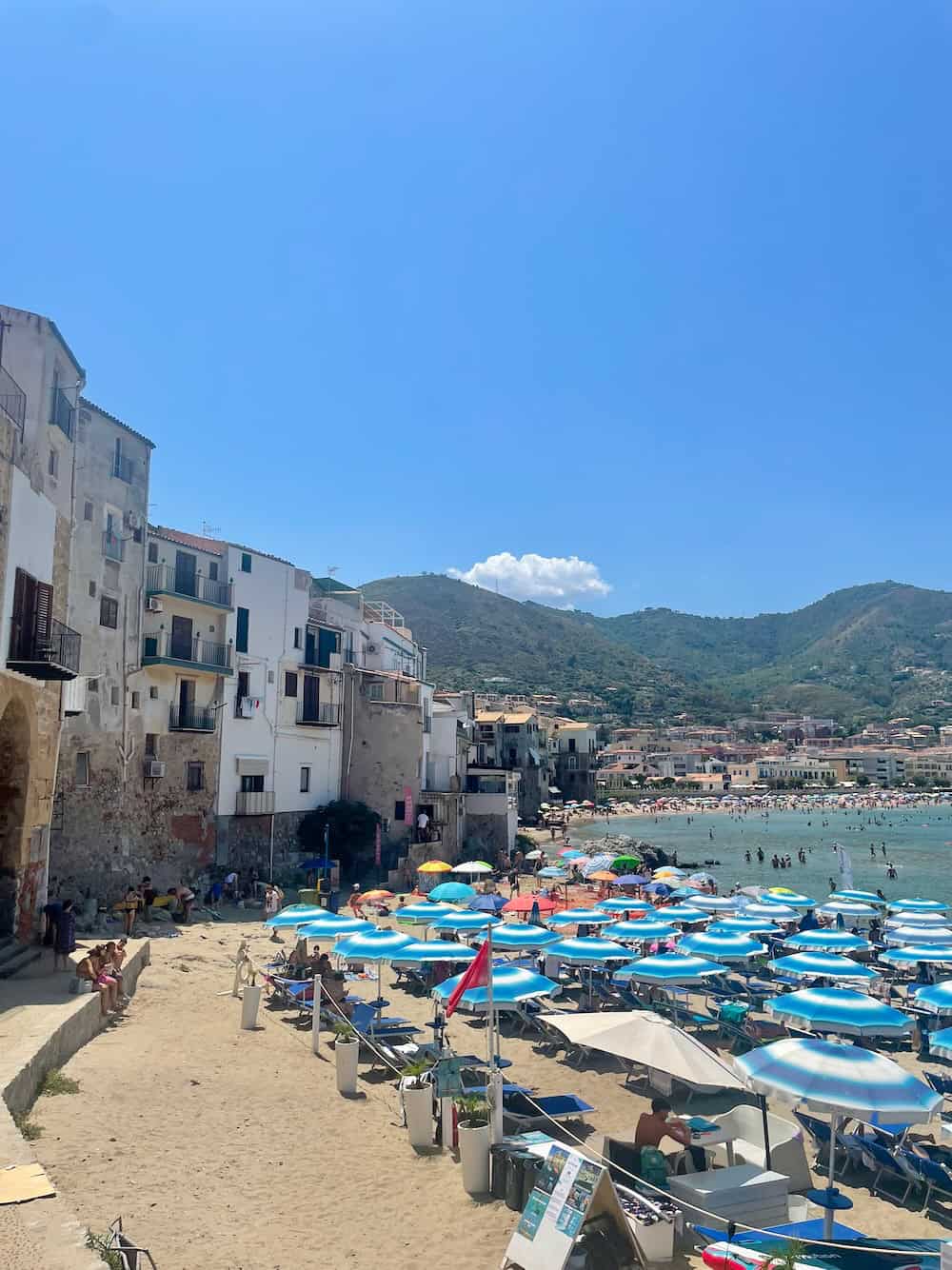
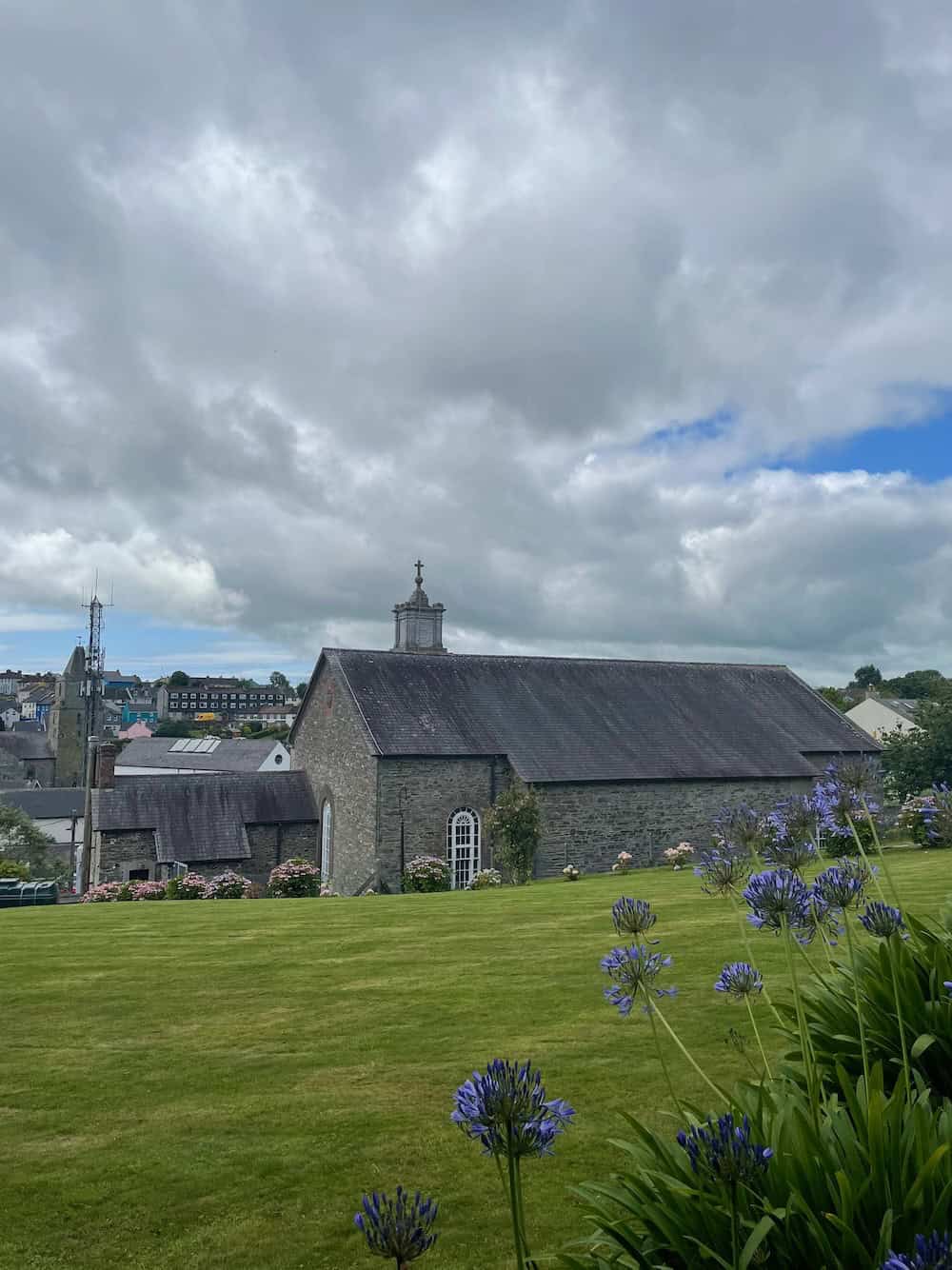
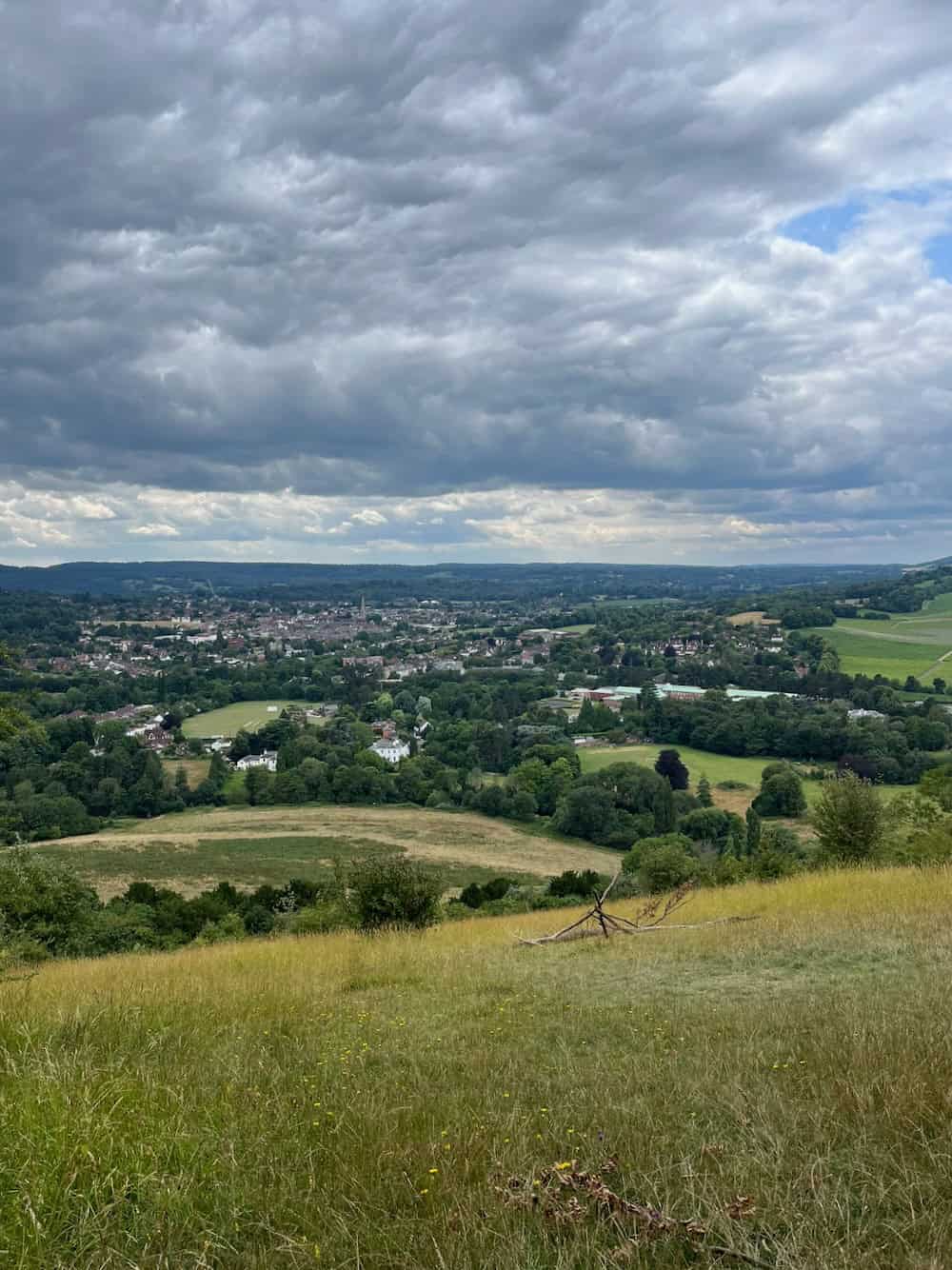
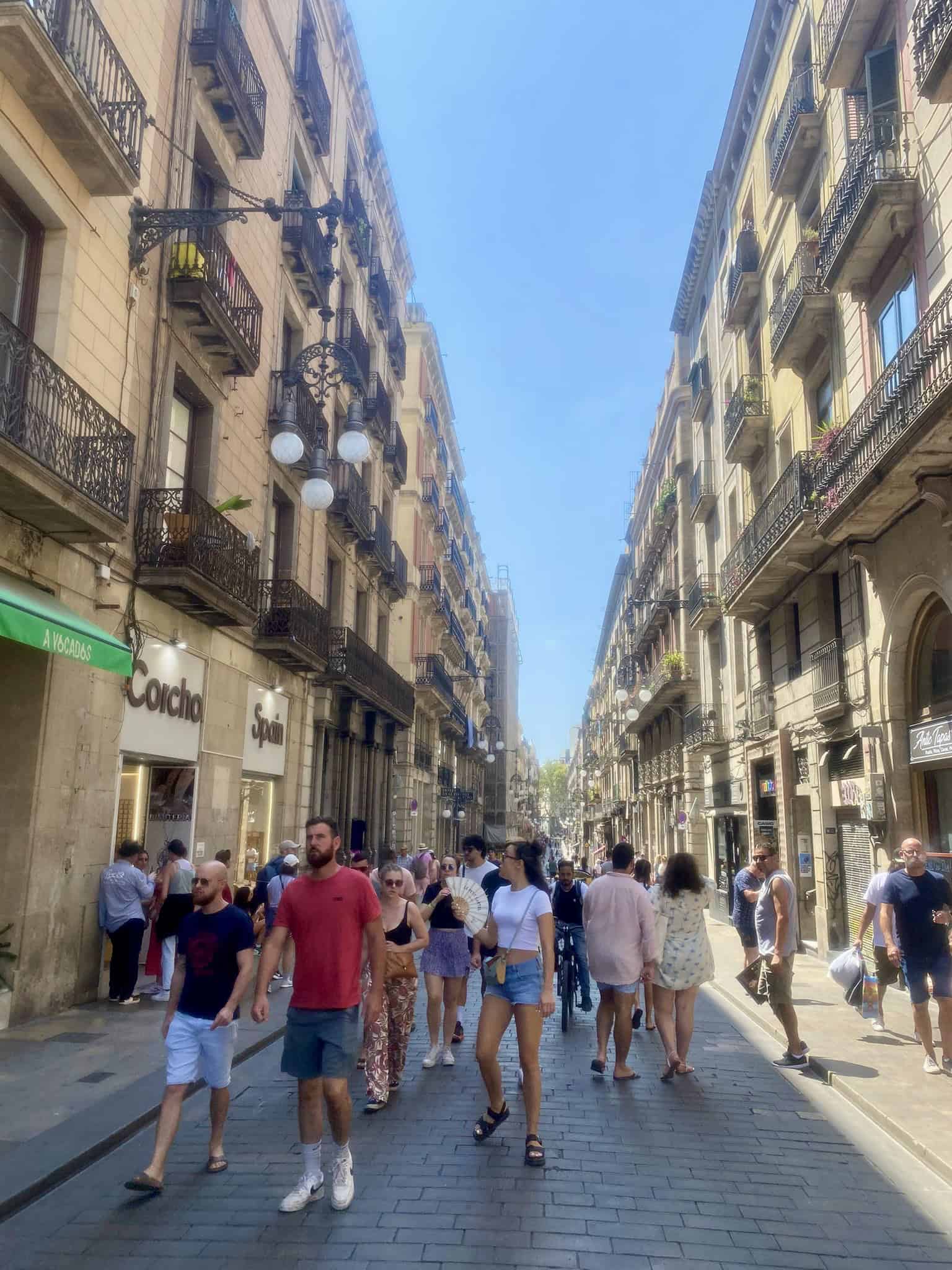
July and August are the most expensive months to travel Europe. Prices peak across the board, cities fill up with tourists, and finding budget accommodation becomes a real challenge.
And there’s a good reason for that: July and August have the best weather and coincide with school holidays across the Northern Hemisphere.
However, if you’re wondering whether Europe is worth visiting in summer, the answer is still yes — but only if you know where to go.
Weather Snapshot
- Almost all parts of Europe are experiencing temperatures above the 20 and 30°C mark — except for areas right in the most northern regions of Europe.
- Sunshine is abundant and rain is infrequent.
- Days are the longest they will be throughout the year.
Crowds and Prices
- July and August are by far the most expensive times of the year to go anywhere in Europe.
- Prices increase exponentially.
- Tourist numbers also increase exponentially.
- That said, it’s actually a great opportunity to explore the countryside, go off the beaten track, and visit towns and countries that aren’t as touristy.
Best For
- Exploring the unexplored
- Going outside the cities deep into the countryside
- Avoiding major tourist destinations
- BOOK EARLY
Personal Recommendation
- Try avoiding going to the most touristy European destinations during these months (Paris, Barcelona, Venice etc.).
- It is overwhelmingly busy, prices are high and there are simply better times to go that you will enjoy more.
- If you want to avoid the crowds, simply hire a car, head to the countryside, go explore places not easily accessible with public transport.
- If that’s out of your budget, book everything as early as you can to get the cheapest prices.
One year ago, I went to Sicily – one of the most popular summer destinations in Europe – in the middle of peak tourist season. I hired a car and drove right into the countryside of the island. Amazing authentic food, beautiful nature, friendly people, and not a single tourist in sight.
👉 Know when you want to go? Now figure out how to get around. Check out my complete guide to Travelling Europe By Train and Bus — everything you need to know about Eurail passes, FlixBus, seat reservations, and more.
Where to Go?
Jump to a Section:
Europe is a big continent, and where you go matters just as much as when. From the fjords of Scandinavia to the beaches of the Balkans, every region offers something completely different in terms of weather, price, culture, and crowds.
Here’s a breakdown of each region to help you decide where to travel in Europe based on your budget and interests.
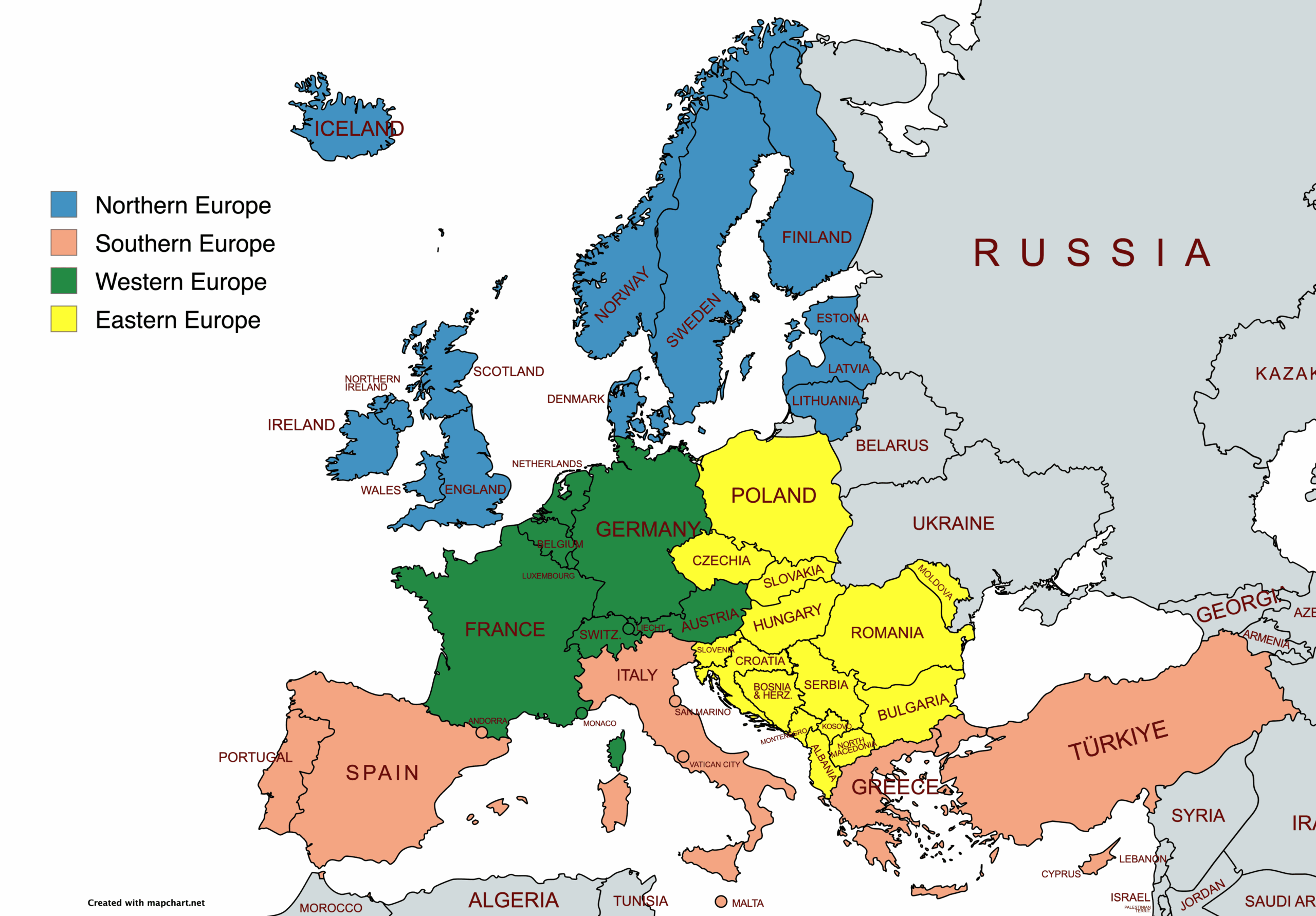
Northern Europe
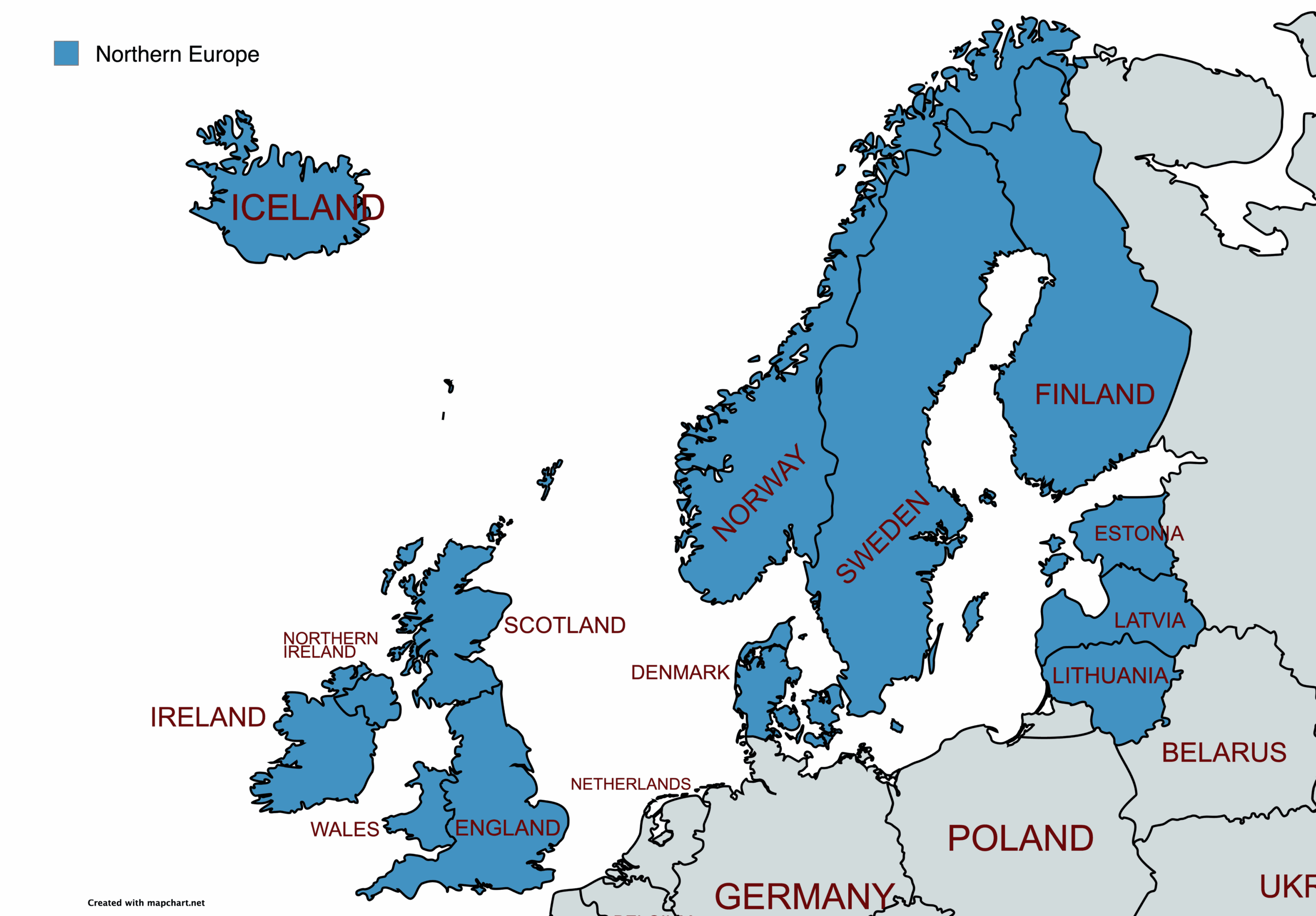
Northern Europe is the most expensive region in Europe. Out of the 10 most expensive countries in Europe, Northern Europe is home to 7 of them.
Nevertheless, every single one of these countries is absolutely worth visiting – if it fits in your budget.
The Nordic’s
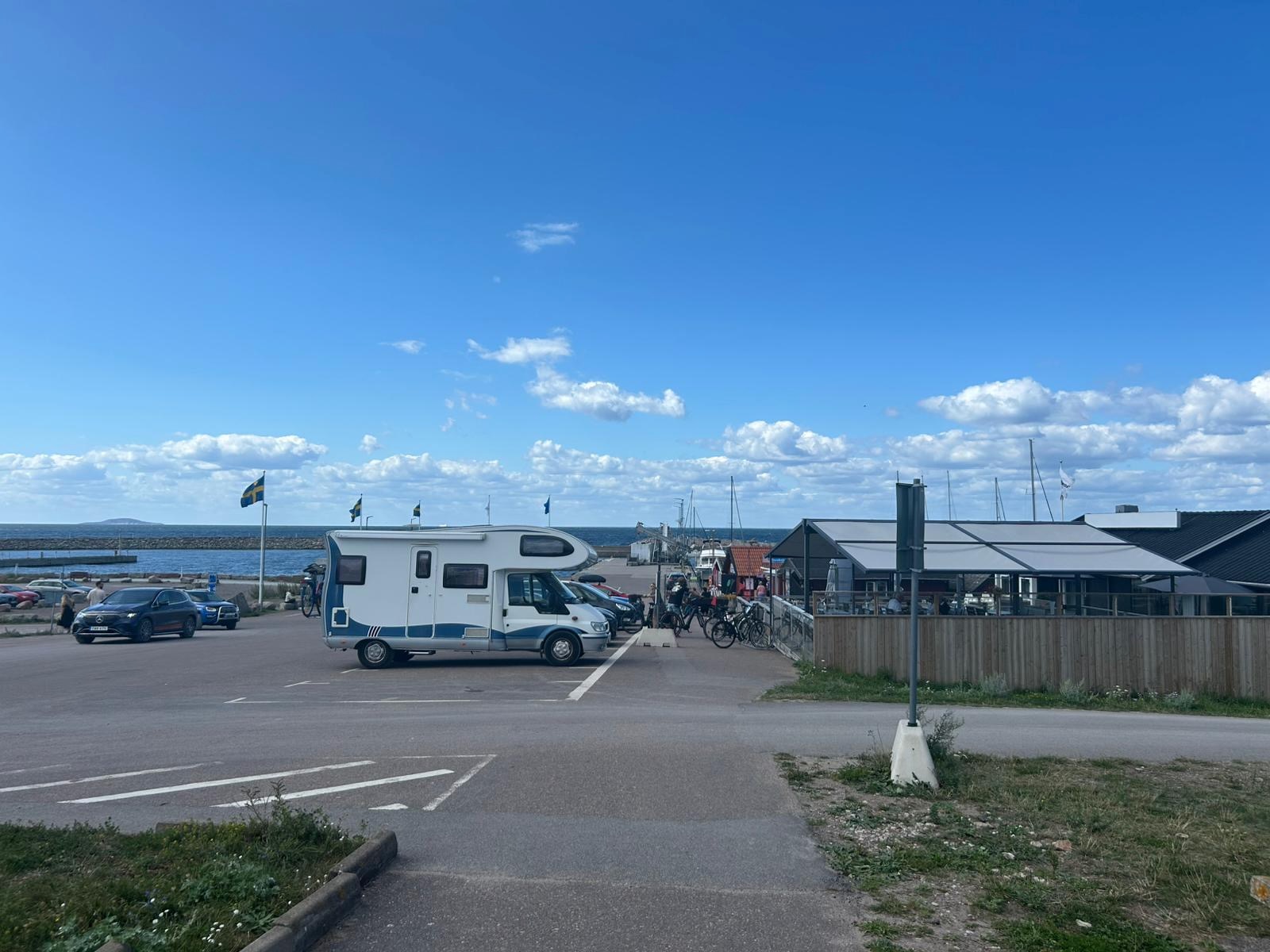
The Nordic’s (Denmark, Finland, Iceland, Norway, Sweden) is home to diverse and dramatic landscapes – farmlands, fjords, forests, coastlines, islands, volcanoes – innovative cities and a strong reputation for equality. It may be expensive, but they also have a very high standard of living.
Less Tourism:
- Compared to parts of Western and Southern Europe, the region receives less tourism overall.
- People especially during the summer time are itching for more warmer climates, and the Nordic Region is still relatively mild during the summer (high teens to low 20’s).
Beautiful Summertime:
- Summer is a beautiful time to visit.
- The nature and cities in the Nordics during the summer are amazing.
- The mountains, beaches and greenery in the cities make it a perfect summer destination for people wanting to escape a bit of the crowds.
- Don’t be mistaken though, there are still places with plenty of tourists, but thanks to the countries being so big, there are also plenty of hidden gems with no tourists ready to be discovered.
Snowy Wintertime:
- There is also plenty to do during the winter.
- Thanks to the abundance of nature, there are plenty of winter activities such as skiing, ice fishing, snowmobile safaris, and of course seeing the Northern Lights.
- Tourism definitely sees a spike in the most northern regions where people go hunting for the Northern Lights, but the cities are definitely a lot quieter during the winter.
If its in your budget, and you are seeking a more nature based experience, I would absolutely recommend visiting the Nordic Region.
Visit https://visitnordic.com/en/ for full guides on the region.
United Kingdom/Ireland
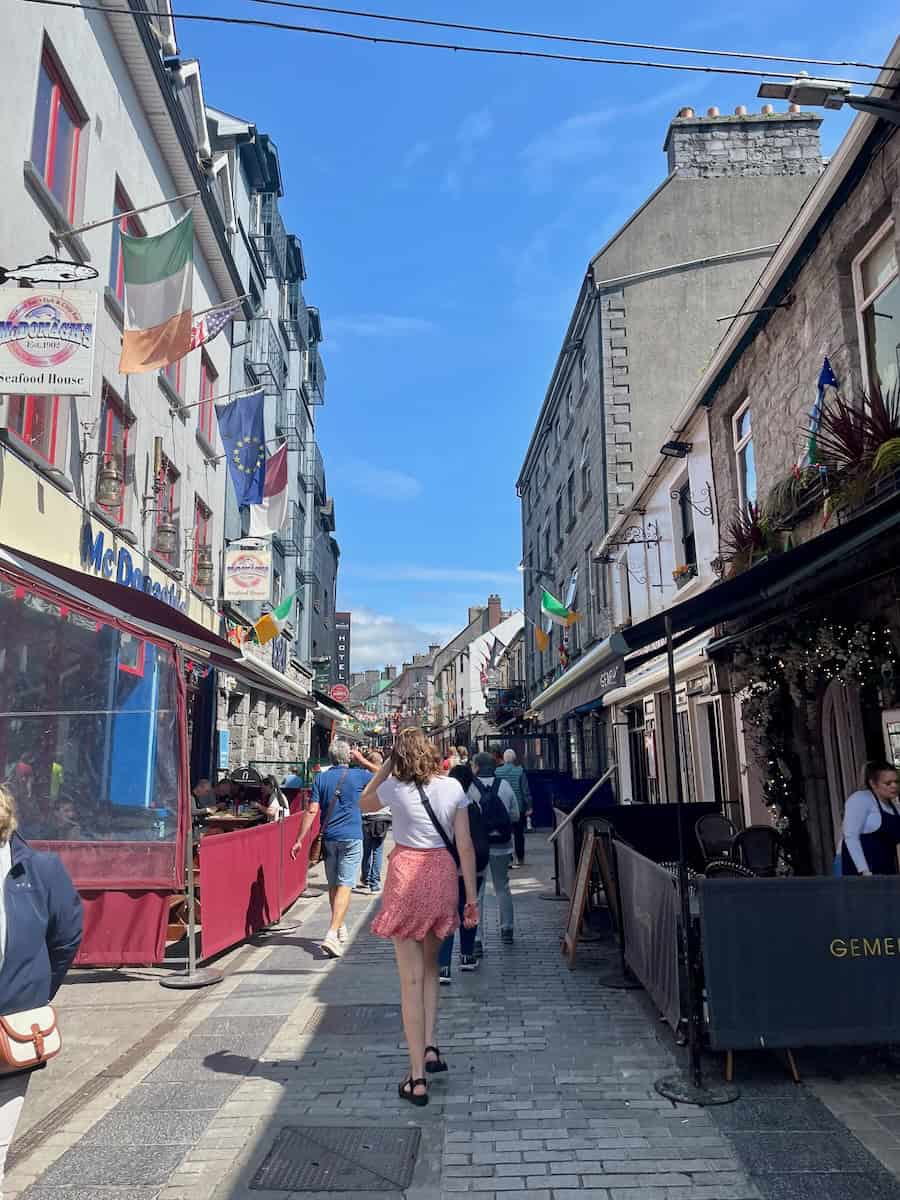
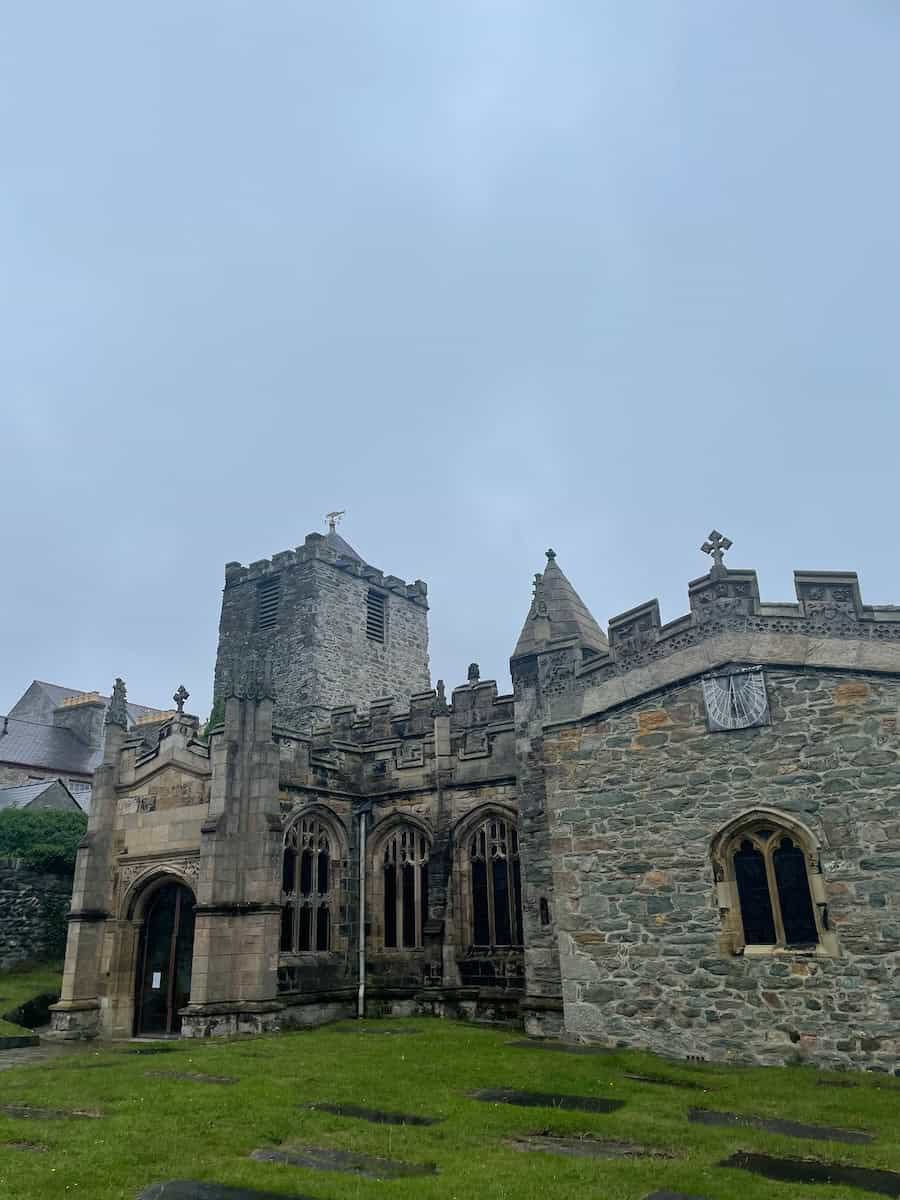
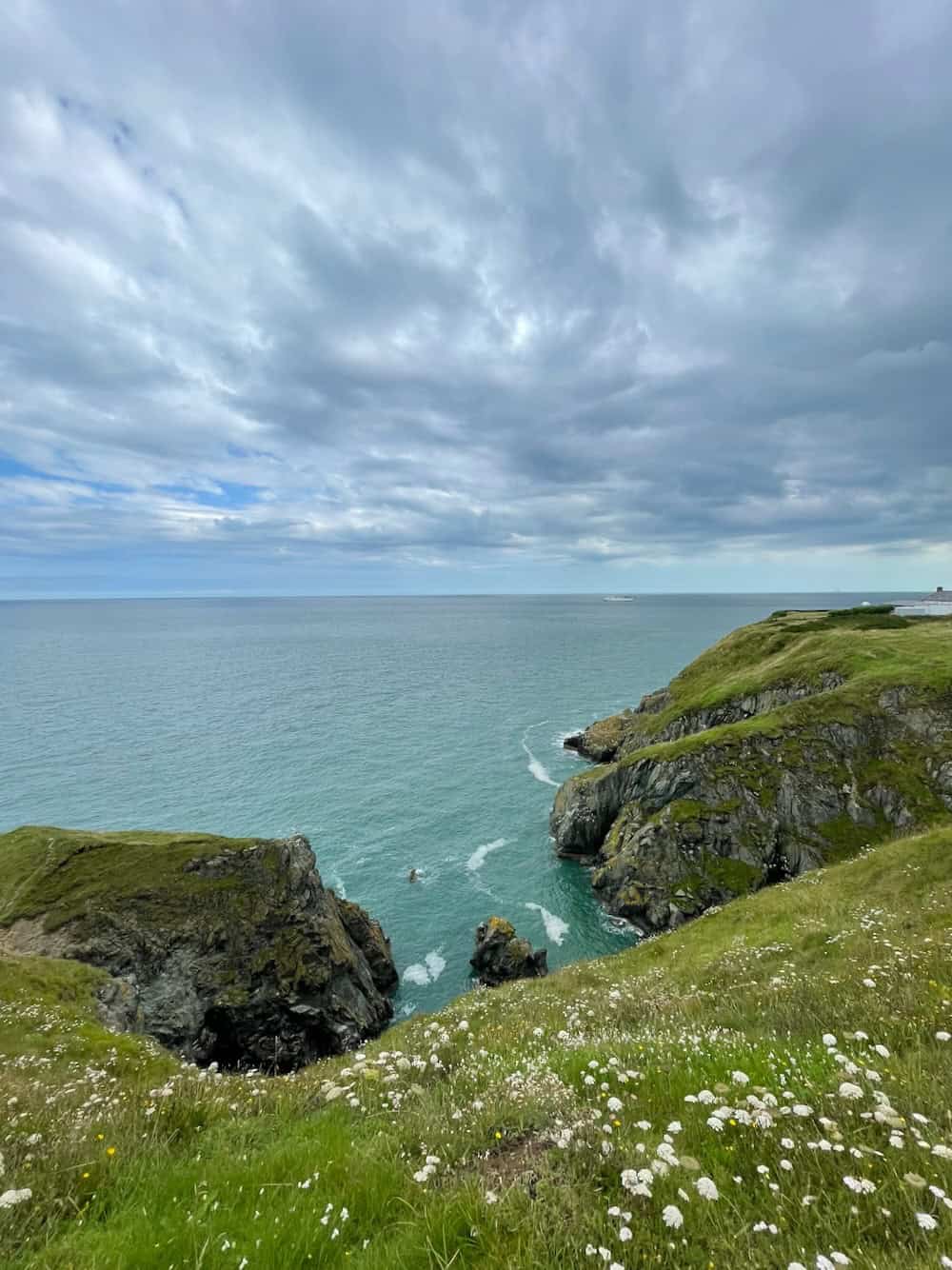
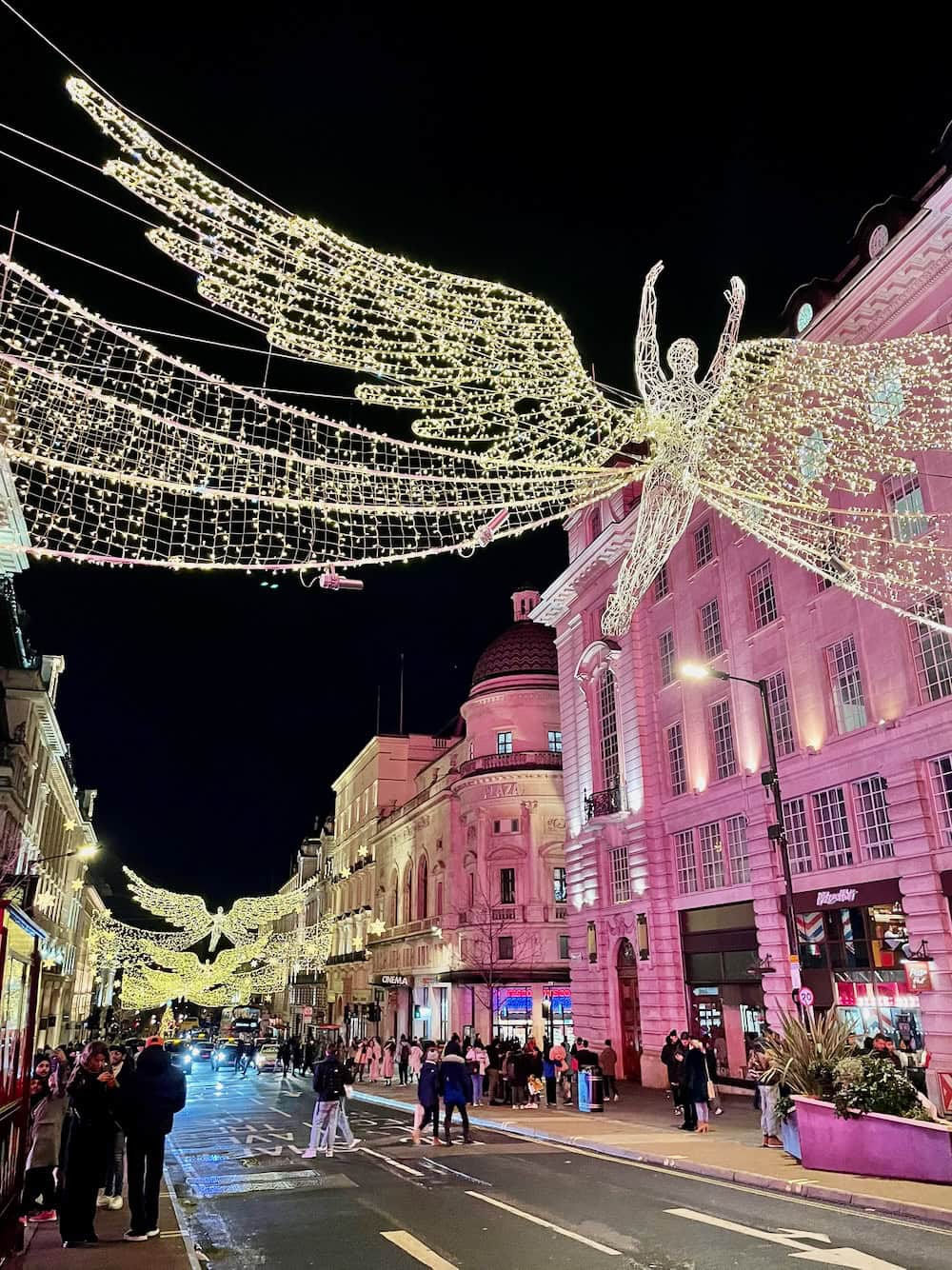
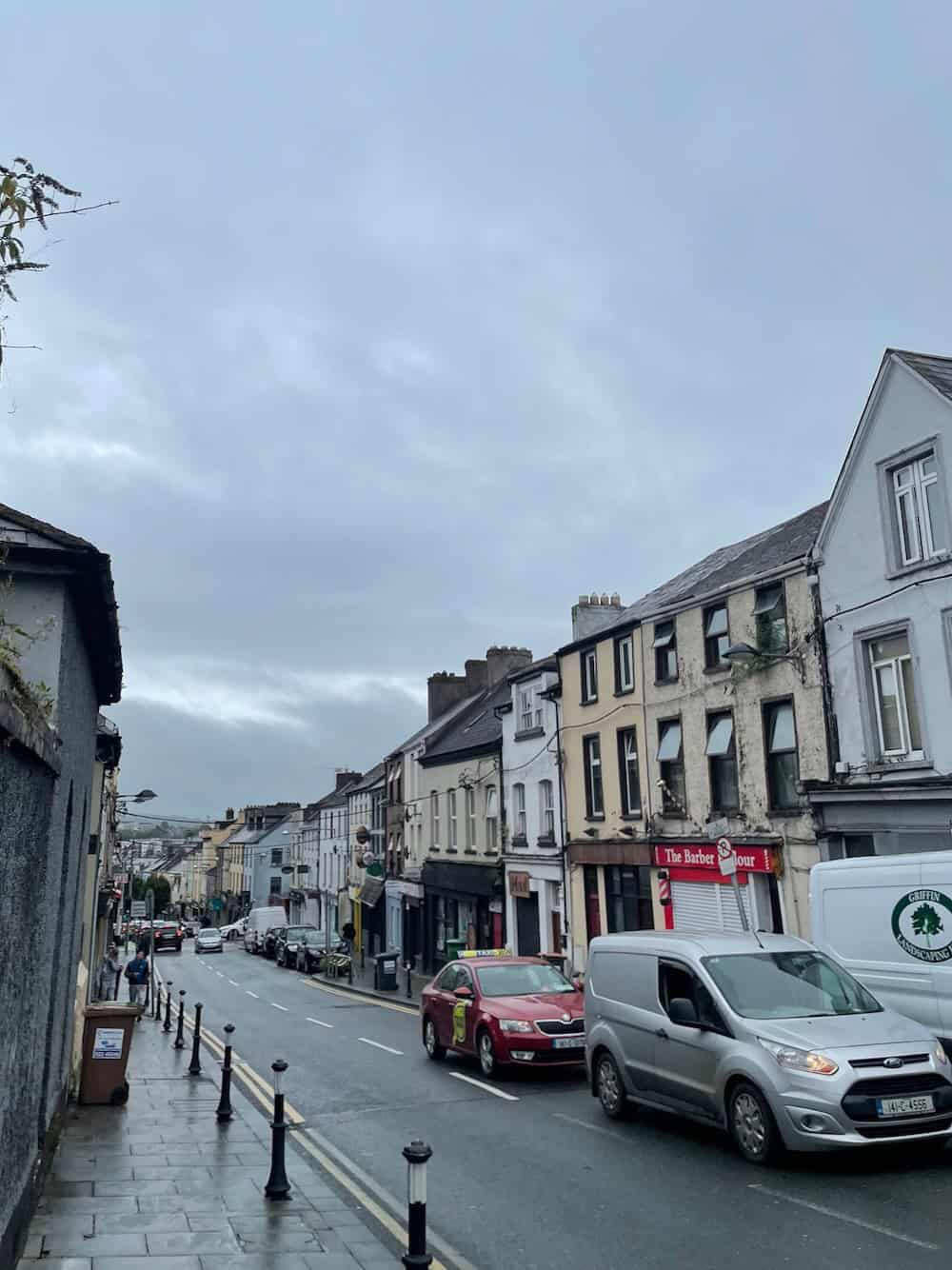
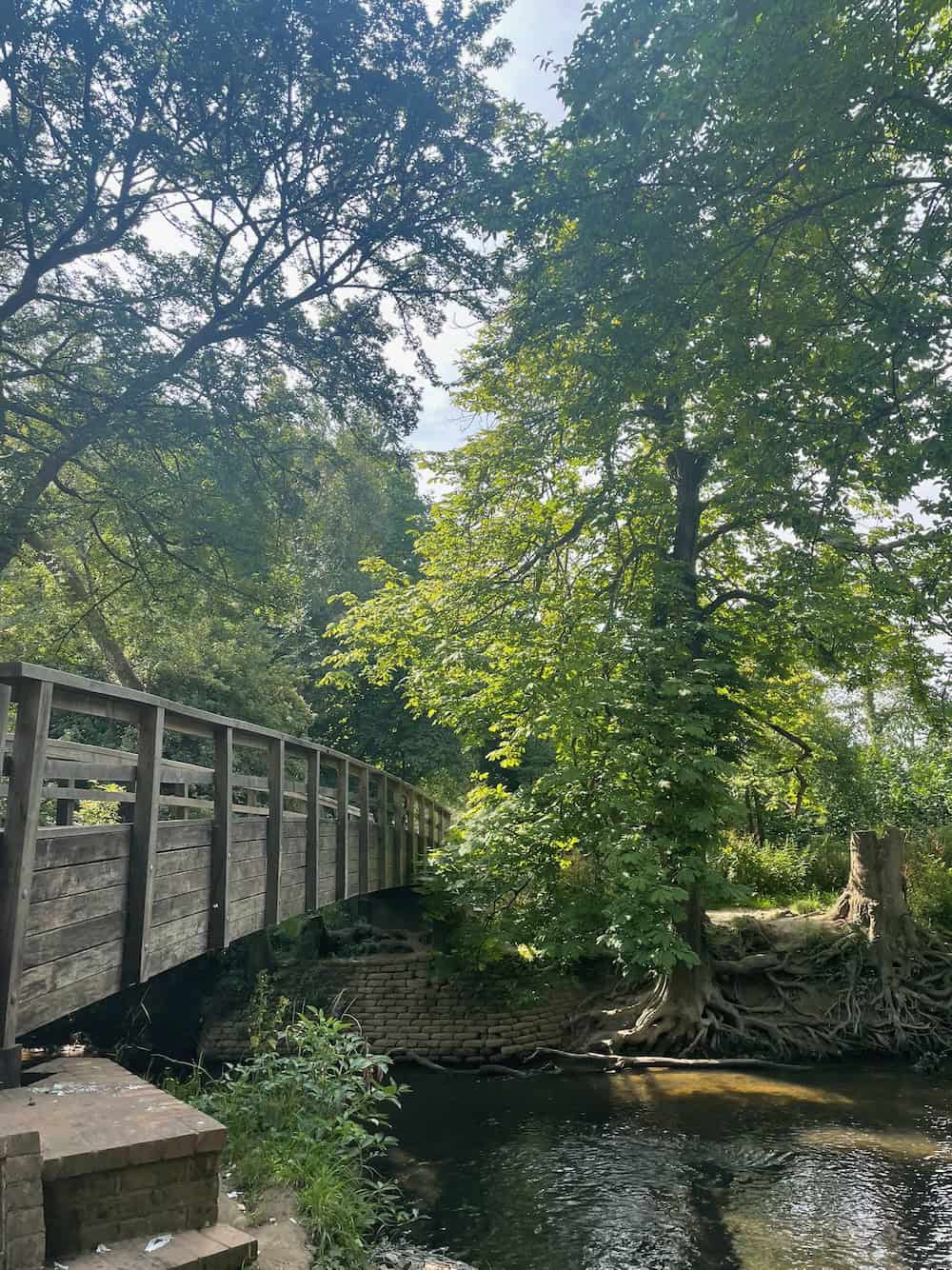
Both the UK and Ireland are home to bustling cities, and quaint towns that are full of history and culture. The pub culture in the UK and Ireland are also hands down the best in the world. However, they are also both countries that are relatively expensive. Accommodation costs are high and so are transport costs. Nevertheless they are both two beautiful countries with many hidden gems not flocked with tourists.
The United Kingom:
- The UK is home to four different countries (England, Scotland, Wales and Northern Ireland).
- Not only is each of these countries completely different to the next, every region within these countries also differ entirely.
- England has big cities with endless attractions, Scotland has beautiful old towns, castles and nature, and Wales and Northern Ireland have beautiful nature and are steeped with history and culture.
Ireland
- Ireland is home to 26 different counties, with every county being unique.
- From farmlands, to bustling cities like Dublin and quaint towns like Galway, Ireland is home to a terrific pub culture, friendly people, diverse landscapes and a rich tradition of music, folklore, and history.
- Although it can be quite cold and rainy even in the summer, it is a destination that people will regularly come back to.
- If you love friendly people, and a good night out, I highly recommend Ireland.
Visit https://www.visitbritain.com/en for guides on the UK
Visit https://www.discoverireland.ie/ for guides on Ireland
The Baltic States
- The Baltics – Estonia, Lativa, and Lithuania – are a captivating corner of Europe.
- Sitting on the Eastern Coast of the Baltic Sea, they are home to fascinating fairytale-like medieval towns and have a vibrant cultural scene, all the while being a lot more affordable than much of Western and other parts of Northern Europe.
- Throughout the year, they receive much less tourism than most other places in Europe, making them perfect places to go to experience somewhere a bit more quiet, and authentic
Visit Baltics Travel Guide for guides on the Baltics.
Western Europe
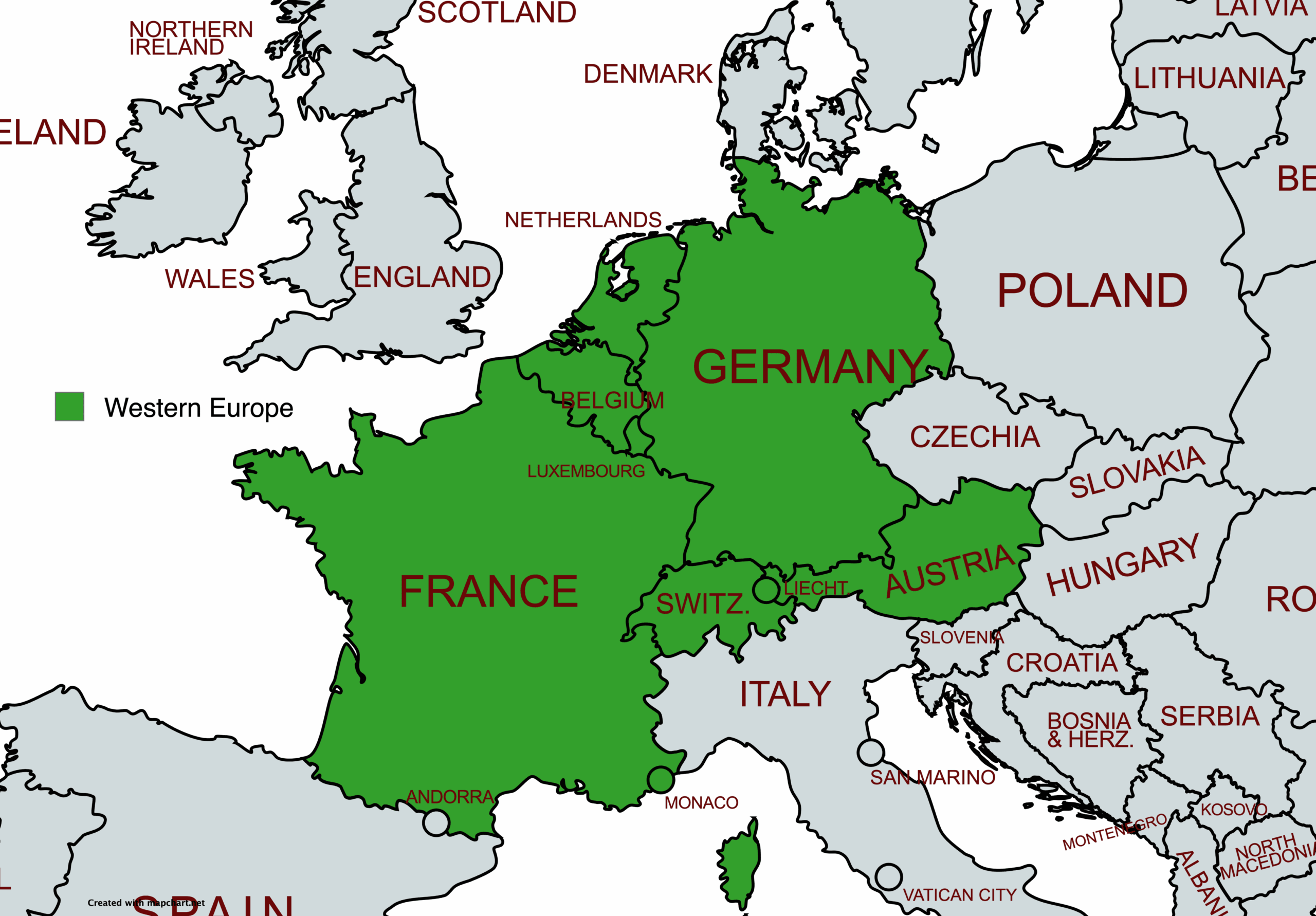
Western Europe is a vibrant mix of history and culture. From the Gothic architecture found in Belgian towns, canals in the Netherlands, the castles of Germany, or the Alps crossing from France all the way to Austria, there is so much on offer.
It Doesn’t Matter What Time of the Year you Visit
- Personally, I don’t think it really matters what time of the year you visit Western Europe – it is up to your personal preference.
- Summer has beautiful weather, autumn is colourful, winter there are amazing Christmas markets and skiing and in spring flowers bloom.
Summer
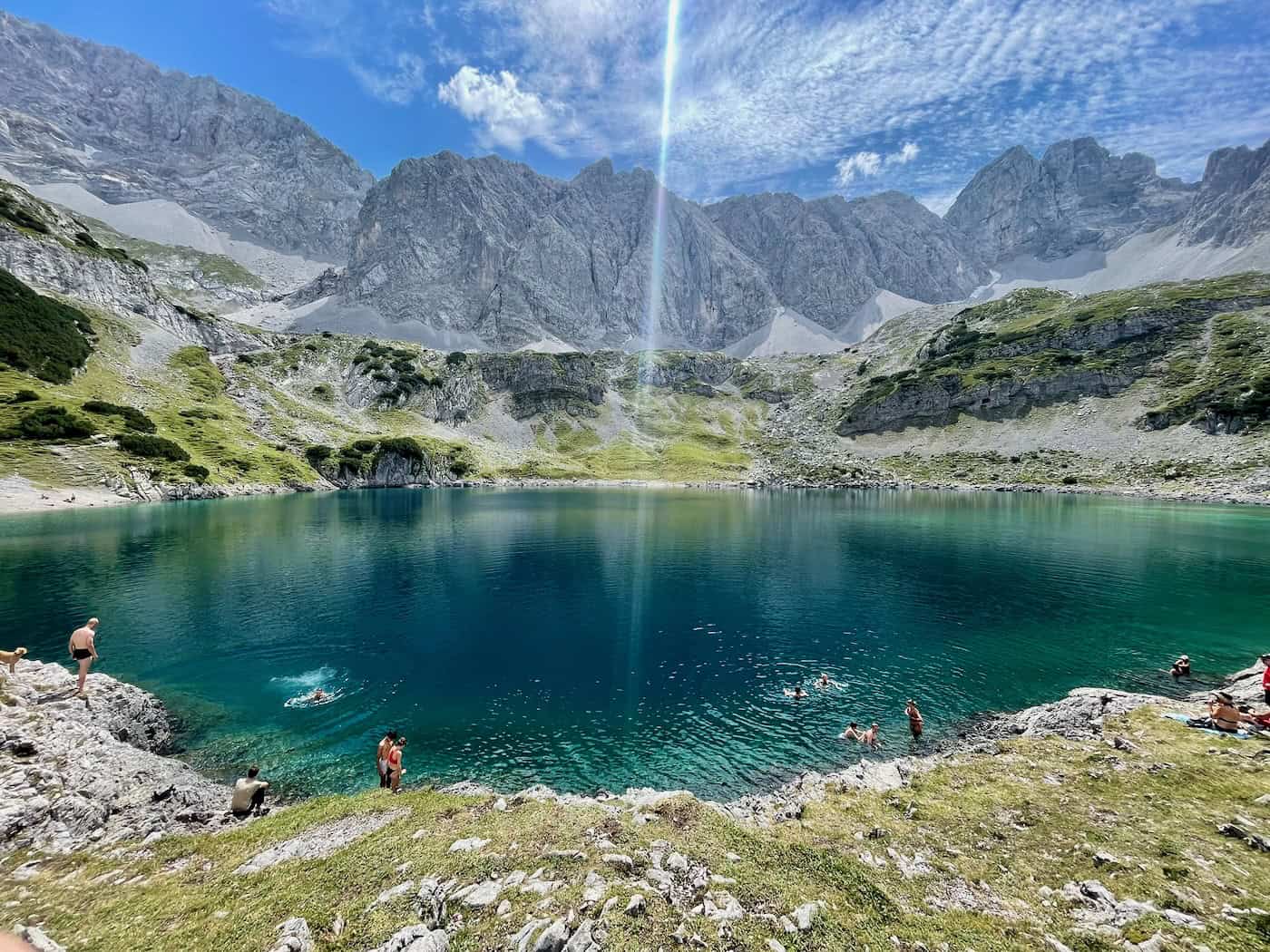
- In the summer there is definitely a more up-beat vibe in the cities, as the winter’s can get cold and gloomy.
- The sun is out, the trees in the cities and forests are green and the terraces are filled with people.
- The Alps are also beautiful this time of year.
- Warm temperatures make it perfect for hiking and swimming in alpine lakes.
- Summer is the most expensive time to go, but the vibes you just can’t beat.
Autumn
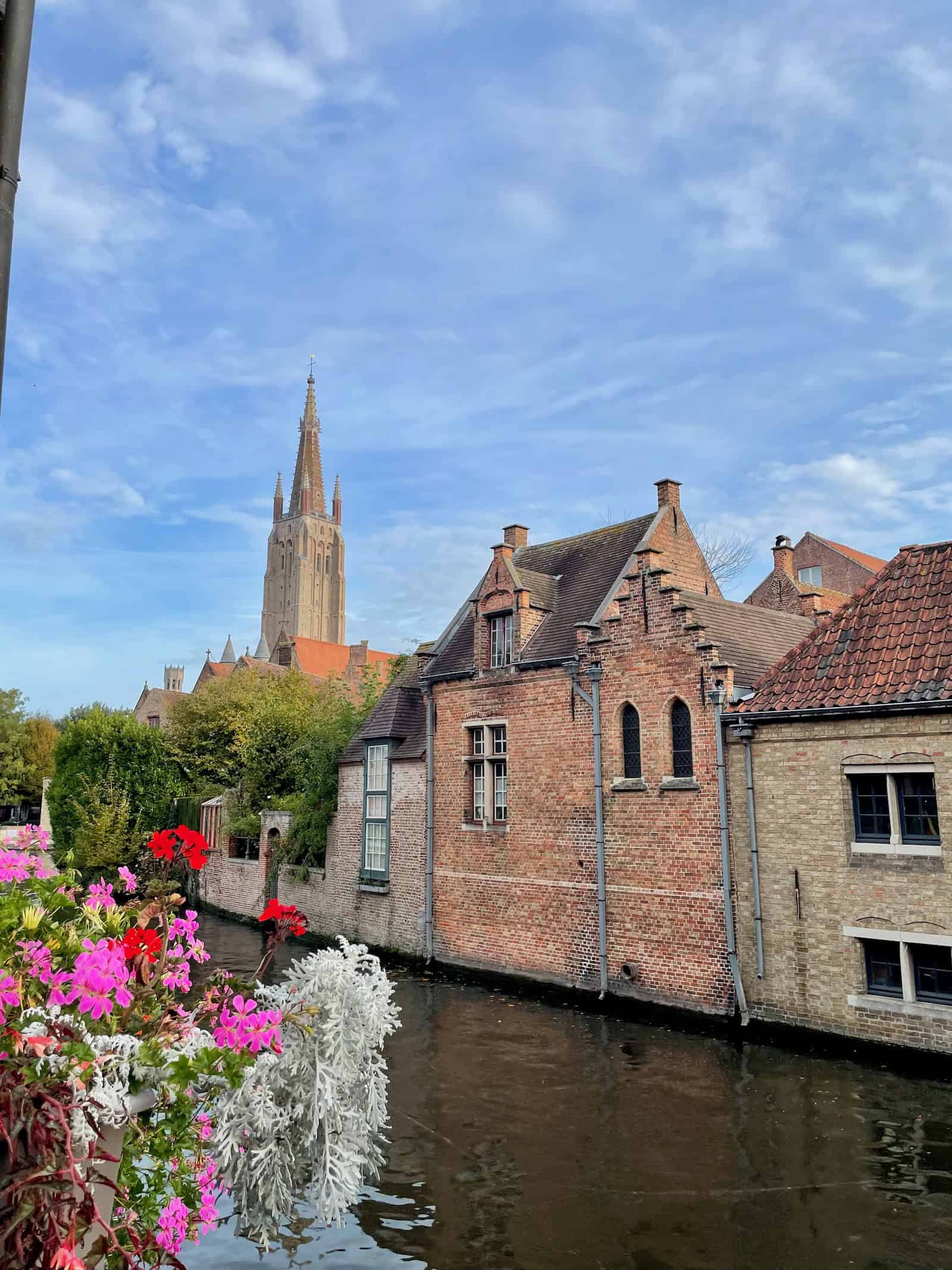
- In autumn, the cities and countryside turn bright orange and yellow.
- Although the air is a bit more crisp, if you like the cheaper prices, still good weather and the beautiful colours, autumn is perfect for you.
Winter
- In the cities, winter months are cold, wet and grey – this however means you’ll find the lowest prices and the least amount of tourists.
- Temperature drop towards 0, and stay there for the majority of the season.
- However, in the month of December, you get the Christmas Markets.
- Almost every city centre is filled with a bustling market. Christmas markets are definitely best enjoyed in Western Europe.
You also get skiing in the Alps during winter.
- The best time to go is in January and February — do not go during the school holiday period as prices are expensive and crowds are aplenty.
- There is nothing better in the winter, than skiing in the Alps on a clear, sunny winters day.
Spring
- The spring is also another great time to go.
- In April and May, the trees and flowers start blooming again and the cities start to come alive.
- The weather can still be quite chilly, but you can still enjoy plenty of sunshine – and without the tourist crowds and prices of the summer.
- If you like bit more peace and quiet in the cities, spring is the time to go.
Southern Europe
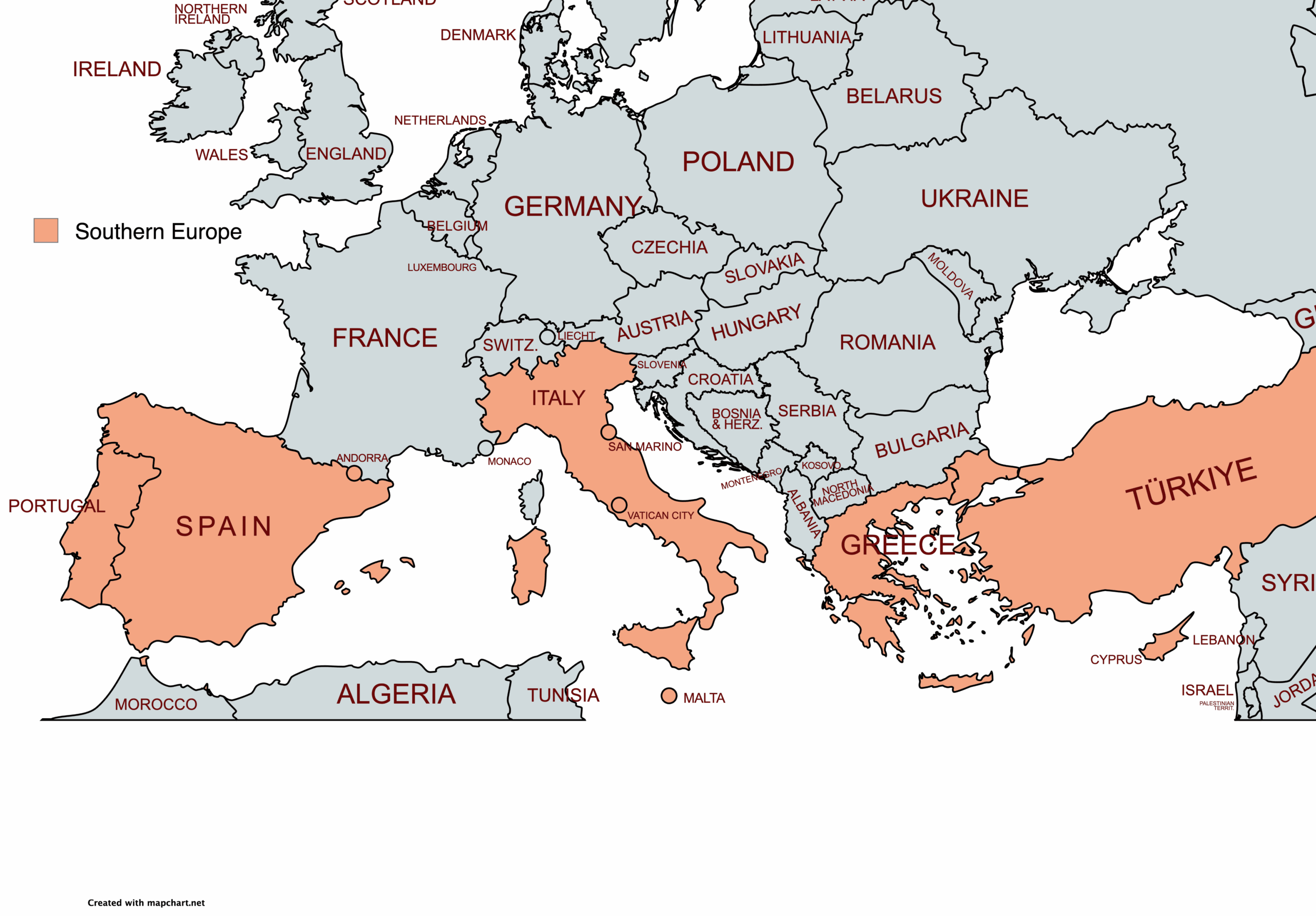
Southern Europe boasts some of the continents most popular destinations, especially in summer when people want warm and sunny weather.
This means, they are flocking to places like: Portugal, Spain, Italy and Greece. All four of these countries are in the top 5 most touristy places during the summer…. however rightly so.
Iberia (Portugal, Spain)
- Both countries are affordable compared to Northern and Western Europe, and are home to amazing seafood, great meats, beautiful beaches, and friendly people.
- During the summer, it can get hot, with temperature often reaching the high 30’s. Because of the good weather in summer, a lot of cities and towns in this region will become the busiest in Europe.
- I recommend visiting in the shoulder seasons when the weather and temperatures are perfect, and there are fewer crowds.
Mediterranean (Italy, Greece, Turkey)
- Much like Iberia, the countries in this region are home to some of the best food, beaches and nature in Europe making it super popular especially in the summer months.
- Not only that, these regions are also quite cheap — especially if you book early.
- During the summer months, these destinations will get incredibly busy – it can get quite overwhelming.
- I would recommend going in the shoulder seasons.
I visited Greece in the peak summer period, and the cities and main island cities were packed to the brim. HOWEVER, if you venture into the countryside, you can find beautiful towns and beaches that are void of tourists — however you will need to hire a car.
Eastern Europe
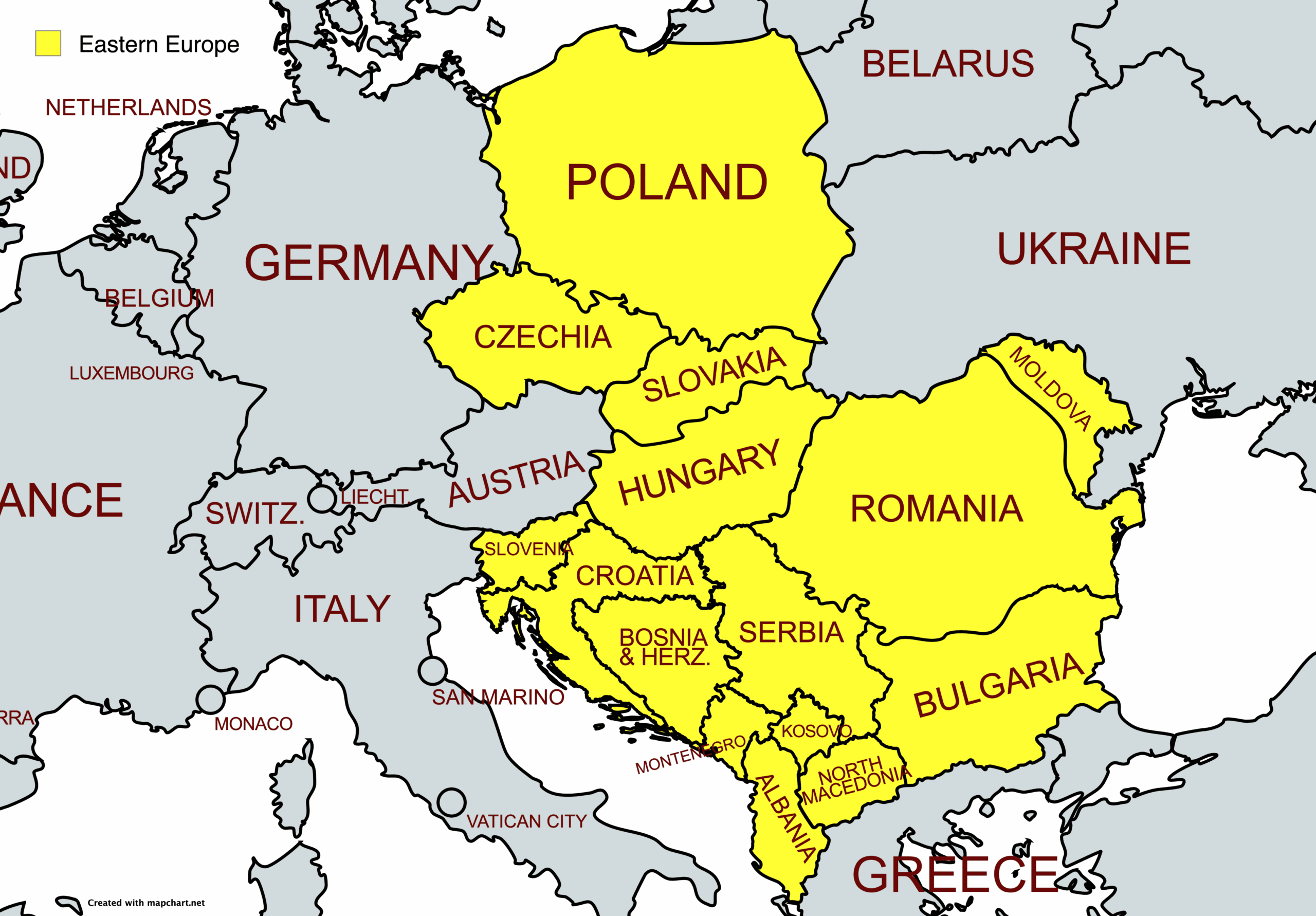
Eastern Europe is home to a rich culture and some of the most beautiful places I have visited in my time in Europe. Many parts of Eastern Europe can get very cold and grey during the winter, so I would recommend going in the shoulder-seasons/summer
North-Eastern Europe
- Poland, Czech Republic, Slovakia, Hungary, Slovenia is where Western and Eastern influences have blended over the centuries.
- Thanks to ever shifting borders, you’ll find a mix of Germanic, Slavic, and Hungarian traditions and cultures.
- It is also home to some of the most famous cities in Europe, like Prague, Budapest and Warsaw.
- From medieval castles, gothic old towns, lively cafés and nightlife, this part of Europe is perfect if you’re looking for a mix between the east and west – all the while being super affordable.
Balkans
The Balkans is home to some of the least visited countries in Europe – however that is slowly changing.
Most Visited Balkan Country:
- The most visited Balkan country is Croatia by far.
- Especially since adopting the Euro in January 2023, Croatia has seen a huge spike in tourism.
- Beautiful old towns dot the coast, rugged mountains inland, crystal clear waters, and spectacular islands are just some of the reasons Croatia has become so popular.
Getting Popular Quickly
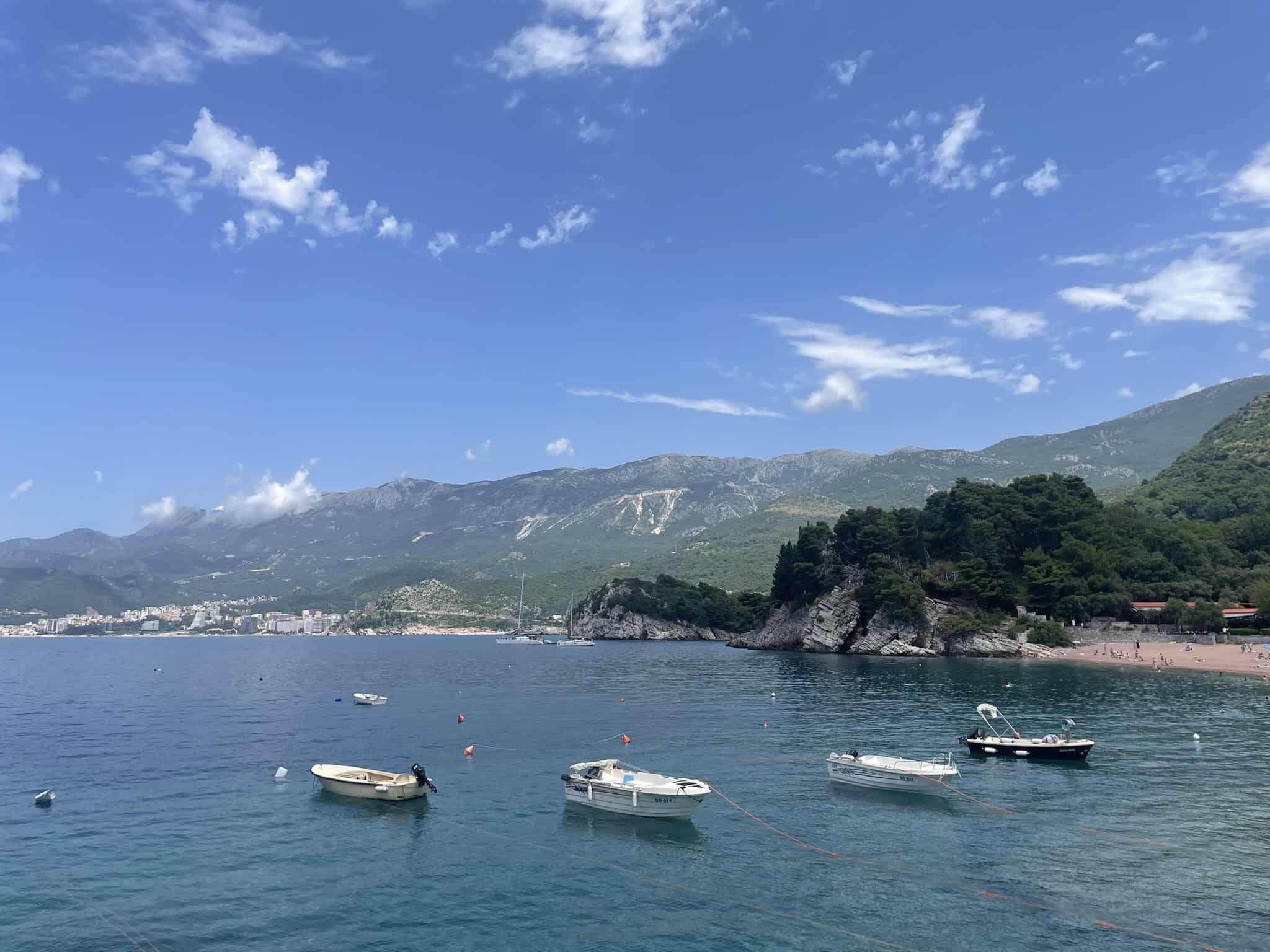
- Every year, Albania, Bosnia and Herzegovina and Montenegro are gaining more and more attraction during the summer months.
- Albania’s rivera, Bosnia’s famous old towns and Montenegro’s beaches and mountains are some of the most beautiful in Europe.
- In addition, summer temperatures are warm, weather is reliably good, and these are some of the cheapest countries to visit in Europe.
- If you’re looking for an affordable beach and mountain vacation, I couldn’t recommend these countries more.
There is a big price difference between going in the middle of summer peak season and the shoulder/off seasons, so take that into consideration. I think the best time to visit is in the beginning-mid June — prices are cheaper than mid-summer and fewer crowds.
I went to Montenegro in mid-June and it was perfect. Great weather, great prices, and not much tourism.
The Forgotten Countries
- Places like North Macedonia, Serbia, Kosovo and Romania are some of the least visited countries in Europe.
- They are not as developed – due to major conflicts in its recent history – and not as well connected with public transport as some western countries which turns some holiday makers away.
- I however think this turns them into perfect spots to get away from tourist crowds.
- There are friendly people, good food, amazing history and nature ready to be explored with the added luxury of smaller crowds. You will however need a car to really enjoy this area.
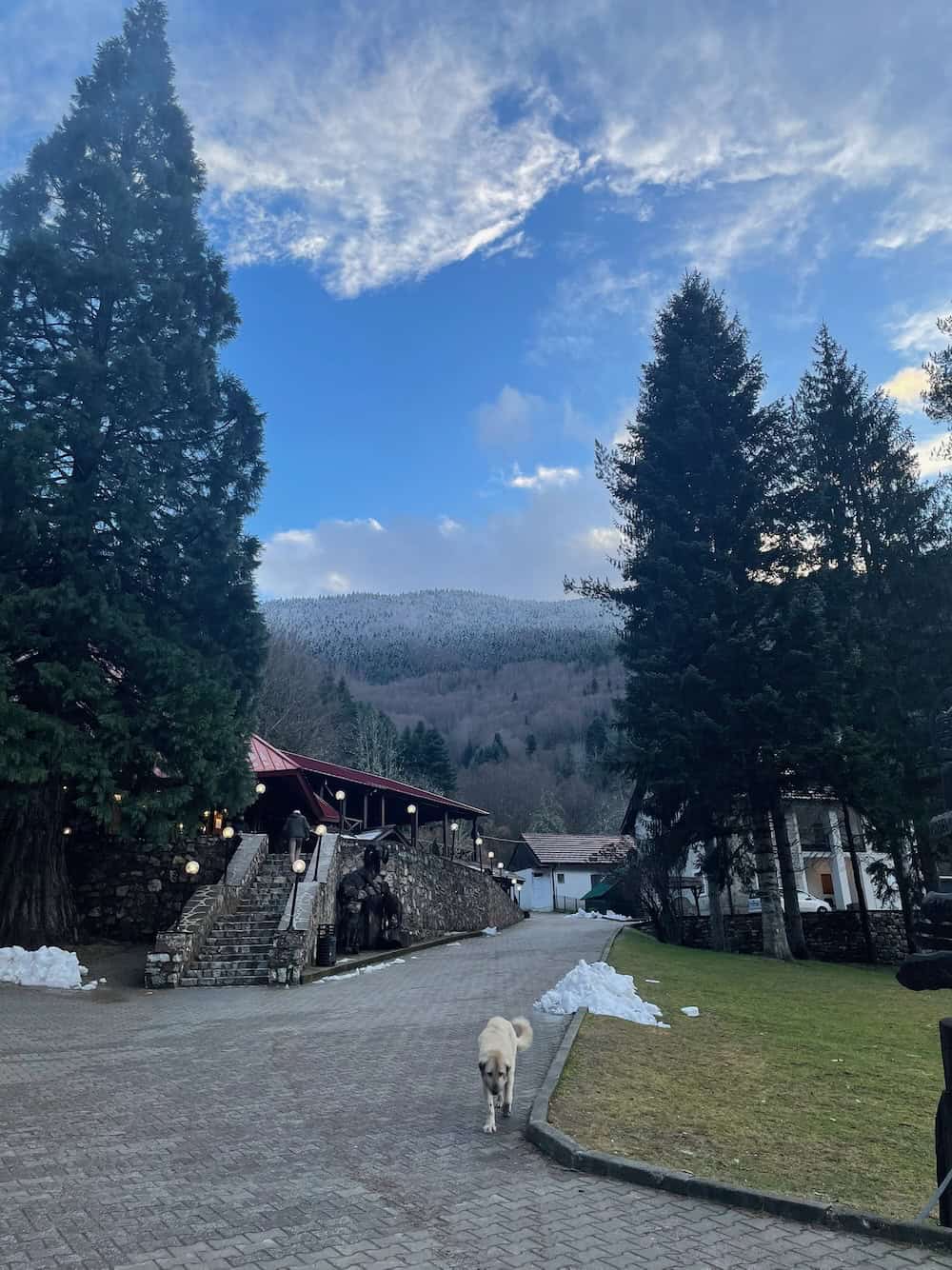
My trip to North Macedonia was one of my best ever. Good food, cheap, friendly people, amazing nature, and practically zero tourism.
No matter where you go in the “forgotten countries” you will get to experience something truly authentic — something you miss in many other parts of “touristy Europe”.
Important Note:
It’s worth noting that parts of Eastern Europe are less developed than Western Europe largely because of past wars and political changes. Many countries were under communist rule during the 20th century, which slowed economic growth and investment. After that system ended, rebuilding and modernizing took time—something that is still ongoing today.
Frequently Asked Questions
The cheapest months to visit Europe are January and February, when tourism is at its lowest and prices for flights and accommodation drop significantly. If you want warm weather on a budget, May and early June offer the best balance — shoulder-season prices with summer-like temperatures, especially in Southern Europe.
Major tourist destinations like Barcelona, Rome, Paris, and the Greek islands are very crowded in July and August. However, you can avoid the worst of it by heading to the countryside, visiting less-touristy countries like the Baltics or North Macedonia, or booking popular destinations for June or September instead.
The cheapest flights to Europe are generally in January, February, and November. Shoulder months (May, September, October) also offer good deals if you book 6–8 weeks in advance. Avoid booking flights for July and August unless you book very early.
Yes — September is one of the best months for Greece. Temperatures are still in the mid-to-high 20s, the sea is warm, and the summer crowds have thinned out. Prices also drop compared to July and August.
For hiking: June to September. For skiing: January and February (avoid school holidays for cheaper prices). For autumn scenery: October. Clear sunny days in the Alps during winter are also stunning, even without skiing.