Why Always London?
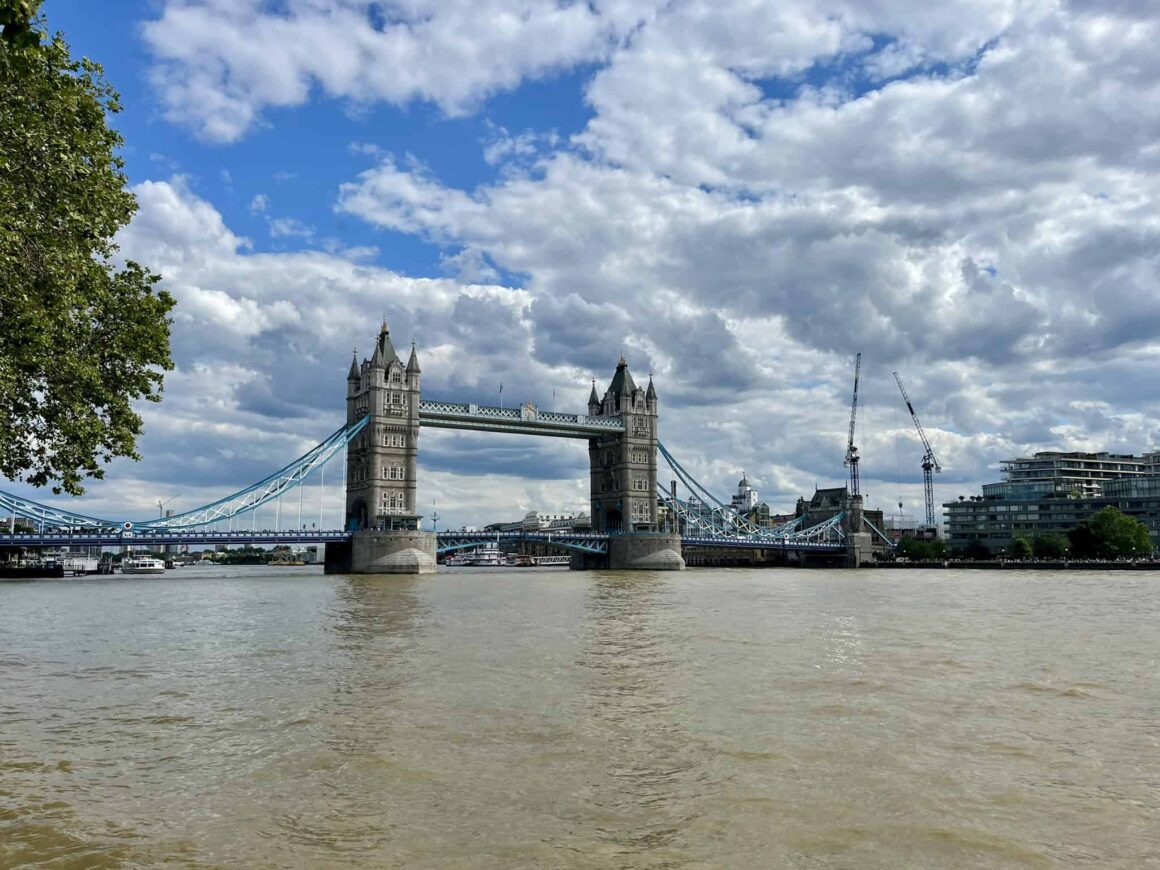
If you’ve been thinking about a working holiday in Europe, London is probably the first place that comes to mind. And look — it makes sense. It’s English-speaking, familiar, and every second Australian seems to end up there at some point.
But here’s the honest truth: London is almost unaffordable for most young Australians. You’ll spend most of your year just trying to keep your head above water financially, and you won’t actually experience much of Europe while you’re at it — unless you already have a large sum in your savings.
The good news is that London isn’t your only option. Australia has working holiday agreements with a handful of other European countries that most people don’t even know about — and in a lot of ways, they’re better. You’ll stretch your money further, experience something genuinely different, and come back with stories that aren’t the same as everyone else’s.
Here are five of them.
🇩🇪 Germany

Visa: Working Holiday Visa | Age limit: 18–30 | Duration: 12 months
Germany is my top pick for young Australians looking for a working holiday in Europe. It has a strong job market, excellent public transport, and a culture that’s genuinely unlike anything you’ll experience back home.
Visa Process
Full application requirements can be found here
The visa itself is straightforward. Australians can actually enter Germany and apply for the working holiday visa at the local immigration office once you’re there, without needing to sort everything before you leave. (However, I wouldn’t recommend this as you will need to find a place to live – i.e. have a registered address – before you apply for the visa within Germany).
Applying at the German consulate in Australia before you go is the simpler and safer option — it means you can start working from day one. You can only do this visa once, so make the most of it.
Which Germany Cities?

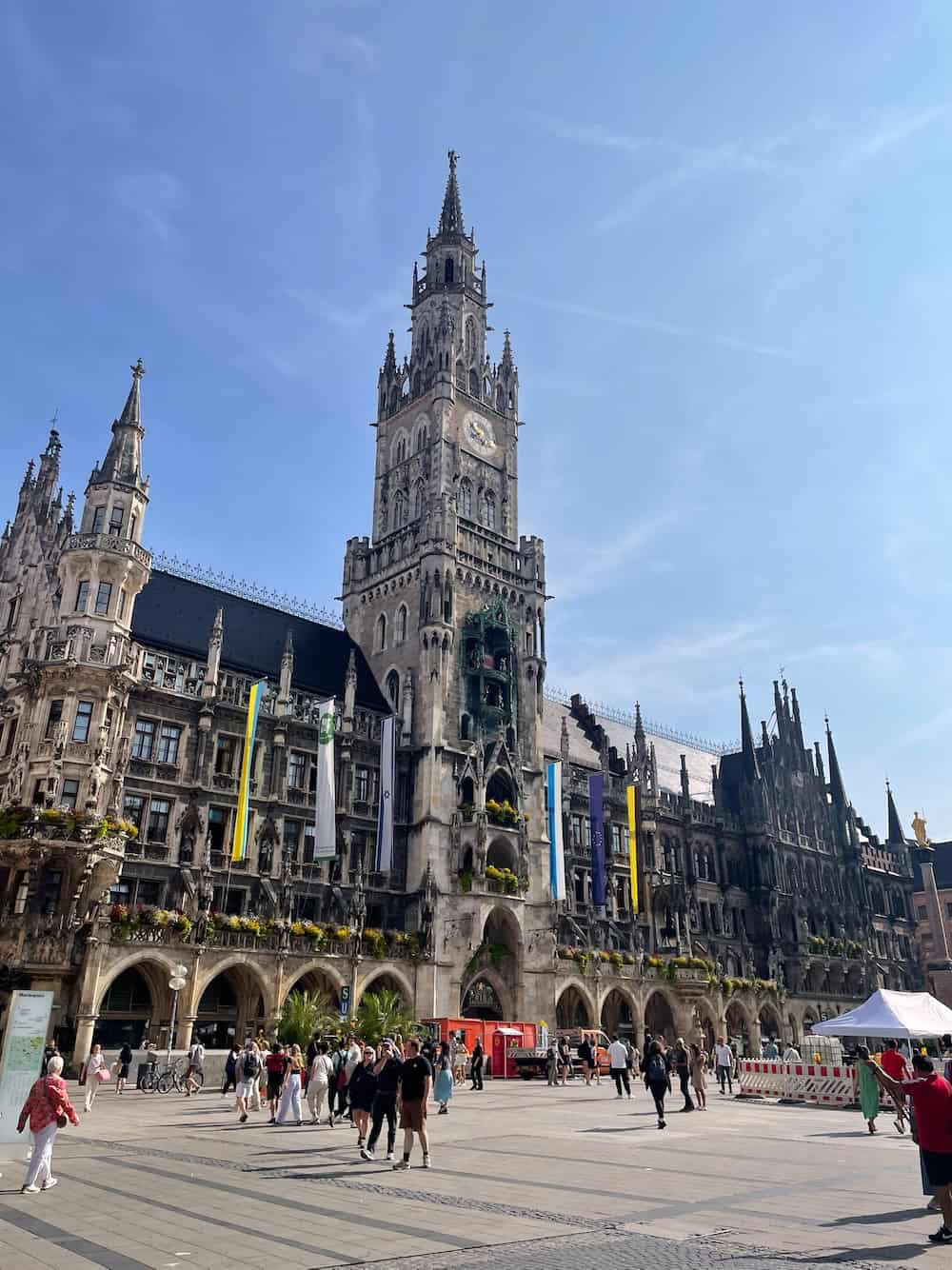
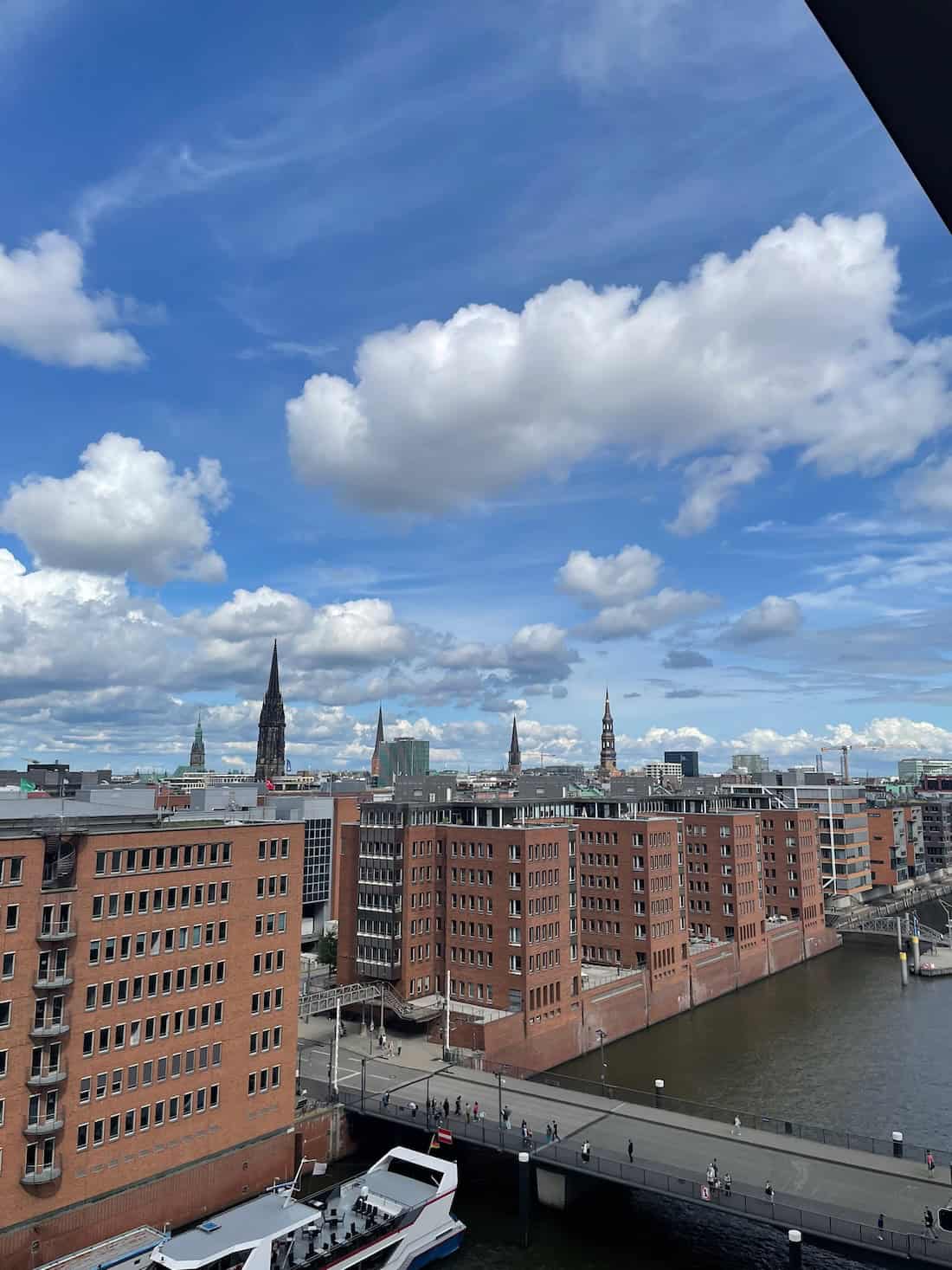

There’s no one city I’d point everyone towards. Berlin, Munich, Hamburg, Cologne, and Frankfurt all have solid job markets and a strong hospitality scene.
If you’re more interested in mountains than city life, Germany also has the Alps in the south — there’s seasonal work there too. The honest answer is to go where you want to explore, and find work when you get there.
Finding Work
When it comes to actually finding work, the most realistic option for most people is bar and hospitality work. English-speaking, Irish, Australian and English pubs and bars are everywhere across German cities, and they actively look for English-speaking staff.
A basic understanding of German definitely helps, but it isn’t always a hard requirement — most Germans speak a high level of English day-to-day.
Culture
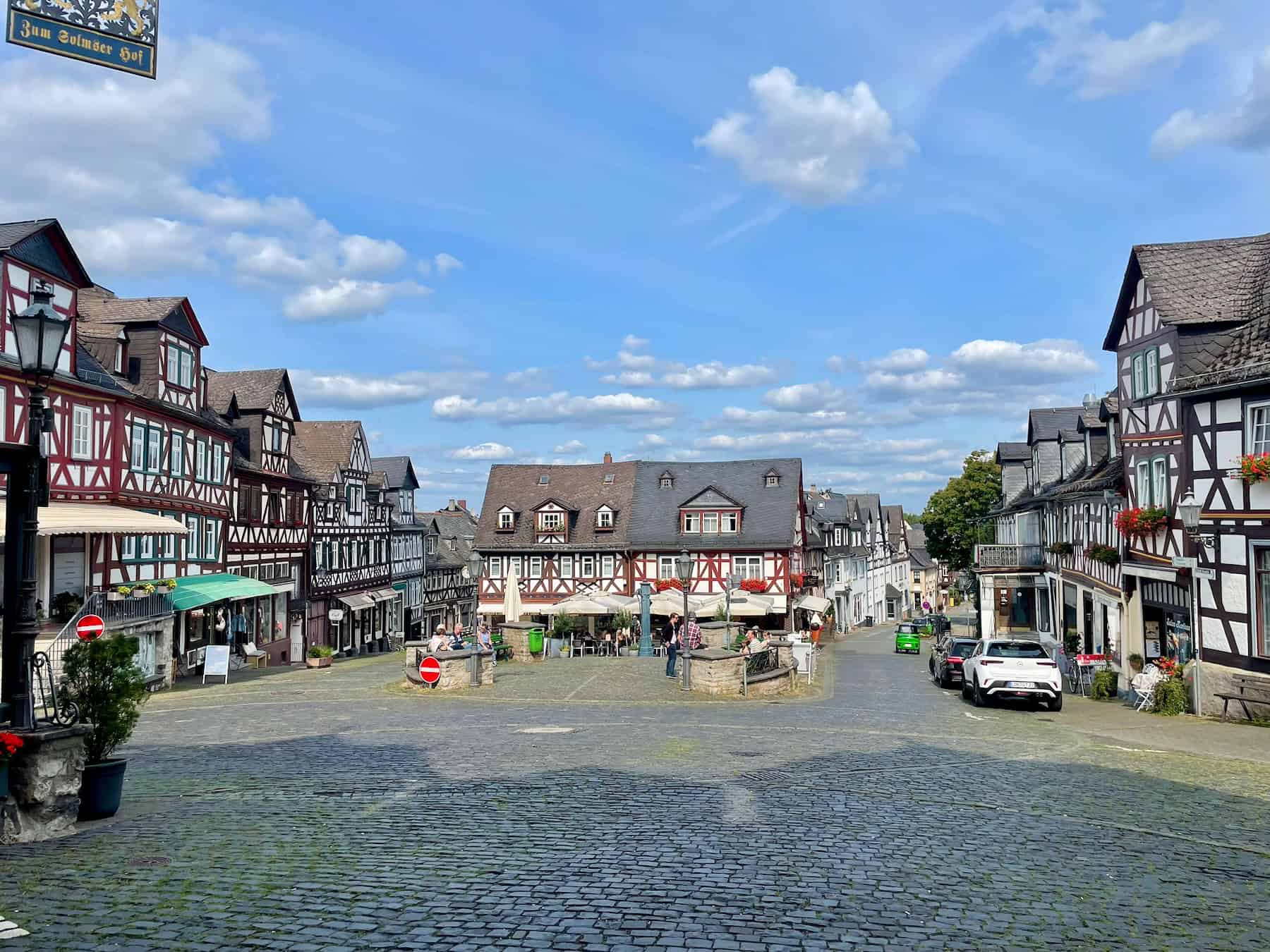
Germany is also a completely different experience to London. In London, there are enough Australians and British people around that you can ease in gently. Germany is something else entirely — the culture, the food, the way people interact, the pace of daily life.
That’s not a reason not to go. In all honesty, it’s the reason to go. You’ll grow more from being somewhere genuinely unfamiliar than you will from spending a year somewhere that feels like a slightly colder version of home.
Budget
Living in a shared flat (known as a WG) in a major German city will cost you around €400–€700/month in rent. Shopping for groceries, you’re looking at roughly €120–€200/month on food. Transport is a standout — Germany has something called the Deutschlandticket, a flat €63/month subscription that gives you unlimited travel on all buses, trams, and regional trains across the entire country.
That’s not just within one city — that’s the whole of Germany. All up, a realistic monthly budget on shared accommodation and a sensible lifestyle is around €900–€1,200/month.
Austria

Visa: Work and Holiday Visa (Subclass 462) | Age limit: 18–30 | Duration: 12 months
Important note before anything else: Austria’s working holiday visa has an education requirement. You need to have completed at least two full years of university or higher education to be eligible. If you haven’t, this visa isn’t available to you.
Where to go in Austria?

Compared to London, living in Austria is a lot more peaceful and in all honesty, the quality of life is significantly higher. Vienna has been consistently ranked as one of the world’s most liveable cities — not without reason.
Alongside Vienna, cities like Salzburg, Innsbruck, Graz, and Linz are all worth considering. Vienna is the easiest city to find work in, but if you’re drawn to the mountains, Salzburg and Innsbruck make more sense. Don’t overlook Graz and Linz either — they’re often underestimated, and in Graz especially, rent is noticeably cheaper.
Finding Work
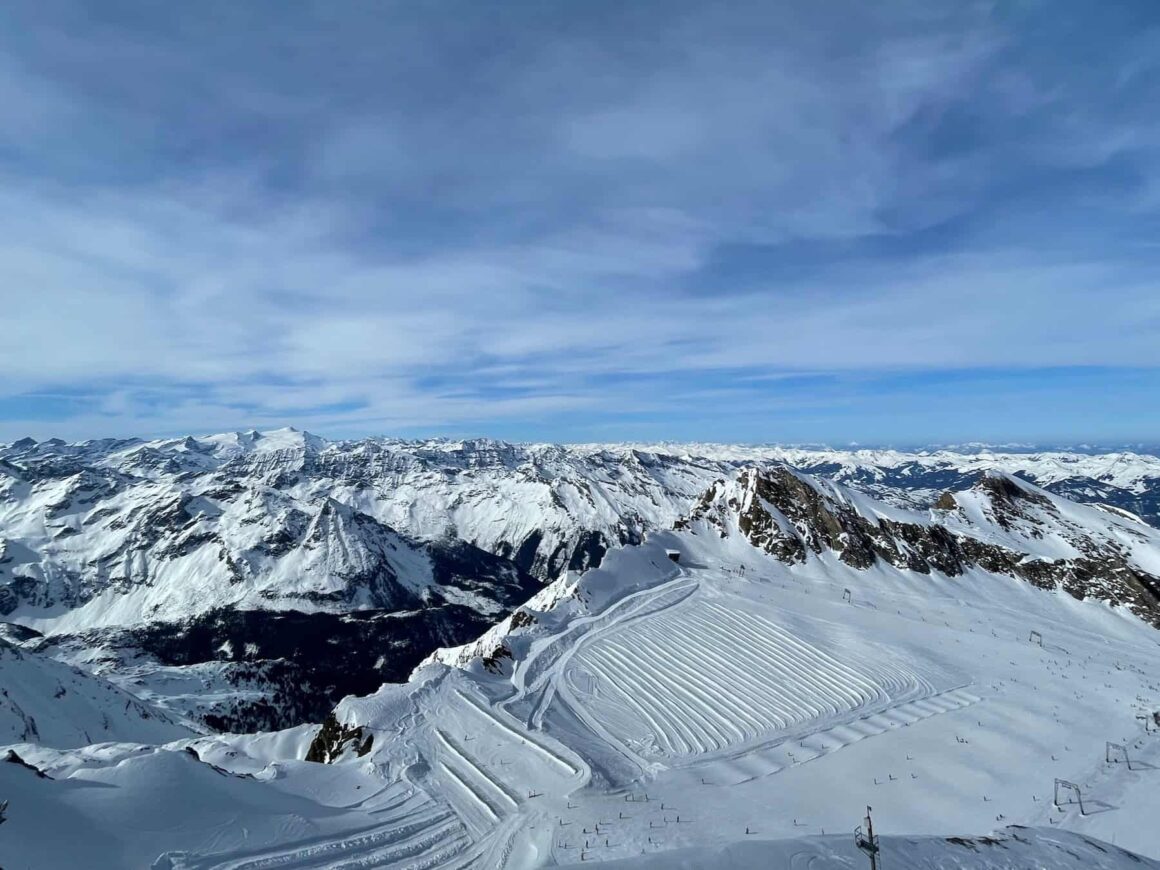
Austria also has the Alps, which opens up another angle entirely: ski season work. If winter sports are your thing, ski resorts in the Austrian states of Tyrol, Vorarlberg, Salzburg, Carinthia, and Styria are all great options.
Hospitality and bar work are the most accessible jobs for young Australians here, as with most European countries. Vienna’s international scene means English is widely spoken, and the hospitality industry is used to working with people from all over the world.
Budget:
A shared room in Vienna runs around €400–€600/month. In Graz or Linz you’ll pay meaningfully less. Groceries at Hofer (which is Aldi in Austria) or Lidl come to around €150–€250/month. Public transport in Vienna is excellent — a monthly pass is around €50, and an annual pass is just €366, which is remarkable value. All up, a realistic monthly budget is around €900–€1,300/month depending on which city you’re in.
Ireland

Visa: Working Holiday Authorisation | Age limit: 18–35 | Duration: 12 months
Important note before anything else: Austria’s working holiday visa has an education requirement. You need to have completed at least two full years of university or higher education to be eligible. If you haven’t, this visa isn’t available to you.
Ireland is the only English-speaking country on this list, and that’s the main reason people choose it. If the language barrier feels like too big a jump for a first working holiday, Ireland is a genuinely good starting point.
Visa Process
A few practical things worth knowing upfront: because Australians don’t need a visa to enter Ireland, the arrangement work a bit differently. You apply for a Working Holiday Authorisation through the Irish Embassy in Canberra before you leave, rather than a standard visa.
You then get a document, and use that to enter the country. The processing fee is AUD $95, and you’ll need to show at least AUD $5,000 in savings (or AUD $2,500 if you already have a return flight booked).
You can only use this authorisation once, and you can’t apply from within Ireland — it has to be done before you travel.
Where to Live?
Now, the honest part: don’t live in Dublin. Dublin is one of the most expensive cities in Europe for rent. A room in a shared house in Dublin will cost you €700–€1,000/month, and the housing market is genuinely competitive — you can’t just arrive and assume you’ll find somewhere quickly. Many people who move to Dublin spend the majority of their year just surviving financially, which isn’t the point of a working holiday.
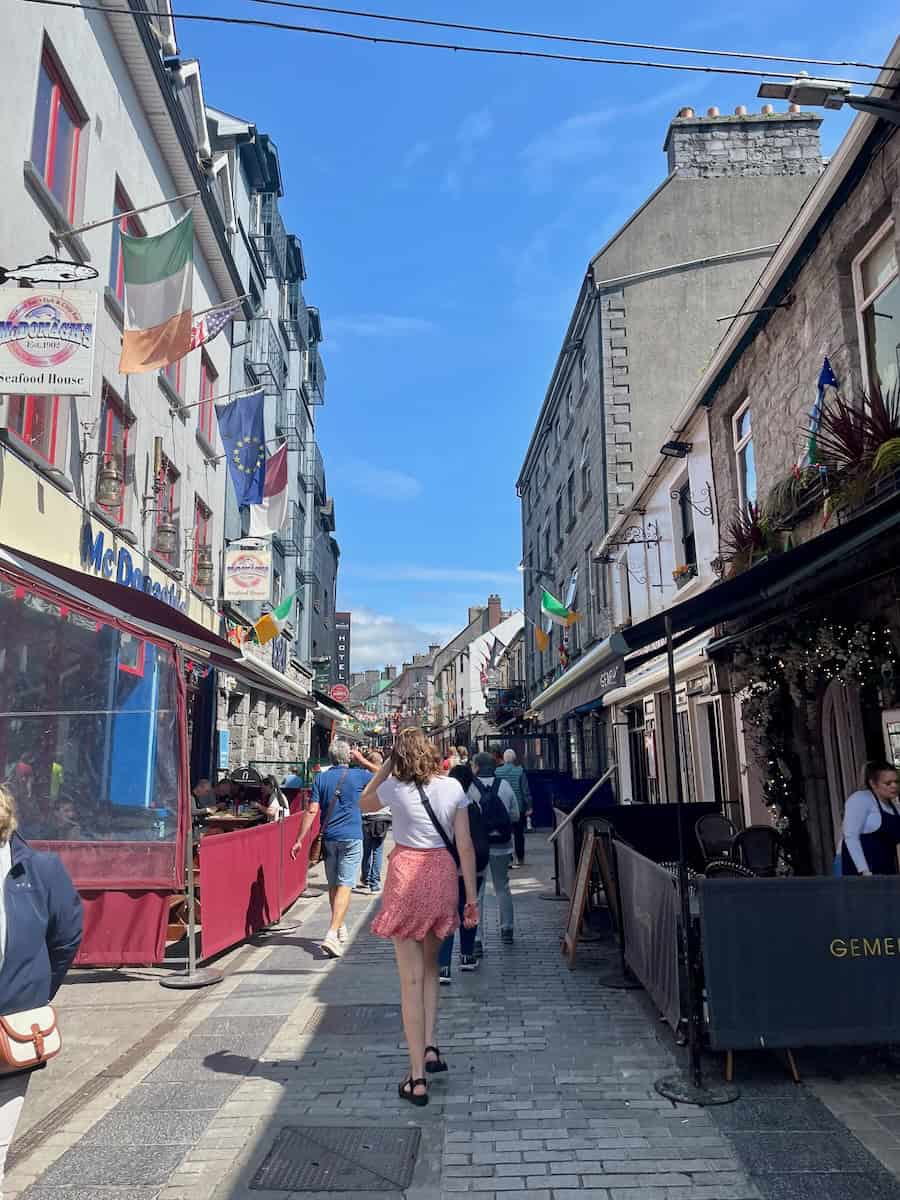
Ireland outside of Dublin is a different story entirely. Towns like Galway, Cork, and Killarney are genuinely beautiful, far more affordable, and offer a quality of life that Dublin simply doesn’t. A shared room in Cork or Galway will cost you around €500–€800/month. The pub and hospitality scene is strong right across the country — not just in the capital — and it’s the most realistic source of work for most young Australians.
Budget
Outside Dublin in a shared house, you’re looking at roughly €500–€800/month in rent. Groceries at Aldi or Lidl run around €120–€200/month. Public transport in regional cities is reasonable — bus fares are around €1.50 per trip with a Leap Card. All up, a realistic monthly budget outside Dublin is around €900–€1,200/month. Dublin will push that to €1,200–€1,700/month even on a tight budget, which is another reason to skip it.
Belgium
Visa: Working Holiday Visa | Age limit: 18–30 | Duration: 12 months
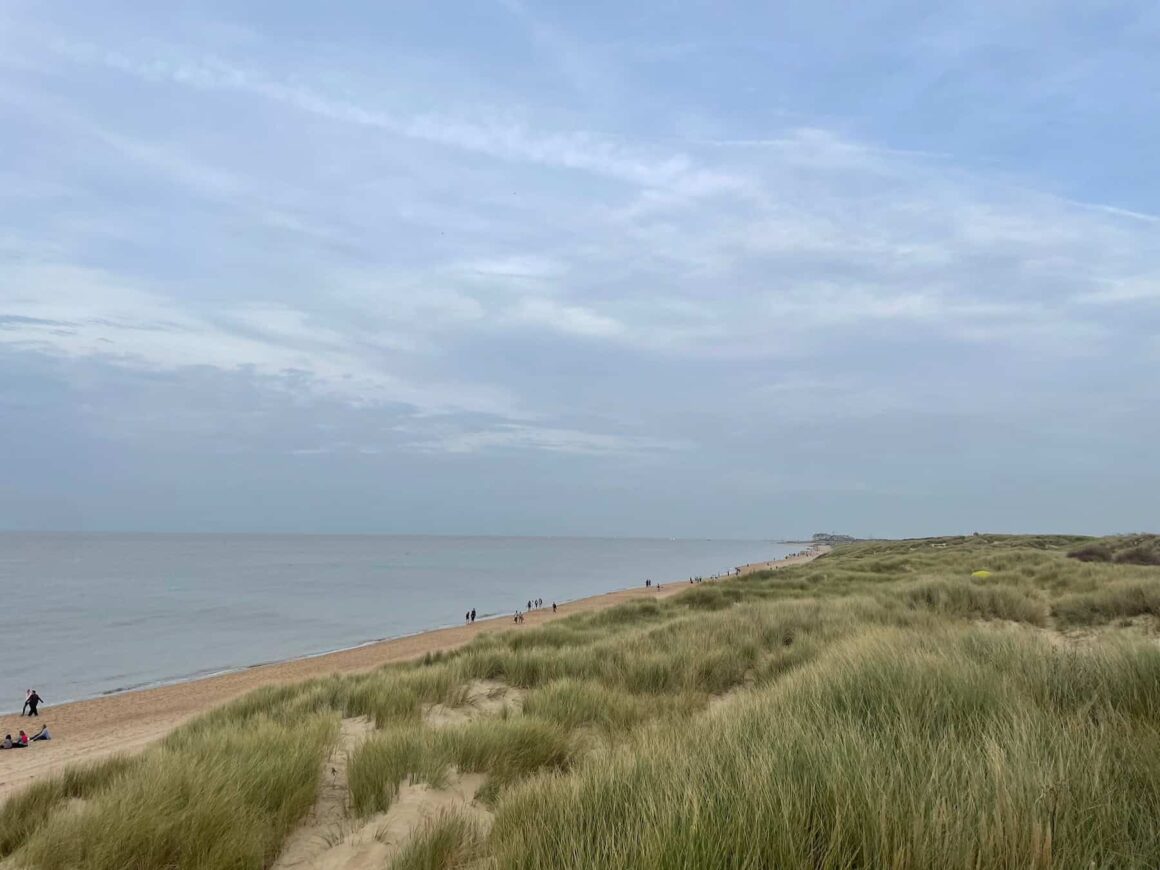
Belgium is probably the least obvious pick on this list, and that’s exactly why it’s worth including. Most people don’t think about it at all — and that’s their mistake.
The practical case for Belgium is simple: it has a considerably lower cost of living than either Germany or Ireland, especially if you base yourself outside Brussels. Belgium is also centrally located within Europe, which means weekend trips to France, the Netherlands, Germany, and Luxembourg are all genuinely easy and cheap.
Where to Live
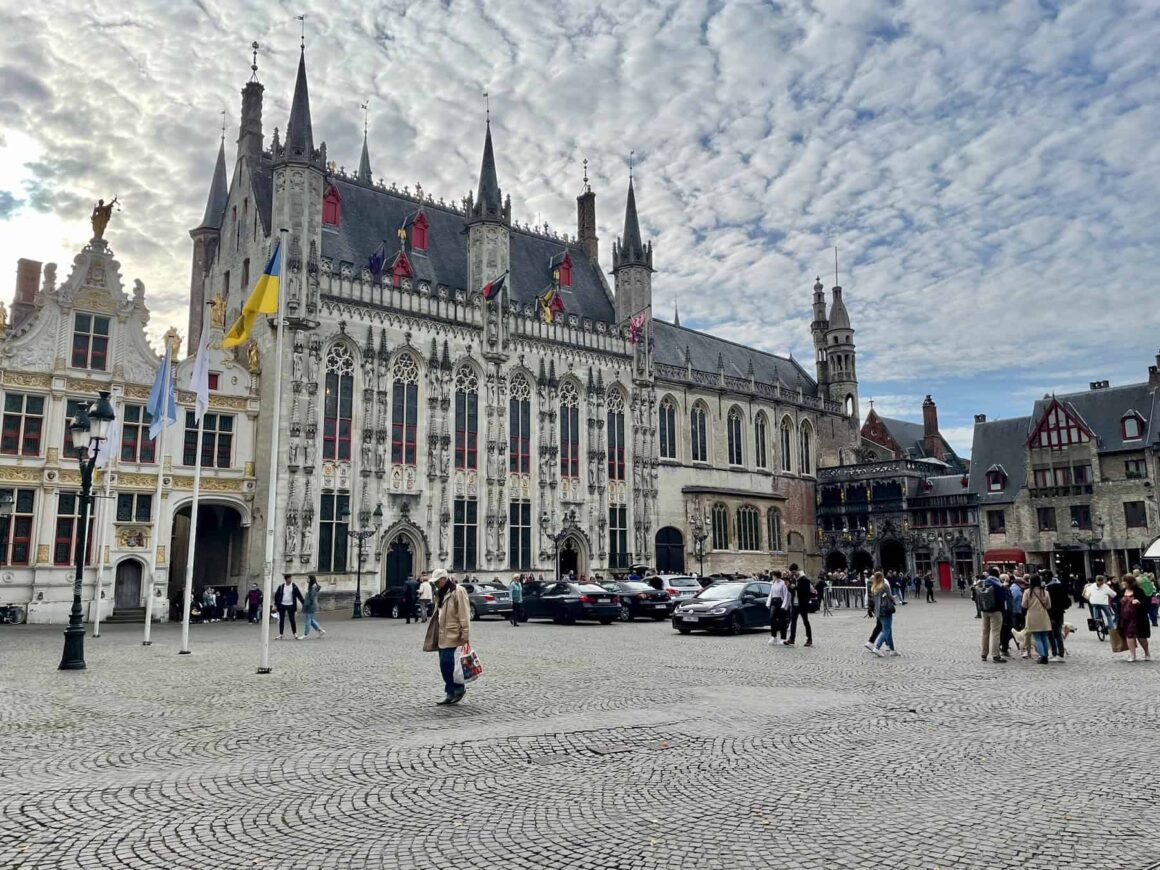
Brussels is a perfectly good city, but it’s not where I’d tell most working holiday travellers to head first. Cities like Ghent, Bruges, Antwerp, Leuven, and Liège offer far more manageable rents, a much stronger sense of local character, and a hospitality scene that’s always looking for English-speaking staff. Bruges in particular is a stunning place to base yourself, and Ghent has a student-heavy atmosphere that makes it easy to meet people.
The language situation in Belgium is worth addressing. Different regions speak French, Dutch, or German — but in practice, this matters less than you might think. Belgians, as a rule, speak excellent English, particularly in Flanders (the Dutch-speaking north). If you already speak French, the Wallonia region gives you even more options.
Hospitality work is also the most available option here, as it is across the rest of this list.
Budget
A shared room in cities like Ghent, Bruges, or Antwerp will cost you around €350–€550/month. Brussels runs €500–€700/month for a shared room. Groceries at Aldi, Lidl, or Colruyt come to €150–€250/month. Monthly transport passes cost €55–€60, and if you’re under 26, Belgium’s Go Pass gives you heavily discounted train travel across the country. All up, a realistic monthly budget in a smaller Belgian city is around €800–€1,200/month — making it one of the more affordable options on this list.
Italy
Visa: Working Holiday Visa | Age limit: 18–35 | Duration: 12 months

Visa Process
There are a few things worth being upfront about. The visa process for Italy involves more steps than the others. You apply at the Italian consulate in Australia before you leave, and once you arrive in Italy, you need to apply for a Permesso di Soggiorno (residence permit) at the local police headquarters within eight days of arriving. Your employer then needs to apply for a work permit on your behalf. It’s more admin than Germany or Ireland, but it’s manageable if you’re prepared for it.
Working in Italy
The work conditions are also more restrictive than some of the others. You can work for a total of six months out of your twelve-month stay, and no more than three months with the same employer. That limits your ability to settle into one long-term role, which means you’re working in shorter bursts and spending more time between jobs.
Italy is still a genuine working destination, not just a tourist base. It’s cheaper than most of the other countries on this list, which means your money goes further. The most common jobs for young Australians in Italy are au pair work and hospitality — both available in the big cities and in the alpine regions in the north if you’re interested in seasonal work. Florence, Rome, and Milan all have the strongest job markets, but Italy’s northern alps also offer ski season opportunities.
One important practical note: the Italian working holiday visa requires you to demonstrate at least €10,000 in savings before you go. That’s a higher threshold than most other countries on this list. The upside is that Italy is cheap enough that €10,000 goes a long way once you’re there.
Budget
A shared room in Rome or Florence costs around €500–€600/month. Milan is slightly more expensive at €600–€700/month. Groceries run about €150–€250/month. Public transport is genuinely affordable — Rome’s monthly metro pass is around €35, and Milan’s is around €40. All up, a realistic monthly budget in a shared house is around €800–€1,100/month — the most affordable of the five countries on this list.