For a full in-depth guide, head to: How to Travel Europe by Train and Bus: A Complete Guide for Young Travellers
Everything you need to know about travelling Europe by train and bus in 5 minutes
Taking Advantage of the Public Transport
Travelling Europe by train and bus is one of the easiest ways to explore the European continent.
Europe has one of the most extensive rail networks in the world, with high-speed trains connecting major cities across 12 countries and national rail systems covering almost everywhere else.
The downside? Trains can be expensive.
The good news is that there are several ways to travel across Europe without blowing your budget.
For young travellers, there are three main options:
| Option | Best For | Pros | Cons |
|---|---|---|---|
| Eurail Pass | Long trips + flexible travel | Extremely flexible | Can be expensive |
| Separate Train Tickets | Planned itineraries | Cheap if booked early | No flexibility |
| Buses (FlixBus etc.) | Budget travel | Very cheap | Slow + delays |
Eurail Pass

The Eurail Pass is one of the most convenient ways to travel Europe.
It allows you to hop on and off trains across 33 European countries without needing to buy individual tickets for every journey.
Youth travellers (ages 12–27) also get 25% off passes.
There are two main types:
Global Pass
- Travel across all 33 Eurail countries
One Country Pass
- Unlimited travel within one specific country.
When a Eurail Pass Is Worth It
1. You’re travelling for more than a month
- If you’re travelling long-term, Eurail removes a lot of stress.
- You don’t need to constantly plan and book transport.
2. You’re doing lots of long train trips
- Journeys 3–4+ hours often cost €50–€100+.
- Multiple long trips can easily cost more than a Eurail pass.
3. You want flexible travel
You can:
- Change plans
- Hop on different trains
- Take multiple trains in one day
4. You’re visiting expensive rail countries
Train tickets are particularly expensive in:
- UK
- Germany
- France
- Switzerland
- Norway
In these countries, Eurail often saves money.
5. The pass is on sale
Eurail frequently runs Black Friday and seasonal sales.
If you find a pass discounted, it’s often worth it.
When Eurail Isn’t Worth It
1. You’re on a strict budget
Example:
- A 5-day Eurail pass costs about €239 (~€50 per day).
- If you book tickets well in advance (4-8 weeks) of your travel day, you may spend less.
2. Most trips are short
- If your journeys are under 3 hours, individual tickets can often be found cheaply when booked early.
3. You’re travelling in Eastern Europe
In much of Eastern Europe:
- Trains are slower
- Connections are weaker
Buses are often faster and cheaper.
Quick Eurail Rule
Eurail is best if:
- You want flexibility
- You’re doing long train journeys
- You’re travelling for a long time
Separate tickets are better if:
- You want the absolute cheapest option
- You plan everything well in advance
Buying Separate Train Tickets
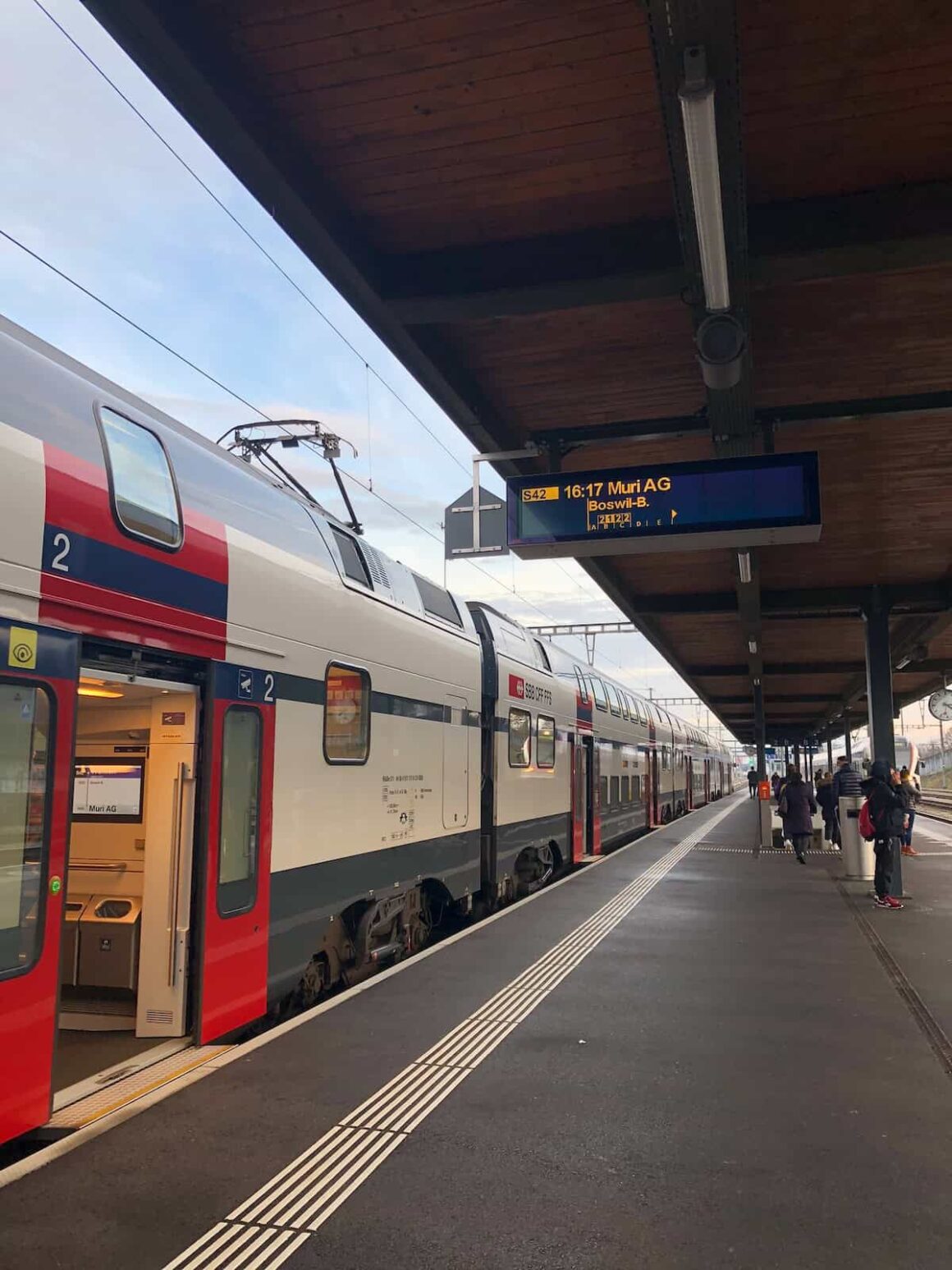
Buying individual tickets can often be the cheapest option — if you plan ahead.
There are two main ways to save money.
1. Book Direct and Book Early
The best strategy is:
Book 4–8 weeks before travel.
Prices can be 50% cheaper than buying tickets on the day.
Also always:
- Book directly with national rail companies
- Avoid third-party sites like Trainline or Omio when possible – they may offer convenience, but you will be paying an extra €2-€5 in fees.
When booking:
- Create an account with the national rail company
- Search your route
- Enter your age (youth tickets are cheaper)
- Choose the cheapest connection
- Buy your ticket
If booking online, download the railway app and add your ticket there.
Here are some links to public transport apps and websites for a few countries.
- 🇨🇭Switzerland: SBB App, SBB Website
- 🇦🇹 Austria: ÖBB App, ÖBB Website
- 🇧🇪 Belgium: SNCB App, SNCB Website
- 🇫🇷 France: SNCF App, SNCF Website
- 🇩🇪 Germany: Deutsche Bahn App, Deutsche Bahn Website
- 🇮🇹 Italy: Trenitalia App, Trenitalia Website
- 🇳🇱 Netherlands: NS App, NS Website
- 🇪🇸 Spain: Renfe App, Renfe Website
2. Look for Youth Discount Cards
If you’re spending a lot of time in one country, youth discount cards can be very useful.
They usually pay for themselves after 4–5 trips.
Examples include:
Germany — BahnCard 25
- ~€20 trial version
- 25% off train tickets
Austria — Vorteilscard Youth
- €21
- 50% discounts on trains
France — Carte Avantage Jeune
- €49
- 30% off TGV trains
Italy — Green Card
- ~10–25% off many trains
Switzerland — Youth Half Fare Card
- Up to 50% off trains
Always compare ticket prices with and without the card before buying.
*Note: If you buy a youth discount card, remember to cancel your subscriptions at the end of your trip otherwise it will renew automatically.
Downsides of Separate Tickets
The main problem is flexibility.
Cheap tickets are usually:
- Train-specific
- Non-refundable
- Non-changeable
If you miss your train or change plans, you will need to buy a new ticket at full price.
This is why Eurail can be better for long trips.
Seat Reservations
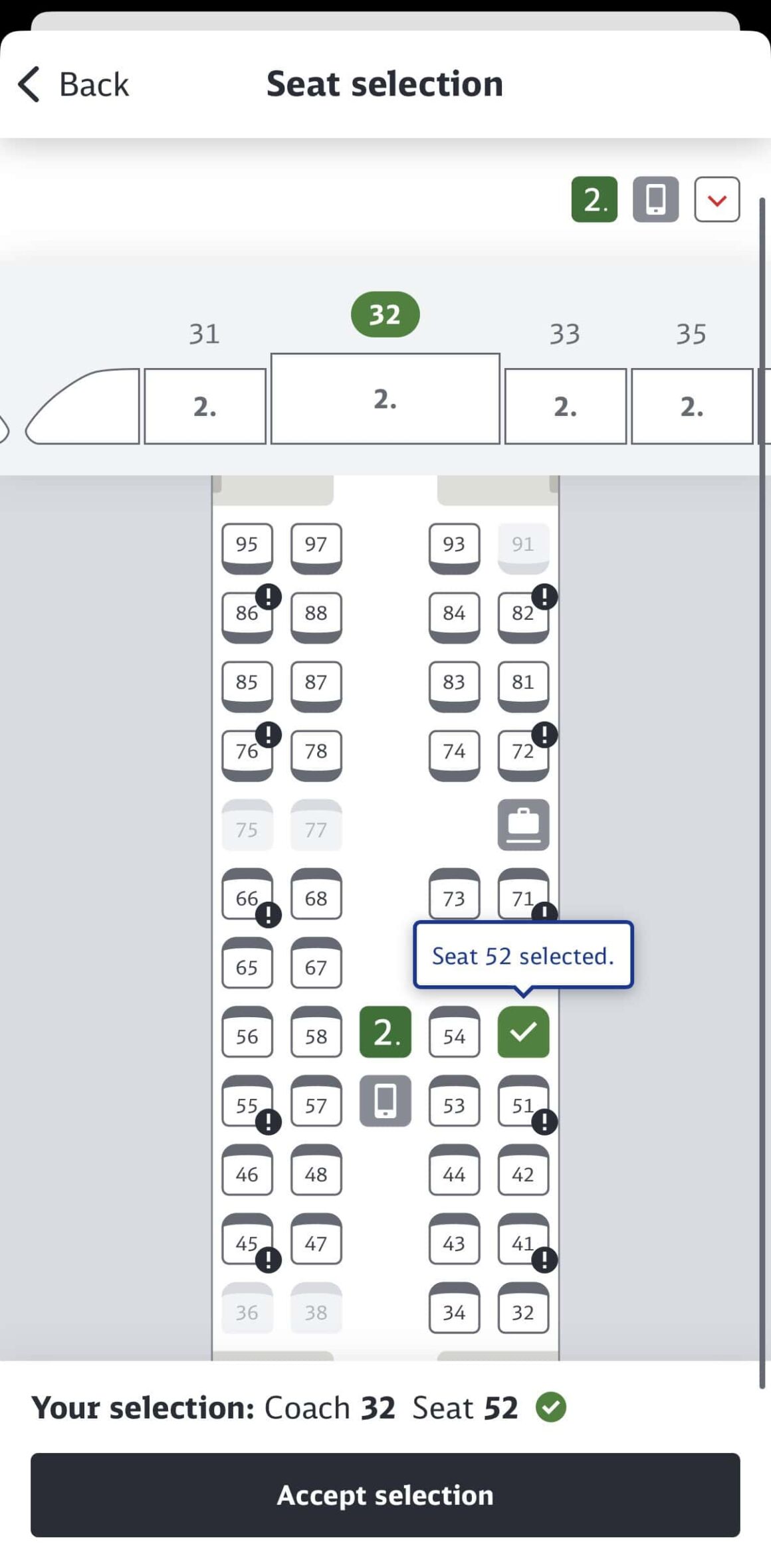
Seat reservations in Europe are simple.
Some countries require them on high-speed rail, others don’t.
Usually Required:
- France
- Italy
- Spain
- Portugal
If you book through the national railway site, the reservation is usually included automatically.
Alternatively, if you have a Eurail Pass, you can book your reservations through the Eurail Trip Planner app.
Usually Optional:
- Germany
- Austria
- Switzerland
In these countries you can usually just sit anywhere.
However, consider reserving if:
- You want a window seat
- The train is busy
- The journey is 3+ hours
Luggage Storage
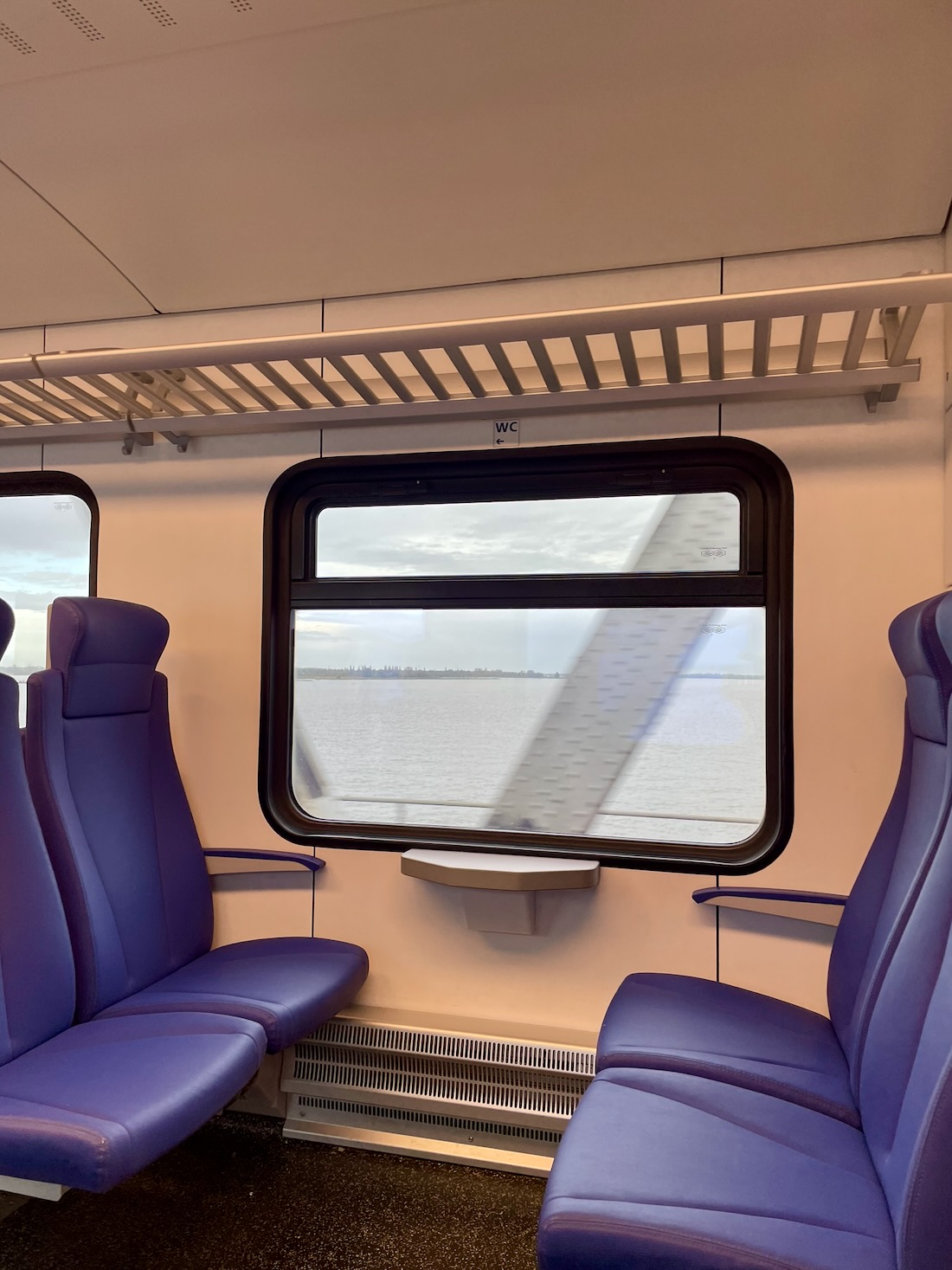
Luggage storage is generally easy.
High-speed trains:
You’ll usually find:
- Overhead racks
- Large luggage racks at the end of carriages
If you have a large suitcase, choose seats near the luggage racks.
Regional trains:
Space is more limited.
Best places for large luggage:
- Wheelchair space (if not needed)
- Front or end of the carriage
FlixTrain
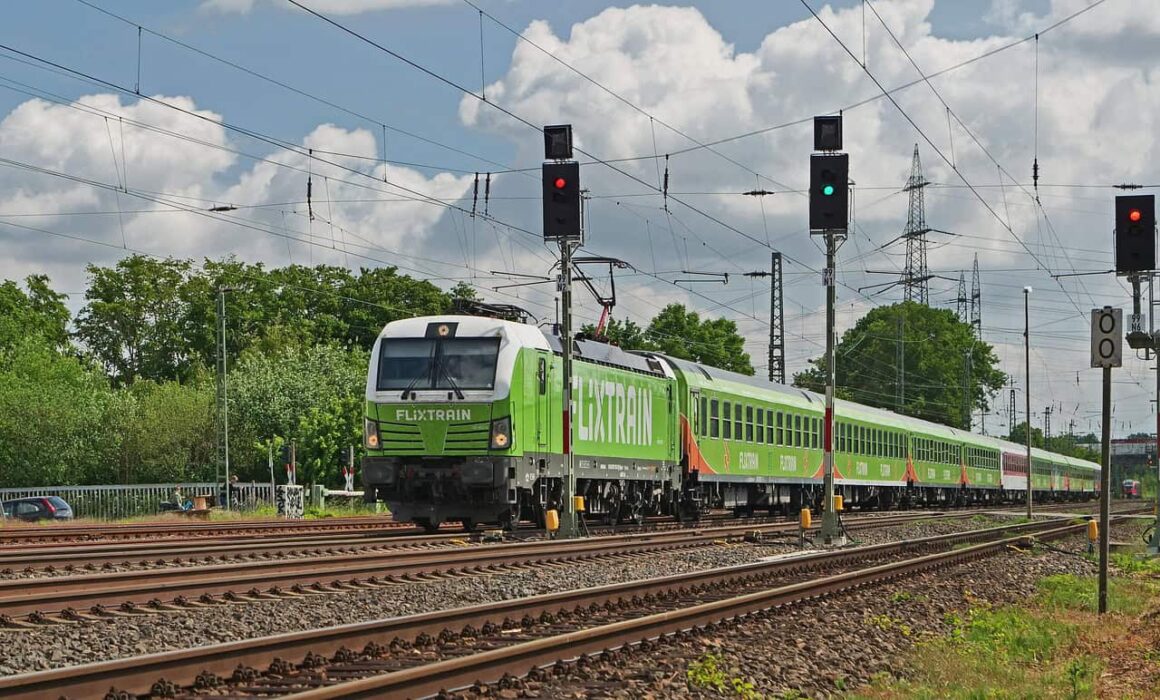
FlixTrain is a low-cost train company in Germany.
It connects around 60 towns and cities and is usually much cheaper than Deutsche Bahn.
Tickets often start around €5 – when booked early.
Popular routes include:
- Frankfurt → Basel
- Hamburg → Berlin
- Berlin → Leipzig
- Berlin → Dresden
- Berlin → Frankfurt
- Frankfurt → Stuttgart
Downsides
FlixTrain can be unreliable.
Common issues:
- Long delays
- Cancellations
- Old carriages
- No air-conditioning
Since many routes only run once or twice per day, delays/cancellations can cause problems.
But you get what you pay for – with some of the prices FlixTrain has to offer, its hard to refuse.
FlixBus

FlixBus is Europe’s largest long-distance bus network.
It connects thousands of cities in 30+ countries and is often the cheapest way to travel.
Pros
- Extremely cheap
- Huge network across Europe
- Many daily departures on popular routes
Cons
- Much slower than trains
- Regular delays
- Less comfortable seating
Sometimes buses take 2–3x longer than trains.
If a train costs €15–€20 more but saves several hours, the train is usually worth it.
Before booking any bus however, always compare prices on compareabus.com so you know you’re getting the best deal.
When I Would Use FlixBus
Buses are most useful for:
- Short trips
- Day trips
- Saving Eurail travel days
- Travelling in Eastern Europe
Example:
Frankfurt → Heidelberg
Train:
€18–€30 one way
FlixBus:
€6–€8 one way
Same travel time → bus wins.
Other Bus Companies
FlixBus is the biggest network, but other companies exist, including:
- BlaBlaCar Bus
- Eurolines
- RegioJet
To compare routes and prices, use compareabus.com.
Final Advice
The best way is to use a mix of transport options.
A simple strategy:
- Use Eurail for flexibility and long trips
- Use separate train tickets when you can book early
- Use buses for cheap short trips
If you combine all three, travelling Europe can be surprisingly affordable.